
Elevating your daily brew to exceptional requires attention to fresh beans, proper grind, water quality, and precise brewing techniques.
For many of us, coffee is more than just a beverage; it’s a daily ritual, a source of comfort, and a moment of quiet pleasure. Yet, the quest for truly delicious coffee often feels elusive when brewing at home. You might find yourself wondering why your homemade cup doesn't quite match the vibrant flavors from your favorite local cafe. Having explored countless brewing methods and meticulously tasted a myriad of beans over the years, I understand this challenge intimately. This comprehensive guide will meticulously break down the essential elements and practical strategies you need to master how to make coffee taste better at home, transforming your morning routine into a consistently delightful experience.
:max_bytes(150000):strip_icc()/Does-the-Size-of-Your-Coffee-Grounds-Matter-FT-BLOG1223-bbfbb4af0e97404b84db93de7d12e8e9.jpg)
Understanding the Fundamentals of Great Coffee
Achieving a superior cup of coffee at home begins with appreciating the core components that influence its flavor. Think of coffee brewing as a delicate chemical process where every variable plays a crucial role. From the moment the bean is roasted to when the hot water meets the grounds, each step contributes to the final taste profile. Understanding these basics is the first step in learning how to make coffee taste better at home, allowing you to identify areas for improvement and fine-tune your approach. It’s a journey of discovery that rewards patience and a keen palate.
When we talk about the fundamentals, we're considering the bean's origin, roast level, freshness, the quality of the water, the grind consistency, and the brewing method itself. Each of these elements interacts to create the complex flavors and aromas we cherish. My own journey to making coffee taste better at home involved a lot of trial and error, realizing that neglecting even one of these factors could significantly diminish the end result. It’s about creating harmony between all these moving parts.
The Art of Bean Selection and Storage
The foundation of any great cup is the coffee bean itself. You simply cannot make subpar beans taste extraordinary, no matter how skilled you are at brewing. To truly learn how to make coffee taste better at home, start with high-quality, freshly roasted beans. Look for specialty coffee retailers who specify the roast date, ideally within 1-2 weeks of your purchase. Beans that are past their prime will result in a flat, stale flavor, lacking the vibrant acidity and nuanced notes that make coffee so enjoyable.
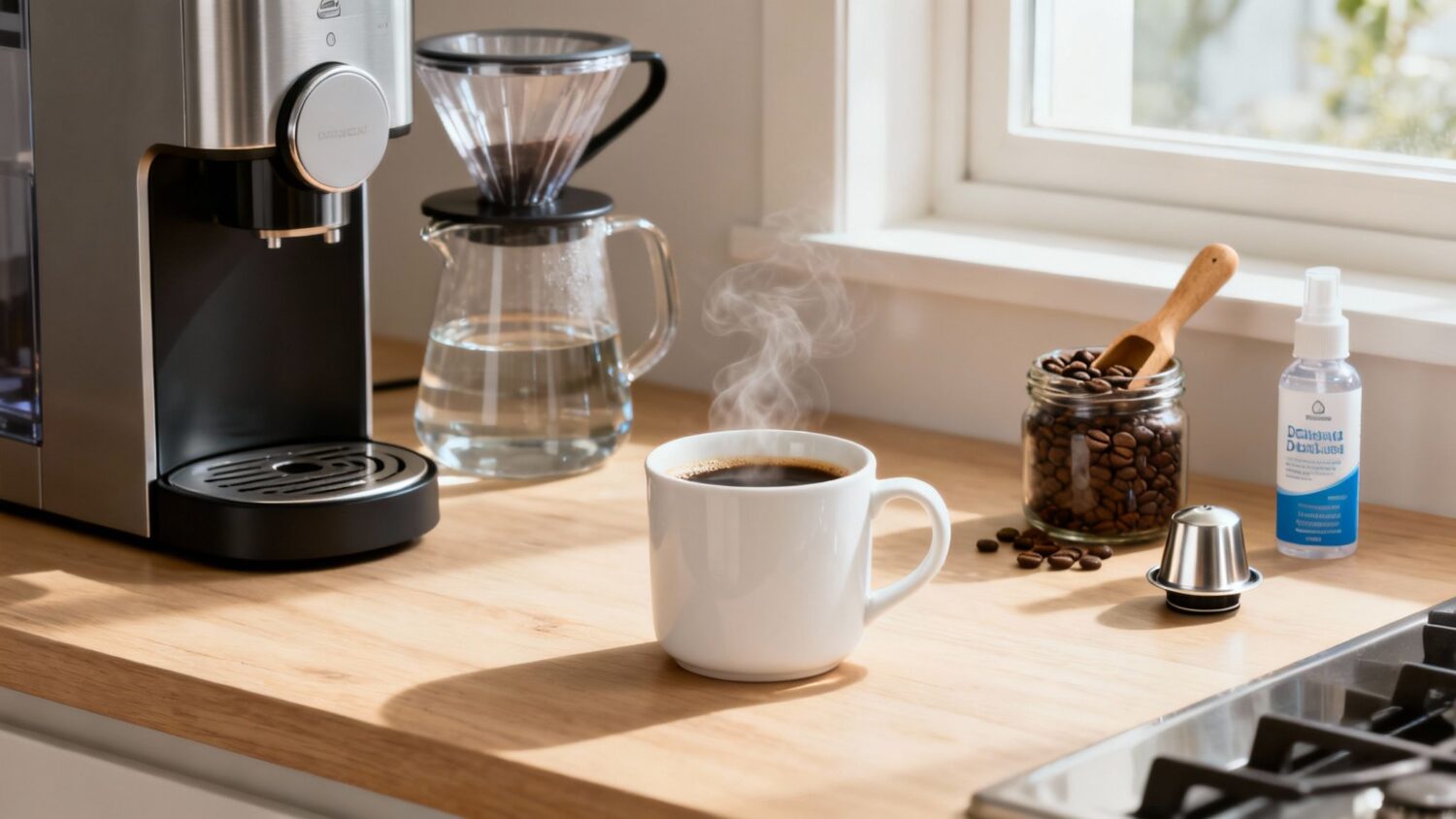
Different bean origins offer distinct flavor profiles, from the fruity notes of Ethiopian Yirgacheffe to the rich chocolatey tones of a Brazilian single origin. Experiment with various origins and roast levels—light, medium, or dark—to discover what truly excites your palate. Once you’ve selected your beans, proper storage is paramount. Coffee beans are susceptible to oxygen, moisture, heat, and light, all of which degrade their quality. Store them in an opaque, airtight container in a cool, dark place, away from direct sunlight or the refrigerator, which can introduce moisture and odors.
Grind Size Matters: Precision for Flavor
Grinding your coffee beans just before brewing is arguably one of the most impactful changes you can make to elevate your home coffee experience. Pre-ground coffee begins to lose its aromatics and flavor compounds within minutes of grinding due to increased surface area exposure to air. A high-quality burr grinder, rather than a blade grinder, is an essential investment for anyone serious about how to make coffee taste better at home. Burr grinders produce a consistent particle size, which is critical for even extraction.
The ideal grind size is entirely dependent on your brewing method. A coarse grind is perfect for French press, allowing water to pass through slowly for full immersion. A medium grind works well for drip coffee makers, while espresso machines require a very fine, almost powdery grind for rapid extraction under pressure. Using the wrong grind size can lead to over-extraction (bitter, acrid taste) or under-extraction (sour, weak taste). Fine-tuning your grind can unlock incredible nuances in your coffee, and it’s a skill that pays dividends in flavor.

Water: The Unsung Hero of Your Brew
It might seem obvious, but coffee is 98% water, making water quality an often-overlooked yet critical factor in how to make coffee taste better at home. If your tap water tastes bad, your coffee will too. Impurities, excessive chlorine, or high mineral content can dramatically alter the flavor of your brew, often introducing off-notes or masking the inherent characteristics of your chosen beans. Many coffee professionals swear by filtered water, and for good reason.
Using filtered water, such as from a Brita pitcher or a dedicated water filter, can neutralize unpleasant tastes and aromas without stripping away essential minerals that contribute to coffee’s body and flavor. Distilled water, while pure, is often too "empty" and can lead to flat-tasting coffee because it lacks the minerals necessary for proper extraction. Aim for water that is fresh, clean, and ideally between 200°F and 205°F (93°C-96°C) for most brewing methods. This temperature range is optimal for extracting the desirable soluble compounds from the coffee grounds without scorching them.
Mastering Brewing Techniques
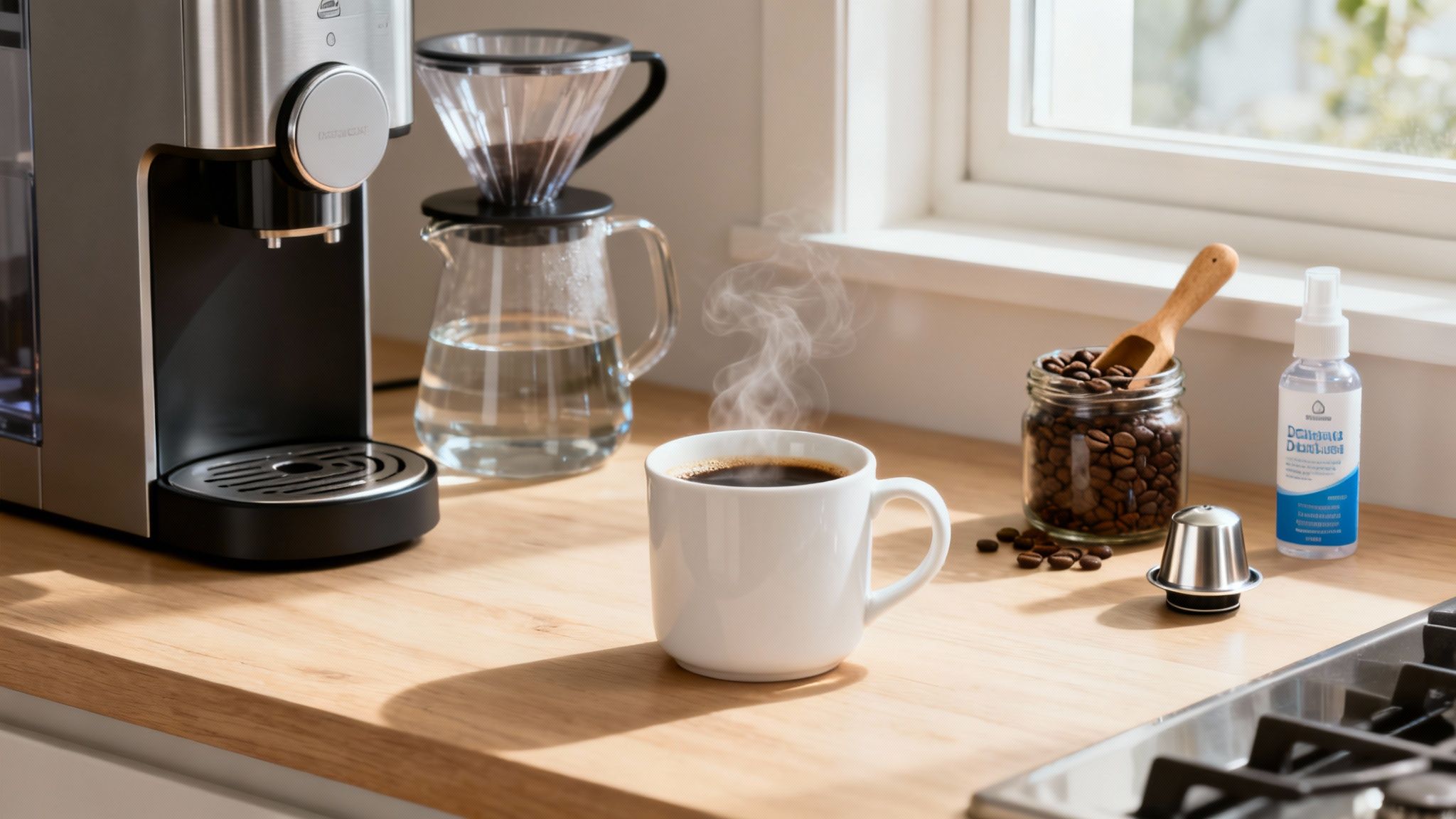
Understanding different brewing methods and mastering the chosen technique is central to how to make coffee taste better at home. Each method offers a unique interaction between water and coffee, yielding distinct flavors and textures.
- French Press: For a full-bodied, rich cup, the French press is excellent. Use a coarse grind and allow a longer immersion time (4-5 minutes). This method retains more of the coffee's natural oils and sediment, contributing to its robust character.
- Pour Over (e.g., Hario V60, Chemex): This method emphasizes clarity and delicate flavors. A medium-fine grind and precise pouring technique (a slow, controlled spiral from the center outwards) are crucial. The bloom phase, where you saturate the grounds with a small amount of water for 30 seconds, is essential to release trapped gases and prepare the coffee for optimal extraction.
- Drip Coffee Maker: While often seen as basic, a good drip machine can produce excellent coffee. Ensure it heats water to the correct temperature and has a showerhead design for even saturation. Use a medium grind and the correct coffee-to-water ratio.
- Espresso: This highly concentrated brew requires specific equipment and a very fine grind, yielding a shot with a rich crema. Mastering espresso at home is a complex endeavor but incredibly rewarding.
- Aeropress: A versatile and forgiving method, the Aeropress can create concentrated shots or full cups. It's known for producing clean, smooth coffee with minimal bitterness, making it a favorite for many seeking how to make coffee taste better at home.
Regardless of your chosen method, consistency in your coffee-to-water ratio is key. A good starting point is a 1:15 to 1:17 ratio (1 gram of coffee to 15-17 ml of water), which you can then adjust to personal preference. Utilizing a kitchen scale to measure both your coffee grounds and water by weight ensures accuracy and repeatable results, a cornerstone for consistently making coffee taste better at home.

Adding the Finishing Touches
Once your coffee is brewed, a few thoughtful additions can further enhance its appeal. While black coffee connoisseurs might argue against any additions, for many, understanding how to make coffee taste better at home involves personalizing the final product.
- Milk or Cream: If you prefer milk, consider warming it gently before adding it to avoid cooling your coffee too quickly. Fresh, high-quality dairy or plant-based alternatives can add creaminess and sweetness without overpowering the coffee’s intrinsic flavors.
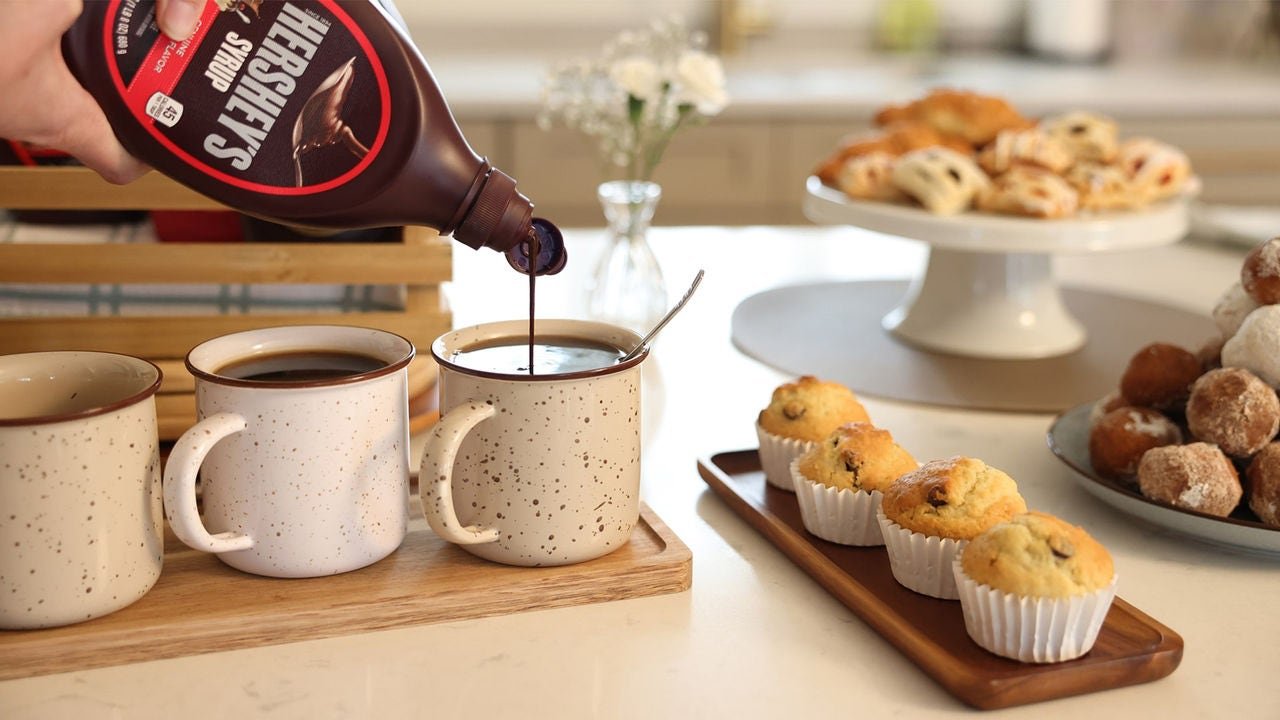
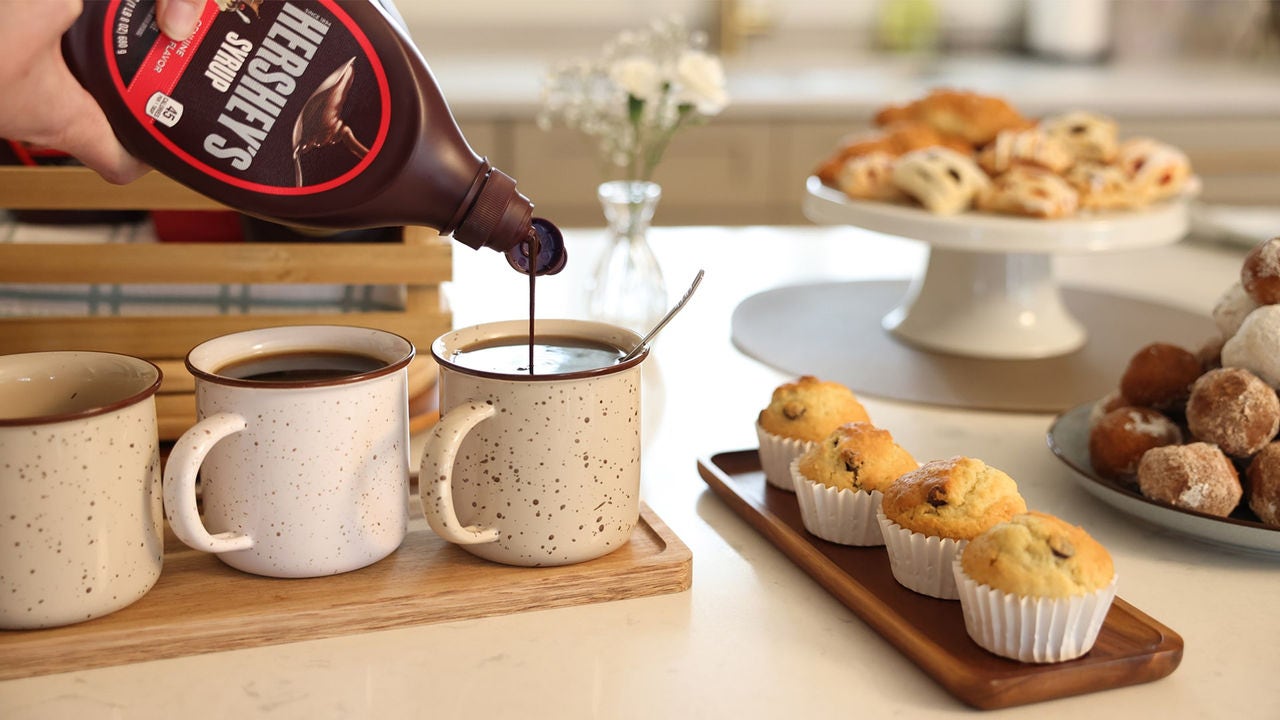
- Sweeteners: Explore options beyond white sugar. A touch of raw sugar, maple syrup, honey, or even a dash of cinnamon or vanilla extract can complement the coffee's profile. Remember, a little goes a long way in highlighting, not hiding, the coffee's natural taste.
- Temperature: Serve your coffee at a pleasant drinking temperature. Extremely hot coffee can mask delicate flavors, while lukewarm coffee loses its vibrancy. A pre-warmed mug can make a surprising difference in maintaining the ideal temperature.
- Mug Choice: Believe it or not, the vessel can influence the experience. A ceramic mug retains heat well and doesn't impart any off-flavors, allowing you to fully appreciate your carefully brewed coffee.

Common Mistakes to Avoid
Even with the best beans and equipment, common pitfalls can undermine your efforts to make coffee taste better at home. Being aware of these can save you from disappointing brews.
- Using Stale Beans: As mentioned, freshness is paramount. Don't buy coffee in bulk if you won't consume it quickly, and always check the roast date.
- Incorrect Grind Size: This is a major culprit for poor extraction. Too fine leads to bitterness, too coarse leads to weakness. Invest in a good burr grinder and adjust for your brewing method.
- Bad Water Quality: If your tap water is chlorinated or has a strong taste, it will directly impact your coffee. Filtered water is a simple yet effective solution.
- Incorrect Water Temperature: Water that’s too cold under-extracts, resulting in sour coffee. Water that’s too hot can over-extract and burn the grounds, leading to bitterness.
- Inconsistent Ratios: Eyeballing coffee and water measurements often leads to inconsistent results. Use a scale for precision.
- Dirty Equipment: Coffee oils build up over time and can turn rancid, imparting an unpleasant taste to subsequent brews. Regularly clean your grinder, brewer, and all accessories.
- Ignoring Bloom: For pour-over methods, the initial "bloom" allows CO2 to escape, preventing sour flavors and promoting even extraction. Don't skip it.
By consciously avoiding these mistakes, you’re well on your way to mastering how to make coffee taste better at home and enjoying a consistently superior cup.
:max_bytes(150000):strip_icc()/How-to-Make-Better-Espresso-Drinks-at-Home-FT-BLOG0625-02-9b5566c8584e4e9f97bd460d92cb4ab6.jpg)
Frequently Asked Questions of how to make coffee taste better at home
How important is the roast date on coffee beans?
The roast date is incredibly important as it indicates the freshness of the beans. Coffee is best consumed within 1-4 weeks of roasting, as stale beans quickly lose their volatile aromatic compounds, resulting in a flat and less flavorful cup.
Can different brewing methods significantly change the taste of coffee?
Absolutely. Each brewing method, from French press to pour over, extracts different compounds from the coffee grounds, leading to unique taste profiles, body, and acidity. Experimenting with methods is key to understanding how to make coffee taste better at home for your preference.
What is the ideal water temperature for brewing coffee?
The ideal water temperature for most brewing methods is between 200°F and 205°F (93°C-96°C). This range effectively extracts desirable flavors without scalding the grounds or under-extracting them, ensuring a balanced cup.
How often should I clean my coffee brewing equipment?
You should clean your coffee brewing equipment after every use to prevent the build-up of coffee oils and residues, which can turn rancid and impart off-flavors to your fresh brew. A deep clean should be performed regularly, depending on usage.
Does adding salt to coffee really improve the taste?
A tiny pinch of salt can sometimes balance out bitterness in coffee, especially if the coffee is over-extracted or naturally very dark roasted. However, it's a technique to use sparingly and with caution, as too much salt will obviously ruin the flavor.
Conclusion
The journey to making coffee taste better at home is a rewarding one, transforming a simple daily routine into an enjoyable craft. By focusing on fundamental principles—fresh, quality beans, precise grinding, clean water, and thoughtful brewing techniques—you gain the power to consistently create exceptional coffee that rivals your favorite cafe. It's about paying attention to details, understanding the science behind the art, and developing your own palate. Don't be afraid to experiment, keep notes on what works, and most importantly, savor the process. Take these insights and start applying them to your next brew; you’ll be amazed at the depth of flavor you can unlock. For further exploration, consider joining online coffee communities or attending local workshops to deepen your expertise and continue refining your perfect cup.

- Are Pod Coffee Machines Healthy? The Unfiltered Truth About Your Daily Cup - September 27, 2026
- Does Gatorade Have Caffeine? Here’s What’s in Each Type - September 26, 2026
- Does Powerade Have Caffeine, or Is That a Myth? - September 26, 2026