
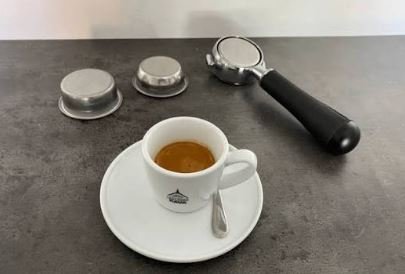
Making a balanced espresso starts with using the right amount of coffee. Too few coffee beans can produce a weak, watery shot, while too many may create an overly concentrated drink or cause extraction problems. One of the most common questions among home baristas and coffee enthusiasts is how many grams of espresso beans are needed for a double shot.
Generally, a double espresso requires 18–20 grams of ground coffee, although the exact amount depends on the basket size, coffee beans, grinder, and brewing preferences. Some traditional recipes use smaller doses, while modern specialty coffee recipes often use around 18 grams or more.
Understanding the correct coffee dose is only one part of the process. You also need to consider the espresso yield, extraction time, grind size, and water temperature to achieve a balanced result. This guide explains how much coffee to use, how to measure it accurately, and how to adjust your recipe for better espresso at home.
How Many Grams of Espresso Beans Do You Need for a Double Shot?
A standard starting point for a modern double espresso is 18 grams of coffee beans, measured before grinding. Depending on your espresso basket and preferred strength, you may use between 16 and 20 grams.
Here is a general guide:
| Espresso Type | Coffee Dose |
|---|---|
| Single espresso | 7–10 grams |
| Double espresso | 16–20 grams |
| Triple espresso | 20–22 grams or more |
These measurements are guidelines rather than universal standards. Different espresso machines come with baskets designed for different coffee doses.
For example, an 18-gram double basket is generally designed to hold approximately 18 grams of ground coffee. Using too much coffee can leave insufficient space between the coffee bed and the shower screen. Using too little may result in an unsuitable puck depth and inconsistent extraction.
It is also worth understanding that espresso recipes measure coffee by weight, not by the number of beans. Bean size and density vary, so counting individual beans is not a reliable way to prepare a consistent shot.
For most home baristas, starting with 18 grams is a practical approach. You can then adjust the dose according to your equipment and taste preferences.
How Much Espresso Does 18 Grams of Coffee Produce?
The amount of ground coffee used is called the dose, while the amount of liquid espresso produced is called the yield.
A common starting point for a double espresso is a 1:2 brewing ratio. This means using twice as much liquid espresso as the weight of the dry coffee dose.
For example:
- 16 grams of coffee produces approximately 32 grams of espresso.
- 18 grams of coffee produces approximately 36 grams of espresso.
- 20 grams of coffee produces approximately 40 grams of espresso.
If you start with 18 grams of coffee, your target yield would be around 36 grams of espresso.
However, not every coffee tastes best at a 1:2 ratio. Some beans produce better results with a shorter or longer extraction.
A 1:1.5 ratio creates a shorter, more concentrated espresso. A 1:2.5 ratio produces a longer shot with more liquid yield.
The ideal ratio depends on the coffee’s roast level, origin, processing method, and flavour profile.
The important thing is to measure both the coffee dose and the final espresso yield. This makes it easier to repeat a successful recipe and identify what needs adjustment.
Does the Type of Espresso Beans Affect the Coffee Dose?
Yes. Different coffee beans can behave differently during espresso extraction. However, the type of bean does not automatically determine the correct dose.
Several factors influence how much coffee you should use.
Arabica Coffee Beans
Arabica beans are often associated with more complex flavour profiles, including fruity, floral, chocolate, and nutty notes. Their density and solubility vary depending on origin, processing, and roasting.
An 18-gram dose can be an effective starting point for many Arabica espresso recipes.
Robusta Coffee Beans
Robusta beans generally contain more caffeine than Arabica and often produce a stronger, more intense flavour with a heavier body.
They are also commonly used in espresso blends to increase crema and add a bold character.
If you use a blend containing Robusta, start with the basket manufacturer’s recommended dose and adjust the grind and extraction ratio according to taste.
Espresso Blends
Many coffee shops use espresso blends that combine beans from different origins or varieties.
These blends are developed to achieve a particular balance of flavour, body, aroma, and crema. Follow the roaster’s recommended brewing recipe when available.
Regardless of the bean type, consistency in weighing and preparation is more important than increasing the coffee dose simply to make espresso stronger.
How to Measure Espresso Beans Accurately
Accurate measurement is one of the easiest ways to improve espresso quality. A small difference in coffee dose can change the brewing ratio and affect the final flavour.
Follow these steps to measure your coffee correctly.
Step 1: Use a Digital Coffee Scale
Choose a digital scale that measures in 0.1-gram increments. This provides better control than measuring coffee with a spoon.
Step 2: Weigh the Whole Beans
Place an empty container on the scale and reset it to zero. Add 18 grams of whole espresso beans.
Step 3: Grind the Coffee
Grind the measured beans immediately before brewing. Fresh grinding helps preserve the coffee’s aroma and flavour.
Step 4: Distribute the Ground Coffee
Transfer the ground coffee into the portafilter basket. Distribute it evenly to reduce the risk of channeling.
Step 5: Tamp Consistently
Use a suitable tamper to create a level and evenly compressed coffee bed.
Step 6: Measure the Espresso Yield
Place a cup on the scale, reset it to zero, and begin extraction. For an 18-gram dose, start by targeting approximately 36 grams of espresso.
Using the same dose and yield each time makes it easier to identify changes in flavour and extraction performance.
What Is the Best Grind Size for a Double Espresso?
Grind size plays a major role in determining how quickly water passes through the coffee puck.
For espresso, coffee should generally be ground fine enough to create resistance against the pressurised brewing water. However, grinding too finely can restrict water flow and produce an over-extracted or uneven shot.
A grind that is too coarse allows water to pass through too quickly, potentially producing an under-extracted espresso.
Here is how different grind settings can affect the result:
| Grind Size | Possible Result |
|---|---|
| Too coarse | Fast extraction, weak or sour flavour |
| Suitable | Balanced extraction and flavour |
| Too fine | Slow extraction, bitter or harsh flavour |
Start with your grinder’s recommended espresso setting and adjust gradually.
If your 18-gram dose produces 36 grams of espresso in 15 seconds and tastes sour or thin, try grinding finer. If the shot takes 40 seconds and tastes harsh, try grinding slightly coarser.
These times are examples, not fixed rules. Always evaluate taste alongside extraction time.
How Long Should You Extract a Double Espresso?
A typical starting point for a double espresso is approximately 25–30 seconds, measured from the beginning of the extraction process.
For example, an 18-gram dose with a 36-gram yield may take around 27 seconds.
However, extraction time varies depending on the coffee, grinder, machine, and brewing recipe.
Consider these general observations:
- Very fast extraction may indicate a coarse grind or uneven distribution.
- Very slow extraction may indicate an excessively fine grind or excessive resistance.
- Uneven extraction may result from poor puck preparation or channeling.
Rather than forcing every espresso shot to finish at exactly 25 or 30 seconds, use time as a diagnostic tool.
Your final goal should be a balanced espresso with the sweetness, acidity, body, and intensity you prefer.
Common Mistakes When Making a Double Espresso
Even when using the correct coffee dose, small preparation mistakes can affect the final drink.
Using the Wrong Basket Size
Not every double-shot basket holds 18 grams. Check the recommended dose for your particular portafilter basket before preparing espresso.
Measuring Coffee Without a Scale
Using tablespoons or scoops can produce inconsistent doses because coffee bean size and grind volume vary.
Grinding Coffee Too Early
Ground coffee loses aromatic compounds more quickly than whole beans. Grinding immediately before extraction helps preserve freshness.
Ignoring the Brewing Ratio
Using 18 grams of coffee without measuring the final yield makes it difficult to repeat the same recipe.
Tamping Unevenly
An uneven coffee bed can encourage channeling, where water follows easier pathways through the puck instead of flowing evenly.
Changing Too Many Variables
If your espresso tastes wrong, avoid changing the dose, grind size, yield, and extraction time simultaneously. Adjust one variable at a time so you can identify what improves the result.
How to Make a Perfect Double Espresso at Home
You do not need expensive equipment to develop a consistent espresso routine. A suitable espresso machine, quality grinder, fresh beans, and digital scale are enough to get started.
Follow this simple recipe:
Ingredients and Equipment
- 18 grams of fresh espresso beans
- Espresso machine
- Burr coffee grinder
- Digital coffee scale
- Double-shot portafilter basket
- Espresso cup
- Coffee tamper
Brewing Instructions
- Weigh 18 grams of whole coffee beans.
- Grind the beans to a fine espresso consistency.
- Place the grounds evenly into the portafilter basket.
- Distribute the coffee to remove uneven areas.
- Tamp the grounds evenly.
- Lock the portafilter into the espresso machine.
- Start the extraction and collect the espresso in a cup.
- Stop the extraction when the scale reaches approximately 36 grams.
- Check the extraction time and taste the espresso.
A reasonable starting target is a 1:2 ratio in approximately 25–30 seconds.
If the espresso tastes too sour, consider adjusting the grind finer or extending the yield slightly. If it tastes excessively bitter, try grinding coarser or shortening the yield.
Make small adjustments until you find a recipe that suits your coffee beans.
Does a Double Espresso Have More Caffeine Than a Single Shot?
Yes, a double espresso generally contains approximately twice as much coffee and caffeine as a single espresso made with the same beans and brewing method.
However, the actual caffeine content varies depending on the coffee species, blend, dose, and extraction conditions.
A single espresso may contain roughly 60–75 mg of caffeine, while a double espresso may provide approximately 120–150 mg.
These figures are estimates, not guaranteed values. Robusta-containing blends may contain considerably more caffeine than Arabica-only coffee.
It is also worth remembering that a double espresso is not necessarily twice as strong in flavour simply because it contains twice as much coffee. Concentration depends on the relationship between the coffee dose and the final liquid yield.
Conclusion
A double espresso generally requires 16–20 grams of coffee beans, with 18 grams being a practical starting point for many modern espresso recipes.
For a balanced shot, begin with 18 grams of coffee and aim for approximately 36 grams of liquid espresso using a 1:2 brewing ratio. An extraction time of around 25–30 seconds is a useful initial reference.
However, the ideal recipe depends on your coffee beans, basket size, grinder, and personal taste. Use a digital scale, grind fresh beans, prepare the coffee puck evenly, and make small adjustments when necessary.
With consistent measurements and a little practice, you can produce a balanced double espresso at home without relying on guesswork.

- Espresso Bar Wedding: Ideas, Setup, Costs, and Tips for a Memorable Coffee Experience - November 11, 2026
- How Many Grams of Espresso Beans for a Double Shot? A Complete Brewing Guide - November 11, 2026
- Brasilia Espresso Machine: Features, Performance, Models, and Buying Guide - November 11, 2026