
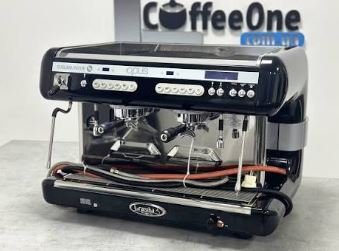
Choosing the right espresso machine can make a significant difference in coffee quality, service speed, and daily operating costs. Whether you run a busy café, manage a restaurant, or want professional coffee-making equipment, finding a reliable machine is essential. The Brasilia espresso machine is an established name in the professional coffee equipment market, known for its Italian heritage, traditional espresso-making approach, and commercial machine designs.
Brasilia offers different types of equipment to meet the needs of coffee businesses, including traditional and fully automatic machines. Its product range focuses on extraction consistency, practical operation, and long-term usability. However, the right choice depends on your expected coffee volume, available space, budget, and preferred brewing style.
This guide explores Brasilia espresso machines, including their key features, performance, popular models, advantages, disadvantages, maintenance requirements, and how they compare with other established brands.
What Is a Brasilia Espresso Machine?
A Brasilia espresso machine is a coffee-making machine produced under the Italian Brasilia brand, which is now part of Bianchi Industry. The brand has a long history in professional coffee equipment and serves businesses such as cafés, restaurants, hotels, and catering operations.
Brasilia machines are designed to prepare espresso by forcing hot water through finely ground, compacted coffee under pressure. Depending on the model, users can control the brewing process manually or rely on programmable settings to achieve consistent results.
The brand offers both traditional and fully automatic machines. Traditional models give baristas greater control over extraction, while automatic systems simplify preparation and reduce the number of manual steps.
Brasilia also develops equipment for different working environments. Smaller operations may need a compact machine, whereas busy coffee shops often require multiple brewing groups and greater production capacity.
Its combination of Italian design, practical controls, and professional brewing technology makes Brasilia a brand worth considering for businesses looking for commercial espresso equipment.
Key Features of Brasilia Espresso Machines
Brasilia espresso machines combine traditional brewing principles with technology designed to improve consistency and simplify daily operation. Although specifications differ between models, several features are worth examining.
Build Quality and Materials
Many commercial Brasilia machines use stainless steel components and durable external construction. These materials are suitable for environments where equipment is used repeatedly throughout the day. Their design also makes routine cleaning easier.
B16 Brewing Unit
One notable technology is the B16 brewing unit, available in selected traditional models. It is designed to maintain thermal stability, helping the machine deliver more consistent extraction temperatures. This can reduce unwanted differences between consecutive espresso shots.
Pre-Infusion Technology
Selected models feature static or electronic pre-infusion. This process wets the coffee grounds before full-pressure extraction begins. Even saturation can help reduce channeling and encourage more balanced extraction.
Boiler and Temperature Management
The boiler system plays an important role in maintaining brewing temperature and supplying steam. Depending on the machine, boiler capacity and configuration vary. Larger commercial models generally provide greater capacity for handling simultaneous brewing and milk preparation.
Steam Wands and Milk Frothing
Steam wands allow baristas to heat and texture milk for cappuccinos, lattes, and other milk-based drinks. Some professional models include insulated Cool Touch steam wands, which help reduce the risk of accidental burns during operation.
Programmable Controls
Selected machines offer programmable coffee doses, electronic controls, and touch displays. These features help staff repeat drink recipes without manually adjusting every extraction.
Overall, the available features depend on the specific model, so checking its technical specifications before purchasing is essential.
Brasilia Espresso Machine Performance and Coffee Quality
An espresso machine should do more than produce hot coffee. It needs to maintain consistent brewing conditions, support efficient service, and allow users to achieve the desired flavour.
Brasilia machines are designed with these requirements in mind, particularly in their professional product range.
Espresso Extraction Quality
Extraction quality depends on several factors, including water temperature, pressure, grind size, coffee dosage, and brewing time. Brasilia’s B16 brewing technology is designed to improve thermal stability, supporting more consistent extraction.
However, the machine alone cannot guarantee excellent espresso. Fresh coffee beans, an appropriate grinder, correct dosing, and proper barista technique remain essential.
Coffee Flavour and Crema
A properly extracted espresso should have a balanced flavour, pleasant aroma, and a stable crema. Consistent brewing temperature and even water distribution can help achieve these qualities.
Brasilia’s pre-infusion technology may also help improve the extraction process by allowing water to reach the coffee grounds more evenly before full brewing pressure is applied.
Service Speed
Commercial models with multiple brewing groups allow baristas to prepare several drinks simultaneously. This is particularly useful during busy morning hours or peak café periods.
Milk-Based Drinks
Steam performance also affects overall productivity. A machine with suitable steam capacity can support milk preparation while other espresso shots are being extracted.
For businesses serving a large number of customers, the combination of brewing consistency and service capacity can make a meaningful difference.
Popular Brasilia Espresso Machine Models
Brasilia has produced several espresso machine models for different commercial applications. Its current product range and older machines available through the second-hand market should be considered separately.
Brasilia BL-100
The BL-100 is a professional traditional espresso machine designed around efficiency and durability. It features the B16 brewing unit, static pre-infusion, and a stainless steel boiler. Available configurations include two-group and three-group versions, with standard and tall-cup options.
Its automatic cleaning function is another useful feature for businesses that want to simplify routine maintenance.
Brasilia BL-300
The BL-300 is another traditional commercial machine available in two-group and three-group configurations. It offers programmable controls, steam wands, and different boiler capacities depending on the configuration.
Its larger versions are suitable for businesses that need additional brewing capacity during busy service periods.
Brasilia BL-500 Dark Edition
The BL-500 Dark Edition combines commercial functionality with a distinctive black finish. Its features include a multifunctional touch display, Cool Touch steam wands, ergonomic filter holders, and adjustable feet.
The display provides access to settings such as group temperature, infusion time, and dispensing time.
Brasilia BL-500 Light Edition
The Light Edition offers another design option within the BL-500 range. It is intended for professional environments where brewing control, workflow, and appearance all matter.
Older Models: Portofino and Century
Portofino and Century are examples of older Brasilia models that may still be found in the used-equipment market. Their specifications, condition, and replacement-part availability can vary considerably.
Before purchasing an older machine, check its boiler condition, electrical components, pump, group heads, and maintenance history.
Brasilia Espresso Machine: Pros and Cons
Every espresso machine has strengths and limitations. Understanding both sides helps buyers make a more practical purchasing decision.
Pros
- Professional design: Many Brasilia models are built for commercial coffee preparation.
- Consistent extraction: Selected models use B16 brewing technology to support thermal stability.
- Multiple configurations: Different group options allow businesses to select suitable production capacity.
- Barista control: Traditional machines offer greater control over the espresso preparation process.
- Useful automation: Programmable dosing and automatic cleaning are available on selected models.
- Milk preparation: Professional steam wands support cappuccinos, lattes, and other drinks.
- Italian heritage: The brand has an established history in professional espresso equipment.
Cons
- Initial investment: Commercial espresso machines can require a substantial upfront budget.
- Installation requirements: Some models need dedicated electrical connections and a direct water supply.
- Learning curve: Traditional machines require training and practice to achieve consistent results.
- Maintenance costs: Pumps, valves, seals, and other components may eventually need replacement.
- Model availability: Older machines may be difficult to source in some markets.
- Service dependency: Repair quality and spare-part availability depend on the local distributor or technician.
The biggest consideration is whether the machine’s capacity and operating costs match your actual business requirements.
How to Choose the Right Brasilia Espresso Machine
Selecting the right Brasilia espresso machine requires more than comparing appearance and price. Consider the following factors before making a purchase.
1. Identify Your Daily Coffee Volume
Estimate how many espresso-based drinks you expect to serve each day. A small café may operate comfortably with a two-group machine, while a high-volume coffee shop may benefit from a larger configuration.
2. Choose the Appropriate Group Configuration
Single-group machines are suitable for smaller operations, while two-group and three-group machines provide greater flexibility for multiple orders.
Consider peak-hour demand rather than relying only on average daily sales.
3. Check Boiler Capacity
Boiler capacity affects the machine’s ability to support brewing and steam production. Compare the technical specifications and understand how the machine performs under continuous use.
4. Consider Your Staff’s Experience
Traditional machines require trained operators who understand grinding, tamping, extraction, and milk texturing. If your staff has limited experience, programmable controls or fully automatic equipment may be more practical.
5. Evaluate Installation Requirements
Check the electrical supply, water connection, drainage requirements, counter dimensions, and ventilation before ordering.
6. Compare Total Ownership Costs
Do not focus only on the purchase price. Include installation, water filtration, maintenance, replacement parts, electricity, and servicing when calculating the total cost.
A suitable machine should meet your operational needs without creating unnecessary expenses.
Cleaning and Maintenance of Brasilia Espresso Machines
Regular maintenance is necessary to protect espresso quality and extend equipment life. Coffee oils, milk residue, and mineral deposits can affect performance if they are not removed properly.
Daily Cleaning
Clean the portafilters, baskets, group-head areas, and drip tray at the end of each working day. Flush the group heads according to the manufacturer’s instructions and wipe the steam wands immediately after preparing milk.
Backflushing
For compatible machines, backflushing with an appropriate espresso-machine cleaning detergent helps remove accumulated coffee oils and residue from the group-head system. Follow the specific model’s cleaning instructions.
Steam Wand Maintenance
Milk residue can block steam-wand openings and create hygiene problems. Purge the wand after use and clean its exterior with a dedicated cloth.
Water Quality and Descaling
Hard water can cause mineral deposits inside the boiler and water circuits. Use an appropriate water filtration system and follow the manufacturer’s recommendations for descaling.
Avoid unnecessary chemical descaling, especially when the machine requires professional servicing.
Professional Inspection
Arrange periodic inspections of pumps, pressure settings, seals, valves, electrical connections, and boiler components.
Consistent maintenance reduces the risk of unexpected breakdowns and helps maintain reliable daily operation.
Brasilia vs. Other Espresso Machine Brands
Comparing Brasilia with other manufacturers can help buyers understand which equipment best matches their requirements.
Brasilia vs. La Marzocco
La Marzocco is widely recognised in specialty coffee and professional café environments. Brasilia also offers commercial espresso equipment with an emphasis on practical operation and extraction technology.
The better choice depends on the required specifications, available budget, local servicing, and the preferences of the barista team.
Brasilia vs. Rancilio
Rancilio offers espresso machines for both professional and smaller-scale applications. Its commercial range includes established equipment designed for demanding coffee operations.
Brasilia competes through its own traditional brewing technology and commercial configurations. Buyers should compare specific models rather than assuming one brand is automatically better.
Brasilia vs. Nuova Simonelli
Nuova Simonelli is another established name in professional espresso equipment. Its machines are designed for commercial coffee preparation, with options for different service environments.
Brasilia and Nuova Simonelli both offer equipment for professional operators. The decision should depend on group configuration, workflow, temperature management, maintenance access, and price.
Which Brand Should You Choose?
There is no universal winner. Compare machines with similar capacities and technical specifications. Local distributor support and spare-part availability can be more important than small differences in advertised features.
Common Brasilia Espresso Machine Problems and Solutions
Even well-maintained commercial espresso machines can develop problems over time. Recognising common symptoms can help operators respond before a minor issue becomes a major repair.
Low or Inconsistent Brewing Pressure
Possible causes include pump problems, water-supply restrictions, leaks, or incorrect pressure settings. Check the water supply and contact a qualified technician if the problem continues.
Water Leakage
Worn seals, loose connections, damaged hoses, or valve problems may cause leakage. Turn off the machine when necessary and arrange an inspection rather than continuing to operate it with an active leak.
Weak Steam Performance
Low steam output may result from insufficient boiler pressure, mineral deposits, or a blocked steam tip. Clean the steam wand and have the boiler system inspected if performance does not improve.
Inconsistent Coffee Temperature
Temperature variations can affect extraction quality. Potential causes include heating-system faults, temperature-control issues, or inadequate maintenance. A technician should inspect the relevant components.
Poor Espresso Taste
Bitter, sour, or weak espresso does not necessarily indicate a machine fault. Incorrect grind size, stale beans, inconsistent dosing, and unsuitable extraction time are common causes.
Check the grinder and brewing recipe before arranging machine repairs.
Is a Brasilia Espresso Machine Worth Buying?
A Brasilia espresso machine can be a worthwhile investment for cafés, restaurants, hotels, and other businesses that need professional coffee equipment.
Its traditional machines offer features such as B16 brewing technology, pre-infusion, programmable controls, and different group configurations. These features can support consistent espresso preparation and efficient commercial service.
However, the right purchase depends on your business requirements. A small café does not necessarily need a large three-group machine, while a busy coffee shop may find a smaller configuration restrictive.
Before buying, compare the machine’s specifications, purchase price, service availability, warranty, and replacement-part costs. If you are considering a used model, arrange a proper technical inspection.
For businesses that need professional brewing equipment with practical controls and suitable commercial capacity, Brasilia deserves consideration. The best model is the one that matches your daily workload, available budget, and long-term operating requirements.
Conclusion
Brasilia espresso machines offer a combination of Italian coffee-making heritage, professional brewing technology, and practical commercial features. From the BL-100 to the BL-500 series, the range provides options for different operating environments.
Before choosing a machine, evaluate its brewing capacity, maintenance requirements, installation needs, and local service support. A carefully selected Brasilia machine can become a useful part of a café’s daily operation while helping baristas deliver consistent espresso-based drinks.

- Espresso Bar Wedding: Ideas, Setup, Costs, and Tips for a Memorable Coffee Experience - November 11, 2026
- How Many Grams of Espresso Beans for a Double Shot? A Complete Brewing Guide - November 11, 2026
- Brasilia Espresso Machine: Features, Performance, Models, and Buying Guide - November 11, 2026