
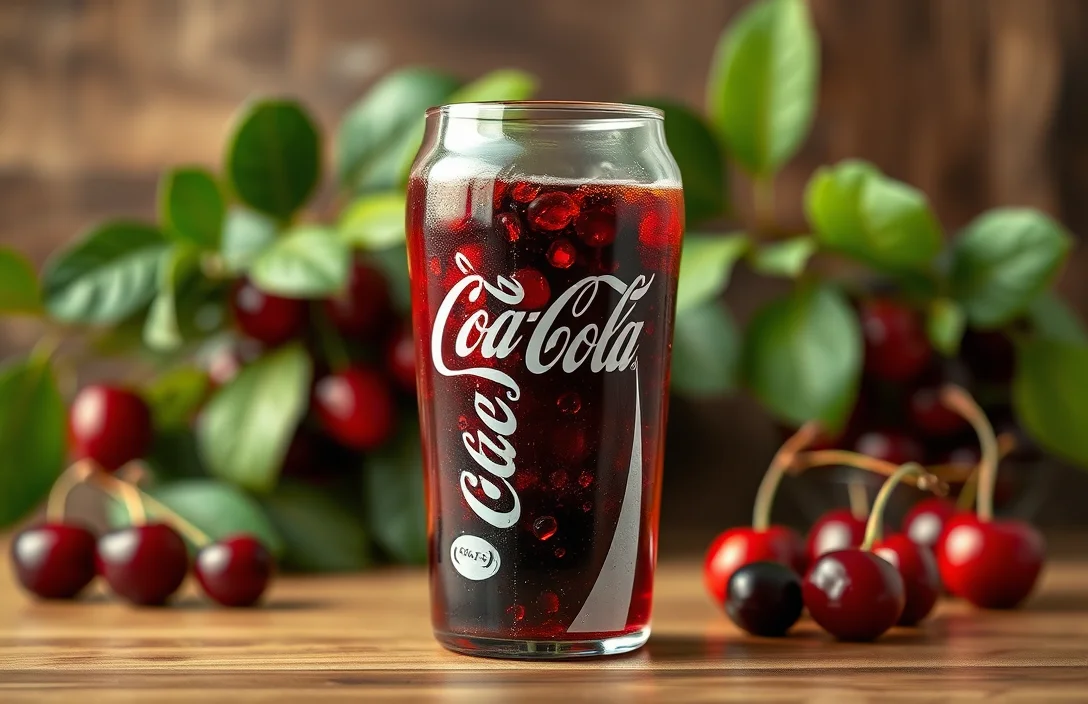
Cherry Coke contains approximately 34 milligrams of caffeine per 12-ounce can, making it a moderate choice for those seeking a caffeine boost. Despite its sweetness, it provides a notable amount of caffeine, appealing to both soda lovers and caffeine enthusiasts alike.
Key points: Cherry Coke has 34 mg of caffeine in a 12 oz can. This amount is less than traditional cola but more than most non-cola sodas.
Caffeine Content in Cherry Coke
A standard 12-ounce can of Cherry Coke contains approximately 34 milligrams of caffeine. This amount is relatively low compared to other caffeinated beverages, making it a mild option for those sensitive to caffeine. Understanding this caffeine content can assist consumers in making informed choices about their beverage consumption.
Comparatively, a typical cup of brewed coffee contains around 95 milligrams of caffeine per 8-ounce serving. This stark difference illustrates that Cherry Coke serves as a lighter alternative for those who enjoy a sweet, carbonated drink without a significant caffeine buzz. Knowing the specific amount helps in balancing daily caffeine intake.
For individuals monitoring their caffeine consumption, Cherry Coke can be a suitable addition to a diet. By accounting for the 34 milligrams in a serving, drinkers can effectively manage their overall caffeine consumption alongside other sources. This awareness is vital for maintaining health and wellness, especially for those with caffeine sensitivities or restrictions.
Ingredients of Cherry Coke
Cherry Coke contains specific ingredients that affect its caffeine levels. Carbonated water serves as the primary base, providing the refreshing fizz. High fructose corn syrup adds sweetness to the beverage, contributing to its overall flavor profile. Natural and artificial flavors create that distinctive cherry taste.
Caffeine, a key ingredient, provides the stimulating effect associated with this drink. Phosphoric acid enhances the tartness, balancing the sweetness and contributing to its unique taste. Citric acid serves as a preservative while also adding a slight tang.
Coloring agents, such as caramel color, give Cherry Coke its rich hue. Preservatives like potassium benzoate help maintain freshness. Each of these components plays a role in the overall composition, indirectly influencing how much caffeine in a cherry coke contributes to its unique appeal.
Health Effects of Caffeine Consumption
Caffeine consumption can enhance alertness and concentration. Many people experience increased focus and improved cognitive performance after intaking caffeine. This effect can be particularly beneficial for tasks requiring sustained attention, making it a popular choice for students and professionals alike.
Moderation plays a crucial role in maintaining health. Excessive caffeine intake can lead to negative side effects such as insomnia, jitteriness, and increased heart rate. Monitoring daily consumption is essential to avoid these potential downsides while still enjoying the benefits.
Individual tolerance levels vary significantly. Some individuals metabolize caffeine quickly, while others may feel its effects more intensely. Understanding personal limits can help in determining how much caffeine, including that found in beverages like Cherry Coke, is appropriate for each person.
Long-term effects are still under research. While moderate caffeine consumption is generally deemed safe, its long-term implications on health require further investigation. Keeping updated with reliable studies helps consumers make informed choices about their caffeine intake.
Overall well-being can be influenced by lifestyle choices. Incorporating physical activity and a balanced diet alongside moderate caffeine consumption promotes a healthier lifestyle. Recognizing the role of caffeine in overall wellness can lead to better health outcomes.
Decaffeinated Cherry Coke Options
Decaffeinated Cherry Coke does not currently exist as an official product. Consumers seeking low-caffeine alternatives will need to consider other options. While Cherry Coke contains caffeine, alternatives like caffeine-free cola varieties can provide a similar taste without the caffeine kick.
Seeking alternatives, you might find brands that offer caffeine-free cherry-flavored sodas. These products mimic the taste profile of Cherry Coke, allowing for enjoyment without the stimulating effects of caffeine. Popular brands often include cherry varieties that are completely caffeine-free.
Exploring homemade options could be another path. Mixing regular cherry soda with a caffeine-free cola may achieve a similar flavor profile while reducing overall caffeine intake. This DIY approach gives you control over the taste and caffeine content.
Considering flavored sparkling waters is also beneficial. Many sparkling water brands offer cherry or berry flavors that are naturally caffeine-free. These beverages provide a refreshing alternative without compromising on taste.
Another option includes fruit juice mixed with soda water. Combining cherry juice with carbonated water creates a fizzy, caffeine-free drink that satisfies cravings while remaining healthy. This blend can be customized to suit personal preferences.
Comparative Analysis with Other Caffeinated Soft Drinks
Compare caffeine per 12-oz serving: If you wonder how much caffeine in a cherry coke, it’s about 34 mg per 12‑oz can. That places it equal to classic cola, lower than citrus sodas and well below most energy drinks. Use serving size to scale intake: 20‑oz ≈56 mg; 7.5‑oz ≈21 mg; pick smaller servings to reduce intake.
| Drink | Caffeine per 12 oz (mg) |
| Cherry Coke | 34 |
| Coca-Cola Classic | 34 |
| Pepsi | 38 |
| Diet Coke | 46 |
| Mountain Dew | 54 |
| Dr Pepper | 41 |
| Typical energy drink (12‑oz equiv.) | ~110 |
Daily Caffeine Intake Guidelines
Experts recommend limiting daily caffeine consumption to 400 mg for most adults. This amount is generally considered safe and can help prevent potential side effects such as nervousness, insomnia, and increased heart rate. A standard 12-ounce Cherry Coke contains about 34 mg of caffeine, making it a moderate choice within this daily limit.
Monitoring your intake is crucial, especially for sensitive individuals. Pregnant women, for example, should aim for no more than 200 mg daily. It’s important to account for caffeine from all sources, including coffee, tea, and energy drinks, to avoid exceeding recommended limits.
Planning your caffeine consumption can enhance your overall well-being. For those who enjoy Cherry Coke, consider balancing it with water or herbal teas throughout the day. This strategy not only helps manage caffeine levels but also promotes hydration.
Tracking your caffeine intake can be beneficial. Keeping a log of beverages consumed can help you stay within recommended guidelines. Awareness of your personal reaction to caffeine can also inform your consumption choices, ensuring you enjoy your drinks without adverse effects.
Common Myths Surrounding Caffeine
Caffeine does not cause dehydration. Many believe that diuretics lead to water loss, but studies show that moderate caffeine intake does not significantly impact hydration levels. Enjoying Cherry Coke in moderation will not dehydrate you as long as it is part of a balanced diet.
Another misconception is that caffeine intake leads to increased heart rate or blood pressure in everyone. While some individuals may experience a temporary increase, most people do not have adverse effects. Regular consumers of caffeine often develop a tolerance, resulting in fewer side effects over time.
Many assume that caffeine consumption boosts metabolism dramatically. While it can slightly elevate metabolic rate, the effects are minimal compared to other factors like diet and exercise. Relying solely on caffeinated beverages for weight management is ineffective.
Some people think caffeine makes you smarter. Although caffeine can enhance alertness and concentration temporarily, it does not improve overall intelligence or cognitive abilities. Focus and productivity can certainly benefit from a moderate intake.
Finally, many believe that all caffeinated beverages contain similar caffeine levels. Cherry Coke, for instance, has a specific amount of caffeine per serving, which differs from other sodas and energy drinks. Understanding these variations helps consumers make informed choices regarding their caffeine consumption.
Quick Summary
- A standard 12-ounce (355 ml) can of Cherry Coke contains approximately 34 mg of caffeine.
- This caffeine content is lower than that of a regular cola, which typically has around 39 mg per 12-ounce serving.
- Cherry Coke’s caffeine level is significantly less than that of a cup of coffee, which can contain 95 mg or more per 8-ounce cup.
- Caffeine levels may vary slightly depending on the specific product and formulation.
- Cherry Coke is often enjoyed for its unique flavor profile, combining cherry and cola tastes.
- Moderate consumption of Cherry Coke is generally considered safe for most individuals.
- Always check the nutritional label for the most accurate caffeine content information.
Frequently Asked Questions
How much caffeine is in Cherry Coke?
Cherry Coke contains approximately 34 mg of caffeine per 12-ounce (355 ml) serving. This is slightly less than the caffeine content found in a regular Coca-Cola, which has around 39 mg per the same serving size.
Is Cherry Coke caffeine-free?
No, Cherry Coke is not caffeine-free. However, there is a caffeine-free version available for those who want to enjoy the flavor without the caffeine.
How does the caffeine in Cherry Coke compare to other sodas?
Compared to other sodas, Cherry Coke contains a moderate amount of caffeine. For instance, Diet Coke has about 46 mg per 12 ounces, while Mountain Dew has around 54 mg, making Cherry Coke a lower-caffeine option among popular sodas.
Can I find Cherry Coke in different caffeine levels?
While there isn’t a standard variety of Cherry Coke with varying caffeine levels, you can find the regular version and the caffeine-free version. Always check the label for specific information on caffeine content.
Does the caffeine in Cherry Coke affect everyone the same way?
Caffeine sensitivity varies from person to person. Some individuals may feel more alert or energetic after consuming caffeinated beverages, while others might experience jitters, anxiety, or difficulty sleeping. It’s best to pay attention to how your body reacts to caffeine.

- Are Pod Coffee Machines Healthy? The Unfiltered Truth About Your Daily Cup - September 27, 2026
- Does Gatorade Have Caffeine? Here’s What’s in Each Type - September 26, 2026
- Does Powerade Have Caffeine, or Is That a Myth? - September 26, 2026