
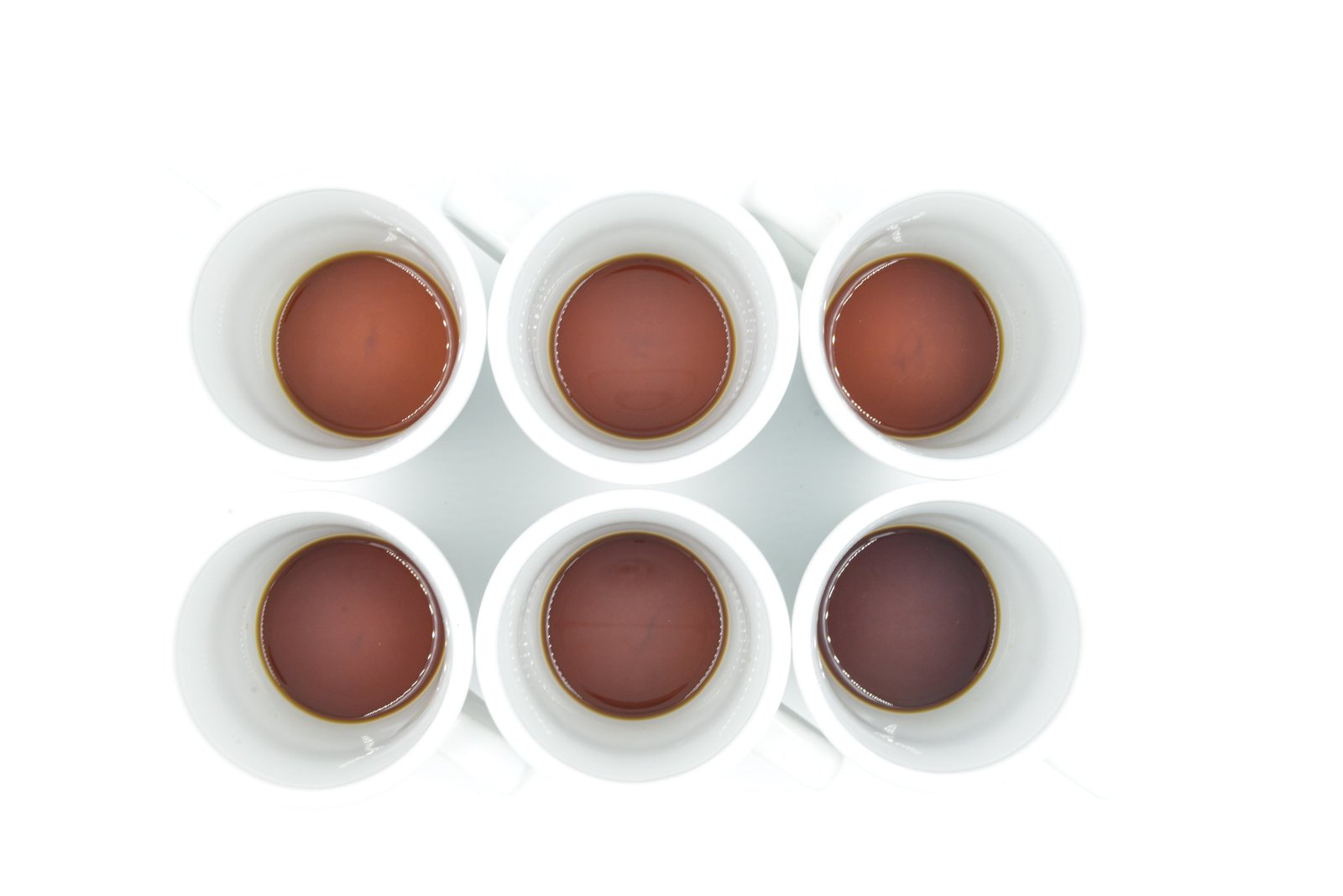
Brewing light roast coffee requires precise temperature, grind size, and extraction time to highlight its nuanced flavors.
Mastering how to brew light roast coffee can transform your daily ritual, unlocking a spectrum of vibrant, often fruity or floral notes that distinguish these beans from their darker counterparts. As a seasoned coffee enthusiast and professional brewer, I've spent countless hours experimenting with various methods and variables to consistently achieve that perfect cup. This comprehensive guide is designed to share those insights, demonstrating a deep understanding of the intricacies involved in extracting the very best from light roast beans and impressing upon you the rewarding journey of exploring their full potential.

Understanding Light Roast Coffee
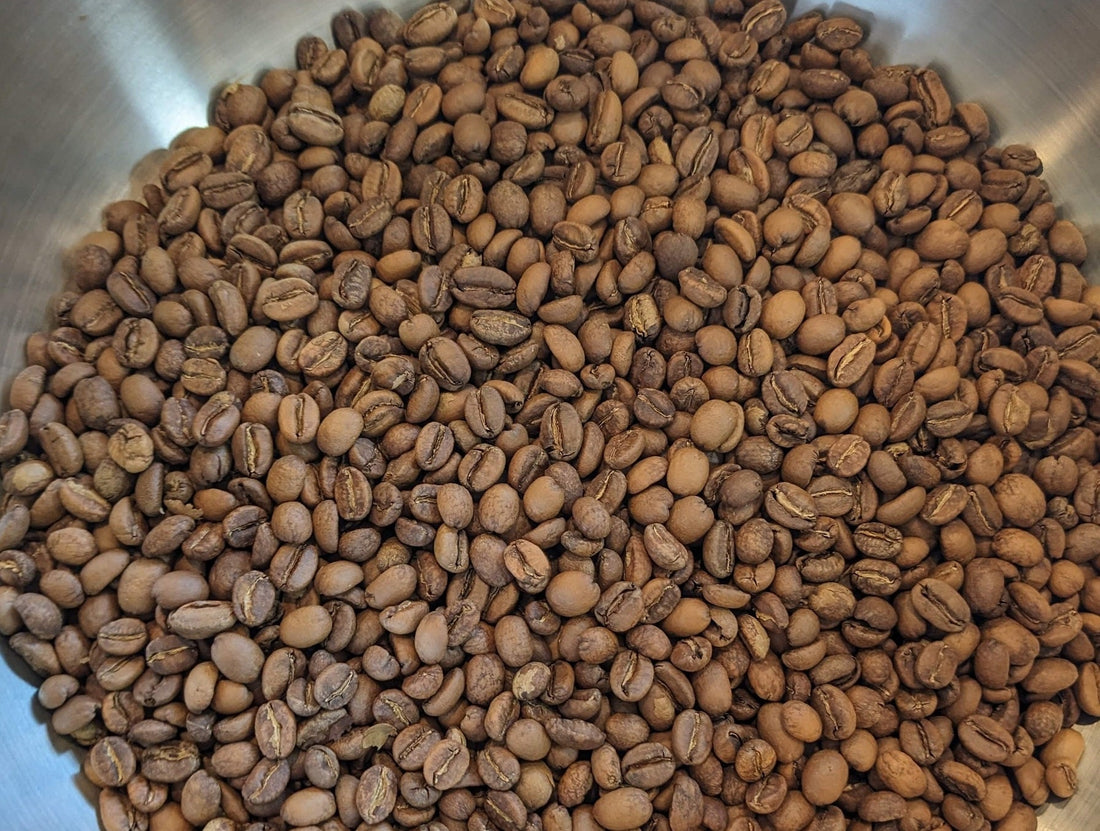
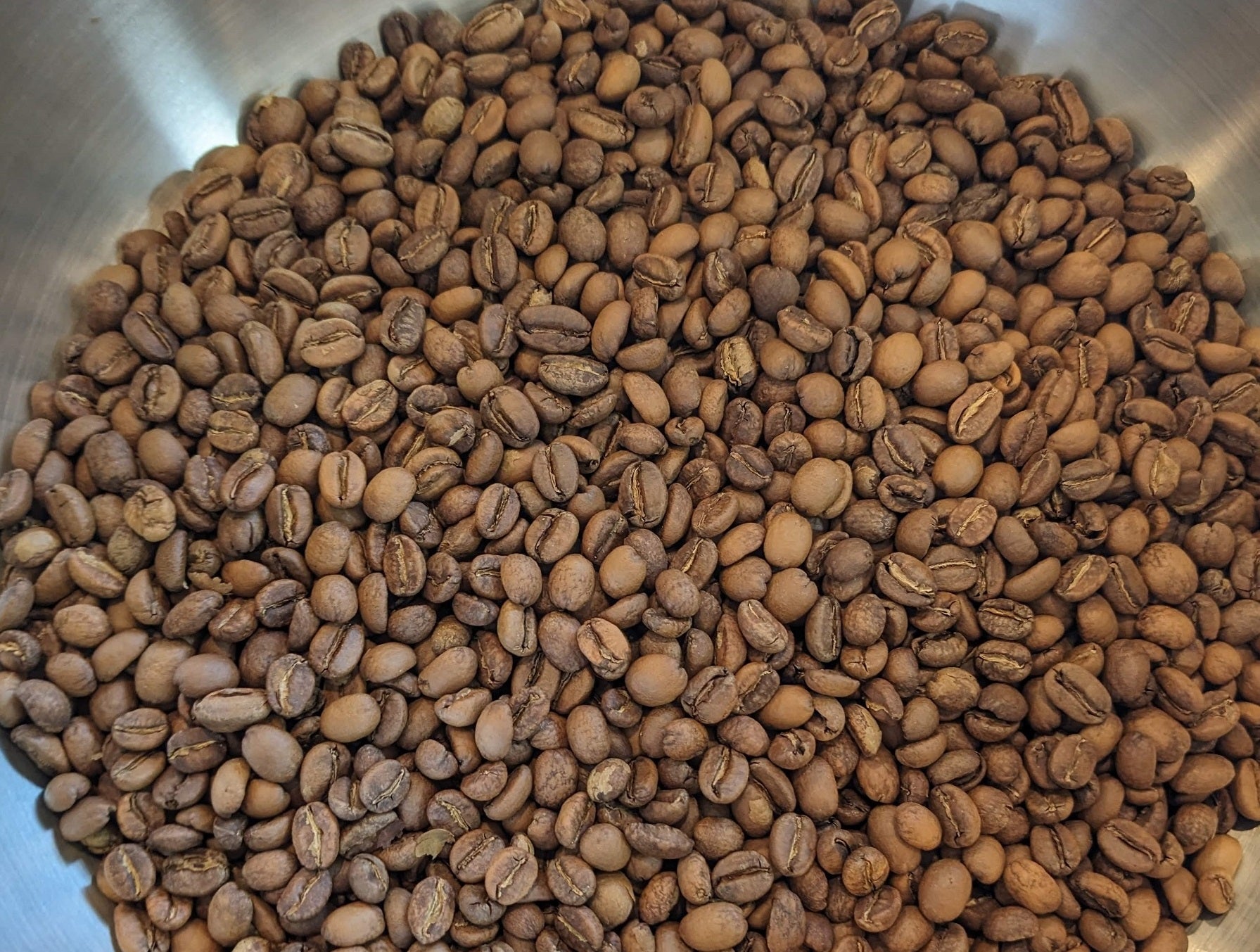
Light roast coffee beans are minimally roasted, preserving more of their original characteristics, including higher acidity and the inherent flavors of the coffee cherry. Unlike dark roasts, which derive much of their flavor from the roasting process itself, light roasts showcase the terroir and varietal nuances of the bean. Think of it as a delicate wine; the goal is to highlight the subtle distinctions rather than mask them. This unique profile means that how to brew light roast coffee effectively demands a different approach than brewing darker roasts. We're aiming for clarity and balance, allowing those intricate flavors to shine without being underdeveloped or overwhelming.

Essential Tools and Equipment
To consistently achieve an exceptional cup when learning how to brew light roast coffee, having the right tools is paramount. Precision and consistency are key. Here's what I consider indispensable:
- High-Quality Burr Grinder: This is non-negotiable. A burr grinder ensures uniform particle size, which is crucial for even extraction. Blade grinders create inconsistent "dust" and "boulders," leading to unpredictable flavors. For light roasts, especially, grind consistency directly impacts the ability to properly extract those delicate notes.
- Accurate Scale: Measuring coffee and water by weight, not volume, provides unparalleled precision. A good scale (to 0.1 gram accuracy) is fundamental for maintaining your desired brew ratio.
- Temperature-Controlled Kettle: Water temperature significantly affects extraction. Light roasts often benefit from slightly hotter water than darker roasts to fully develop their flavors. A kettle with precise temperature settings allows you to hit the sweet spot consistently.
- Preferred Brewing Device: While many methods work, pour-over (e.g., Hario V60, Chemex) and AeroPress are often favored for light roasts due to their ability to highlight clarity and delicate flavors. A French press can also work, but requires careful technique to avoid over-extraction of fines.
- Fresh, Filtered Water: Coffee is 98% water, so its quality profoundly impacts the final taste. Filtered water free from impurities or excessive minerals is crucial for a clean, vibrant cup.
Key Variables for Brewing Light Roast Coffee
Mastering how to brew light roast coffee hinges on manipulating specific variables to achieve optimal extraction. Each element plays a critical role in unlocking the bean's full flavor potential.
Grind Size
For light roasts, the grind size is a delicate balance. Generally, a medium-fine to medium grind is recommended for most pour-over methods, slightly finer than what you might use for a medium roast. The goal is to maximize the surface area for extraction without creating excessive fines that can lead to bitterness or clogging. If your coffee tastes sour or watery, your grind might be too coarse; if it's bitter or astringent, it might be too fine.
Water Temperature
Light roasts often require slightly hotter water than darker roasts to effectively extract their dense cell structure and complex acids. I typically aim for water between 200°F and 208°F (93°C-98°C). If the water is too cool, the coffee can taste underdeveloped and sour. Too hot, and you risk burning the delicate compounds, resulting in a flat or overly bitter cup.
Coffee-to-Water Ratio
The ideal ratio is often a matter of personal preference, but a common starting point for how to brew light roast coffee is a 1:15 to 1:17 coffee-to-water ratio. This means for every 1 gram of coffee, you use 15 to 17 grams of water. For example, if you're using 20 grams of coffee, you'd use 300-340 grams of water. Adjusting this ratio can influence the strength and intensity of your brew.
Brewing Time
Brewing time is intrinsically linked to grind size and water temperature. For methods like pour-over, a total brew time of 2:30 to 3:30 minutes is a good range for light roasts. Shorter times often indicate under-extraction, leading to sourness. Longer times can mean over-extraction, resulting in bitterness or dryness. My personal experience has shown that a slightly longer contact time within this range can often coax out more sweetness and complexity from these denser beans.

Brewing Methods for Light Roast Coffee
While many methods can be adapted, certain brewing techniques excel at showcasing the nuanced profile of light roast coffee. Each method offers a unique approach to how to brew light roast coffee, emphasizing different characteristics.
Pour Over (Hario V60, Chemex)
The pour-over method is a favorite among baristas for light roasts due to its ability to highlight clarity, acidity, and delicate aromatics. The conical shape of a V60, for instance, allows for a deeper coffee bed and a faster draw-down, promoting a clean cup.
- Steps:
- Heat filtered water to 200-208°F (93-98°C).
- Grind your light roast beans to a medium-fine consistency.
- Rinse the paper filter thoroughly with hot water to remove any paper taste and preheat the brewer.
- Add your ground coffee to the filter and gently shake to level the bed.
- Bloom (0:00-0:45): Pour about twice the weight of coffee in water (e.g., 40g water for 20g coffee) evenly over the grounds. Let it sit for 30-45 seconds to allow the coffee to degas and prepare for extraction.
- Main Pour (0:45-2:30): Slowly and evenly pour the remaining water in concentric circles, avoiding the edges of the filter. Aim for a gentle, continuous stream.
- Drawdown (2:30-3:30): Allow the water to completely pass through the coffee bed. The total brew time should ideally fall within this window.
AeroPress
The AeroPress is incredibly versatile and can produce a full-bodied yet clean cup, making it an excellent choice for how to brew light roast coffee, especially when you want control over immersion.
- Steps (Inverted Method, common for light roasts):
- Heat filtered water to 195-205°F (90-96°C).
- Grind your light roast beans to a medium-fine consistency.
- Assemble the AeroPress in the inverted position.
- Add your ground coffee to the chamber.
- Pour hot water slowly and evenly over the grounds, ensuring all are saturated.
- Stir gently for about 10 seconds to ensure even saturation.
- Place the filter cap with a rinsed paper filter onto the chamber.
- After an immersion time of 1:00 to 1:30 minutes (adjust to taste), flip the AeroPress onto your mug.
- Slowly and steadily press down the plunger for 20-30 seconds.
Troubleshooting Common Brewing Issues
When you're dedicated to understanding how to brew light roast coffee, you'll inevitably encounter some challenges. Here's how to address the most frequent issues:
- Sour/Under-extracted Coffee: This is a very common complaint with light roasts. If your coffee tastes thin, overly acidic, or reminiscent of lemons, it's likely under-extracted.
- Solution: Try grinding finer, increasing your water temperature, or extending the brew time slightly. Ensure a proper bloom, allowing all gases to escape before the main pour.
- Bitter/Astringent Coffee: If your coffee has a drying sensation on your tongue, a harsh aftertaste, or tastes burnt, it's probably over-extracted.
- Solution: Try grinding coarser, slightly reducing your water temperature, or decreasing the brew time. Ensure your pouring technique isn't disturbing the coffee bed too aggressively.
- Weak/Watery Coffee: This could stem from several factors, making the pursuit of how to brew light roast coffee feel elusive.
- Solution: Increase your coffee-to-water ratio (use more coffee), grind finer, or ensure your water temperature is adequate to facilitate proper extraction.
- Muddiness/Sediment: While some sediment is normal, excessive muddiness can impact the clarity of a light roast.
- Solution: Check your grinder for consistency. A consistent grind is vital. For pour-overs, ensure your filter is seated correctly, and for French presses, ensure your mesh filter is clean and intact.

Maximizing Flavor and Enjoyment
Beyond the technical aspects of how to brew light roast coffee, several practices can elevate your overall enjoyment and help you truly appreciate these nuanced beans.
- Use Freshly Roasted Beans: Coffee is a perishable product. For light roasts, using beans roasted within 1-3 weeks is ideal. Stale beans will taste flat and lack vibrancy, regardless of your brewing expertise. Always check the roast date!
- Store Beans Properly: Keep your beans in an airtight container, away from light, heat, and moisture. Avoid storing them in the refrigerator or freezer unless you plan to keep them for a very long time and thaw them carefully. Oxygen is the enemy of fresh coffee.
- Experiment with Water Quality: While filtered water is a must, different mineral compositions can surprisingly alter flavor. Some companies offer specific water packets designed to optimize coffee brewing. In my own brewing journey, I’ve found that even slight changes in water mineral content can dramatically shift the perception of acidity and sweetness in light roasts.
- Taste, Adjust, and Document: The most important tip for how to brew light roast coffee is to develop your palate. Taste your coffee, identify what you like or dislike, and make small, incremental adjustments. Keep a brewing journal to track your parameters (grind size, water temperature, ratio, time) and the resulting taste notes. This systematic approach will help you learn and refine your technique.
- Explore Single Origin Beans: Light roasts often shine brightest when they are single-origin, meaning they come from a specific farm or region. This allows you to experience the unique characteristics of that particular bean without blending.
Frequently Asked Questions
Why does my light roast coffee taste sour?
Sourness in light roast coffee typically indicates under-extraction. This often happens because the grind is too coarse, the water temperature is too low, or the brewing time is too short, preventing the full development of soluble coffee compounds.
What is the best water temperature for brewing light roast coffee?
The ideal water temperature for brewing light roast coffee is generally between 200°F and 208°F (93°C-98°C). This higher temperature helps effectively extract the dense cell structure and complex acids characteristic of light roasted beans.
Can I use a French press for light roast coffee?
Yes, you can use a French press for light roast coffee, but it requires careful technique. A coarser grind and a slightly shorter immersion time might be necessary to avoid over-extraction and muddiness, preserving the clarity of the delicate flavors.
How coarse should the grind be for light roast coffee?
For most light roast brewing methods like pour-over, a medium-fine to medium grind consistency is recommended. It should resemble table salt for pour-over, and slightly coarser for French press, to ensure optimal extraction without bitterness.
How long should I brew light roast coffee?
The brewing time for light roast coffee varies by method but typically ranges from 2:30 to 3:30 minutes for pour-over, and 1:00 to 2:00 minutes for full immersion methods like AeroPress. Adjusting this time, alongside grind size, is crucial for balanced flavor.
Conclusion
Mastering how to brew light roast coffee is a rewarding endeavor that opens up a world of complex and vibrant flavors. By paying close attention to critical variables like grind size, water temperature, brew ratio, and extraction time, and by utilizing the right tools, you can consistently unlock the unique characteristics that make light roasts so appealing. Don't be afraid to experiment, taste critically, and document your findings. The journey of refining your brewing technique is as enjoyable as the perfect cup it produces. Dive deeper into the art of coffee, explore different origins, and share your experiences to discover even more about what makes your perfect cup.

- Are Pod Coffee Machines Healthy? The Unfiltered Truth About Your Daily Cup - September 27, 2026
- Does Gatorade Have Caffeine? Here’s What’s in Each Type - September 26, 2026
- Does Powerade Have Caffeine, or Is That a Myth? - September 26, 2026