
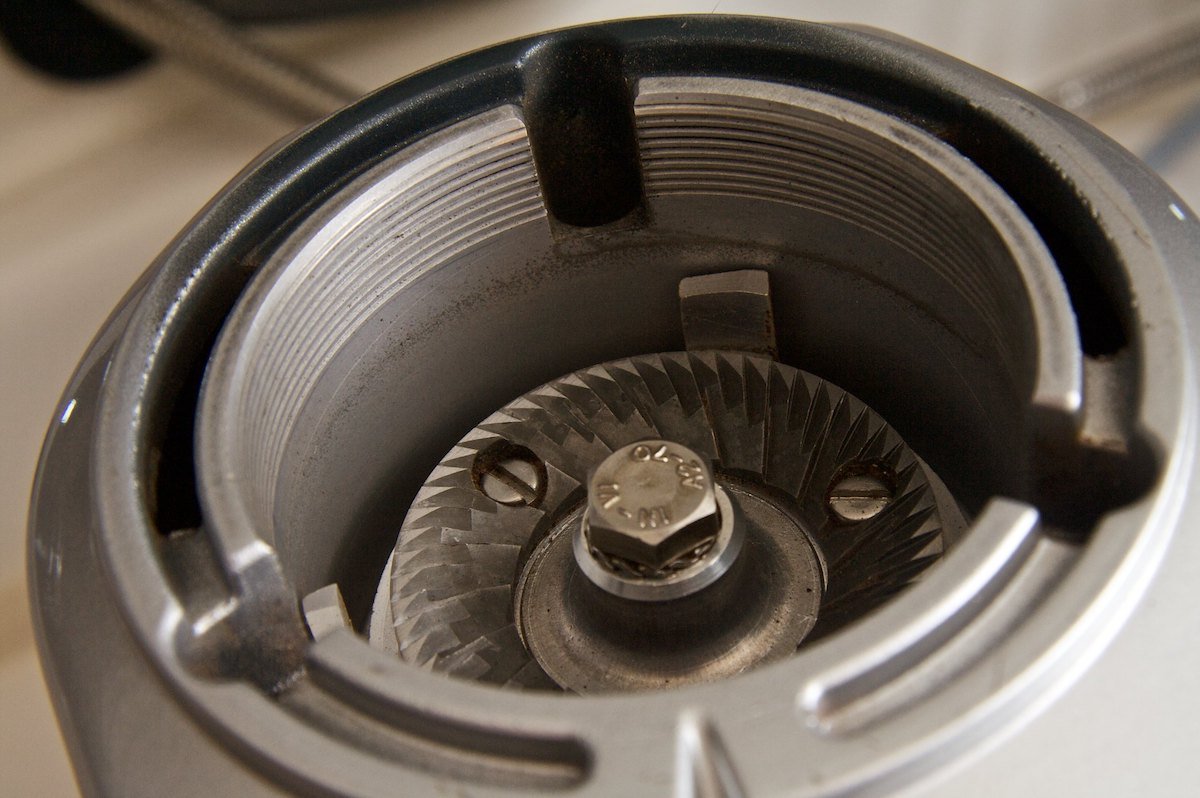
Cleaning coffee grinder burrs involves disassembling the grinder, brushing off trapped coffee grounds and oils, and then carefully reassembling it for optimal performance.
Maintaining the pristine condition of your coffee grinder burrs is not merely an act of tidiness; it is a fundamental practice that directly influences the quality of your daily brew and extends the lifespan of your equipment. As seasoned coffee aficionados understand, a clean grinder is the bedrock of consistent, flavorful coffee, preventing the undesirable bitterness and stale notes that accumulate from old coffee oils and grounds. This comprehensive guide will meticulously walk you through the process of how to clean coffee grinder burrs, ensuring your next cup is as fresh and delicious as it deserves to be, reflecting our deep understanding of both brewing science and practical equipment maintenance.
Why Cleaning Your Coffee Grinder Burrs Matters
The burrs are the heart of your coffee grinder, responsible for breaking down whole beans into uniform particles. Over time, coffee oils, fine dust, and residual grounds accumulate on these burrs and within the grinding chamber. This buildup can significantly impede the grinder's performance, leading to inconsistent grind sizes, a dulled flavor profile, and even potential mechanical issues. Neglecting to clean coffee grinder burrs means your fresh beans will mix with stale, rancid oils, imparting off-flavors to your espresso or pour-over. Regular cleaning is paramount to preserving the nuanced aromatics and desired taste characteristics of your coffee.
Understanding Your Grinder's Burrs
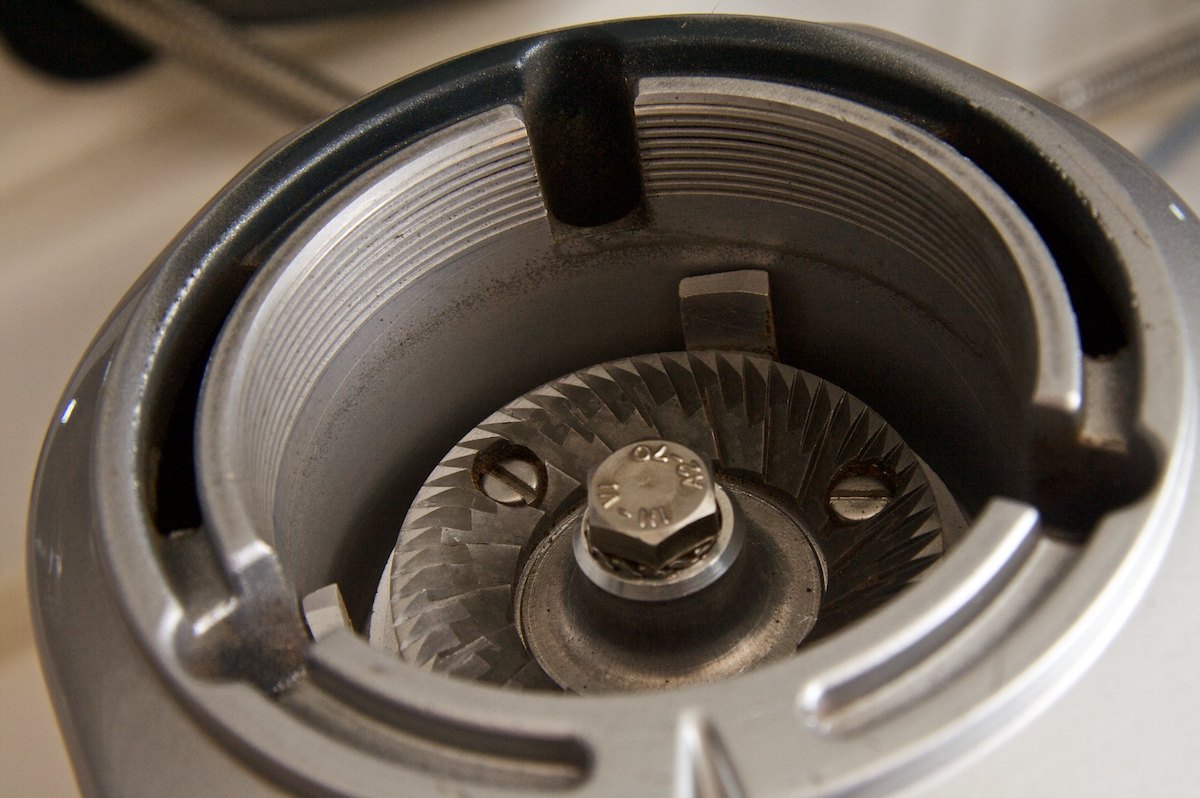
Before you embark on the task of how to clean coffee grinder burrs, it's beneficial to understand the different types you might encounter. Most home grinders feature either flat or conical burrs. Flat burrs consist of two interlocking rings with teeth, grinding coffee as it passes between them. Conical burrs, on the other hand, have an outer ring and an inner cone, with coffee moving down through the decreasing gap. Both types accumulate coffee residue, and while the cleaning principles remain similar, the disassembly process might vary slightly depending on your grinder's design. Familiarizing yourself with your specific model's manual before you clean coffee grinder burrs is always a wise first step.
:max_bytes(150000):strip_icc()/Web_1500-sea-how-clean-care-coffee-grinder-ashley-rodriguez-12-135842786cc64796b3407b27bf47ff26.jpg)
Tools and Materials You'll Need
Successfully cleaning coffee grinder burrs requires a few simple tools that are likely already in your home or easily acquired. Gathering these items beforehand will streamline the process and ensure you have everything at hand when you start.
- A soft brush or paintbrush (a stiff toothbrush also works well)
- A vacuum cleaner with a narrow attachment
- A microfiber cloth
- A small screwdriver (if your grinder requires it for disassembly)
- Grinder cleaning tablets (optional, for a quick clean between deep cleans)
- Safety glasses (optional, but recommended to protect eyes from flying dust)
Step-by-Step Guide: How to Clean Coffee Grinder Burrs (Disassembly Method)
This method provides the most thorough cleaning for your coffee grinder burrs, reaching every nook and cranny. From my experience, a full disassembly clean significantly improves grind consistency and flavor.
- Unplug Your Grinder: Safety first! Always ensure your grinder is completely disconnected from the power source before beginning any cleaning or maintenance. This prevents accidental activation and potential injury.
- Empty the Hopper: Remove any remaining coffee beans from the hopper. You can grind them through if there's only a small amount, or simply pour them back into their original container.
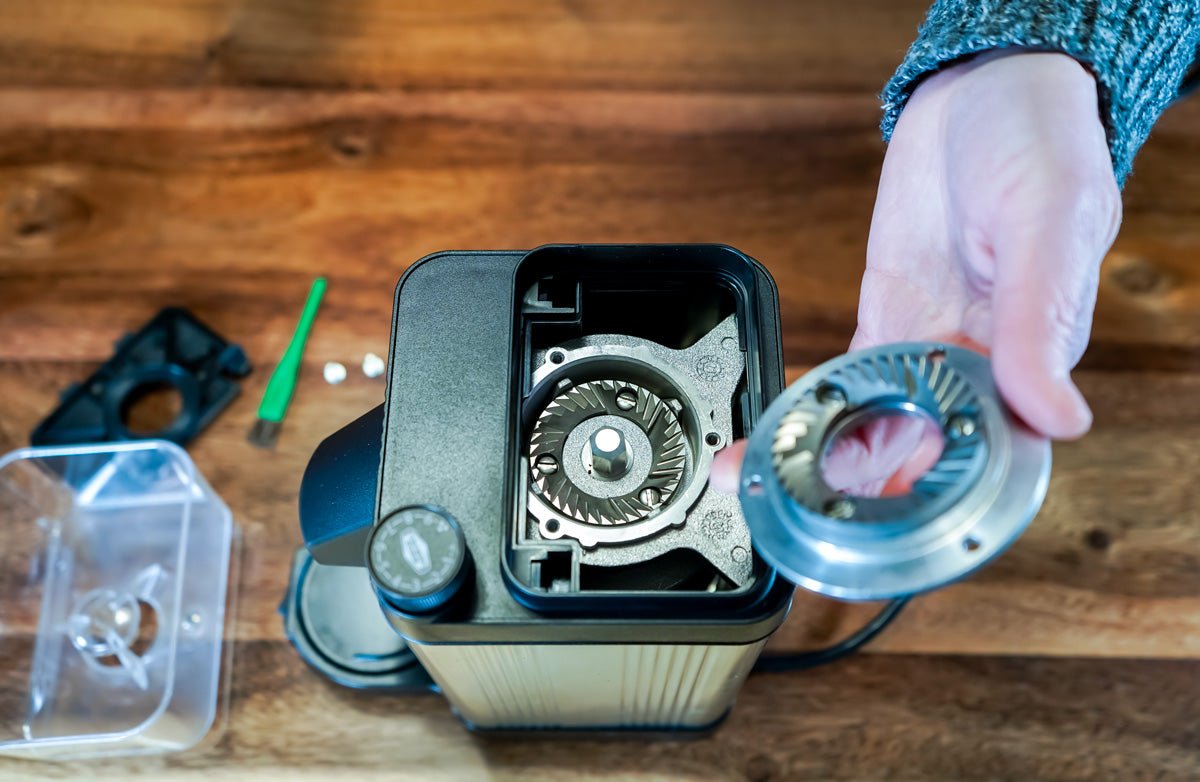
- Remove the Hopper and Top Burr: Most grinders allow you to remove the hopper and then twist or lift out the top burr. Consult your grinder's manual for specific instructions, as designs vary. Typically, you'll rotate the top burr to its coarsest setting, then lift it out.
- Brush Away Loose Grounds: Using your soft brush, gently brush away all visible loose coffee grounds from the top burr, the grinding chamber, and the dispensing chute. Pay close attention to the teeth of the burrs, where fine particles often cling.
- Vacuum the Interior: Utilize your vacuum cleaner with a narrow attachment to suction out any stubborn grounds or dust from the grinding chamber. This is particularly effective for reaching areas your brush might miss.
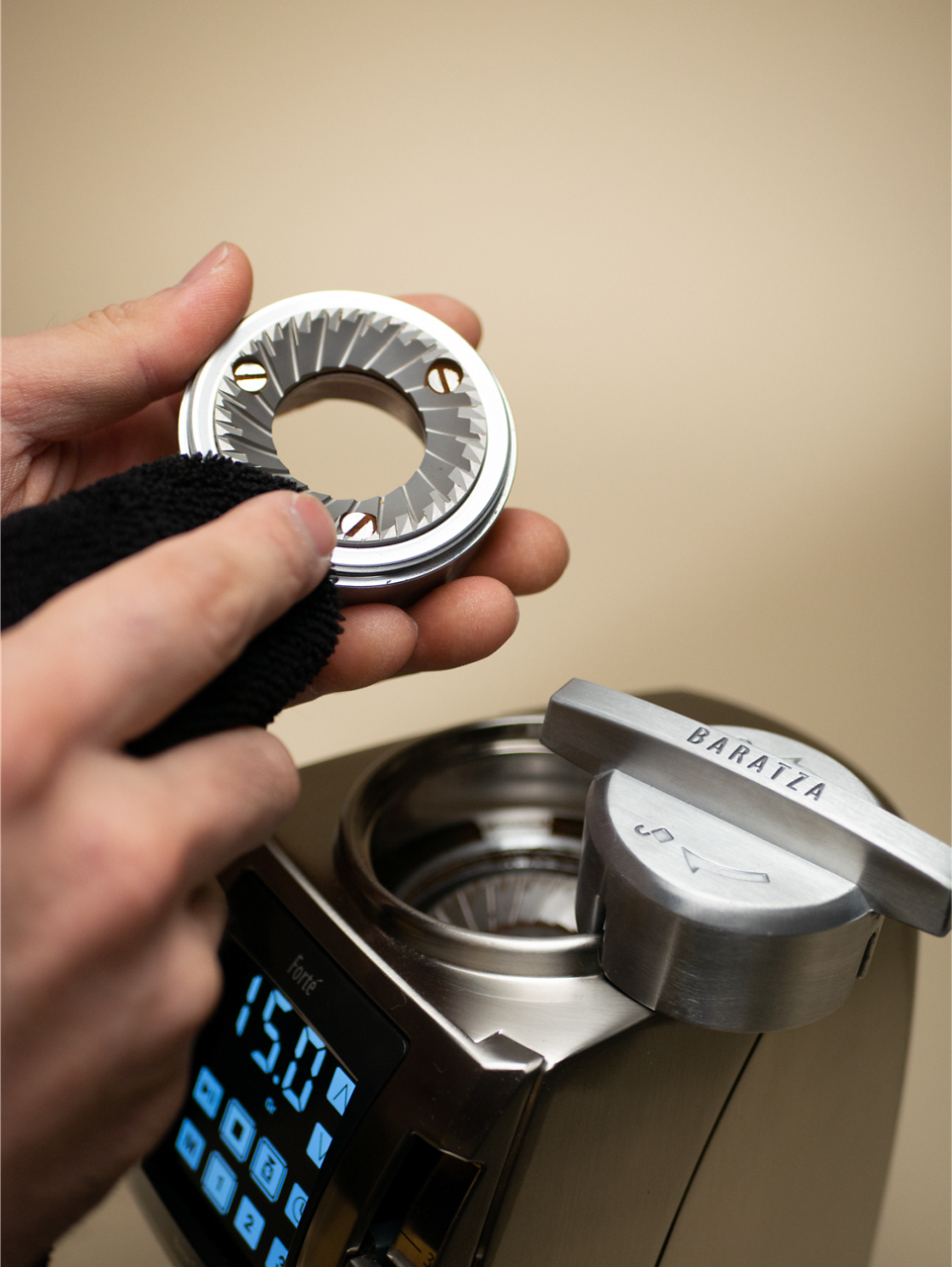
- Clean the Burrs Themselves: With the burrs removed, you can give them a more thorough cleaning. Use the brush to meticulously scrub away any stuck-on coffee oils or fine grounds. For flat burrs, clean both the top and bottom sets. For conical burrs, clean the inner cone and the outer ring. Ensure all grooves and edges are clear.
- Wipe Down Exterior and Chute: Use a dry microfiber cloth to wipe down the exterior of the grinder, removing any coffee dust. For the dispensing chute, a pipe cleaner or a small brush can help dislodge any blockages that can affect consistent dosing.
- Reassemble Your Grinder: Carefully reinsert the bottom burr (if it was removed), then the top burr, ensuring it's properly seated according to your grinder's design. Replace the hopper. Double-check that all components are securely in place before plugging the grinder back in. When learning how to clean coffee grinder burrs, proper reassembly is key to avoid damaging the unit.
Alternative Cleaning Methods (For Quick Maintenance)
While a full disassembly is ideal for how to clean coffee grinder burrs thoroughly, sometimes you need a quicker solution between deep cleans.
- Grinder Cleaning Tablets: These tablets, often made from food-safe compressed grains, are designed to absorb coffee oils and dislodge stale grounds. Simply run a recommended amount through your grinder like regular beans, then follow with a small amount of fresh beans to clear any residue. This method is excellent for maintaining flavor without full disassembly.
- Using Rice (with caveats): Some people advocate for running a small amount of uncooked rice through their grinder. While it can help dislodge some grounds, I've found it's not ideal for all grinders, particularly those with delicate burrs, as it can cause excessive wear or even damage due to its hardness. If you choose this method, use a very small amount of white rice, and be aware of potential risks. Personally, I prefer commercial cleaning tablets as a safer alternative.

Frequency of Cleaning Your Coffee Grinder Burrs
The frequency with which you clean coffee grinder burrs largely depends on your usage habits and the type of coffee you brew. For daily users, especially those brewing darker roasts which tend to be oilier, a quick clean with tablets every week or two is advisable. A full disassembly and deep clean should ideally be performed every 1-2 months. If you notice a decline in grind consistency, an increase in static, or a change in your coffee's flavor, it's a clear signal that it's time to clean coffee grinder burrs. Consistent maintenance not only preserves flavor but also prolongs the life of your valuable equipment.
Common Mistakes to Avoid When Cleaning Coffee Grinder Burrs
Cleaning your grinder is straightforward, but certain pitfalls can undermine your efforts or even damage the equipment.
- Using Water: Never use water or immerse electrical components in water when cleaning coffee grinder burrs. Coffee grinders are electronic devices, and water can cause irreparable damage and pose a safety hazard. Always stick to dry cleaning methods for the burrs and internal components.
- Forgetting to Unplug: As reiterated, skipping this crucial safety step can lead to serious injury if the grinder accidentally activates.
- Not Consulting the Manual: Every grinder has unique quirks. Failing to check your specific model's manual for disassembly and reassembly instructions can lead to frustration or even breakage.
- Ignoring the Chute: Many overlook the dispensing chute, where grounds can clump and block, affecting output. A clean chute ensures a smooth flow of ground coffee.
- Over-tightening Burrs: When reassembling, ensure burrs are snug but not excessively tightened, which can warp them or make future cleaning difficult.
Frequently Asked Questions of how to clean coffee grinder burrs
Can I use a dishwasher to clean coffee grinder burrs?
No, never put grinder burrs or any electrical components of your coffee grinder in a dishwasher. Water and harsh detergents can damage the metal and electronic parts.
How do I know when my coffee grinder burrs need cleaning?
Signs include inconsistent grind size, a change in coffee flavor (often tasting stale or bitter), increased static cling of coffee grounds, or visible buildup of oils and grounds on the burrs.
Are grinder cleaning tablets effective for all types of grinders?
Grinder cleaning tablets are generally effective for most burr grinders, both flat and conical. They help absorb oils and dislodge old grounds from the burrs and grinding chamber without requiring full disassembly.
What happens if I don't clean my coffee grinder burrs regularly?
Neglecting to clean coffee grinder burrs leads to stale, rancid coffee flavors, inconsistent grind particle size, reduced grinder efficiency, and can shorten the overall lifespan of your equipment.
Can I use compressed air to clean my coffee grinder burrs?
Yes, compressed air can be a useful tool for blowing out loose grounds, particularly in hard-to-reach areas. However, it should be used in conjunction with brushing and vacuuming for a thorough clean.
Conclusion
Mastering how to clean coffee grinder burrs is a fundamental skill for any serious coffee enthusiast. This practice is not merely about hygiene; it is a direct investment in the quality of your daily brew, ensuring that every cup reflects the true potential of your carefully selected beans. By diligently following these steps, you'll eliminate stale residue, maintain optimal grind consistency, and extend the life of your valuable equipment. Embrace this routine, and you'll consistently enjoy a superior coffee experience that truly honors the art of brewing. For more insights on coffee equipment maintenance and brewing techniques, explore our extensive collection of guides and enhance your coffee journey.

- Are Pod Coffee Machines Healthy? The Unfiltered Truth About Your Daily Cup - September 27, 2026
- Does Gatorade Have Caffeine? Here’s What’s in Each Type - September 26, 2026
- Does Powerade Have Caffeine, or Is That a Myth? - September 26, 2026