
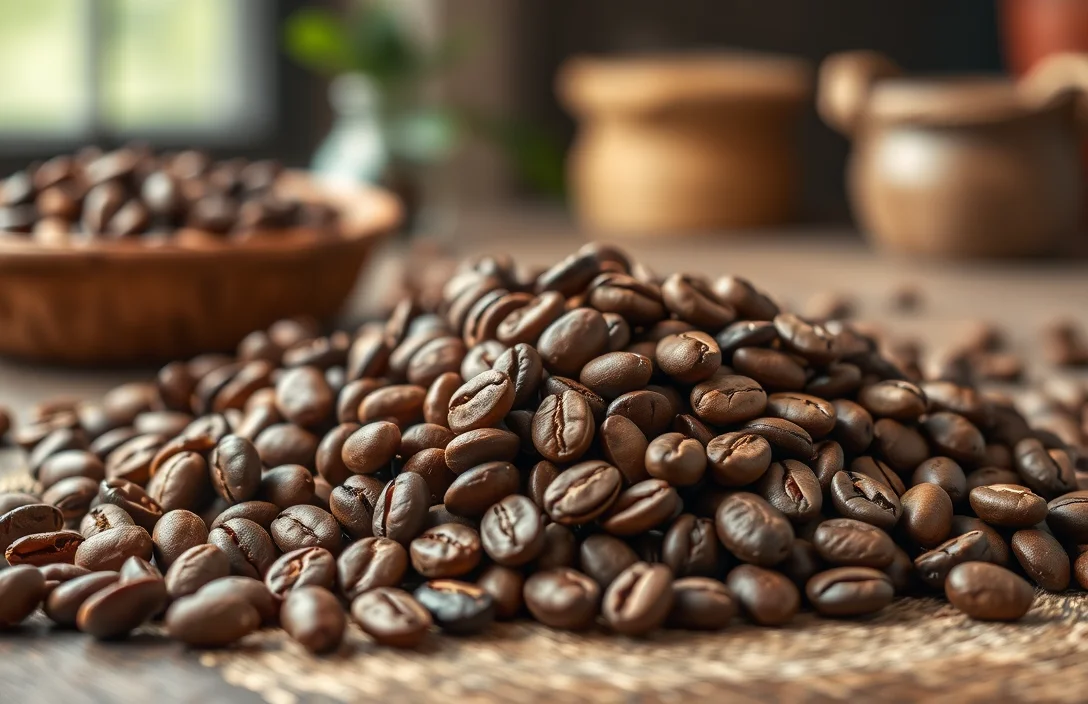
Research indicates that coffee beans are inherently gluten-free, making them safe for individuals with gluten sensitivities. With the rising popularity of gluten-free diets, understanding the gluten content in coffee becomes crucial for many consumers seeking safe beverage options.
Many coffee beans, including 100% pure coffee, do not contain gluten. However, cross-contamination can occur in processing facilities. Always check labels and consider certified gluten-free brands for assurance.
Understanding Gluten in Foods
Gluten consists of proteins found in wheat, barley, and rye. These proteins give dough its elasticity and help it rise, contributing to the texture of various baked goods. Identifying gluten sources is crucial for those with gluten sensitivities or celiac disease, as even trace amounts can trigger adverse reactions.
Common food products containing gluten include bread, pasta, cereals, and many processed foods. These items often use wheat flour or related grains as key ingredients. Understanding these sources helps consumers make informed choices, especially when looking for gluten-free options.
Alternative grains such as rice, corn, and quinoa do not contain gluten, making them suitable substitutes for those avoiding it. Many gluten-free flours are available, allowing individuals to enjoy baked goods without compromising their health. Awareness of gluten-containing foods enhances dietary management and overall well-being.
Coffee Bean Processing Methods
Washed, natural and honey processing rarely adds gluten to green beans. Pulping, fermenting, sun-drying, hulling and roasting involve only coffee fruit and heat, so they don’t introduce wheat, barley, or rye. Primary contamination risk occurs later: flavored coatings, syrups, shared grinders or packaging lines that also handle baked goods can transfer gluten.
- Roasters should follow cleaning and segregation: shared grinders, scoops or bulk bins used for flavored or baked-product sampling can contaminate beans; ask your roaster about dedicated equipment and cleaning frequency.
- Flavored beans present clear risk: are coffee beans gluten free? Not necessarily when flavorings contain malt, barley extract, or wheat-based carriers; choose plain beans or confirm ingredients and gluten-free certification.
- Packaging and storage can cause cross-contact if the facility also packs cereals or baked goods; opt for sealed single-origin bags and request testing or a certificate of analysis.
Identifying Gluten-Free Coffee Bean Types
Arabica, robusta and liberica beans are naturally gluten-free because coffee is a seed from Coffea species and does not contain wheat, barley, or rye proteins; that holds for green beans and plain roasted beans. If you ask “are coffee beans gluten free” the correct short answer is yes for pure beans, but check labels for added flavorings or fillers.
Risks of Cross-Contamination in Coffee
Shared grinders and storage create cross-contamination risk. People asking are coffee beans gluten free should note cross-contact during roasting, flavoring, packaging, or shared café equipment causes exposure rather than intact unflavored beans. Sensitive consumers can react to trace residues on burrs, scoops or packaging; controlling tools and processes prevents unintentional gluten transfer and clinical reactions.
- Isolate grinders and brewing equipment for gluten-free beans; designate color-coded machines and train staff on exclusive use.
- Sanitize burrs, hoppers, scoops and countertops between batches using validated cleaning steps and compressed air to remove fine dust.
- Store beans in sealed, labeled containers separated from wheat-based ingredients; maintain supplier seals and dedicated shelving.
- Avoid flavored or pre-mixed varieties unless labeled gluten-free because added malt, syrups, or stabilizers commonly contain gluten.
Importance of Gluten-Free Certification
Certified gluten-free seals prove manufacturers subject products to defined testing thresholds, controlled sourcing, and documented cleaning protocols; this reduces cross-contact risk for people with celiac disease or sensitivity. Certification carries accountability: certifier audits facilities, reviews ingredient lists, and enforces corrective actions. Relying on the seal is practical when deciding whether coffee or flavored varieties are safe for strict gluten avoidance.
Inspect labels for recognized certifiers and confirm certification number and scope; common seals include GFCO/Alberta, NSF Gluten-Free, and trusted national programs. If you ask ‘are coffee beans gluten free’, a certifier’s documentation shows whether single-origin beans, flavored blends, or processing lines were tested. Contact manufacturers for batch test reports, prefer certified products when you need strict avoidance, and keep receipts in case of recalls.
Health Implications of Gluten for Coffee Drinkers
Clinicians advise people with celiac to choose plain whole-bean coffee and avoid flavored or pre-mixed blends. If you ask are coffee beans gluten free, plain roasted beans and brewed coffee are usually safe; main risks are flavorings, additives, and shared equipment. Ask roasters about cross-contact controls and choose products labeled gluten-free; track symptoms and report reactions to your clinician.
Coffee Additives and Their Gluten Content
Many coffee additives can contain gluten, impacting those sensitive to it. Common flavors, syrups, and creamers may use gluten-containing ingredients or cross-contamination during production. Always check labels before adding these products to your coffee.
Flavored coffees often use additives like caramel or vanilla syrups. Some syrups are made with malt, which is derived from barley and contains gluten. Opt for brands that explicitly state they are gluten-free to avoid risks.
Non-dairy creamers might surprise you with hidden gluten sources. Certain brands use thickeners or stabilizers derived from gluten-containing grains. Verify product ingredients to ensure safe consumption.
Sweeteners, such as certain flavored sugars and powdered mixes, can also pose risks. Check for gluten in the ingredient list, especially in commercial products that might include malt flavoring.
Specialty drinks, like those served in coffee shops, may have gluten in their added toppings. Whipped creams or flavored powders can be contaminated with gluten, so always inquire about ingredients if you’re unsure.
Maintaining awareness of coffee additives is essential for gluten-sensitive individuals. Regularly educate yourself on new products, as formulations can change and new gluten-containing additives may be introduced. Always prioritize your health by being cautious with your coffee choices.
Quick Summary
- Coffee beans are naturally gluten-free.
- Gluten is a protein found in wheat, barley, and rye, not in coffee beans.
- Cross-contamination can occur if coffee is processed in facilities that handle gluten-containing grains.
- Most commercially available coffee products are safe for those with gluten sensitivities.
- Always check labels for additives or flavorings that may contain gluten.
- Decaffeinated and instant coffee options are also typically gluten-free.
- Consult with a healthcare provider if unsure about specific brands or products.
Frequently Asked Questions
Are coffee beans gluten free?
Yes, pure coffee beans are naturally gluten free. Coffee is made from the seeds of the Coffea plant, which does not contain gluten.
Can cross-contamination occur with coffee?
While coffee beans themselves are gluten free, cross-contamination can happen during processing or packaging. If you’re sensitive to gluten, it’s best to choose brands that are certified gluten free.
Are flavored coffee options gluten free?
Flavored coffee may contain gluten if the flavoring agents or additives include gluten-containing ingredients. Always check the product label or contact the manufacturer for specific information.
Is instant coffee gluten free?
Most instant coffee is gluten free, but it is essential to verify the label for any potential gluten-containing additives. Opt for brands that specifically state they are gluten free for peace of mind.
Do coffee grounds contain gluten?
Like whole coffee beans, coffee grounds are also gluten free. However, you should check for any added ingredients if you purchase pre-ground coffee blends.

- How to Fix a Portafilter: Size, Locking Mechanism, and Troubleshooting Guide - October 22, 2026
- 35 Coffee Machine Parts and Functions: Complete Guide With Names and Uses - October 22, 2026
- 25 Espresso Machine Parts Names and Their Functions Explained - October 22, 2026