
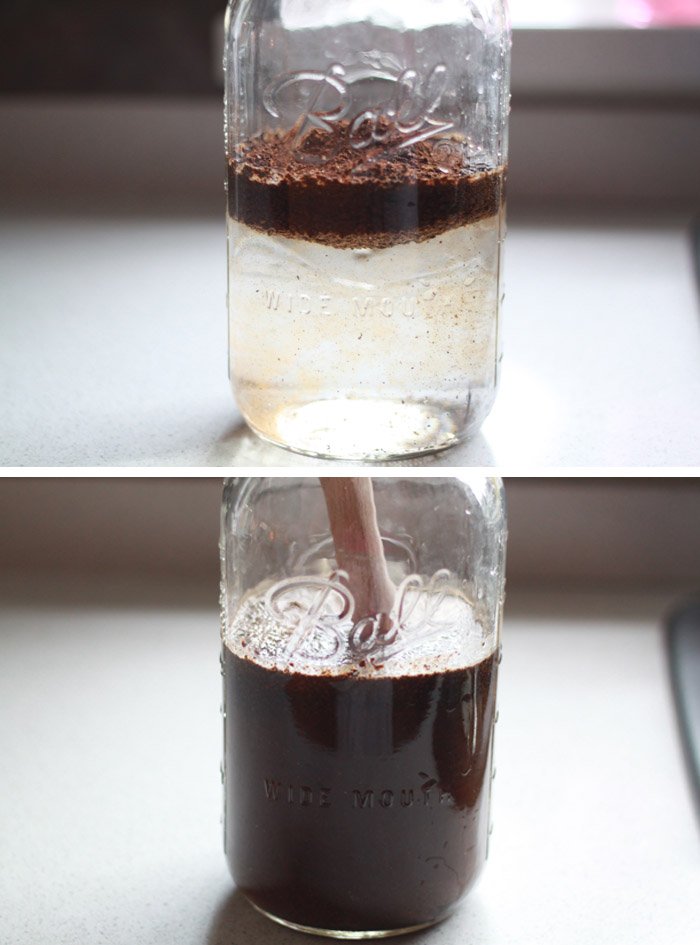
Mastering the cold brew concentrate recipe offers unparalleled convenience and a rich, smooth coffee experience at home. This comprehensive guide, forged from years of personal experimentation and a deep understanding of coffee extraction, will empower you to create a perfect cold brew concentrate recipe that rivals any artisanal café. Prepare to unlock a world of velvety coffee, customized precisely to your palate, ensuring your daily caffeine ritual is both effortless and exquisitely flavorful.

What is Cold Brew Concentrate?
Cold brew concentrate is a highly potent coffee extract created by steeping coarse-ground coffee in cold water for an extended period, typically 12 to 24 hours. Unlike traditional hot brewing methods, cold brewing minimizes the extraction of acidic compounds and bitter oils, resulting in a remarkably smooth, low-acid, and naturally sweet coffee. Its concentrated nature means it must be diluted before consumption, offering versatility for a variety of beverages.
Why Make Cold Brew Concentrate at Home?
Embarking on the journey of making your own cold brew concentrate recipe at home is a decision you won't regret, primarily due to its incredible cost-effectiveness. Think about how much you spend on daily coffee shop visits; brewing at home significantly reduces this expense while maintaining a high-quality product. Beyond the financial savings, the ability to fully customize your cold brew concentrate recipe is a game-changer. You control the bean origin, the grind size, the steeping time, and ultimately, the flavor profile.
This level of control ensures your cold brew concentrate is exactly to your liking, from a deep, chocolatey essence to bright, fruity notes. From my own early days of coffee exploration, I remember the frustration of inconsistent store-bought cold brews. Learning to make my own cold brew concentrate recipe eliminated that variability, allowing me to craft a consistently perfect cup every time. The convenience it offers is another major draw; preparing a batch on a Sunday means you have several days of instant, delicious coffee readily available.

Essential Ingredients for Your Cold Brew Concentrate
The foundation of an exceptional cold brew concentrate recipe lies in selecting the right ingredients, starting with high-quality coffee beans. While any coffee bean can technically be used, opting for fresh, whole beans that are roasted for cold brew or have chocolatey, nutty, or dark fruit notes will yield the best results. A medium-dark to dark roast often excels in cold brew, providing a rich, full-bodied flavor without excessive bitterness. Grinding your beans just before brewing is crucial; a coarse, even grind resembling sea salt or breadcrumbs is ideal. This prevents over-extraction and ensures a clean, sediment-free cold brew concentrate.
The second critical component is water. Since water makes up the majority of your cold brew concentrate recipe, its quality significantly impacts the final taste. Filtered water is always recommended to avoid any off-flavors that tap water might introduce, such as chlorine or mineral notes. When I first started experimenting, I quickly learned that poor water quality could completely mask the nuances of even the finest beans, underscoring the importance of this often-overlooked ingredient.
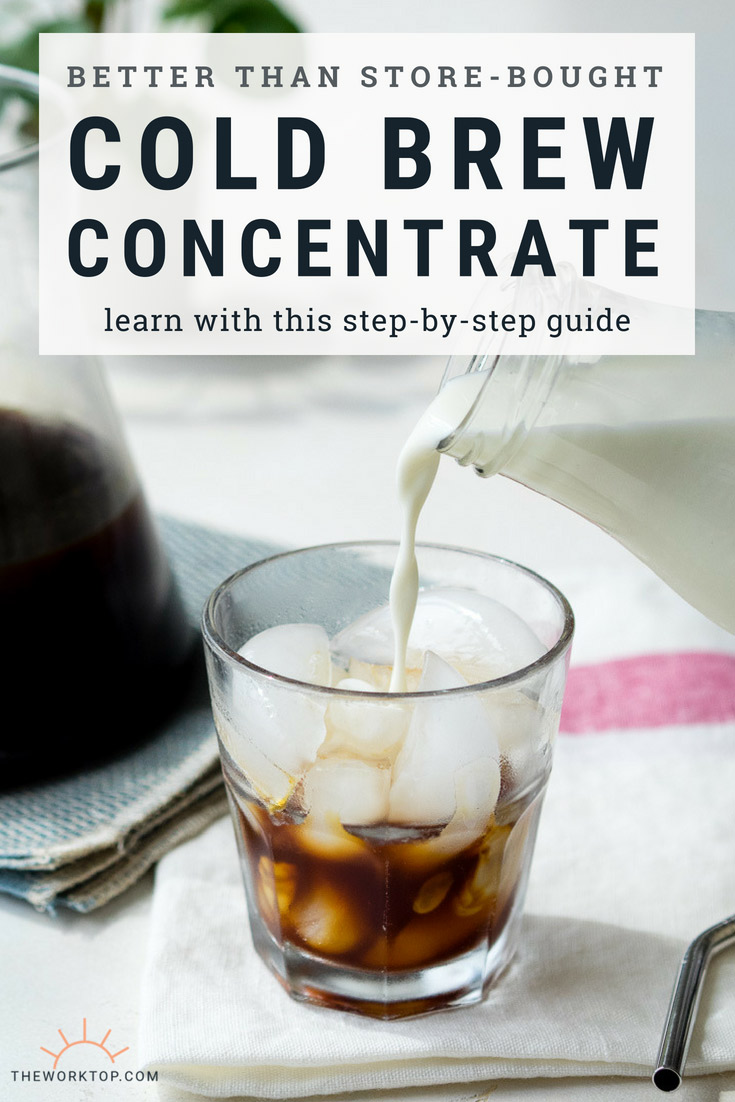
The Step-by-Step Guide to Crafting the Perfect Cold Brew Concentrate Recipe
Creating your own cold brew concentrate recipe is a simple yet rewarding process that requires patience more than skill. The key to success lies in adhering to proper ratios and steeping times.
Here’s a detailed guide:
- Step 1: Grind Your Coffee Beans. Begin by grinding your chosen coffee beans to a coarse consistency. This is perhaps the most crucial step, as too fine a grind can lead to over-extraction and a cloudy, bitter cold brew concentrate. If you don't have a grinder, most coffee shops will grind beans for you, just be sure to specify "coarse" for cold brew.
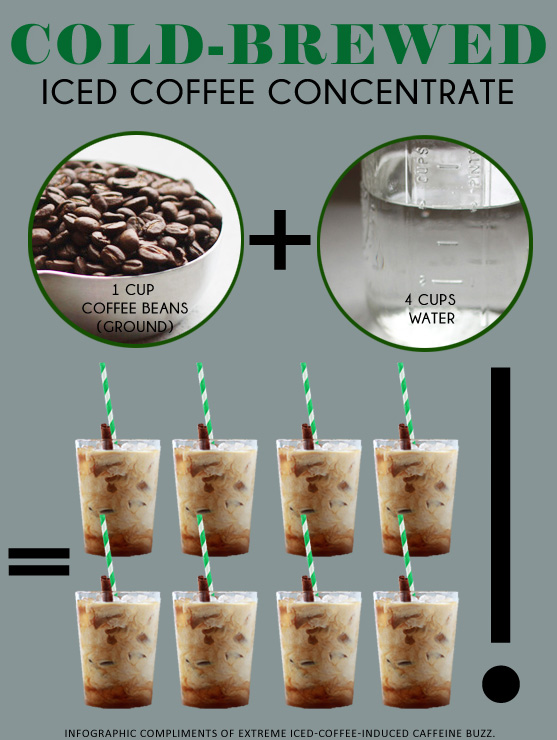
- Step 2: Measure Your Ingredients. For a robust cold brew concentrate recipe, a common coffee-to-water ratio is 1:4 by weight. For instance, if you use 8 ounces (227 grams) of coffee, you'll need 32 ounces (907 grams or roughly 4 cups) of filtered water. This ratio ensures a strong concentrate that can be diluted later. What is the best coffee-to-water ratio for cold brew concentrate? A 1:4 coffee-to-water ratio by weight is generally considered ideal for a strong, versatile concentrate.
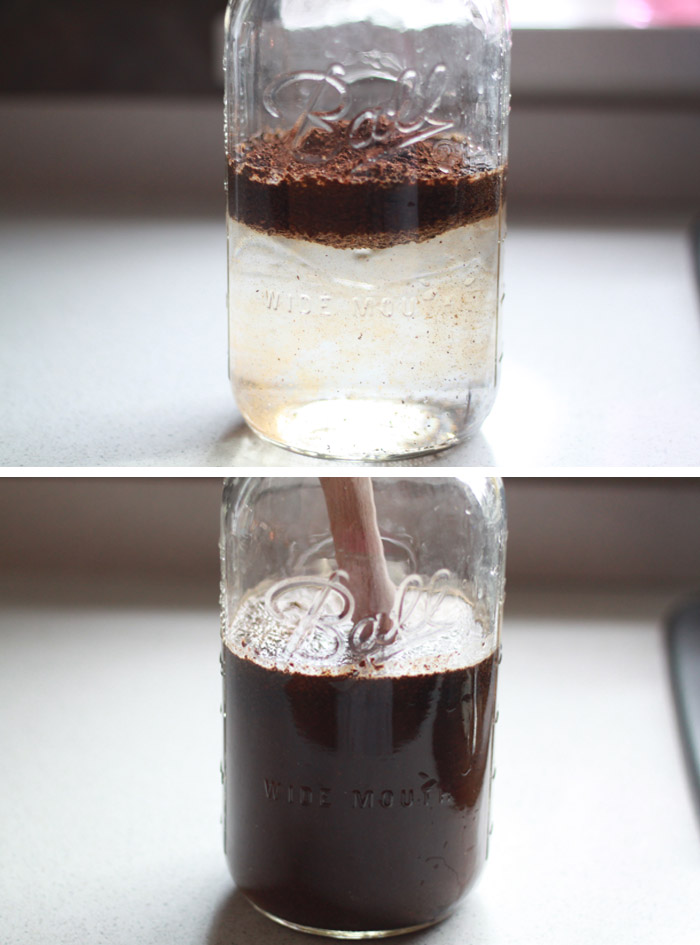
- Step 3: Combine Coffee and Water. In a large pitcher, jar, or dedicated cold brew maker, combine the coarse ground coffee and filtered water. Ensure all the coffee grounds are thoroughly saturated, stirring gently if necessary to prevent dry spots.
- Step 4: Steep. Cover the container and let it steep at room temperature or in the refrigerator. While room temperature can speed up the process slightly, refrigerating it provides a more controlled and consistent extraction, often yielding a smoother flavor. How long should cold brew concentrate steep? The optimal steeping time for cold brew concentrate is typically between 12 and 24 hours, depending on desired strength and bean roast. I usually aim for 18-20 hours for my perfect cold brew concentrate recipe.
- Step 5: Strain the Concentrate. Once steeping is complete, it's time to separate the concentrate from the grounds. Line a fine-mesh sieve with cheesecloth, a coffee filter, or use a dedicated cold brew filter system. Slowly pour the mixture through the lined sieve into another clean container. Allow it to drip naturally without pressing the grounds, as pressing can release unwanted bitter flavors and fine sediments.
- Step 6: Second Strain (Optional but Recommended). For an even clearer cold brew concentrate, you can perform a second strain through a fresh coffee filter. This removes any remaining fine particles, resulting in an incredibly clean and smooth finish. This extra step ensures a pristine cold brew concentrate recipe.
Optimal Storage and Shelf Life of Cold Brew Concentrate
Once you’ve successfully crafted your cold brew concentrate recipe, proper storage is essential to maintain its freshness and extend its shelf life. Transfer the filtered cold brew concentrate into an airtight container, such as a glass jar or bottle. Storing it in the refrigerator is paramount; this slows down the oxidation process and keeps your cold brew fresh.
When stored correctly in the refrigerator, homemade cold brew concentrate typically lasts for up to 7 to 10 days. Beyond this period, you might notice a decline in flavor quality, as the concentrate can start to taste stale or develop off-notes. From my experience, a fresh batch of cold brew concentrate recipe never lasts that long in my house, but it’s good to know the limits!
:max_bytes(150000):strip_icc()/cold-brew-concentrate-recipe-5197494-step-02-55395b29cbae4e23afafde9d08acfd4c.jpg)
Creative Ways to Enjoy Your Cold Brew Concentrate
The beauty of a cold brew concentrate recipe lies in its versatility. It's not just for pouring over ice; its robust flavor and low acidity make it an excellent base for a myriad of beverages and even culinary applications. The most common way to enjoy it is diluted with water or milk. A general guideline is to start with a 1:1 ratio of concentrate to water or milk, and then adjust to your preferred strength.
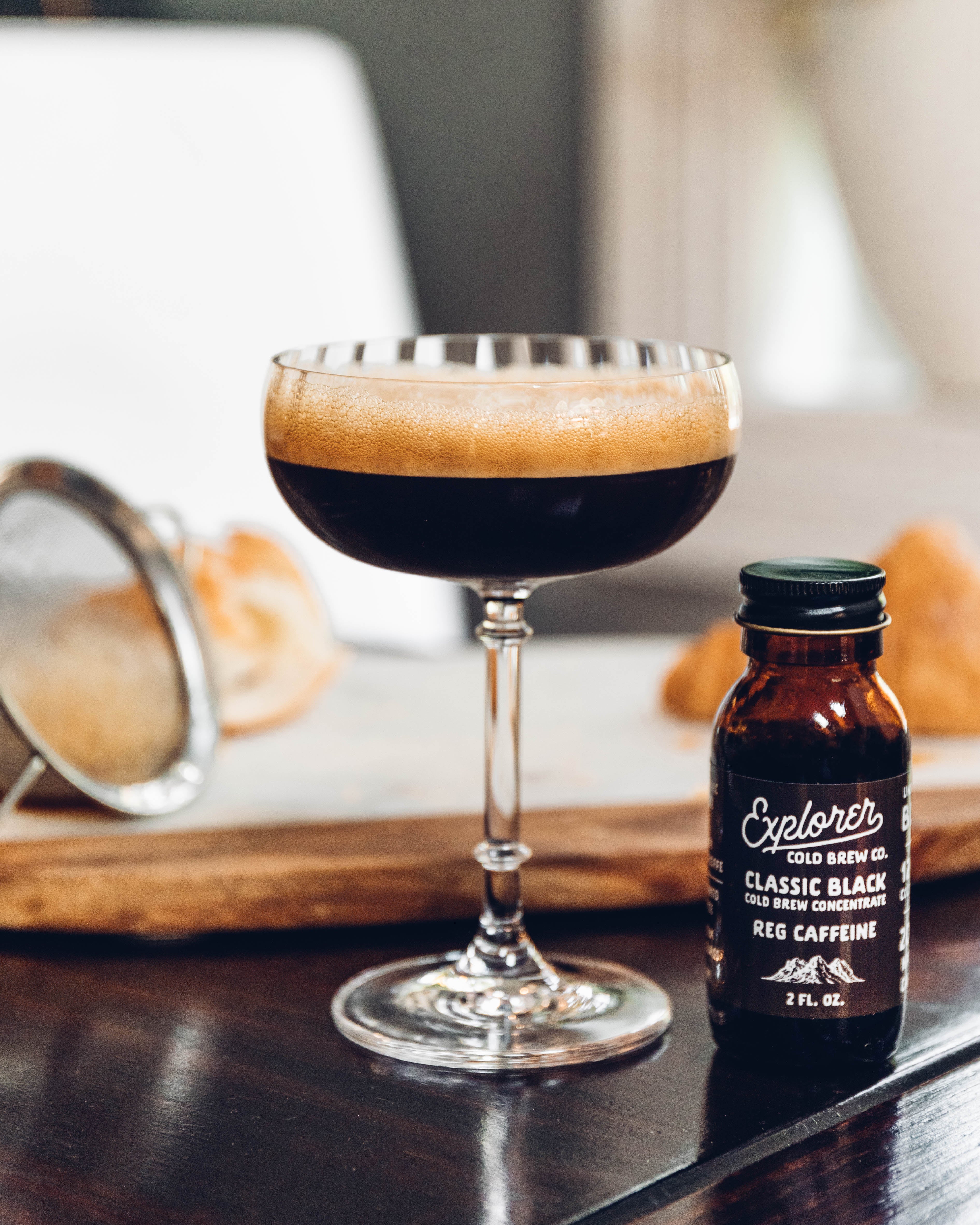
For a classic cold brew experience, simply add ice and your preferred dilution. Elevate your morning routine with a cold brew latte, blending the concentrate with milk and a touch of sweetener. Consider experimenting with flavored syrups, such as vanilla, caramel, or hazelnut, to create personalized café-style drinks. I've personally enjoyed using my cold brew concentrate recipe in cocktails, like a coffee martini, or even as an ingredient in baking to enhance chocolate desserts.

Troubleshooting Common Cold Brew Concentrate Issues
Even with a reliable cold brew concentrate recipe, you might encounter a few common hiccups. One frequent issue is a cold brew that tastes too weak. This often points to an incorrect coffee-to-water ratio (too much water, not enough coffee), a grind that's too coarse, or insufficient steeping time. To fix this, try increasing your coffee grounds, ensuring a proper coarse grind, or extending the steeping period by a few hours.
Conversely, if your cold brew concentrate is too bitter, it's usually a sign of over-extraction. This can happen if the coffee is ground too finely, leading to excessive contact with water, or if it steeped for too long. My early attempts often resulted in a surprisingly bitter cold brew concentrate recipe when I rushed the grind. Adjusting your grind to be coarser or shortening the steeping time should resolve this. A cloudy cold brew concentrate typically indicates that your coffee grounds were too fine or you pressed the grounds during straining, pushing fine particles through the filter. Using a coarser grind and double-straining can help achieve a clear, brilliant cold brew.
Frequently Asked Questions
What type of coffee beans are best for a cold brew concentrate recipe?
Medium-dark to dark roast beans are generally preferred for cold brew concentrate, as they produce a rich, full-bodied flavor with natural sweetness and low acidity, making for an excellent cold brew concentrate recipe.
Can I use pre-ground coffee for cold brew concentrate?
Yes, you can use pre-ground coffee, but ensure it’s a coarse grind specifically for cold brew; a standard drip coffee grind is too fine and can lead to over-extraction and bitterness in your cold brew concentrate recipe.
Does cold brew concentrate contain more caffeine than regular coffee?
Typically, cold brew concentrate does contain more caffeine per ounce than regular hot coffee due to its higher coffee-to-water ratio and extended extraction, though caffeine content can vary based on factors like bean type and steeping time.
How do I dilute cold brew concentrate?
The most common dilution ratio for cold brew concentrate is 1:1 with water or milk, but you can adjust this based on your personal preference for strength and flavor.
Can I heat cold brew concentrate?
Absolutely, you can heat cold brew concentrate to enjoy a warm beverage without compromising its smooth, low-acid profile, making it a versatile base for hot coffee drinks.
Conclusion
Mastering the cold brew concentrate recipe at home truly elevates your daily coffee experience, offering a superior taste and incredible convenience. By understanding the critical elements—from selecting the right beans and water to perfecting the grind, ratio, and steeping time—you gain the power to craft a bespoke coffee concentrate tailored to your exact preferences. The satisfaction of brewing your own smooth, low-acid cold brew, ready to be transformed into any drink you desire, is immense. I encourage you to experiment with different beans and ratios, finding your personal ideal cold brew concentrate recipe. Share your cold brew journey in the comments below, or explore our other guides for more home brewing insights.

- Are Pod Coffee Machines Healthy? The Unfiltered Truth About Your Daily Cup - September 27, 2026
- Does Gatorade Have Caffeine? Here’s What’s in Each Type - September 26, 2026
- Does Powerade Have Caffeine, or Is That a Myth? - September 26, 2026