

Regular cleaning and descaling are crucial for optimal coffee machine performance and longevity. Mastering effective coffee machine maintenance tips is not just about keeping your appliance sparkling; it's about preserving the rich aroma and exquisite taste of every brew, while extending the lifespan of your valuable kitchen companion. As seasoned experts in beverage appliance care, we understand the nuances of various coffee systems and the specific challenges they face. This comprehensive guide will equip you with indispensable coffee machine maintenance tips, transforming routine upkeep into a strategic practice that ensures your daily cup is consistently perfect and your machine runs flawlessly for years to come.

Understanding the Importance of Coffee Machine Maintenance
Neglecting your coffee machine can lead to a cascade of problems, from diminished coffee quality to costly repairs. Over time, mineral deposits from water, especially in hard water areas, accumulate within the machine's internal components, forming limescale. This buildup restricts water flow, reduces heating efficiency, and can impart an unpleasant, bitter taste to your coffee, effectively sabotaging its flavor profile. Beyond limescale, residual coffee oils and grounds can harbor bacteria and fungi, creating unsanitary conditions that affect both taste and hygiene.
From my own experience, I once inherited a seemingly high-end espresso machine that produced consistently bland coffee. A thorough investigation revealed layers of neglected grime and a heavily scaled boiler. After applying diligent coffee machine maintenance tips, including a deep clean and descaling, the machine was transformed, delivering rich, flavorful espresso as it was designed to. This taught me that even the best machines are only as good as their maintenance routine. Proper care, guided by effective coffee machine maintenance tips, ensures your machine operates at its peak, delivering delicious coffee consistently and prolonging its operational life, saving you from premature replacement costs.
Daily Coffee Machine Maintenance Tips
Adopting a few simple daily habits can significantly impact your coffee machine's performance and cleanliness. These small steps are fundamental coffee machine maintenance tips that prevent larger issues down the line. Consistent daily care is the bedrock of excellent coffee machine maintenance tips, preventing the build-up of residues that can degrade taste and machine function.
- Rinse Removable Parts: After each use, detach and rinse the portafilter (for espresso machines), brew basket, and carafe with warm water. This removes fresh coffee grounds and oils before they dry and harden.
- Wipe Down Exterior: Use a damp cloth to wipe down the exterior of your machine, including the drip tray. This prevents coffee splatters and dust from accumulating, keeping your machine looking pristine.
- Refill with Fresh Water: Always empty any remaining water from the reservoir and refill with fresh, filtered water before each brewing cycle. Stagnant water can lead to mineral buildup and affect taste.

Source: berto-online.com
Weekly Coffee Machine Maintenance Tips
Stepping up your cleaning routine once a week tackles more persistent residues and helps maintain optimal brewing conditions. Incorporating these weekly coffee machine maintenance tips will ensure your machine remains hygienic and efficient. These routine actions are essential coffee machine maintenance tips for sustained performance.
- Deep Clean Brew Group/Basket: Use a mild dish soap and a brush to thoroughly clean the brew group, shower screen, or brew basket. Ensure all coffee grounds and oils are removed from crevices.
- Clean Drip Tray: Empty and wash the drip tray with warm, soapy water. Check for any blockages in the drain holes.
- Wash Water Reservoir: Remove the water reservoir and wash it with warm, soapy water. Rinse thoroughly to remove any soap residue. This prevents algae growth and mineral deposits.
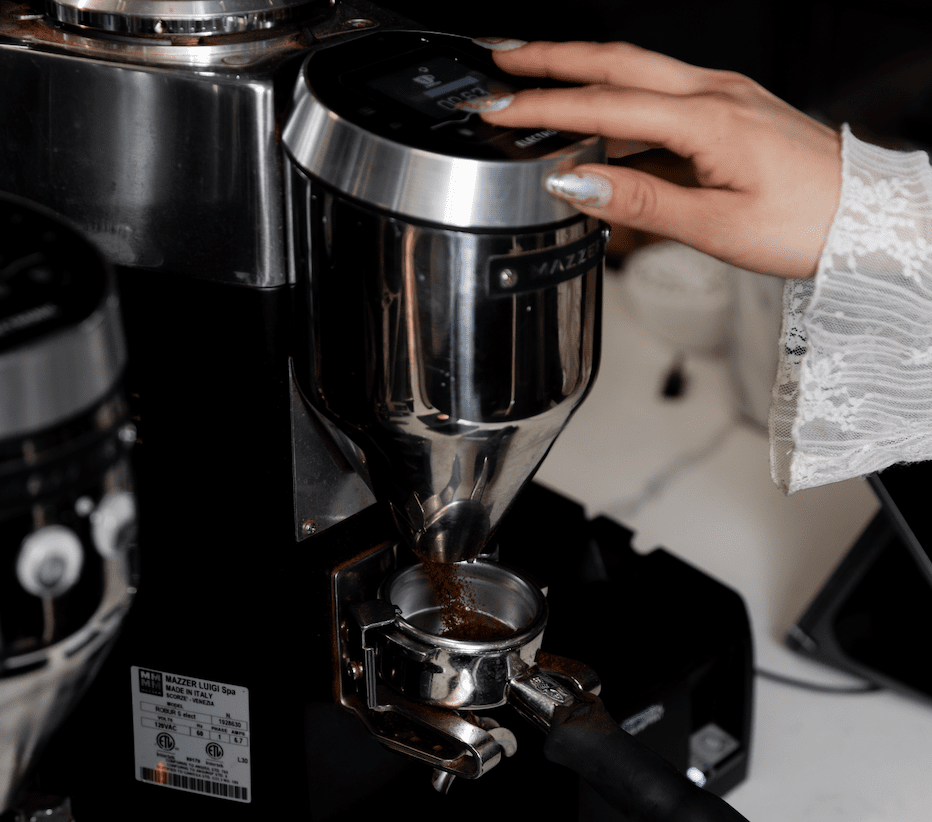
- Clean Grinder (if applicable): If your machine has an integrated grinder, follow the manufacturer's instructions for cleaning it, often involving a brush or specialized grinder cleaning tablets to remove coffee oil buildup.

Source: youtube.com
Monthly Coffee Machine Maintenance Tips
Monthly maintenance involves deeper cleaning actions that address components not typically touched daily or weekly. These comprehensive coffee machine maintenance tips are crucial for preventing long-term issues and ensuring robust performance. Adhering to these monthly coffee machine maintenance tips will significantly contribute to your machine's longevity.
- Backflushing Espresso Machines: For espresso machines with a three-way valve, backflushing with a specialized cleaning tablet or powder is vital. This process flushes out coffee oils and grounds from the brew group and internal lines.
- Cleaning Steam Wand: If your machine has a steam wand, disassemble and soak the tip in warm water, then use a small brush or paper clip to clear any milk residue from the nozzle. Purge the wand before and after each use to minimize buildup.
- Thorough Cleaning of All Removable Parts: Take apart all removable components – frothing wands, filters, trays, and reservoirs – and wash them thoroughly with warm, soapy water. Ensure they are completely dry before reassembling.
- Checking Seals and Gaskets: Inspect rubber seals and gaskets for cracks, wear, or hardening. Damaged seals can lead to leaks and pressure loss. Replace them if necessary, as part of your proactive coffee machine maintenance tips.
Source: commonroomroasters.com
Descaling Your Coffee Machine: A Critical Step
Descaling is arguably the most critical aspect of coffee machine maintenance tips, directly impacting the machine's efficiency and the coffee's taste. Limescale, composed primarily of calcium and magnesium, originates from the water used in your machine. Over time, it adheres to heating elements and pipes, creating a resistive layer that reduces heat transfer and narrows water pathways.
This buildup forces your machine to work harder, consuming more energy and potentially leading to component failure. More importantly, limescale can leach into your coffee, imparting an off-flavor. The frequency of descaling depends on your water hardness and how often you use your machine. For most households with moderately hard water, descaling every 1-3 months is a good rule of thumb, but if you notice a slower brew time or a change in taste, it's likely time to descale.
When it comes to descaling solutions, you have two primary options:
- Commercial Descalers: These are specifically formulated for coffee machines and are often recommended by manufacturers. They are highly effective at dissolving limescale and are generally safe for machine components.
- White Vinegar: A common household alternative, white vinegar can also dissolve limescale. However, it requires thorough rinsing to remove its strong odor and taste, which can linger and affect subsequent brews. Some manufacturers also advise against using vinegar as it can potentially damage certain internal rubber or plastic components over time, so always check your machine's manual.
The general descaling process involves filling the water reservoir with the descaling solution (or a 1:1 mixture of white vinegar and water), running half of the solution through the brew cycle without coffee, letting it sit for 20-30 minutes, and then running the rest of the solution through. Afterward, rinse the machine thoroughly by running several full reservoirs of clean water through the brew cycle to flush out any remaining descaler and taste. Always refer to your specific machine's manual for detailed descaling instructions, as procedures can vary significantly.
Filter Replacement and Water Quality
The quality of the water you use is paramount to both the taste of your coffee and the health of your machine. Water filters play a crucial role in enhancing both aspects, making their maintenance a vital part of coffee machine maintenance tips. Tap water, even if it tastes fine to drink, often contains chlorine, sediment, and minerals that can degrade coffee flavor and contribute to limescale buildup.
Water filters, commonly found in the reservoirs of many coffee makers, are designed to remove these impurities. There are generally two types:
- Carbon Filters: These primarily remove chlorine and improve taste.
- Ion-Exchange Filters: These reduce hardness minerals, directly combating limescale formation.
Replacing these filters regularly, typically every 1-3 months or as recommended by the manufacturer, is non-negotiable. A saturated filter loses its effectiveness, allowing impurities to pass through, negating the benefits. Using filtered water significantly extends the period between descaling cycles and ensures a cleaner, purer coffee taste. Neglecting filter replacement can lead to increased descaling frequency and a less enjoyable brew, undermining all other coffee machine maintenance tips.

Troubleshooting Common Maintenance Issues
Even with diligent coffee machine maintenance tips, issues can sometimes arise. Knowing how to diagnose and address minor problems can save you time and frustration.
- Slow Drip: This is almost always a sign of limescale buildup or a clogged brew head. Try descaling first. If it persists, clean the brew head thoroughly with a brush and ensure all holes are clear.
- Leaking: Check all connections, including the water reservoir and brew group. If seals or gaskets are worn, they will need replacement. Sometimes, a poorly seated water tank can also cause leaks.
- No Power: Ensure the machine is properly plugged in and the outlet is working. Check the power switch. If these are fine, it might indicate an internal electrical issue that requires professional attention.
- Unusual Noises: Gurgling or grinding sounds can indicate an airlock in the pump (try running a full cycle with a full reservoir to clear it) or a malfunctioning pump in older machines. Grinding noises from an integrated grinder might mean a foreign object is present or the burrs need cleaning.

Source: ncbsales.com
Beyond the Basics: Advanced Coffee Machine Care
While daily, weekly, and monthly routines cover most needs, some aspects of coffee machine maintenance tips require a deeper approach.
- Professional Servicing: For high-end or commercial machines, consider professional servicing annually. Technicians can perform deeper cleaning, inspect internal components, and replace worn parts that are inaccessible to the average user. This extends the life and efficiency of your investment.
- Storage Tips: If you're storing your coffee machine for an extended period, ensure it's thoroughly cleaned and dried to prevent mold or mildew growth. Drain all water, clean all parts, and store it in a dry, temperate environment.
- Understanding Your Machine's Manual: This cannot be stressed enough. Each coffee machine is unique, and its manual contains specific coffee machine maintenance tips, instructions, and warnings tailored to its design. Always refer to it for detailed cleaning procedures, descaling recommendations, and troubleshooting specific to your model. Adhering to these guidelines protects your warranty and ensures optimal performance.

Source: almenhaz.com
Frequently Asked Questions
How often should I clean my coffee machine?
Daily rinsing of removable parts is ideal, weekly deep cleaning of the brew group and reservoir is recommended, and monthly descaling or thorough cleaning should be performed to maintain optimal performance.
Can I use vinegar to descale my coffee machine?
Yes, white vinegar can be used, but it's crucial to check your machine's manual first, as some manufacturers advise against it. Always rinse the machine thoroughly with several cycles of clean water afterward to remove any lingering taste or odor.
What happens if I don't descale my coffee machine?
Neglecting descaling leads to limescale buildup, which reduces heating efficiency, restricts water flow, can damage internal components, and imparts a bitter, off-flavor to your coffee.
How do I clean a clogged coffee machine?
A clogged machine often indicates limescale buildup. Begin by descaling the machine using a commercial descaler or vinegar solution. If the issue persists, manually clean the brew head and nozzles with a small brush or needle to clear any blockages.
Do all coffee machines require the same maintenance?
While basic principles like cleaning and descaling apply to most, the specific procedures and frequency can vary significantly based on the machine type (e.g., espresso, drip, pod), manufacturer recommendations, and water hardness. Always consult your machine's user manual for precise coffee machine maintenance tips.
Conclusion
Embracing a consistent routine of coffee machine maintenance tips is the most effective way to protect your investment and guarantee a superior coffee experience every day. From daily rinses to periodic descaling, each step contributes to the longevity and performance of your machine, ensuring every cup is as rich and flavorful as the first. By integrating these expert coffee machine maintenance tips into your routine, you are not just cleaning an appliance; you are curating a better brewing future for yourself. Take the proactive step today: review your machine's manual, apply these comprehensive coffee machine maintenance tips, and rediscover the true potential of your daily coffee ritual. For more in-depth guides and appliance care advice, consider subscribing to our newsletter or exploring our other resources.

- Are Pod Coffee Machines Healthy? The Unfiltered Truth About Your Daily Cup - September 27, 2026
- Does Gatorade Have Caffeine? Here’s What’s in Each Type - September 26, 2026
- Does Powerade Have Caffeine, or Is That a Myth? - September 26, 2026