
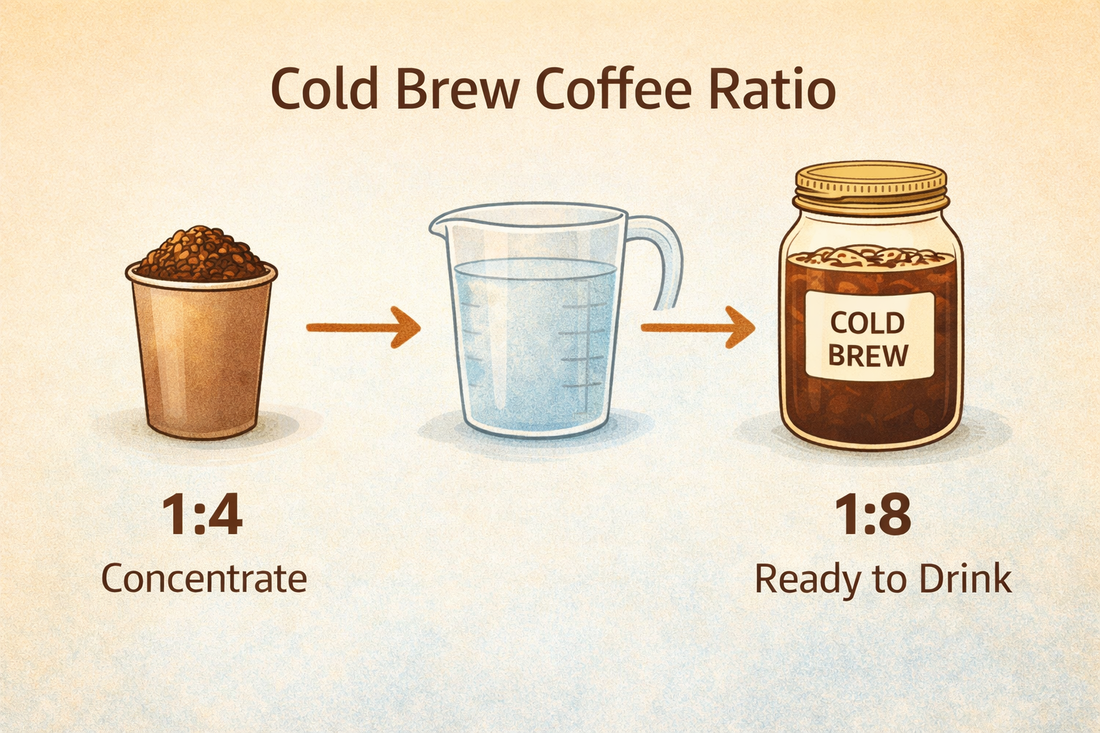
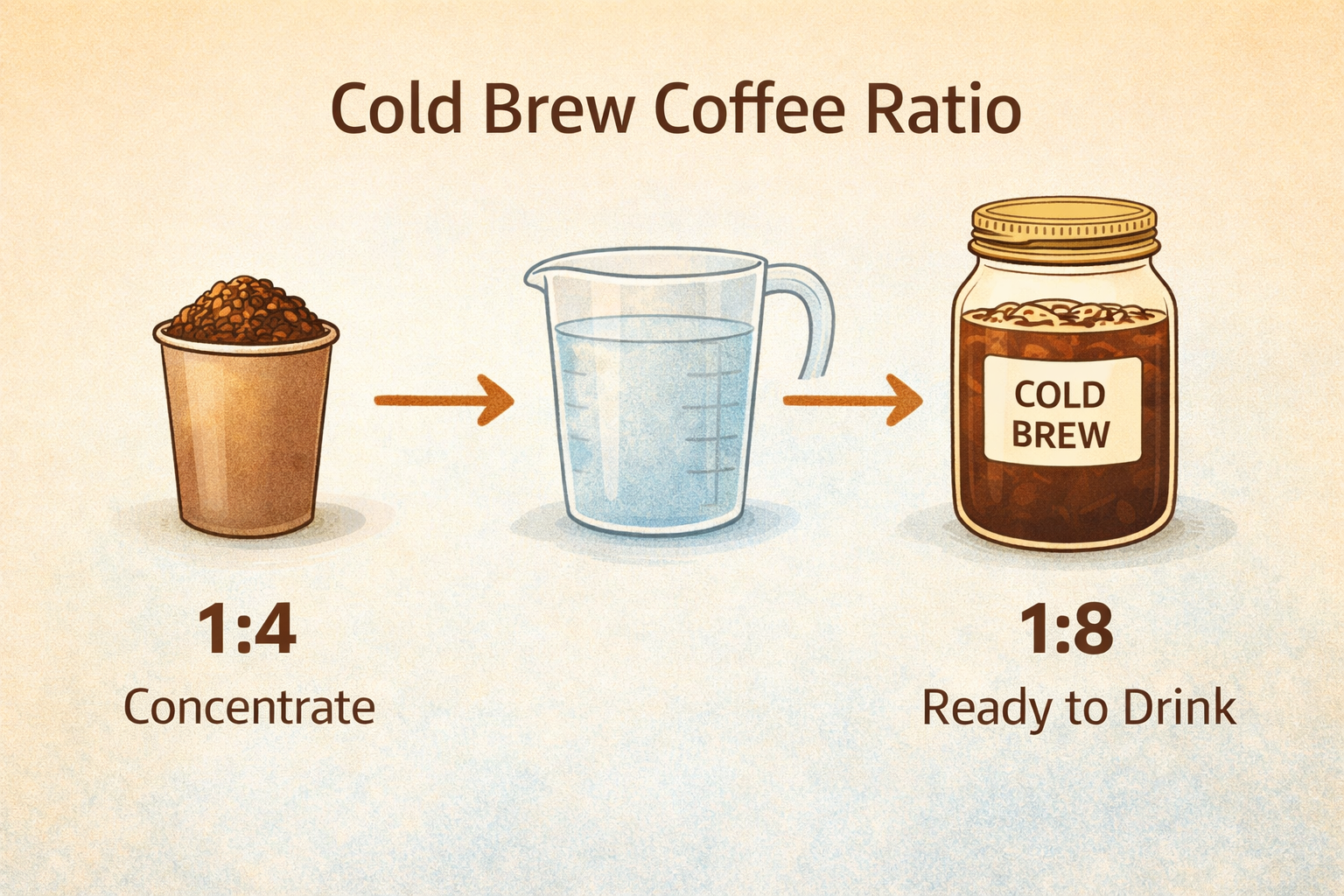
For beginners, the ideal cold brew coffee ratio is typically 1:4—one part coffee to four parts water by weight.
Embarking on the journey of crafting your own cold brew coffee can transform your morning routine, offering a smoother, less acidic, and naturally sweeter coffee experience. Many new enthusiasts often wonder about the precise cold brew coffee ratio to achieve that perfect brew. Having personally experimented with countless batches over the years, I can attest that mastering this fundamental ratio is the cornerstone of exceptional cold brew, allowing you to consistently produce a cafe-quality concentrate right in your kitchen. This comprehensive guide will demystify the art of cold brew, ensuring you have the expertise to make delicious, perfectly balanced cold brew coffee every time.
Understanding Cold Brew Coffee
Cold brew coffee is a unique extraction method that uses cold or room-temperature water over an extended period, rather than hot water. This prolonged steeping process gently pulls flavor compounds from the coffee grounds, resulting in a distinctively smooth, rich, and naturally sweet concentrate. Unlike traditional iced coffee, which is hot-brewed coffee chilled over ice, cold brew avoids the rapid oxidation and high acidity often associated with heat-based extraction. The cooler temperatures prevent the extraction of bitter oils and acids, yielding a beverage that is significantly less acidic and easier on the stomach. It's an elegant, low-effort way to enjoy coffee that prioritizes flavor and digestibility.

The Golden Cold Brew Coffee Ratio for Beginners
The foundation of any great cold brew lies in its coffee-to-water ratio. For beginners, a 1:4 ratio by weight is highly recommended. This means for every 1 gram of coffee, you will use 4 grams of water. This specific cold brew coffee ratio typically produces a robust concentrate that can be diluted later to your preferred strength, making it versatile for various beverages. Many find this ratio offers the perfect balance, ensuring enough strength for a flavorful concentrate without being overwhelmingly intense or too weak. It's a reliable starting point that minimizes common brewing mistakes and helps you consistently achieve a delicious cup.
The Coffee-to-Water Ratio Explained
When we talk about the cold brew coffee ratio, we're discussing the proportion of coffee grounds to water. Using a kitchen scale for precise measurements is crucial here, as volume measurements for coffee can be inconsistent due to varying grind sizes and bean densities. A 1:4 ratio by weight means that if you use 200 grams of coffee, you will need 800 grams of water. This results in a concentrate that is often too strong to drink straight and is designed to be diluted with water, milk, or ice. Understanding this core cold brew coffee ratio allows for flexibility and customization in your final beverage.
Coffee Grind Size Matters
The grind size of your coffee plays a significant role in the cold brew process and directly impacts the effectiveness of your cold brew coffee ratio. For cold brew, a coarse grind, similar to breadcrumbs or sea salt, is essential. Fine grinds can lead to over-extraction, resulting in a bitter, muddy, and sometimes gritty cold brew because they expose too much surface area to the water. A coarse grind ensures a slower, more even extraction, preventing bitterness and making filtration much easier. When preparing your coffee, tell your barista it's for cold brew or grind it yourself on the coarsest setting. This deliberate choice in grind size complements the cold brew coffee ratio perfectly, ensuring a clean and flavorful extraction.
Water Quality's Role
The quality of your water is often an overlooked yet critical component in making exceptional cold brew. Since cold brew is about 98% water, the characteristics of that water will significantly influence the final taste. Using filtered water or good quality spring water is highly recommended. Tap water, especially if it's heavily chlorinated or contains high mineral content, can impart off-flavors that detract from your cold brew. Just as a chef selects the freshest ingredients, a cold brew enthusiast understands that clean, neutral-tasting water is paramount to letting the coffee's nuanced flavors shine through. This attention to detail, combined with the right cold brew coffee ratio, elevates your brew from good to great.
Step-by-Step Guide to Making Perfect Cold Brew
Creating cold brew at home is surprisingly simple, especially once you grasp the core cold brew coffee ratio. This process is more about patience than precision, making it perfect for beginners.
Here’s how to make your own delicious cold brew:
-
Gather Your Ingredients and Equipment:
- Coffee Beans: Choose your favorite beans, ideally freshly roasted.
- Water: Use filtered water for the best taste.
- Grinder (Optional): A burr grinder is ideal for a consistent coarse grind.
- Container: A large jar, pitcher, or a specialized cold brew maker.
- Scale: Essential for accurately measuring your cold brew coffee ratio.
- Strainer: A fine-mesh sieve.
- Filter: Cheesecloth, a coffee filter, or a nut milk bag.
-
Instructions:
- Grind Your Coffee: Measure your coffee beans and grind them coarsely. Remember, a coarse grind is key for cold brew. For a 1:4 cold brew coffee ratio, if you want to make a medium batch, start with 100 grams of coffee.
- Combine Coffee and Water: Place the coarsely ground coffee into your container. Pour 400 grams of filtered water over the grounds, maintaining your 1:4 cold brew coffee ratio. Ensure all the grounds are fully saturated; you might need to gently stir to achieve this.
- Steep: Cover the container and let it steep at room temperature or in the refrigerator.
- Strain: After steeping, strain the coffee concentrate. First, pour the mixture through a fine-mesh sieve to remove the larger grounds.
- Filter: For a cleaner, sediment-free concentrate, filter the liquid again through cheesecloth, a paper coffee filter (lining the sieve), or a nut milk bag. This step is crucial for clarity.
- Store: Transfer the finished cold brew concentrate to an airtight container and store it in the refrigerator. It typically stays fresh for up to two weeks.
Steeping Time
The steeping time is a variable that allows for personal customization of your cold brew. While the cold brew coffee ratio sets the stage, the duration of steeping dictates the final strength and flavor profile. Generally, an optimal steeping time ranges from 12 to 24 hours. A shorter steep (12-16 hours) will yield a lighter, brighter concentrate, while a longer steep (18-24 hours) will produce a bolder, more intense flavor. Experimentation is encouraged here; my personal preference usually lands around 18 hours, as I find it strikes a perfect balance. Factors like your chosen coffee bean, grind size, and ambient temperature can also influence the ideal steeping duration.
Troubleshooting Common Cold Brew Issues
Even with the correct cold brew coffee ratio, you might encounter some common issues. Knowing how to troubleshoot these can save your brew and enhance your future batches.
Too Weak Cold Brew
If your cold brew tastes watery or lacks flavor, it's likely too weak. This can stem from a few factors. Firstly, double-check your cold brew coffee ratio; you might need to increase the coffee-to-water proportion (e.g., move towards a 1:3.5 ratio). Secondly, consider extending your steeping time. If you only steeped for 12 hours, try 18 or even 24 hours for a more robust extraction. Lastly, ensure your coffee grind isn't too coarse, which can prevent efficient flavor extraction. Sometimes, a slightly finer coarse grind can make a noticeable difference.
Too Strong Cold Brew
Conversely, if your cold brew concentrate is overwhelmingly strong or has an intense, almost burnt flavor, it's likely over-extracted. The simplest solution is to dilute it further with water or milk until it reaches your desired strength. For future batches, you could adjust your cold brew coffee ratio to be slightly less concentrated (e.g., 1:4.5 or 1:5). Reducing the steeping time by a few hours can also help, as can ensuring your grind is appropriately coarse. An overly fine grind will result in faster, more intense extraction, so check your grind consistency.
Muddy Cold Brew
A muddy or gritty cold brew is a common beginner's woe and almost always points to an issue with filtration or grind size. The primary culprit is often using a grind that is too fine, allowing small particles to pass through your filter. Ensure your coffee is ground coarsely enough. Secondly, enhance your filtration process. Use a high-quality filter or double-filter your cold brew. After the initial strain through a fine-mesh sieve, filter it again through a paper coffee filter or a very tightly woven cheesecloth. This extra step will yield a much cleaner, clearer cold brew concentrate.

Advanced Tips for Customizing Your Cold Brew
Once you've mastered the basic cold brew coffee ratio and technique, you can begin to experiment and personalize your brew. This is where the real fun of cold brew truly begins, allowing you to tailor it precisely to your palate.
Adjusting the Ratio for Personal Preference
The 1:4 cold brew coffee ratio is an excellent starting point, but it's not a rigid rule. Many enthusiasts adjust this ratio to achieve a specific strength or intensity. If you prefer a very bold concentrate for diluting significantly, you might lean towards a 1:3 ratio. Conversely, if you want a lighter concentrate that's closer to ready-to-drink strength, a 1:5 or 1:6 ratio could be ideal. My own journey with cold brew has seen me play with ratios ranging from 1:3.5 for a super strong concentrate perfect for mixed drinks, to 1:5 when I know I'll be drinking it black and want a milder flavor. Don't be afraid to incrementally adjust your cold brew coffee ratio by a small amount each time and note the results to find your perfect balance.
Experimenting with Coffee Beans
The type of coffee bean you use will profoundly affect the flavor of your cold brew. Different roasts and origins offer distinct profiles. A medium or dark roast often produces a richer, bolder cold brew with notes of chocolate and nuts, making it a popular choice. Lighter roasts, however, can yield a surprisingly complex cold brew with brighter, more nuanced fruity or floral notes that are often masked by hot brewing. I've found that some single-origin beans truly shine in cold brew, revealing flavors you might never detect in a hot cup. Don't be afraid to try different beans to discover new favorites and see how they interact with your chosen cold brew coffee ratio.
Frequently Asked Questions of Cold Brew Coffee Ratio for Beginners
How much coffee do I use for 1 liter of water for cold brew?
For 1 liter (1000 grams) of water, using a 1:4 cold brew coffee ratio, you would need 250 grams of coarsely ground coffee to make a concentrate. This provides a strong base for dilution.
Can I use regular ground coffee for cold brew?
While you technically can, it is not recommended. Regular ground coffee is usually too fine and will lead to an over-extracted, bitter, and muddy cold brew that is difficult to filter properly. Always opt for a coarse grind.
How long does cold brew concentrate last in the fridge?
Cold brew concentrate, when stored in an airtight container in the refrigerator, typically remains fresh and flavorful for up to two weeks. Its quality may gradually diminish after this period.
What is the difference between cold brew and iced coffee?
Cold brew is coffee steeped in cold water for an extended period, resulting in a low-acid concentrate. Iced coffee is traditionally hot-brewed coffee that is then chilled and served over ice, retaining its higher acidity and sometimes a more bitter profile.
Do I need special equipment to make cold brew?
No, you don't need special equipment. A large jar, a fine-mesh strainer, and a coffee filter or cheesecloth are usually sufficient. However, dedicated cold brew makers can simplify the process, especially filtration.
Conclusion
Mastering the cold brew coffee ratio is an approachable and rewarding endeavor for any coffee enthusiast. By starting with the foundational 1:4 coffee-to-water ratio, you set yourself up for consistent success, yielding a smooth, less acidic concentrate that is miles ahead of store-bought alternatives. Remember that a coarse grind, quality water, and adequate steeping time are equally vital partners to your chosen cold brew coffee ratio, collectively influencing the final flavor. Don't hesitate to experiment with different beans and subtle adjustments to the cold brew coffee ratio to discover your own perfect brew. Take the leap, try your hand at this simple yet transformative method, and elevate your daily coffee ritual. For more tips and to share your own cold brew journey, consider exploring additional resources or connecting with other home brewers online.

- Are Pod Coffee Machines Healthy? The Unfiltered Truth About Your Daily Cup - September 27, 2026
- Does Gatorade Have Caffeine? Here’s What’s in Each Type - September 26, 2026
- Does Powerade Have Caffeine, or Is That a Myth? - September 26, 2026