
Japanese iced coffee is rapidly chilled hot coffee brewed directly over ice, preserving its nuanced flavors and vibrant aromatics.
For those who cherish the delicate balance and intricate flavors of a well-brewed cup, the prospect of an equally exquisite iced coffee often presents a challenge. Many standard methods dilute the coffee, diminish its character, or simply fail to capture the original brew's essence. This comprehensive Japanese iced coffee brewing guide, however, promises to revolutionize your approach to cold coffee, delivering a product that stands shoulder-to-shoulder with its hot counterpart. As a seasoned coffee enthusiast who has meticulously explored countless brewing techniques, I can attest to the unparalleled clarity and intensity achieved through the Japanese flash chill method, making it an indispensable skill for any discerning home barista.

Understanding Japanese Iced Coffee: The Flash Chill Method
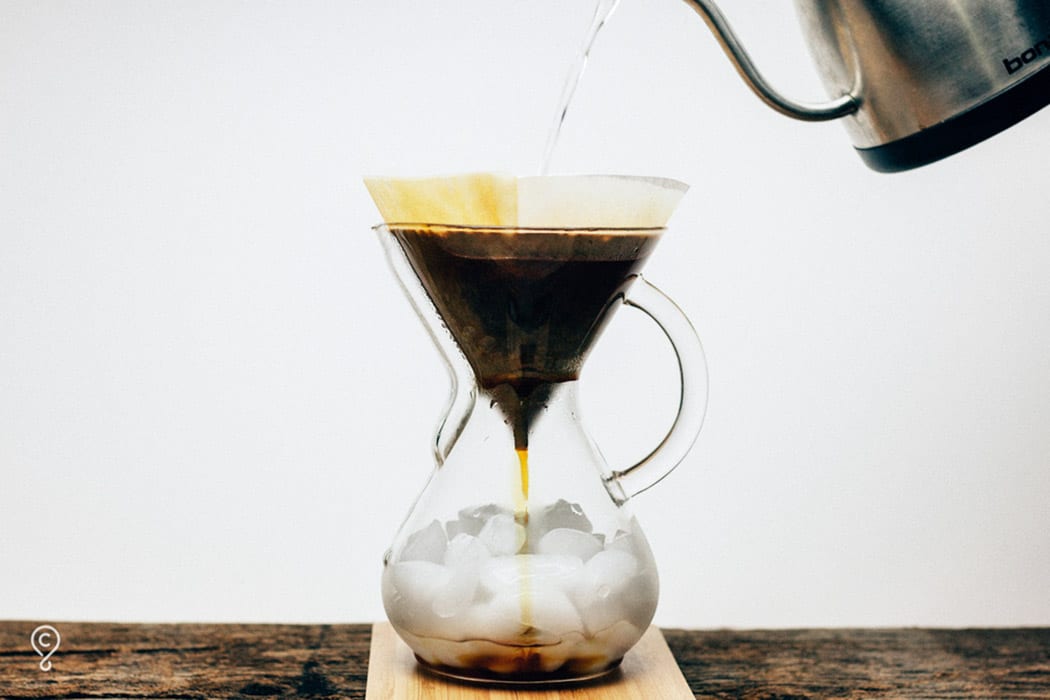
Japanese iced coffee, often referred to as flash chilled or "iced pour-over," is a distinct brewing method that directly addresses the common pitfalls of traditional iced coffee. Unlike cold brew, which involves steeping coffee grounds in cold water for an extended period, or simply chilling hot coffee after it's brewed, the Japanese method is about rapid cooling. The fundamental principle involves brewing hot coffee at a higher concentration directly over a pre-measured amount of ice. This instantaneous cooling locks in the delicate aromas and bright acidity that can be lost when hot coffee cools slowly, resulting in a remarkably clean, vibrant, and aromatic beverage. The brilliance of this Japanese iced coffee brewing guide lies in its ability to deliver a refreshing drink that truly highlights the inherent characteristics of your chosen coffee beans.

Why Choose Japanese Iced Coffee? Benefits and Unique Qualities
Opting for the Japanese iced coffee method offers a myriad of benefits that elevate the entire cold coffee experience. First and foremost is the exceptional flavor clarity and aromatic complexity. By flash chilling, you prevent oxidation and the degradation of volatile compounds, preserving the vibrant notes that make specialty coffee so appealing. This method truly allows the inherent qualities of the coffee bean to shine through, whether it's the fruity brightness of an Ethiopian Yirgacheffe or the chocolatey richness of a Brazilian natural.
Furthermore, Japanese iced coffee provides a refreshing acidity and a lighter body compared to the often heavy and low-acid profile of cold brew. It’s a fantastic choice for those hot summer days when you crave something invigorating yet full-flavored. From my own experience, serving a perfectly executed Japanese iced coffee at gatherings always sparks conversation, as guests are consistently surprised by its freshness and distinct taste profile. It's an ideal choice for showcasing single-origin coffees where you want to emphasize their unique terroir.
Essential Equipment for Brewing Japanese Iced Coffee
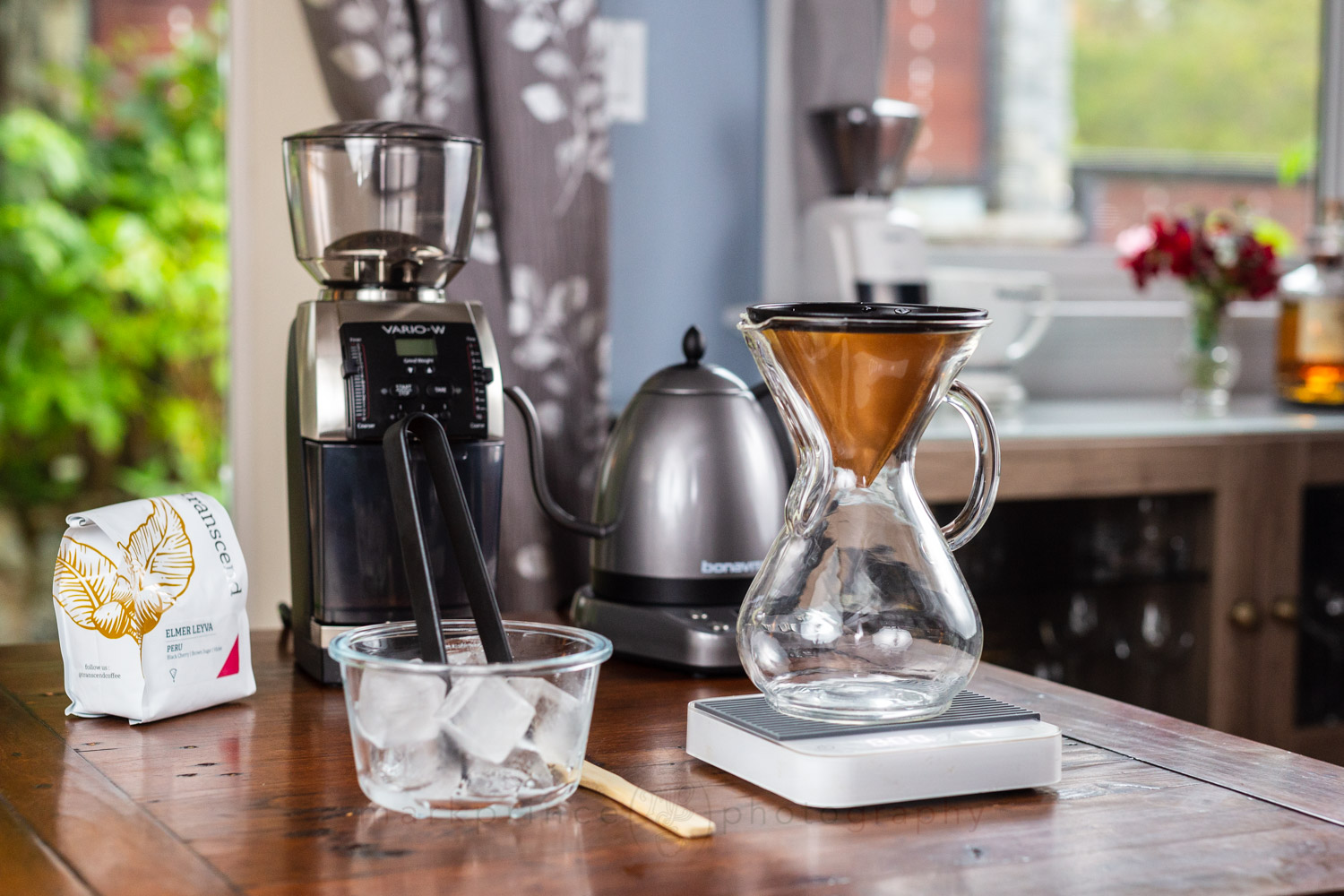
To embark on your journey with this Japanese iced coffee brewing guide, gathering the right equipment is crucial for consistent results. You don't need an elaborate setup, but a few key items will significantly enhance your brewing precision.
- Pour-Over Dripper: A Hario V60 or a Kalita Wave are excellent choices, known for their ability to facilitate even extraction. I personally favor the V60 for its single large hole, offering more control over flow rate.
- Decanter or Server: This will sit beneath your dripper and contain the ice. Ensure it's heat-resistant and has enough capacity for your brewed coffee and ice.
- Gooseneck Kettle: Essential for precise water pouring, which is fundamental to a good pour-over technique. The controlled flow ensures even saturation of the coffee grounds.
- Digital Scale: Accuracy is paramount in coffee brewing. A scale allows you to precisely measure coffee grounds, water, and ice, ensuring consistency.
- Coffee Grinder: A burr grinder is non-negotiable for specialty coffee. Grinding fresh beans right before brewing makes an immense difference in flavor.
- Filter Papers: Matching your dripper type (e.g., V60 filters for a V60).
- High-Quality Coffee Beans: The foundation of any great cup. Select beans with bright, fruity, or floral notes that you enjoy, as these often translate beautifully to the flash chill method.
- Ice: Crucially, you'll need a significant amount of clean, fresh ice. The quality of your ice can impact the final taste, so avoid stale freezer ice.
Step-by-Step Japanese Iced Coffee Brewing Guide
Mastering the Japanese iced coffee brewing guide is a straightforward process once you understand the core principles. Follow these steps for an outstanding cup:
-
Prepare Your Ice and Equipment:
- Weigh out your ice. A common starting ratio is 60% of your total brew water weight in ice. For example, if you plan to use 300g of water for brewing, you'd use 180g of ice in your server. Place the ice in your heat-resistant server.
- Set up your pour-over dripper on top of the server containing the ice. Place a filter in the dripper.
-
Measure and Grind Your Coffee:
- Determine your coffee dose. A good starting point is a 1:15 or 1:16 coffee-to-water ratio for hot brewing. Since we're brewing concentrately over ice, you might adjust slightly. For a 300g final iced coffee, using a 1:12 ratio (e.g., 25g coffee to 300g water) can work well, keeping in mind the ice will dilute it.
- Grind your coffee beans to a medium-fine consistency, similar to table salt. This ensures optimal extraction during the shorter pour-over brew time.
-
Heat Your Water:
- Heat your filtered water to between 200-205°F (93-96°C). Using good quality filtered water is essential for a clean taste.
-
Rinse Your Filter (Optional, but Recommended):
- Pour a small amount of hot water over the filter paper to remove any paper taste and to preheat the dripper. Discard this rinse water before adding your coffee grounds.
-
Add Coffee Grounds and Bloom:
- Pour your freshly ground coffee into the filter, gently shaking to create a flat bed.
- Place the entire setup (server, dripper, coffee) on your digital scale.
- Start a timer. Pour about twice the weight of your coffee grounds in hot water, just enough to saturate all the grounds. For 25g of coffee, pour 50g of water. This is the "bloom" phase, allowing gases to escape and promoting even extraction. Let it bloom for 30-45 seconds.
-
The Main Pour:
- After the bloom, begin your main pour in a slow, controlled, concentric spiral, moving from the center outwards and then back in. Aim to maintain a consistent water level and avoid pouring directly onto the filter walls.
- Continue pouring until you reach your target water weight (e.g., 300g). The hot coffee will drip directly onto the ice, flash chilling immediately. The total brew time, from the start of the bloom, should ideally be between 2:30 and 3:30 minutes.
-
Serve and Enjoy:
- Once all the water has passed through, remove the dripper. Give the server a gentle swirl to ensure the coffee and melted ice are well combined.
- Pour into a chilled glass and savor the crisp, clean flavors of your freshly brewed Japanese iced coffee.

Tips for Perfecting Your Japanese Iced Coffee
Achieving a consistently excellent cup of Japanese iced coffee involves paying attention to a few critical details. My personal journey with this method has taught me that minor adjustments can yield significant improvements.
- Water Quality is Key: Just like with hot coffee, the water you use heavily influences the final taste. Filtered water free from impurities will allow the true flavors of your beans to shine.
- Experiment with Ratios: While a 1:12 or 1:13 coffee-to-water ratio is a great starting point for the hot brew, feel free to adjust. If your coffee tastes too weak, use more coffee; if it's too strong or bitter, reduce the coffee dose or increase water slightly. Remember that the ice will contribute to the final dilution.
- Grind Size Matters: Too fine a grind can lead to over-extraction and bitterness, while too coarse can result in a weak, under-extracted cup. A medium-fine grind is generally recommended for pour-overs.
- The Ice Factor: Use fresh, clean ice. Avoid ice that has been sitting in the freezer for too long and might have absorbed odors. Using filtered water for your ice cubes is also a good practice.
- Pre-Chill Your Server: While not strictly necessary, placing your server with ice in the refrigerator for a few minutes before brewing can help maintain a colder temperature, ensuring more rapid chilling.
- Even Pouring: Practice makes perfect when it comes to the pour-over technique. A consistent, controlled pour is vital for even extraction across the coffee bed.
- Taste and Adjust: The most important tip is to taste your brew and make notes. Did it taste too acidic? Perhaps your water temperature was too low or your grind too coarse. Too bitter? Maybe your water was too hot or your grind too fine. Each bean behaves differently, so don't be afraid to experiment to find your ideal Japanese iced coffee brewing guide parameters.

Troubleshooting Common Issues
Even with a detailed Japanese iced coffee brewing guide, you might encounter some common issues. Here’s how to address them based on my own trial-and-error:
- My Japanese iced coffee tastes watery or weak:
- Solution: Increase your coffee-to-water ratio slightly (e.g., from 1:15 to 1:13). You might also need to use less ice, or ensure your grind isn't too coarse, which can lead to under-extraction.
- My iced coffee tastes too bitter or astringent:
- Solution: This often indicates over-extraction. Try making your grind slightly coarser, lowering your water temperature by a few degrees, or shortening your brew time. Ensure you're not pouring too slowly, which can also contribute to over-extraction.
- My brew takes too long to drain:
- Solution: Your grind is likely too fine. Adjust your grinder to a slightly coarser setting. Also, ensure you aren't pouring too much water at once, which can clog the filter.
- My coffee isn't cold enough:
- Solution: You might not be using enough ice. Ensure your ice weight is at least 60% of your total brew water weight, if not more, especially on very hot days. Pre-chilling your server with the ice can also help.

Personal Reflections on Brewing Japanese Iced Coffee
My journey with coffee has been one of continuous learning and discovery, and the Japanese iced coffee brewing guide truly stands out as a technique that fundamentally changed how I approach cold coffee. For years, I struggled with iced coffee that tasted flat, diluted, or simply lacked the vibrancy of a hot pour-over. I remember one summer attempting to simply chill hot coffee in the fridge, only to be met with a murky, oxidized mess that bore little resemblance to the bright, flavorful brew I started with. It was disappointing, to say the least.
Discovering the flash chill method was an absolute revelation. The first time I successfully brewed a cup using this Japanese iced coffee brewing guide, I was struck by the clarity and aromatic complexity. It was like tasting my favorite single-origin coffee, but perfectly chilled and unbelievably refreshing. It felt like unlocking a secret level in coffee brewing. Since then, it’s become my go-to for warmer months, and I've spent countless hours experimenting with different beans, ratios, and grind sizes to truly perfect it. The satisfaction of sharing a perfectly flash-chilled coffee with friends, seeing their eyes widen with surprise at its exquisite taste, is a joy that never fades. It’s a method that truly respects the coffee bean and delivers an experience that is both sophisticated and incredibly approachable.

Frequently Asked Questions of Japanese iced coffee brewing guide
What kind of coffee beans are best for Japanese iced coffee?
Lighter roasted beans with bright, fruity, or floral notes tend to shine best in Japanese iced coffee, as the flash chilling preserves these delicate aromatics. However, medium roasts with chocolatey or nutty undertones can also produce a wonderfully refreshing and balanced cup.
How much ice should I use for Japanese iced coffee?
A good starting point is to use ice that weighs about 60-70% of the total hot water you'll be brewing with. This ratio ensures rapid chilling without excessive dilution, though you can adjust it based on your preference for strength and desired temperature.
Can I use a French press for Japanese iced coffee?
While the traditional Japanese iced coffee brewing guide typically uses a pour-over method for clarity, you can adapt a French press by brewing a concentrated hot coffee and then straining it directly over ice. The result will have a different body and sediment profile compared to a pour-over.
Is Japanese iced coffee stronger than cold brew?
Japanese iced coffee often has a brighter acidity and a more pronounced flavor profile reflecting its hot brew origins, while cold brew is typically smoother, lower in acidity, and can be very concentrated. The perceived "strength" can vary based on the specific brewing ratios used for each method.
What is the ideal grind size for Japanese iced coffee?
For pour-over methods, a medium-fine grind, similar to table salt, is generally ideal. This balance allows for efficient extraction during the relatively short contact time with hot water, leading to a flavorful and well-balanced cup when flash-chilled.
Conclusion
Embracing the Japanese iced coffee brewing guide opens up a world of refreshing possibilities for any coffee lover. By mastering the flash chill method, you gain the ability to create vibrant, aromatic, and perfectly balanced iced coffee that celebrates the intricate flavors of your chosen beans. It’s a technique that marries precision with passion, transforming your understanding of what cold coffee can truly be. I encourage you to experiment with this method, explore different beans, and find the perfect balance that suits your palate. Dive into the art of Japanese iced coffee, and discover a new favorite way to enjoy your brew, especially as the temperatures rise.

- Are Pod Coffee Machines Healthy? The Unfiltered Truth About Your Daily Cup - September 27, 2026
- Does Gatorade Have Caffeine? Here’s What’s in Each Type - September 26, 2026
- Does Powerade Have Caffeine, or Is That a Myth? - September 26, 2026