
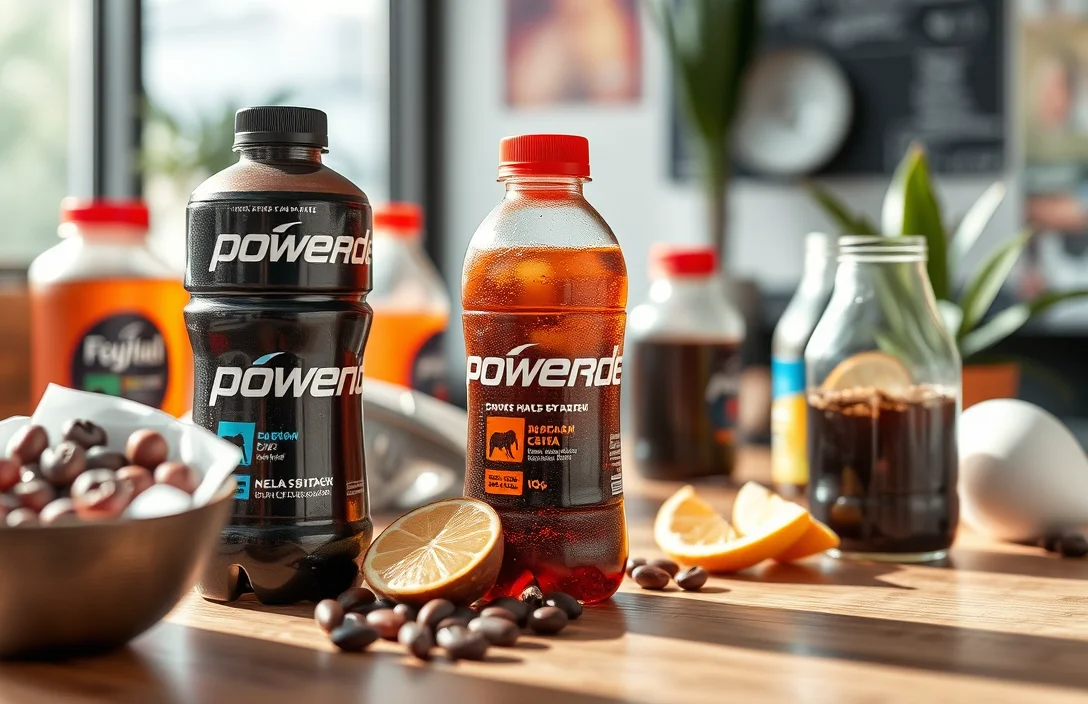
Many consumers are surprised to learn that Powerade does not contain caffeine. This popular sports drink, designed for hydration during physical activities, focuses on electrolytes and carbohydrates, not stimulants. Understanding its ingredients can help make informed choices about your hydration needs.
Powerade has no caffeine, making it a suitable option for those avoiding stimulants. Electrolytes and carbohydrates are its primary components, enhancing performance without the effects of caffeine. Always check labels for other products, as flavors may vary in ingredients.
Powerade Ingredients and Caffeine Analysis
Powerade primarily consists of water, high fructose corn syrup, citric acid, and electrolytes. Each ingredient serves a specific purpose, such as replenishing lost fluids and providing energy. Notably, the formulation does not include caffeine, making it an ideal choice for hydration without the stimulation associated with caffeinated beverages.
Electrolytes like sodium and potassium are included to help restore balance after physical activity. These components enhance performance and recovery without relying on caffeine. Athletes often prefer Powerade for its refreshing taste and effective hydration properties, particularly during intense workouts or competitions.
High fructose corn syrup acts as a sweetener, contributing to energy levels without introducing caffeine. This aspect makes Powerade suitable for individuals sensitive to stimulants or those seeking hydration without the jittery effects often linked to caffeinated drinks. Consumers can confidently choose Powerade without concern for caffeine intake.
Overall, Powerade is designed specifically for hydration and electrolyte replenishment. Its formulation omits caffeine entirely, making it a safe option for hydration during any activity. By understanding the ingredients, users can make informed decisions about their hydration needs.
Caffeine Content in Sports Drinks
Caffeine plays a significant role in many sports drinks, providing both energy and endurance benefits. Athletes often seek out caffeine for its ability to enhance performance and focus during intense physical activity. While not all sports drinks contain caffeine, its inclusion can be a deciding factor for consumers looking for an edge in their workouts or competitions.
Numerous brands incorporate caffeine to improve energy levels and delay fatigue. This stimulant can boost alertness and reaction times, making it appealing for athletes. Many popular sports drinks, including Powerade, are specifically designed to cater to those needing hydration and energy replenishment, but caffeine is not always a component.
Consumers should carefully read labels when selecting their beverages. Some drinks may contain additional stimulants or ingredients that can impact overall performance. Understanding caffeine’s presence in sports drinks like Powerade can help athletes make informed choices based on their specific needs and goals.
Always consider personal tolerance levels before integrating caffeinated options into a training regimen. Some individuals may experience side effects like jitters or heart palpitations, which can hinder performance rather than enhance it. Knowing how caffeine affects your body is crucial for optimizing athletic output.
Comparative Analysis: Powerade vs Gatorade
Powerade does not contain caffeine, offering a distinct formulation compared to Gatorade. While Gatorade has introduced caffeinated options like Gatorade Endurance Formula, the standard versions of both drinks remain caffeine-free. This key difference can influence consumer preference based on energy needs during exercise.
Formulations vary significantly between the two brands. Powerade primarily focuses on electrolytes and carbohydrates for hydration and energy replenishment. Gatorade, on the other hand, has developed a broader range of products that include caffeinated options for those looking for an additional energy boost. This makes Gatorade more versatile for athletes seeking both hydration and stimulation.
| Feature | Powerade | Gatorade |
| Caffeine Content | No caffeine | Varies (some options have caffeine) |
| Electrolyte Focus | Yes | Yes |
| Carbohydrate Sources | Yes | Yes |
Ultimately, personal choices depend on hydration preferences and energy requirements. Athletes needing a caffeine boost may lean towards Gatorade’s caffeinated options, while those avoiding caffeine may prefer Powerade for its straightforward hydration formula.
Health Effects Associated with Caffeine
Caffeine consumption significantly impacts health. Regular intake can lead to increased alertness, improved mood, and enhanced cognitive function. Many individuals rely on caffeine to boost energy levels during workouts or long hours of work. However, moderation is key, as excessive consumption might result in anxiety or sleep disturbances.
Excessive caffeine intake may cause jitters. Individuals consuming more than 400 mg daily often report symptoms like restlessness and rapid heartbeat. These effects can hinder performance during physical activities, as they might distract or lead to discomfort. People should monitor their caffeine consumption, especially if they experience these symptoms.
Withdrawal symptoms can occur for regular users. Signs include headaches, fatigue, and irritability, which typically arise within 24 hours of stopping caffeine. This can deter individuals from cutting back, making it essential to reduce intake gradually rather than abruptly. Awareness of withdrawal effects helps manage caffeine consumption effectively.
Health risks include potential heart issues. While moderate caffeine consumption is generally safe for most, certain individuals, particularly those with heart conditions, should consult healthcare professionals. Understanding personal tolerance levels is crucial for making informed choices about caffeine sources, including beverages like Powerade.
Caffeine-Free Alternatives to Powerade
Electrolyte drinks without caffeine provide hydration and essential nutrients during physical activities. Options like Gatorade, Bodyarmor, and Nuun Hydration deliver these benefits without the stimulating effects of caffeine. Each alternative offers a unique blend of electrolytes and flavors, catering to different taste preferences and dietary needs.
Bodyarmor stands out with its natural ingredients. Featuring coconut water and vitamins, this drink hydrates while providing potassium and electrolytes. Athletes appreciate its refreshing taste and the absence of artificial colors or preservatives, making it a healthy choice.
Nuun Hydration tablets dissolve in water and are convenient for on-the-go hydration. These effervescent tablets come in various flavors and are low in calories. With a blend of electrolytes, they effectively replenish lost minerals during workouts without caffeine.
Pedialyte, originally designed for children, also serves as a great alternative for adults. It offers a balanced electrolyte formula to help restore hydration after intense exercise. Available in ready-to-drink pouches or powdered form, it provides versatility and convenience.
Homemade sports drinks can be easily prepared using water, salt, and fruit juice. Combining these ingredients allows for control over sugar levels and flavor. This DIY option ensures hydration and can be tailored to individual preferences, making it a practical alternative to commercial products.
Recommended Choices for Sports Hydration
Selecting the right sports drink enhances hydration and energy without unwanted additives. Powerade, known for its flavors and electrolytes, does not contain caffeine, making it a suitable choice for hydration-focused activities. Here are reliable options to consider for optimal performance:
- Look for electrolyte-rich formulas. Drinks with sodium, potassium, and magnesium help replenish essential minerals lost during exercise.
- Opt for low-sugar alternatives. Many brands offer low-calorie options that maintain hydration without excessive sugar, making them suitable for various fitness levels.
- Prioritize natural ingredients. Brands that use natural fruit flavors and sweeteners provide a healthier choice, aligning with many athletes’ dietary preferences.
- Test flavors before committing. Sampling different flavors ensures that you find a drink that you enjoy, which can encourage consistent hydration during workouts.
- Check for additional vitamins. Some sports drinks include B vitamins and antioxidants, which may support energy metabolism and overall health.
Reviewing these aspects will help you choose the best drink for hydration needs, ensuring you stay energized and refreshed during your activities.
Understanding Hydration and Electrolyte Balance
Hydration plays a crucial role in athletic performance. Maintaining adequate fluid levels helps prevent dehydration, which can lead to fatigue, decreased coordination, and impaired cognitive function. Sports drinks like Powerade are designed to replenish lost fluids during intense activities, ensuring athletes remain at their peak.
Electrolytes, such as sodium and potassium, are vital for muscle function. These minerals help regulate nerve signals and muscle contractions. Without sufficient electrolytes, athletes risk muscle cramps and performance decline. Powerade contains these essential electrolytes, making it a practical choice for hydration during strenuous exercise.
Balancing fluid and electrolyte intake is essential for optimal performance. Athletes should monitor their hydration status before, during, and after exercise. By consuming sports drinks that replace both fluids and electrolytes, individuals can enhance endurance and recovery. Powerade serves this purpose effectively, promoting better hydration strategies in sports.
Monitoring electrolyte levels can prevent imbalances. Recognizing signs of deficiency, such as weakness or confusion, is important for athletes. Choosing drinks with the right electrolyte composition can sustain performance and reduce the risk of dehydration. Thus, understanding hydration and electrolyte balance is key to maximizing athletic potential.
Consumer Tips for Reading Labels Effectively
Focus on the ingredients list first. Ingredients are listed by weight, meaning the first few items are the most prevalent in the product. If caffeine is included, it will appear here, often labeled as caffeine or caffeine anhydrous. Checking this list ensures you know exactly what you’re consuming.
Pay attention to serving sizes. Beverage labels often provide information based on a specific serving size, which can differ from what you might typically drink. If a bottle contains two servings, and you consume the entire bottle, be sure to double any caffeine content listed.
Look for disclaimers or notes. Some products indicate if they are caffeine-free or contain caffeine in small amounts. These notes can clarify any confusion regarding the drink’s stimulant content, ensuring you make informed choices based on your dietary needs.
Seek third-party certifications. Certain beverages may have certifications from health organizations indicating they meet specific criteria, including caffeine content guidelines. These certifications can offer additional assurance about the product’s contents.
Consider your own caffeine tolerance. Individual tolerance levels vary, so understanding how your body reacts to caffeine can help guide your choices. If you are sensitive to stimulants, prioritizing caffeine-free options like Powerade can assist in maintaining your preferred hydration strategy.
Quick Summary
- Powerade is primarily marketed as a sports drink designed to hydrate and replenish electrolytes.
- Most Powerade flavors do not contain caffeine.
- Some versions of Powerade, such as Powerade Zero, are also caffeine-free.
- Always check the label for specific ingredients, as formulations may vary by region and flavor.
- Caffeine is generally not a common ingredient in traditional sports drinks like Powerade.
- For a caffeine boost, consumers may consider alternative products specifically designed to contain caffeine.
Frequently Asked Questions
Does Powerade contain caffeine?
No, Powerade does not contain caffeine. It is primarily a sports drink designed to replenish electrolytes and provide hydration without the stimulant effects of caffeine.
What are the main ingredients in Powerade?
The main ingredients in Powerade include water, high fructose corn syrup, electrolytes (like sodium and potassium), and artificial flavors and colors. These components help to hydrate and replenish lost nutrients during physical activity.
Are there any Powerade flavors that contain caffeine?
All Powerade flavors are caffeine-free. If you’re looking for a caffeinated sports drink, you may want to consider other brands that specifically market their products with added caffeine.
What are the benefits of drinking Powerade?
Powerade helps replenish electrolytes lost through sweat during exercise, supports hydration, and provides carbohydrates for energy. It’s particularly beneficial for athletes engaging in prolonged or intense physical activity.
Can I drink Powerade if I’m sensitive to caffeine?
Yes, Powerade is a suitable option for those sensitive to caffeine since it does not contain any. You can enjoy it without worrying about caffeine-related side effects.

- Unlocking the Venti: Discover the Perfect Shot Count for Your Drink - October 13, 2026
- Unpacking the Buzz: Caffeine Levels in Café Bustelo Espresso - October 13, 2026
- How to Fix Bitter Coffee: 10 Expert Ways to Improve the Taste - October 4, 2026