
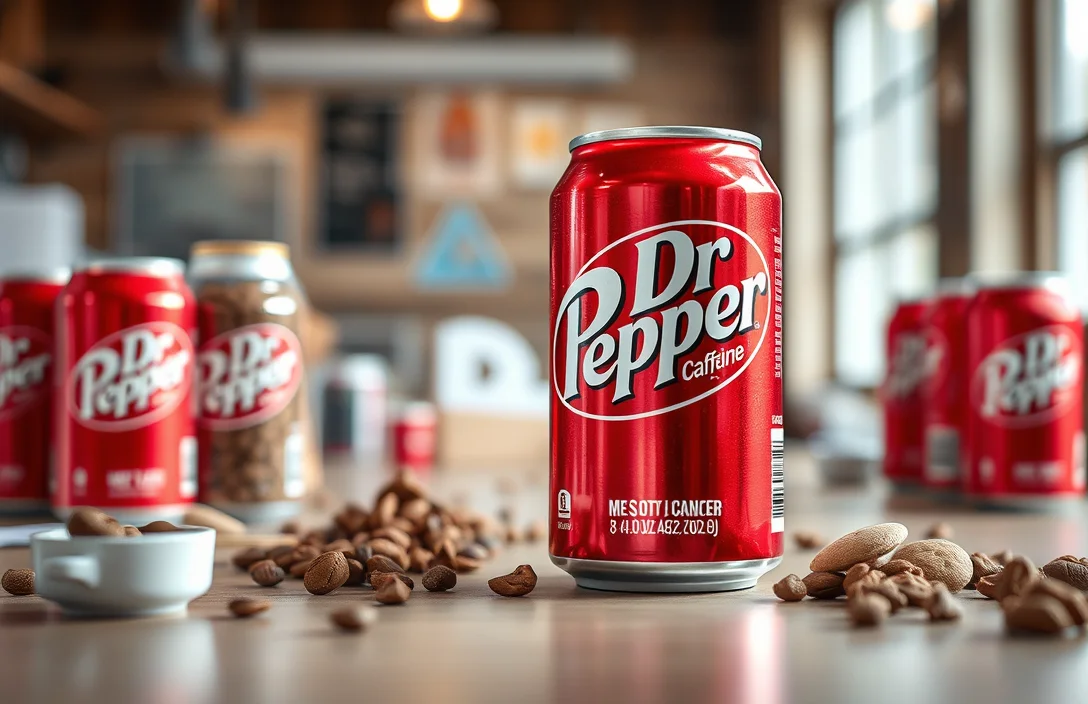
20 ounces of Dr Pepper contains about 41 milligrams of caffeine, making it a moderate source compared to other soft drinks. For those looking for a quick caffeine boost without excessive intake, this popular beverage provides a refreshing option that many enjoy daily.
Dr Pepper’s caffeine content is lower than coffee but higher than decaf soda. This makes it suitable for those seeking mild stimulation without the jitters associated with stronger caffeinated drinks.
Caffeine Content in 20 oz Dr Pepper
Dr Pepper contains approximately 54 milligrams of caffeine in a 20 oz serving. This amount places it in a moderate range compared to other caffeinated beverages like sodas and energy drinks. Understanding the caffeine concentration helps consumers decide how it fits into their daily caffeine intake.
Caffeine acts as a stimulant, potentially enhancing alertness and reducing fatigue. Drinking a 20 oz Dr Pepper can provide a quick energy boost, making it popular for those needing an afternoon pick-me-up. Knowing the specific caffeine content allows individuals to balance their consumption with other sources of caffeine.
Monitoring caffeine intake is crucial for those sensitive to its effects. While 54 milligrams is not excessive, it’s essential to be aware of how it interacts with other caffeinated products throughout the day. Many people enjoy a variety of drinks, so understanding the cumulative effect is vital for maintaining energy levels without overindulgence.
Understanding 20 oz Serving Size
Serving size significantly impacts caffeine consumption. A 20 oz Dr Pepper contains a specific amount of caffeine that can influence your daily intake. Knowing this quantity allows individuals to gauge how it fits into their overall caffeine consumption, especially if they consume other caffeinated beverages throughout the day.
Measuring caffeine levels in a 20 oz drink is essential for awareness. Many people underestimate how much caffeine they consume from soft drinks like Dr Pepper. Recognizing that this serving size typically contains around 54 mg of caffeine helps individuals make informed choices about their intake, especially if they are sensitive to caffeine or trying to limit it.
Balancing caffeine intake requires awareness of personal tolerance. Each person reacts differently to caffeine, and understanding how a 20 oz serving affects you can guide your consumption. Keeping track of how you feel after drinking it can lead to better decisions regarding your caffeine habits and overall energy levels.
Monitoring your total caffeine intake enhances well-being. The 20 oz serving serves as a benchmark for understanding how much caffeine you’re consuming from Dr Pepper compared to other sources. This knowledge empowers you to manage your energy levels effectively and avoid potential caffeine overload.
Comparative Caffeine Levels in Soft Drinks
Caffeine content varies significantly among popular soft drinks. A 20 oz serving of Dr Pepper contains approximately 41 mg of caffeine, positioning it in the mid-range compared to other beverages. For instance, Coca-Cola and Pepsi have similar levels, while Mountain Dew is noticeably higher.
Notably, some other popular options present different caffeine levels. Here’s a quick comparison:
| Soft Drink | Caffeine (mg per 20 oz) |
|---|---|
| Dr Pepper | 41 |
| Coca-Cola | 46 |
| Pepsi | 63 |
| Mountain Dew | 72 |
Comparatively, energy drinks far exceed these levels, often containing 200 mg or more in the same serving size. Consumers seeking moderate caffeine intake may prefer Dr Pepper over higher-caffeine options. Awareness of these differences aids in making informed choices about soft drink consumption.
Health Effects of Caffeine Consumption
Positive outcomes from caffeine consumption include increased alertness and improved cognitive performance. Consuming a 20 oz serving of Dr Pepper can provide a quick energy boost, enhancing focus and reaction times. This effect is particularly beneficial during tasks requiring sustained attention or mental effort.
Negative impacts may arise from excessive intake, including increased heart rate and anxiety. Overconsumption of caffeine can lead to jitteriness, restlessness, and difficulty sleeping. Individuals sensitive to caffeine should monitor their intake carefully to avoid these adverse effects.
Long-term consumption of caffeine has been linked to potential health benefits as well. Some studies suggest a reduced risk of certain diseases, such as Parkinson’s and Alzheimer’s. Regular, moderate caffeine intake may support brain health and longevity, providing a compelling reason to enjoy your favorite soda responsibly.
Increased hydration levels can occur with moderate caffeine consumption, as it often contributes to daily fluid intake. While caffeine is a mild diuretic, the water content in beverages like Dr Pepper helps balance hydration, making it a refreshing choice when consumed in moderation.
Ingredients List of Dr Pepper
Caffeine’s presence in Dr Pepper significantly contributes to its energizing effects. Each 20 oz serving contains approximately 41 mg of caffeine, which is relatively moderate compared to other sodas. This amount can provide a noticeable boost in alertness and energy levels, especially for those sensitive to caffeine.
Sugar plays a crucial role in enhancing the overall experience of caffeine. With around 65 grams of sugar in a 20 oz drink, it creates a quick energy surge. The combination of sugar and caffeine can lead to a faster absorption rate, amplifying the drink’s energizing effects.
Phosphoric acid adds a tangy flavor that complements the sweetness and caffeine. It also has a stimulating effect on the taste buds, making the consumption experience more enjoyable. This ingredient can encourage more frequent sipping, which may intensify the caffeine’s impact.
Citric acid contributes to the drink’s acidity and balances its sweetness. This can make the beverage more refreshing and palatable, allowing consumers to drink it more easily. Increased consumption can lead to higher caffeine intake, enhancing the energizing benefits.
Natural and artificial flavorings are essential for the unique taste of Dr Pepper. These flavors can enhance the overall enjoyment of the drink, encouraging consumers to reach for it when they need a boost. A pleasurable taste experience can lead to repeated consumption, which in turn increases caffeine intake.
Caffeine Tolerance and Sensitivity Factors
Individual tolerance levels greatly influence how caffeine impacts your body. Some people can consume significant amounts without experiencing jitters or crashes, while others may feel anxious after just a small dose. Understanding these differences can help you manage your caffeine intake effectively.
- Assess your current caffeine consumption. Understanding how much caffeine you consume daily can guide you in determining your tolerance. Track your intake from all sources, including coffee, tea, and sodas.
- Monitor your body’s reactions. Pay attention to how you feel after consuming a 20 oz Dr Pepper. Look for signs such as increased heart rate, anxiety, or energy levels. These responses can indicate your sensitivity.
- Experiment with gradual changes. If you want to increase your caffeine tolerance, try increasing your intake gradually over time. This approach allows your body to adjust without overwhelming it.
- Consider your genetics. Genetic factors play a significant role in caffeine metabolism. Some people process caffeine quickly, while others do so more slowly, affecting sensitivity and tolerance.
- Evaluate your overall health. Factors like stress levels, sleep quality, and diet can influence how caffeine affects you. A balanced lifestyle can enhance your ability to handle caffeine effectively.
Caffeine and Sugar Content Comparison
Caffeine levels in a 20 oz Dr Pepper contribute significantly to its energizing effects. Each serving contains approximately 54 mg of caffeine, providing a moderate boost suitable for most consumers. This amount is comparable to other soft drinks, making it a popular choice for those seeking a quick energy lift without excessive caffeine intake.
Sugar content in the same 20 oz serving is notably higher, with about 65 grams included. This substantial quantity of sugar can lead to an energy spike followed by a crash, which users should consider. Balancing sugar intake with caffeine can help mitigate potential negative effects on energy levels.
Comparisons with other beverages reveal that while Dr Pepper offers a reasonable caffeine boost, its sugar content may overshadow these benefits. Many energy drinks contain more caffeine but often have similar or higher sugar levels. Understanding this balance is essential for making informed choices about energy sources.
Monitoring both caffeine and sugar intake can significantly impact energy management throughout the day. Opting for beverages with lower sugar content or combining them with healthier snacks can enhance energy sustainability. Making mindful selections allows consumers to enjoy the refreshing taste of Dr Pepper while managing their overall energy levels effectively.
Quick Summary
- A 20 oz serving of Dr Pepper contains approximately 54 mg of caffeine.
- This caffeine content is similar to other popular soft drinks like Coca-Cola and Pepsi.
- Dr Pepper’s caffeine can provide a mild energy boost, making it a popular choice for many consumers.
- Moderate consumption of caffeine is generally considered safe for most adults.
- Excessive caffeine intake can lead to side effects such as jitteriness and insomnia.
- Individuals sensitive to caffeine should consider their intake from all sources.
- Dr Pepper also contains sugar, which can contribute to overall calorie intake.
Frequently Asked Questions
How much caffeine is in a 20 oz Dr Pepper?
A 20 oz bottle of Dr Pepper contains approximately 54 mg of caffeine. This amount is similar to other popular soft drinks, making it a moderate choice for caffeine consumption.
Is the caffeine content in Dr Pepper the same as in other sodas?
The caffeine content in Dr Pepper is comparable to other sodas like Coca-Cola and Pepsi, which typically have similar amounts per serving. However, some energy drinks and coffee contain significantly higher levels of caffeine.
What are the effects of caffeine in Dr Pepper?
Consuming caffeine can lead to increased alertness and reduced fatigue, but it may also cause jitters or anxiety in sensitive individuals. Moderation is key, as excessive caffeine intake can lead to negative side effects.
Can I find caffeine-free versions of Dr Pepper?
Yes, there is a caffeine-free version of Dr Pepper available for those who wish to avoid caffeine. This option allows you to enjoy the same flavor without the stimulating effects of caffeine.
How does the caffeine in Dr Pepper compare to coffee?
In general, coffee contains much higher levels of caffeine than Dr Pepper. An 8 oz cup of brewed coffee can have anywhere from 80 to 100 mg of caffeine, making it a stronger option for those seeking a caffeine boost.

- Unlocking the Venti: Discover the Perfect Shot Count for Your Drink - October 13, 2026
- Unpacking the Buzz: Caffeine Levels in Café Bustelo Espresso - October 13, 2026
- How to Fix Bitter Coffee: 10 Expert Ways to Improve the Taste - October 4, 2026