
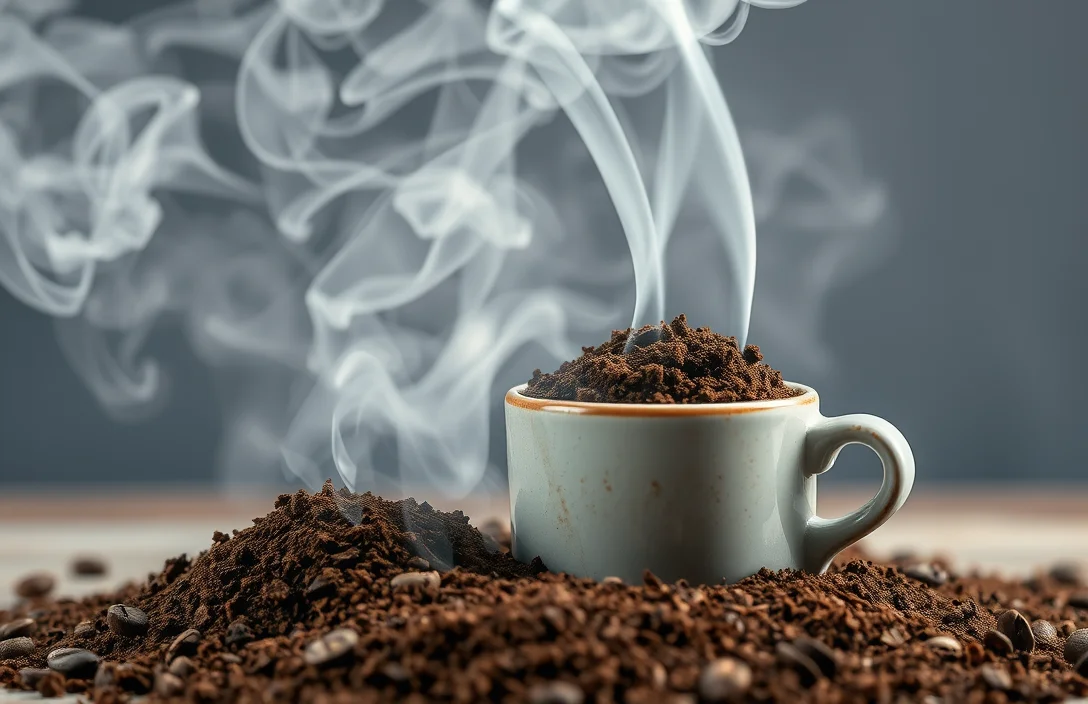
Smoking coffee grounds can elevate your brew with a surprising depth of flavor, giving a unique twist to your morning cup. In fact, this technique adds a rich, smoky aroma and enhances the natural notes of your favorite beans, transforming your coffee experience.
Experimenting with smoked coffee grounds is simpler than it sounds. Essential steps include choosing the right wood, maintaining consistent temperature, and infusing for the right duration. With practice, you can achieve a delicious result that impresses both yourself and your social media followers.
Benefits of Smoking Coffee Grounds
Smoking coffee grounds introduces a rich, complex layer of flavor that enhances your brew. By infusing the coffee with smoky notes, you’ll create a unique taste profile that can transform your daily cup into an extraordinary experience. This technique allows you to explore various flavor dimensions, making each sip a delightful surprise.
Experimentation plays a key role in discovering the nuances of smoked coffee. Different types of wood impart distinct flavors, ranging from sweet and fruity to robust and earthy. As you explore smoking, consider how these variations can complement your favorite coffee beans, creating a harmonious balance that excites the palate.
Creativity thrives in the process of smoking grounds. You can customize the intensity of the smoke by adjusting the duration and method of smoking. A brief exposure may add subtle undertones, while longer sessions yield a bold, pronounced flavor. This flexibility encourages you to refine your technique and find the perfect balance that suits your taste preferences.
Success hinges on the quality of your ingredients. Using fresh, high-quality coffee beans ensures that the flavors shine through after smoking. Pairing the right roast with your chosen smoking method will further enhance the overall experience, creating an unforgettable cup that showcases both the coffee and the smoke.
Choosing the Best Wood Types
Hickory wood offers a robust flavor, making it an excellent choice for smoking coffee grounds. Its strong, smoky profile can create a bold, rich taste that complements the natural flavors of the coffee. Consider using hickory if you’re looking to add depth to your brew.
Applewood provides a sweeter, fruitier smoke that enhances lighter coffee varieties. This type of wood can bring out subtle notes in the coffee, making it perfect for those who prefer a more delicate flavor profile. Experiment with applewood to achieve a balanced and aromatic cup.
Cherry wood contributes a mild, fruity flavor, creating a smooth and well-rounded smoke. It pairs beautifully with medium-roasted coffee, adding complexity without overpowering the original taste. Give cherry wood a try to discover an elegant twist on your regular brew.
Mesquite wood delivers a strong, earthy flavor that can be polarizing. While some enjoy its intensity, others may find it too bold. If you want to experiment, use mesquite sparingly to avoid overwhelming the coffee’s inherent flavors.
Maple wood imparts a subtle sweetness and light smokiness, making it ideal for those seeking a gentle infusion. This wood works well with various coffee types, enhancing their natural characteristics without overshadowing them. Maple is a versatile choice for any coffee enthusiast.
Methods and Equipment for Smoking
Smoking-gun cold-smoking preserves roasted oils and adds controlled wood aroma to smoke coffee grounds; it avoids heat that alters flavors. Use a handheld gun with a jar or container to infuse small batches for 5–15 minutes, then seal and rest 30–60 minutes to absorb. Adjust intensity by changing smoke time and chip type.
- Prepare clean dry jar large enough for grounds; spread them in an even layer for uniform exposure.
- Load gun using small wood chips; light and verify a steady stream of smoke before directing into the container.
- Insert hose into jar; seal tightly and run smoke for 5–15 minutes based on desired aroma strength.
- Seal jar tightly; rest 30–60 minutes to let the oils absorb the smoked notes before opening.
- Brew within 24 hours; storing longer reduces aroma, so transfer to an airtight container if needed for short-term keeping.
Flavor Profiles of Smoked Coffee
Smoked coffee offers unique taste notes that elevate your brewing experience. Expect flavors ranging from rich, earthy undertones to bright, fruity accents. This complex profile results from the interaction between the coffee beans and the smoke, creating a delightful fusion for your palate.
Bold characteristics often emerge, such as hints of chocolate or caramel intertwined with a subtle smokiness. These layers create depth, making each sip a captivating experience. Experimenting with different wood types, like cherry or hickory, can further enhance these flavors, allowing for diverse taste explorations.
Sweet notes may also surprise you, leading to a satisfying balance against the smoke. This sweetness often complements the inherent flavors of the coffee, creating a harmonious blend. As you refine your technique, pay attention to how varying smoking times can alter these taste profiles, inviting you to customize your preferred flavor balance.
Experimentation encourages creativity, leading to unique combinations that reflect your personal taste. Don’t hesitate to take notes during each smoke session. Documenting results will help you refine your method, ultimately guiding you toward your ideal smoked coffee flavor profile.
Pairing Smoked Coffee with Foods
Complementing smoked coffee with food enhances its unique flavor profile. Rich, savory dishes work beautifully, as their boldness balances the aromatic notes of the brew. Consider pairing with grilled meats, like steak or smoked chicken, to emphasize the smoky undertones. These pairings create a harmonious experience, making each sip more enjoyable.
Exploring desserts alongside this beverage can also yield delightful results. Chocolate-based treats elevate the chocolatey notes in the coffee, while caramel desserts bring out its sweetness. Try serving a decadent chocolate tart or a creamy caramel flan to showcase these flavors. Your palate will appreciate the contrast and synergy.
Incorporating cheeses into your tasting experience adds another layer of complexity. Strong cheeses, such as aged cheddar or blue cheese, offer a sharpness that complements the deep flavors of the brew. Pairing a smoky coffee with a charcuterie board featuring these cheeses creates a unique tasting opportunity that enhances both the food and the drink.
Storage Techniques for Smoked Coffee Grounds
Properly storing smoked coffee grounds is essential to maintain their unique flavors. Exposure to air, moisture, and light can quickly diminish the taste and aroma. Follow these steps to ensure your smoked grounds stay fresh and flavorful for longer.
- Use airtight containers to seal in flavors. Glass jars or vacuum-sealed bags work best. Ensure the container is clean and dry before adding the grounds.
- Store in a cool, dark place. Avoid areas near heat sources or direct sunlight, as these can degrade the coffee’s quality over time.
- Label and date your containers. Keeping track of when you smoked the coffee helps you manage freshness and use the oldest grounds first.
- Avoid storing near strong odors. Coffee can absorb surrounding smells, which may alter its flavor profile. Keep it away from spices, cleaning products, or other pungent items.
- Consider freezing for long-term storage. If you have a larger batch, freezing the grounds can preserve their flavor for several months. Just make sure to use airtight packaging to prevent freezer burn.
Maintaining the quality of your smoked coffee grounds allows you to enjoy their distinctive flavors in every brew. By following these storage techniques, you can keep your coffee experience exciting and fresh.
Brewing Smoked Coffee Effectively
V60 pour-over reveals smoky clarity and layered aromatics; if you smoke coffee grounds brew with controlled parameters to preserve nuance. Use medium-fine grind, 1:15–1:16 ratio, and 92–94°C water. Short bloom and a steady pour reveal clean smoke without bitterness. Aim for a 2:30–3:00 total brew time to keep brightness and smoke balanced.
- Grind to medium-fine (aim 350–450 µm) to balance extraction and preserve smoky notes; err on slightly finer than regular drip.
- Dose 16–18 g per 250 ml (1:15–1:16) to keep smoke present without overpowering acidity; scale doses for larger batches.
- Heat water to 92–94°C; cooler temps reduce harsh char and favor nuanced smoke.
- Bloom 30–45 seconds with twice the dose in water, gently stir to release oils and aromas before main pour.
- Pour in slow concentric circles, finishing by 2:30–3:00 minutes total brew; stop early if over-extracting.
- Serve immediately in warmed cup; taste neat first, then experiment with tiny milk or citrus to contrast the smoke.
Quick Summary
- What it is: “Smoking coffee grounds” refers to burning or smoldering coffee grounds to produce smoke for aroma, flavoring, or as a component of DIY incense or smoking mixtures.
- Culinary/craft uses: Some chefs and hobbyists use coffee grounds to add roasted/coffee notes to foods or as part of a smoking bed, and grounds are also used in homemade scented smokes or sachets for aroma.
- Household uses: Coffee grounds are commonly used as odor absorbers, and when warmed or lightly smoked they can release a strong coffee aroma for short-term scenting purposes.
- Health and safety risks: Burning coffee grounds can release irritating or harmful compounds and particulates; inhaling smoke is unsafe — avoid direct inhalation and ensure good ventilation. Burning indoors can produce carbon monoxide and other pollutants.
- Fire and disposal hazards: Smoldering grounds can retain heat and reignite; ash and embers must be fully extinguished and cooled before disposal to prevent fires.
- Alternatives and best practices: For flavor or scent, consider commercial smoking woods, food-safe smoking products, or coffee-derived extracts/essential oils; for odor control or gardening, use grounds composted or dry rather than burned.
Frequently Asked Questions
What happens when you smoke coffee grounds?
Smoking coffee grounds adds a toasty, smoky aroma and can introduce savory, chocolatey, or tobacco-like notes depending on the beans and smoking material. The smoke tends to intensify the bean’s darker flavor components, so results are often bold and work best as an accent rather than the whole flavor profile.
How can I smoke coffee grounds safely and simply at home?
For beginners, use a consumer smoking gun, tabletop smoker, or an electric cold-smoker in a well-ventilated area and never leave the setup unattended; these tools let you control smoke without large open flames. Keep smoked grounds in metal or heatproof containers, avoid smoking indoors without ventilation, and have basic safety equipment (like a fire extinguisher) nearby.
Can I use spent (used) coffee grounds for smoking?
Used grounds can be smoked but they hold moisture and will produce less aromatic smoke unless fully dried first; drying in a warm, airy spot improves results. Expect a subtler, more savory contribution than with fresh, dry grounds, and consider mixing dried spent grounds with dry wood chips or herbs for more consistent smoke.
Should I brew with smoked grounds, or are they better for infusing food?
Smoked grounds can be brewed but the smoky character often dominates, so start by blending a small proportion with unsmoked beans to find a pleasant balance. They’re also excellent for infusing smoked notes into meats, cheeses, desserts, and cocktails where the smoke complements other flavors.
What foods and recipes work best with smoked coffee grounds?
Smoked coffee grounds pair well with beef, pork, smoked cheeses, chocolate desserts, and cocktail syrups or garnishes—use them to add depth rather than as the primary flavor. Begin with short smokes and small batches, taste as you go, and note your ratios so you can reproduce and share the versions that work best.

- Unlocking the Venti: Discover the Perfect Shot Count for Your Drink - October 13, 2026
- Unpacking the Buzz: Caffeine Levels in Café Bustelo Espresso - October 13, 2026
- How to Fix Bitter Coffee: 10 Expert Ways to Improve the Taste - October 4, 2026