
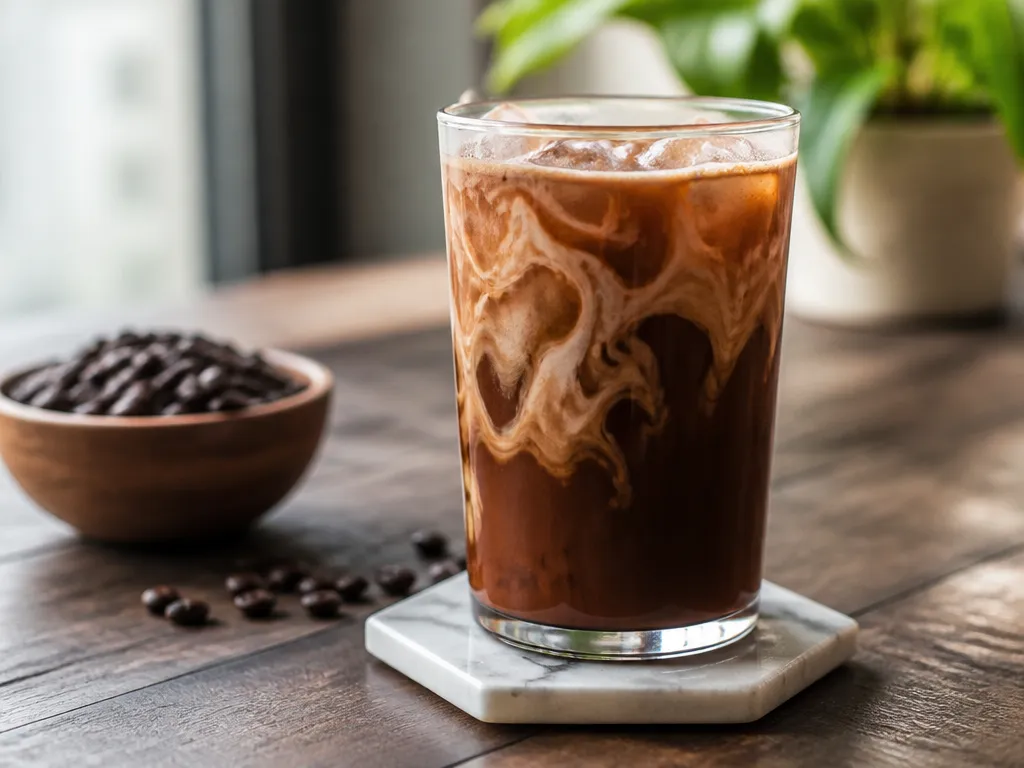
For a repeatable mocha cold brew, make a strong coffee concentrate, strain it thoroughly, then combine a measured portion with milk and chocolate. Because coffee strength, grind size, chocolate products, and milk vary, treat the formula below as a starting method and record the amounts that produce the flavor you want.
Use a coarse grind, cold water, and a long refrigerated steep. After straining, mix the concentrate with milk or a dairy-free alternative, then add cocoa powder or chocolate syrup gradually. Taste before adding more sweetener or coffee.
The Exact Mocha Cold Brew Formula

For a dependable test batch, weigh the coffee and water, choose a concentrate ratio that suits your beans, and write it down. Use coarse grounds and cold water. Steep the covered mixture in the refrigerator, then strain it into a clean container. Build each drink from a measured portion of the finished concentrate.
Single serving, measured from the finished concentrate
| Ingredient | Amount for one serving | Metric note |
|---|---|---|
| Coarsely ground coffee | Scale according to the batch ratio | Use the same coffee and grind for repeat tests |
| Cold water | Scale according to the batch ratio | Measure by weight or volume, but use the same method each time |
| Chocolate | Add gradually to taste | Record the amount for your preferred sweetness |
Batch concentrate, for later dilution
Required equipment: a burr grinder or consistent coarse pre-ground coffee, a scale, a carafe or wide jar, a paper filter or fine mesh strainer, and a second container for the strained concentrate. A funnel can make filtering easier. Use equipment that is clean and large enough to leave room for stirring.
Yield and serving size: the final yield will be lower than the starting water volume because the grounds retain some liquid and the filter removes sediment. Measure the strained concentrate before serving. Choose a serving portion, then use that same portion for every glass. Add milk, chocolate, and ice after measuring the coffee.
Coffee, Water, And Chocolate Ratios
Mocha cold brew depends on three separate decisions: concentrate strength, serving dilution, and chocolate intensity. Keep the coffee-to-water ratio fixed while testing milk or chocolate. That makes it easier to identify the cause of a bitter, weak, sweet, or chalky drink.
Choose a coarse grind and keep it consistent. Finer grounds extract more quickly and can increase sediment or harshness. Use a consistent refrigerated steep and change only one variable at a time when adjusting the recipe.
| Mocha variable | What to set | What changes if you drift |
|---|---|---|
| Coffee to water | One consistent concentrate ratio, recorded by weight | More coffee produces a stronger concentrate; more water produces a lighter one |
| Grind | Coarse | A finer grind can increase sediment and harshness |
| Steep time | A consistent refrigerated steep | A shorter steep may taste thin; a longer steep may taste heavier or more bitter |
For chocolate, begin with a small addition and taste after thorough mixing. Cocoa powder contributes bitterness and little sweetness unless the product is sweetened. Chocolate syrup usually contributes both sweetness and viscosity. Keep the coffee base unchanged while you compare them.
Cocoa Powder Versus Chocolate Syrup
Cocoa powder gives a drier, more roasty flavor and can clump in a cold drink. Make a smooth paste with a little liquid before adding it to the coffee. Sweetened chocolate syrup dissolves more easily and gives a rounder, sweeter mocha, but product formulas vary widely.
When switching between cocoa powder and syrup, change only the chocolate component. Check the product label for sweetness, allergens, and serving information, then adjust the amount gradually rather than treating the two ingredients as interchangeable.
How To Make Mocha Cold Brew Step By Step
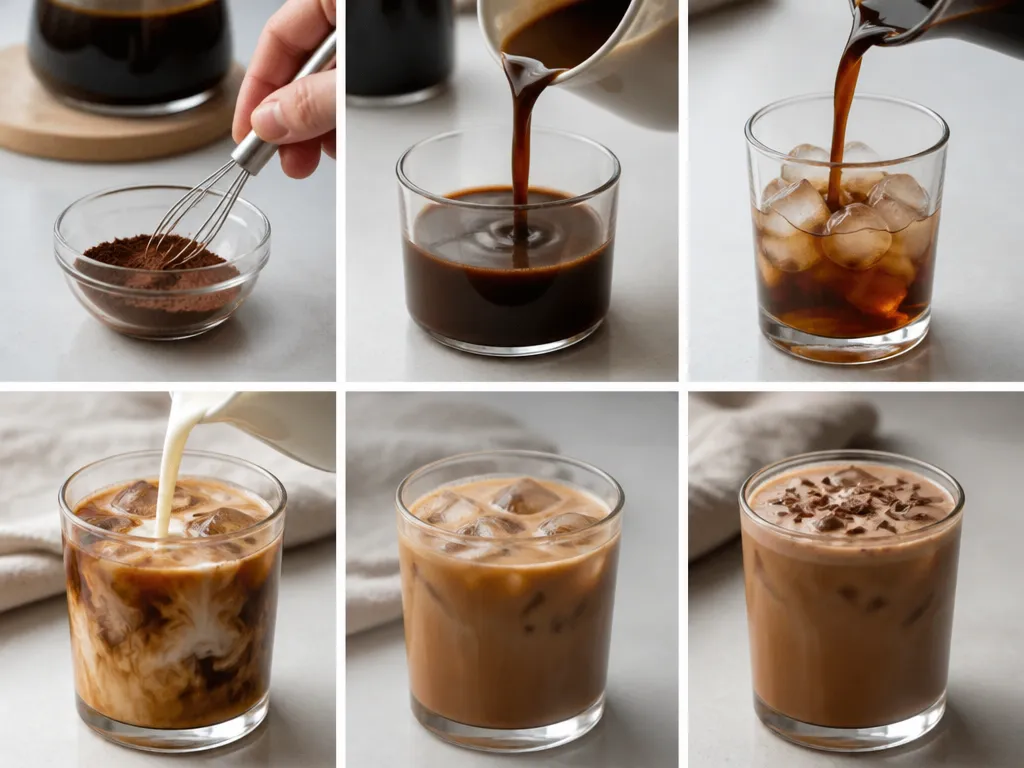
Follow this order to produce a clean concentrate and a well-mixed drink.
For less sediment, use a second paper filtration. If chocolate or milk separates, stir again immediately before serving. Mixing the chocolate into the coffee before adding milk usually produces a more even drink.
Three Mocha Cold Brew Variations
Keep the coffee concentrate unchanged, then adjust the milk and chocolate. This keeps the coffee flavor predictable while you compare styles.
Quality checkpoint: Mix the chocolate completely before adding a large amount of ice or milk. If cocoa remains grainy, prepare a smoother paste or switch to syrup. Keep the drink cold and stir immediately before serving.
How To Fix Bitter, Weak, Or Separated Cold Brew
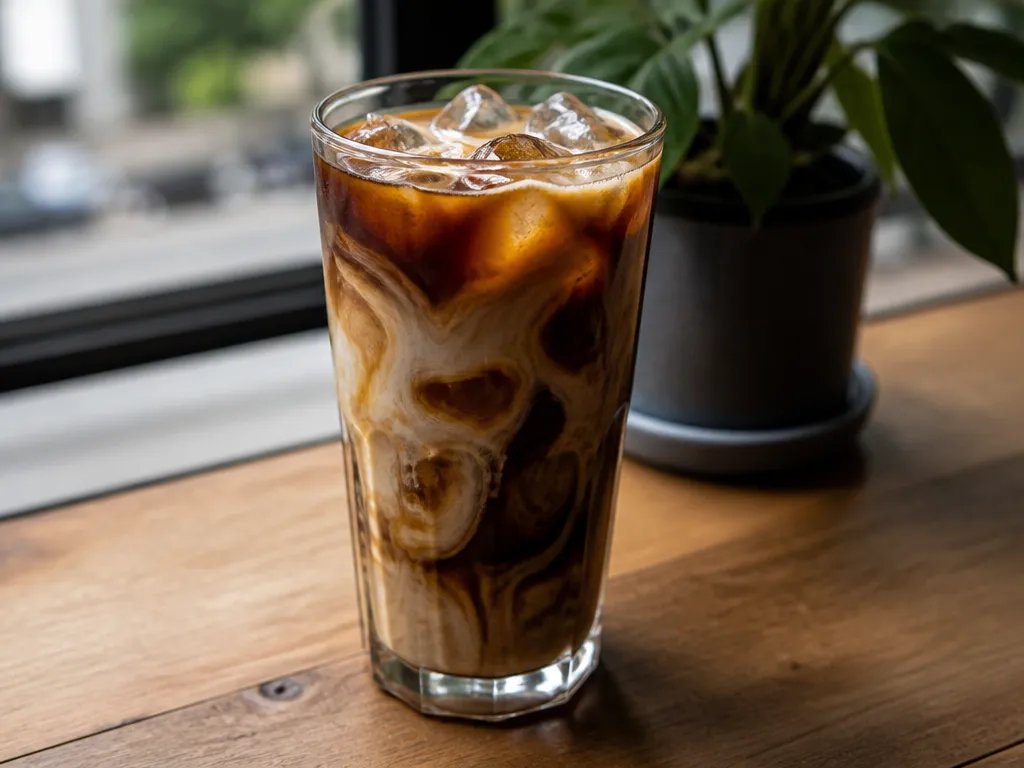
Adjust one variable at a time. Concentrate strength, grind, steeping, dilution, and chocolate mixing each affect the finished drink.
Rule of thumb: use dilution for excessive strength, more concentrate for weakness, a coarser grind or shorter steep for harshness, and better pre-mixing for chocolate separation.
Serving Mocha Cold Brew And Keeping It Fresh
Serve mocha cold brew cold and assemble each glass shortly before drinking. Add the measured concentrate first, mix in the chocolate, then add milk and ice.
Use fresh ice and avoid letting the drink sit long enough for substantial melting. If you add whipped cream, place it on top of the finished drink rather than mixing it into the coffee base.
Store strained concentrate in a clean, sealed container in the refrigerator. Keep milk and chocolate additions separate when possible. A finished milk-based drink changes texture faster than plain concentrate, so make only what you plan to drink soon.
Freezing measured portions of plain concentrate can help with longer storage, but freezing may mute delicate coffee flavors and alter the texture of chocolate additions. Thaw the concentrate in the refrigerator, then stir it well before use. Do not freeze the assembled milk drink if you want the best texture.
For storage limits, follow the guidance on your milk and chocolate products and use your refrigerator’s food-safety recommendations. When in doubt, discard the drink rather than tasting it to judge safety.
Caffeine And Nutrition Per Serving
Caffeine comes primarily from the coffee and increases if you add espresso. The exact amount varies with the beans, roast, grind, extraction, concentrate portion, and espresso used. A recipe based only on coffee weight cannot provide a reliable caffeine figure for every batch.
To estimate your own serving, check the coffee or espresso package where caffeine information is provided, then account for the amount of concentrate and espresso in the glass. If the label gives no caffeine information, treat the amount as unknown rather than relying on a generic estimate.
| Ingredient choice | Main nutrition impact | What to change if you want less |
|---|---|---|
| Chocolate syrup | Often adds sugar; the amount varies by product | Choose unsweetened cocoa or compare product labels |
| Cocoa powder | Usually contributes less sugar than sweetened syrup, but product formulas vary | Choose an unsweetened product and control sweetener separately |
| Dairy milk | Provides varying amounts of fat, protein, and natural lactose | Compare labels and choose a lower-fat or unsweetened option if appropriate |
| Oat, almond, or coconut milk | Sugar and fat vary substantially by brand and formulation | Choose an unsweetened product and check the nutrition label |
To reduce caffeine, use less concentrate or omit the espresso addition. To reduce added sugar, choose unsweetened cocoa or a product with less sugar and check the label. Sugar-free labeling can differ by product, so verify the ingredients and nutrition panel.
Scaling The Recipe Without Changing The Flavor
Scale the batch by keeping the same coffee-to-water ratio and grind. Change the total amounts of coffee and water together, then use the same steeping method and serving portion.
To scale the concentrate, choose the amount of water you want to use, then calculate the coffee from your recorded ratio. Keep the ratio constant rather than copying a volume from a different batch. Straining losses will vary with the coffee and filter, so measure the finished yield before dividing it into servings.
| Target concentrate volume | Cold water | Coffee | Steep time |
|---|---|---|---|
| Small batch | Choose a workable water volume | Calculate from the recorded ratio | Use the same refrigerated steep |
| Medium batch | Multiply the small-batch water | Multiply the coffee by the same factor | Use the same refrigerated steep |
| Large batch | Multiply the small-batch water | Multiply the coffee by the same factor | Use the same refrigerated steep |
Dilution protects consistency. Keep the concentrate ratio fixed, measure the same amount of concentrate in each glass, and scale the chocolate and milk with your recorded serving formula. If you change the concentrate ratio, expect the balance of coffee, bitterness, and chocolate to change.
To calculate servings, divide the total strained concentrate by the concentrate portion used in one glass. Add the same chocolate and milk amounts to each portion, adjusting only after tasting a test serving.
Quick Summary
Make mocha cold brew by steeping coarse coffee in cold water under refrigeration, straining it carefully, and mixing a measured concentrate portion with chocolate and milk.
Use different amounts only when your target changes:
Next action: Make a small test batch, record the coffee weight, water volume, grind, steep, strained yield, concentrate portion, milk, and chocolate. Repeat the winning formula rather than relying on an unmeasured pour.
Frequently Asked Questions
What Will I Taste Differently If I Stop The Steep Early?
A shorter steep may produce a lighter, thinner concentrate. If the result tastes weak, change the steep gradually in the next test. If it tastes harsh, try a coarser grind or more dilution before extending the extraction.
Can I Make Mocha Cold Brew With Pre-ground Coffee, And How Do I Adjust?
Yes. Pre-ground coffee can vary in freshness and grind size, so it may produce more sediment or a less predictable extraction. Filter carefully and adjust the grind, steep, or dilution only after tasting the finished concentrate.
How Do I Estimate Whether The Caffeine In My Drink Is Closer To Coffee Or Espresso-boosted?
The answer depends on the coffee used, the amount of concentrate, and the espresso portion. Check product labels where possible. For a meaningful comparison, keep the concentrate and serving size unchanged, then compare versions with and without espresso.
What Should I Do If My Mocha Separates Even After Careful Mixing?
Mix cocoa into a smooth paste before adding it to the coffee. Stir syrup into the concentrate before adding milk. If the mixture still separates, try a different chocolate product and serve the drink soon after assembly.
How Long Can I Refrigerate The Finished Mocha Drink Versus The Concentrate?
Build each serving close to drinking time. Store plain concentrate separately in a clean, sealed container and follow the storage guidance for the milk and chocolate products. Discard anything with an off smell, unusual appearance, or uncertain storage history.
When Is It Time To Troubleshoot Versus When Should I Get Help Or Discard The Batch?
Troubleshoot ordinary flavor problems such as bitterness, weakness, or excess sweetness by changing one recipe variable at a time. Discard the batch if it has spoilage signs or has been stored under uncertain conditions. Recipe adjustments cannot make spoiled food safe.
How Can I Verify My Own Mocha Strength So I Can Reproduce The Same Flavor Next Time?
Record the coffee and water amounts, grind, refrigerated steep, strained yield, concentrate portion, milk, chocolate, and any espresso. Change one variable per test and keep the version that tastes best. Measuring the finished concentrate will make future batches more consistent than estimating by volume.

- Espresso Bar Wedding: Ideas, Setup, Costs, and Tips for a Memorable Coffee Experience - November 11, 2026
- How Many Grams of Espresso Beans for a Double Shot? A Complete Brewing Guide - November 11, 2026
- Brasilia Espresso Machine: Features, Performance, Models, and Buying Guide - November 11, 2026