
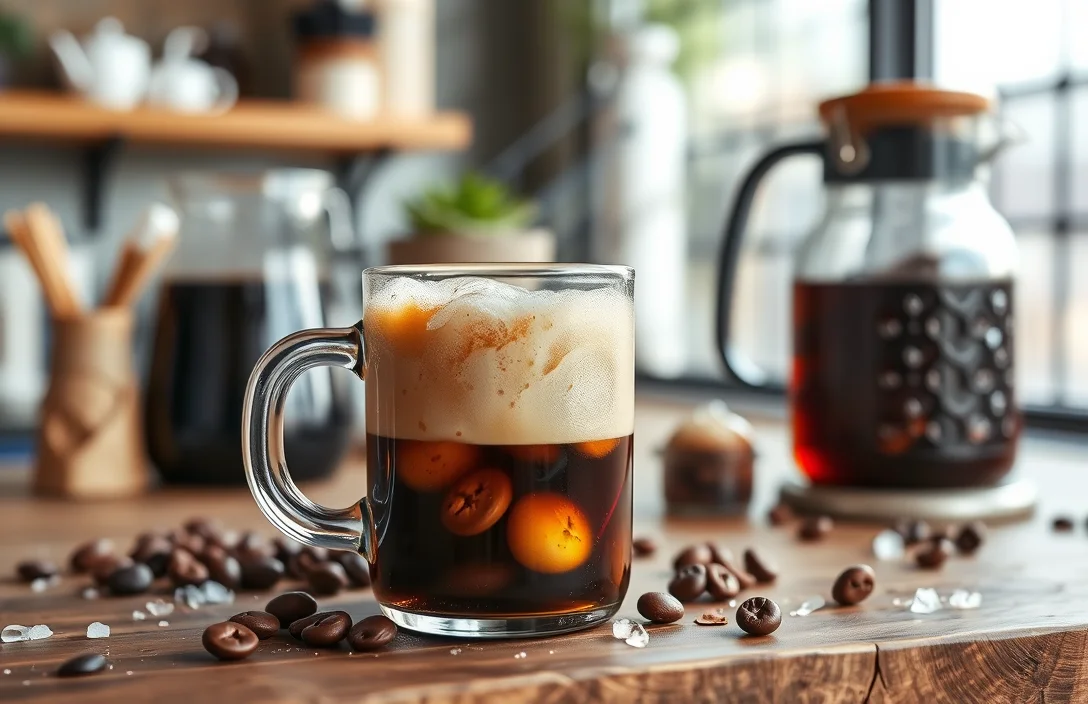
Over 60% of coffee drinkers prefer cold brew, highlighting its popularity. Cold brew isn’t simply coffee served cold; it’s brewed differently, which impacts flavor and caffeine content. Understanding how coffee makes cold brew can enhance your coffee experience.
Cold brew is made by steeping coarsely ground coffee in cold water for 12-24 hours. It results in a smoother, less acidic taste compared to traditional brewing. Coffee beans used for cold brew can vary, but coarsely ground beans are essential.
Cold Brew Basics
Cold brew coffee requires specific methods for optimal flavor extraction. Start with coarsely ground coffee beans. This grind size ensures that the water can extract essential oils and flavors without over-extraction, which can lead to bitterness. Aim for a coffee-to-water ratio of about 1:4 for a concentrated brew.
Brewing time significantly impacts the final taste. Steeping coffee grounds for 12 to 24 hours is common, allowing the flavors to develop fully. Longer steeping times yield a smoother and less acidic taste, making it ideal for those sensitive to acidity in traditional hot brews.
Filtering the brew is crucial for achieving clarity. Use a fine mesh strainer or a dedicated cold brew coffee maker to separate the grounds from the liquid. This step ensures a clean cup without sediment. After filtering, the concentrate can be diluted with water or milk according to personal preference.
Storing cold brew properly extends its shelf life. Keep it refrigerated in an airtight container, and consume within two weeks for the best flavor. Over time, the coffee may lose its freshness, so make smaller batches if you prefer a consistently fresh taste.
Coffee Bean Selection
Quality coffee beans significantly impact cold brew flavor. Opt for coarsely ground beans to extract optimal flavors during the brewing process. Typically, medium to dark roast varieties work best due to their rich, smooth characteristics. Experimenting with different beans can yield unique taste profiles, enhancing your cold brew experience.
Arabica beans offer distinct sweetness. These beans are known for their complex flavors and less bitterness compared to Robusta. Many enthusiasts prefer Arabica for cold brew, as it produces a smoother, more palatable drink. Robusta, while stronger and more bitter, can be blended for added depth.
Freshness plays a crucial role. Always select beans that have been recently roasted to ensure maximum flavor. Stale beans lose their aromatic qualities, leading to a less enjoyable cold brew. Check the roast date on the packaging to guarantee freshness before making your choice.
Grind size directly affects extraction. A coarser grind allows for a slower extraction, preventing over-extraction and bitterness. Aim for a consistency similar to breadcrumbs, which helps achieve a balanced flavor in your cold brew without harsh notes. Adjust grind size based on your brewing time for best results.
Brewing Time Explained
Cold brew requires a specific brewing time for optimal flavor extraction. Typically, steeping coffee grounds in cold water for 12 to 24 hours delivers the best results. Shorter brewing times can lead to a weaker taste, while longer times may introduce bitterness. Aim for a balance that enhances the coffee’s natural sweetness and smoothness.
Experimenting with steeping durations can help fine-tune the flavor profile. Start with a 12-hour brew as a baseline and adjust according to your taste preferences. Taste testing at intervals will guide you in determining the ideal time for your palate. Remember that different coffee beans may also affect extraction rates.
Choosing the right coffee-to-water ratio impacts brewing time as well. A standard ratio is 1:4, meaning one part coffee to four parts water. Adjusting this ratio can alter both the strength and the flavor of the final product, making experimentation essential.
Monitoring the steeping process is crucial. If you prefer a more concentrated brew, extend the time slightly, but keep an eye on flavor development. Strain the coffee grounds immediately after the desired steeping time to prevent over-extraction, which can lead to undesirable bitterness.
Water Temperature Impact
Cold brew coffee relies significantly on water temperature. Brewing with cold or room temperature water extracts flavors differently than hot water. The ideal temperature for steeping is typically between 60°F to 70°F, which ensures a smooth, rich flavor without the acidity common in traditional brewing methods.
Extracting flavors effectively requires patience. Longer steeping times compensate for the lower temperature. Aim for a steeping duration of 12 to 24 hours, allowing the coffee grounds to release their essential oils and flavors slowly. This process avoids bitterness while promoting sweetness and smoothness.
Controlling temperature is essential during preparation. Avoid using hot water, as it can lead to over-extraction, resulting in undesirable flavors. Cold water encourages a more balanced extraction, making it perfect for creating a refreshing beverage with minimal acidity.
Maintain consistency in your process. Using the same temperature and steeping time each time ensures a reliable flavor profile. Experimenting within the recommended range can help you find your preferred taste, enhancing your cold brew experience.
Ratio of Coffee to Water
Optimal coffee to water ratio significantly influences cold brew quality. A common recommendation is 1:4 for a concentrated brew and 1:8 for a lighter taste. This means one part coffee grounds to four parts water for a rich flavor, or one part to eight parts for a more diluted version. Adjusting these ratios allows for personal preference in strength.
Experimenting with different ratios helps discover the ideal taste. Start with the standard 1:4 ratio, then gradually modify the amount of coffee or water depending on your desired strength. If the brew is too strong, add more water; if too weak, increase the coffee grounds. Finding the right balance enhances your overall cold brew experience.
Measuring accurately is essential for consistency. Use a kitchen scale for precise measurements of coffee and water. This method ensures that each batch of cold brew maintains the same flavor profile. Consistency is crucial, especially if you plan to serve it to guests or make it a regular part of your routine.
Adjusting the grind size of coffee beans can also affect the brew’s taste. Finer grinds extract flavors faster, potentially leading to bitterness if steeped too long. Coarser grinds produce a smoother, less acidic cold brew. Experimenting with grind size, in conjunction with the coffee to water ratio, will yield the best results.
Serving Suggestions
Cold brew coffee shines best when served chilled. Pour the brew over ice to enhance its refreshing qualities, and consider using large ice cubes to minimize dilution. A glass pitcher or a mason jar makes an appealing presentation, showcasing the rich color of your cold brew.
Flavor enhancements elevate the experience. Add a splash of milk or a dairy alternative for creaminess. Sweeteners like simple syrup, flavored syrups, or even a hint of vanilla extract can complement the coffee’s natural flavors. Experiment with spices, such as cinnamon or nutmeg, for an intriguing twist.
Garnishes add visual appeal. Fresh mint leaves or a citrus slice can brighten up the drink, making it even more inviting. Presentation matters, so choose stylish glassware that matches the occasion, whether it’s a casual afternoon or a special gathering.
Pairing food with cold brew enhances enjoyment. Consider serving it alongside pastries, chocolate desserts, or light snacks. The smoothness of the coffee contrasts beautifully with sweet treats, creating a balanced flavor profile that delights the palate.
Storage and Shelf Life
Cold brew coffee can last up to two weeks if stored properly. Use an airtight container to minimize oxidation and maintain flavor. Refrigeration is essential; room temperature storage will degrade the quality rapidly.
Separation often occurs in cold brew due to natural oils and sediment. Gently swirl the container before pouring to mix the contents and enjoy a consistent taste. Avoid shaking, as it can introduce air and alter the flavor.
Freezing cold brew is another effective method for extending shelf life. Pour leftover coffee into ice cube trays, freeze, and use the cubes in future beverages. This technique helps preserve flavor while providing a cold addition to drinks without dilution.
Monitoring for off-flavors is crucial. If you notice any sour or unpleasant tastes, it’s best to discard the coffee. Freshness directly impacts enjoyment, so consume within a week for optimal results.
Quick Summary
- Coffee can be used to make cold brew by steeping coarsely ground coffee in cold water.
- The cold brew process typically takes 12 to 24 hours for optimal flavor extraction.
- Cold brew coffee is generally less acidic than traditional hot brewed coffee.
- It results in a smoother, sweeter taste, making it popular among coffee drinkers.
- Cold brew can be served straight or diluted with water, milk, or cream.
- It can be stored in the refrigerator for up to two weeks without significant flavor loss.
- Using high-quality coffee beans enhances the overall taste of the cold brew.
Frequently Asked Questions
1. What is cold brew coffee?
Cold brew coffee is a method of making coffee by steeping coarsely ground coffee beans in cold or room temperature water for an extended period, usually 12 to 24 hours. This process results in a smooth, less acidic coffee concentrate that can be diluted with water or milk before serving.
2. Can I use regular coffee to make cold brew?
Yes, you can use regular coffee to make cold brew, but it is recommended to use coarsely ground coffee beans for the best flavor extraction. The brewing process is different from traditional hot brewing, so grind size is important to avoid a gritty texture.
3. What types of coffee beans are best for cold brew?
Medium to dark roast coffee beans are often preferred for cold brew, as they tend to yield a richer and more robust flavor. However, personal preference plays a significant role, so feel free to experiment with different roasts to find what you enjoy most.
4. How do I make cold brew coffee at home?
To make cold brew at home, mix coarsely ground coffee with cold water in a ratio of about 1:4 or 1:5, depending on your taste preference. Let the mixture steep in the fridge or at room temperature for 12 to 24 hours, then strain it through a coffee filter or a fine mesh sieve before serving.
5. Can I flavor my cold brew coffee?
Absolutely! You can add various flavorings to your cold brew, such as vanilla, cinnamon, or sweeteners like simple syrup. Additionally, you can blend it with milk, cream, or flavored syrups to create your favorite cold coffee beverage.

- How to Fix a Portafilter: Size, Locking Mechanism, and Troubleshooting Guide - October 22, 2026
- 35 Coffee Machine Parts and Functions: Complete Guide With Names and Uses - October 22, 2026
- 25 Espresso Machine Parts Names and Their Functions Explained - October 22, 2026