
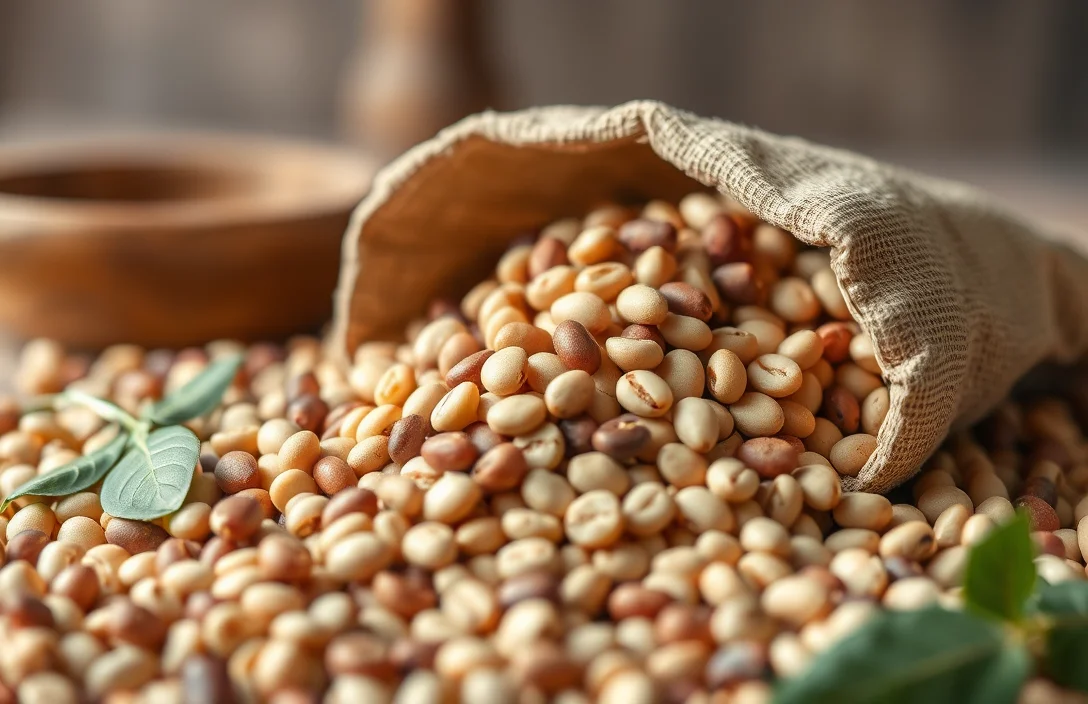
Research indicates that pre-ground coffee beans can lose up to 60% of their flavor within minutes of grinding. This rapid loss makes many coffee enthusiasts question whether using pre-ground beans is worth it. Understanding the impact on taste and aroma can significantly enhance your coffee experience.
Flavor degradation occurs due to exposure to oxygen, moisture, and light. Freshly ground beans provide superior taste, while pre-ground options may lack the same intensity. Consider your brewing method and frequency to determine if pre-ground beans meet your needs.
Freshness Impact on Flavor Quality
Freshness significantly influences coffee flavor. As soon as coffee beans are ground, they start losing their essential oils and aromatic compounds. This degradation happens rapidly, leading to a noticeable decline in flavor quality. Pre-ground beans often lack the vibrancy and complexity of freshly ground coffee, making them less desirable for the discerning coffee drinker.
- Oxidation occurs quickly after grinding. Ground coffee exposes more surface area to air, leading to faster oxidation and loss of freshness. This process begins immediately, affecting the taste profile.
- Flavor compounds diminish over time. Essential oils present in coffee beans are volatile and sensitive to environmental factors. Exposure to light, heat, and moisture accelerates their breakdown, resulting in bland coffee.
- Freshly ground coffee offers superior taste. Grinding beans just before brewing preserves the integrity of the flavors. This practice enhances the overall coffee experience by maximizing aroma and richness.
- Storage conditions matter significantly. Even pre-ground coffee can retain some flavor if stored properly in an airtight container, away from heat and light. However, it still won’t match the freshness of whole beans ground at home.
Flavor Profile Variations Explored
Freshly ground coffee showcases a vibrant flavor profile that pre-ground options typically lack. Whole beans retain essential oils and compounds that contribute to the coffee’s aroma and taste. As time passes, these compounds degrade, diminishing richness and complexity. Grinding right before brewing ensures that the coffee’s full potential is experienced with every cup.
Oxidation affects flavor significantly. Once ground, beans have an increased surface area that exposes them to air, leading to rapid deterioration. Pre-ground coffee can lose its unique characteristics within days. Aromatic compounds evaporate, and the once vivid flavors become muted, resulting in a flat cup of coffee.
Brewing methods also influence the flavor profile. Different grind sizes impact extraction rates, which alters the taste in the final brew. Coarser grinds yield a lighter flavor, while finer grinds present a bolder taste. Whole beans allow for precise customization according to specific brewing techniques.
Consumer preferences vary, but many coffee enthusiasts notice a distinct difference in flavor. Taste tests often reveal that freshly ground coffee surpasses pre-ground options in quality. As taste buds develop, many find that freshness translates to a more enjoyable drinking experience, highlighting the importance of grinding your own beans.
Grinding Methods and Their Effects
Grinding methods significantly impact coffee flavor. Various techniques produce different grind sizes, influencing extraction and overall taste. Selecting the right method can enhance or diminish the coffee experience, so understanding the options is crucial for any coffee enthusiast.
- Burr grinders provide consistent size. This method crushes beans between two abrasive surfaces, ensuring uniformity. Consistent grind size promotes even extraction, which enhances flavor and aroma.
- Blade grinders create uneven particles. Blades chop beans randomly, resulting in a mix of fine and coarse grinds. Uneven extraction can lead to bitter or sour notes, negatively affecting the taste.
- Manual grinders allow for control. Hand-cranked options let users adjust grind size easily, promoting precision. This hands-on method often results in a fresher cup, as the grinding process is slower and more mindful.
- Electric grinders save time. Fast and efficient, they can produce a range of sizes quickly. However, users must choose models that minimize heat production to preserve flavor integrity.
- Cold brew requires coarse grinding. For this method, a rougher grind is essential to avoid over-extraction during the long steeping process. Coarse grounds yield a smooth, less acidic coffee.
Aroma and Taste Degradation Factors
Pre-ground coffee loses flavor quickly due to increased surface area exposure. Grinding creates numerous tiny particles, allowing oxygen to interact with the coffee more readily. As oxygen interacts, volatile compounds responsible for aroma and taste begin to dissipate, leading to a less flavorful brew.
- Oxidation significantly reduces freshness. Oxygen reacts with oils in the coffee, leading to rancid flavors and diminished aroma. Ground coffee should be consumed quickly to avoid this degradation.
- Moisture can ruin flavor. If pre-ground coffee absorbs humidity, it can clump and become stale. Keeping coffee in an airtight container protects it from moisture, preserving taste integrity.
- Heat exposure accelerates degradation. Storing ground coffee in warm areas can lead to rapid flavor loss. Always store coffee in a cool, dark place to maintain optimal flavor.
- Light exposure diminishes aroma. Light can break down the delicate compounds in coffee, resulting in off-flavors. Using opaque containers shields your coffee from harmful light sources.
- Time plays a crucial role. The longer ground coffee sits, the more flavor it loses. To maximize taste, buy only what you will use within a few weeks, ensuring freshness in every cup.
Shelf Life Comparison of Coffee Forms
Ground coffee loses freshness quickly. Typically, pre-ground beans maintain optimal flavor for about one to two weeks after opening. In contrast, whole beans can last up to several months when stored properly. This significant difference highlights the importance of freshness in coffee enjoyment.
Vacuum sealing helps preserve flavor. Whole beans stored in airtight containers can retain their quality for longer periods. Factors like light, air, and moisture contribute to degradation, making proper storage essential for maximizing shelf life.
Flavor compounds degrade over time. Once ground, coffee releases volatile oils that contribute to its aroma and taste. The exposure to air accelerates this process, resulting in a less flavorful cup. Whole beans, on the other hand, keep these compounds intact until ground just before brewing.
Storing whole beans correctly is key. Use dark, opaque containers to protect from light and moisture. Additionally, keep the coffee in a cool, dry place. Following these simple guidelines can significantly extend the life of your coffee and enhance your brewing experience.
Pre-ground coffee often lacks complexity. Due to its shorter shelf life and exposure to air, it tends to offer a more muted flavor profile. Investing in whole beans and grinding them just before use leads to a fresher and more vibrant cup of coffee, enhancing your overall drinking experience.
Health Benefits of Whole Beans
Whole beans provide superior health benefits compared to pre-ground options. Freshly ground coffee retains higher levels of antioxidants, which are crucial for combating oxidative stress in the body. This means that by choosing whole beans, you’re enhancing your overall health while enjoying your favorite beverage.
Rich in nutrients, whole coffee beans offer various health advantages:
- Antioxidants: Protects cells from damage.
- Vitamins: Contains B vitamins essential for energy metabolism.
- Minerals: Includes magnesium and potassium, vital for heart health.
- Fiber: Supports digestive health and weight management.
Research shows that consuming coffee in moderation can lower the risk of certain diseases. Many studies indicate that regular coffee drinkers may experience a reduced likelihood of developing conditions like Type 2 diabetes and Parkinson’s disease. These protective benefits arise from the bioactive compounds found in whole coffee beans.
Choosing whole beans also encourages healthier brewing methods. Grinding beans just before brewing allows for optimal extraction of flavors and nutrients. As a result, not only do you enjoy a fresher cup, but you also maximize the health benefits associated with your coffee.
Brewing Techniques for Maximum Flavor
Brewing methods significantly influence coffee flavor. Whole beans release oils and compounds during grinding, enhancing the final brew. Comparatively, pre-ground coffee often lacks freshness, leading to a less vibrant taste. For optimal results, consider using techniques that accommodate fresh grounds, ensuring maximum flavor extraction.
French press brewing excels with whole beans, allowing for full immersion and extraction. Coarse grinding enhances the flavor while preventing over-extraction during brewing. In contrast, drip coffee makers work well with both ground types but shine with whole beans, producing a more aromatic cup.
Espresso machines benefit from freshly ground beans, delivering concentrated flavors. The tight brewing process amplifies the nuances of the coffee, which pre-ground options often miss. Cold brew, on the other hand, can utilize pre-ground coffee effectively, though freshly ground beans yield superior results.
| Brewing Method | Whole Beans | Pre-Ground Beans |
|---|---|---|
| French Press | Excellent flavor extraction | Less aromatic |
| Drip Coffee | Optimal taste | Acceptable |
| Espresso | Intense flavors | Flat taste |
| Cold Brew | Rich and smooth | Decent |
Maximizing flavor relies on selecting appropriate brewing techniques. Whole beans consistently outperform pre-ground options in flavor richness, aroma, and overall quality. Investing in a grinder and opting for fresh beans significantly enhances your coffee experience.
Quick Summary
- Pre-ground coffee beans often lose freshness quickly, leading to a less flavorful cup.
- Grinding beans at home allows for better control over grind size, enhancing the brewing process.
- Pre-ground coffee may contain stale or inferior quality beans compared to whole beans.
- Oxygen exposure during packaging can further degrade the quality of pre-ground coffee.
- Whole beans offer a wider range of flavor profiles and aromas than pre-ground options.
- Investing in a good grinder can significantly improve the overall coffee experience.
- For optimal taste, it’s generally recommended to grind coffee just before brewing.
Frequently Asked Questions
Are pre-ground coffee beans less flavorful?
Yes, pre-ground coffee beans tend to be less flavorful than freshly ground beans. This is because the grinding process exposes more surface area to oxygen, leading to quicker oxidation and loss of essential oils and flavors.
How long do pre-ground beans stay fresh?
Pre-ground coffee typically stays fresh for about one to two weeks after opening. To maintain flavor, it’s best to store it in an airtight container in a cool, dark place.
Is there a difference in aroma between ground and whole beans?
Absolutely! Whole beans retain their aroma much longer than pre-ground coffee. Grinding the beans just before brewing helps to release the full spectrum of aromas and flavors that enhance the coffee experience.
Are there any convenience benefits to using pre-ground coffee?
Yes, pre-ground coffee offers convenience as it saves time and effort in the morning. However, this convenience often comes at the cost of flavor and freshness compared to grinding your own beans.
Can I make good coffee with pre-ground beans?
While freshly ground beans generally produce better coffee, you can still make decent coffee with pre-ground beans. The key is to use the right brewing method and ensure the water temperature and brew time are appropriate for the coffee grind size.

- Espresso Tastes Watery? 10 Common Causes and How to Fix It - October 23, 2026
- 10 Common Coffee Equipment Cleaning Mistakes and How to Avoid Them - October 23, 2026
- 17 Common Coffee Grinder Problems and How to Fix Them - October 23, 2026