
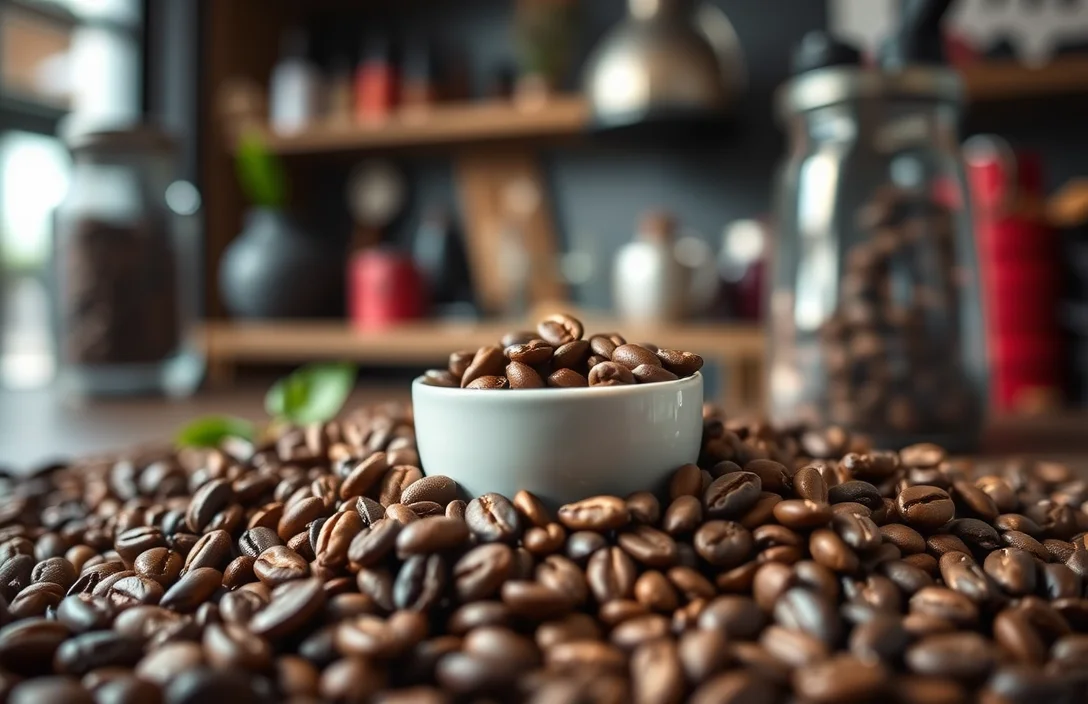
Studies show that coffee retains its freshness for only two weeks after grinding, making whole coffee beans significantly better for flavor preservation. Many coffee enthusiasts argue that grinding just before brewing maximizes aroma and taste, offering a superior coffee experience compared to pre-ground options.
Whole coffee beans provide better freshness, aroma, and flavor retention. Grinding them right before brewing enhances the overall coffee experience, while pre-ground coffee often loses its essential oils and flavors quickly. For true coffee lovers, whole beans are the clear choice.
Flavor and Aroma Enhancements of Whole Beans
Whole beans provide superior flavor retention compared to pre-ground coffee. Grinding exposes more surface area to air, leading to quicker oxidation and loss of essential oils. Those oils carry the rich and complex flavors that coffee lovers seek. Whole beans preserve these oils until you’re ready to brew, ensuring a fresher tasting cup.
- Freshness is paramount for flavor. Whole beans maintain their freshness longer than ground coffee, which begins to lose aromatic compounds shortly after grinding.
- Preserving essential oils increases flavor complexity. Grinding diminishes the oils responsible for the depth of flavor, while whole beans keep these intact until brewed.
- Grinding immediately before brewing maximizes flavor. The moment you grind, you release those aromatic oils, so doing it just before brewing enhances your coffee experience significantly.
- Variety of grind sizes influences flavor. Whole beans allow you to experiment with different grind sizes, impacting extraction and taste in various brewing methods.
- Aroma intensifies with whole beans. The scent of freshly ground beans can elevate your coffee ritual, creating a more immersive brewing experience.
Freshness and Shelf Life Benefits
Whole coffee beans maintain superior freshness compared to ground varieties. Grinding accelerates the oxidation process, which diminishes flavor and aroma. When beans are kept whole, they preserve their essential oils and compounds, allowing for a more vibrant coffee experience over time.
Vacuum-sealed packaging extends the shelf life of whole beans significantly. Proper storage in airtight containers minimizes exposure to air, light, and moisture, crucial factors that contribute to degradation. Typically, whole beans stay fresh for up to six months, while ground coffee may only last a few weeks.
Storing beans in a cool, dark place further enhances their longevity. Avoiding the refrigerator is key; instead, opt for a pantry or cupboard. This simple step prevents condensation and fluctuating temperatures that can compromise freshness.
Roasting dates play a vital role in determining freshness. Purchasing whole beans from reputable sources ensures you receive coffee roasted recently. Always check the roast date on the packaging to maximize flavor and aroma in your coffee preparations.
Ultimately, whole coffee beans provide a clear advantage in freshness and shelf life. Opting for whole beans over ground options guarantees a more flavorful cup of coffee, enhancing your overall brewing experience.
Grinding Methods and Their Impact
Grinding methods significantly affect flavor and aroma. Various techniques lead to different particle sizes, influencing extraction rates during brewing. Understanding how each method works helps in choosing the best approach for optimal coffee enjoyment.
- Blade grinders produce uneven grounds. These tools chop beans randomly, leading to varied extraction rates. This inconsistency can result in bitter or sour flavors depending on brew time.
- Burr grinders offer uniform particle size. They crush beans between two surfaces, ensuring each ground is similar in size. This consistency promotes balanced extraction, enhancing the overall taste.
- Manual grinders provide control over grind size. Users can adjust settings to achieve specific textures, allowing customization based on brewing methods like French press or espresso.
- Electric grinders enhance convenience and speed. They offer precise settings and consistent results, making them ideal for daily coffee enthusiasts who value both quality and efficiency.
- Cold brew methods require coarser grinds. Using larger particles reduces bitterness during extended brewing times, resulting in a smoother, less acidic coffee that many enjoy.
Comparative Brewing Techniques
Brewing methods significantly alter the flavor profile when using whole beans versus ground coffee. Whole beans retain freshness longer, leading to a more vibrant taste. Grinding the coffee right before brewing ensures optimal extraction, allowing the flavors to bloom fully in your cup. Experimenting with various methods can reveal which best highlights the coffee’s unique characteristics.
- Cold brew utilizes coarse grounds. Steeping whole beans for an extended period produces a smooth, less acidic flavor. Aim for a 12-24 hour steep time.
- Espresso requires fine grounds. The pressure during extraction demands finely ground coffee, resulting in a concentrated and rich flavor. Ensure the beans are freshly ground to achieve the best crema.
- Pour-over enhances clarity and brightness. Using whole beans, grind them just before brewing to accentuate the coffee’s nuances. The controlled pour allows for even extraction.
- French press benefits from coarser grinds. Whole beans can be ground to a coarse consistency, promoting full immersion. Let the coffee steep for four minutes for optimal flavor.
- Aeropress combines versatility with speed. Adjusting grind size and brew time allows for various flavor profiles. Whole beans provide the freshest taste when ground just before use.
Testing different brewing techniques will showcase how whole coffee beans can elevate your coffee experience. Each method offers unique benefits, leading to a more satisfying cup.
Cost Effectiveness of Whole Beans
Investing in whole coffee beans typically saves money over time. Purchasing whole beans often costs less per ounce compared to pre-ground options. While initial prices might seem comparable, bulk buying whole beans can create significant savings in the long run.
Grind size consistency plays a role in cost efficiency. Whole beans allow you to grind only what you need, minimizing waste. Pre-ground coffee can lose freshness quickly, leading to potential waste if not consumed in a timely manner.
Quality also impacts long-term expenses. Whole beans tend to offer better flavor and aroma, reducing the need for multiple purchases to find a satisfactory brew. This quality can enhance your daily coffee experience, making you less likely to seek alternatives.
Storage solutions can extend the life of whole beans. Using airtight containers can protect beans from moisture and air, preserving their taste longer. In contrast, pre-ground coffee often has a shorter shelf life, leading to more frequent purchases.
Budgeting for whole beans encourages mindful consumption. By measuring your servings, you can optimize your usage and avoid over-purchasing. This practice not only saves money but also enhances your overall coffee enjoyment.
Health Benefits Associated with Whole Beans
Whole coffee beans offer significant nutritional advantages that contribute to overall health. Consuming freshly ground beans preserves essential nutrients, enhancing the health benefits associated with coffee. Whole beans contain antioxidants, vitamins, and minerals that can improve well-being and provide energy throughout the day.
- Antioxidants combat oxidative stress, protecting cells from damage.
- Vitamins B2 (riboflavin) and B3 (niacin) support energy metabolism.
- Minerals like magnesium and potassium promote heart health.
- Caffeine boosts mental alertness and can enhance physical performance.
- Chlorogenic acids may help regulate blood sugar levels.
Research indicates that regular consumption of whole beans can reduce the risk of certain diseases. Studies show that moderate coffee intake is linked to lower incidences of Type 2 diabetes, cardiovascular diseases, and even some cancers. Selecting whole coffee beans maximizes these health benefits, allowing you to enjoy the rich flavors while supporting your health.
Proper Storage for Whole Coffee Beans
Optimal storage preserves freshness and flavor. Whole coffee beans benefit significantly from proper storage techniques. Follow these steps to ensure your beans maintain their rich taste and aroma for as long as possible.
- Choose an airtight container. Select a container that seals tightly to prevent air exposure, which can lead to staleness. Glass or ceramic jars with rubber seals work well.
- Store in a cool, dark place. Avoid locations exposed to heat or light, such as above the stove or near windows. A pantry or cupboard is ideal for maintaining an even temperature.
- Avoid refrigeration or freezing. While it might seem beneficial, moisture can damage beans. Instead, keep them at room temperature to maintain the best flavor profile.
- Limit exposure to air. Only open the container when needed and reseal it promptly. Frequent exposure to air accelerates oxidation and diminishes freshness.
- Buy in small quantities. Purchasing only what you will use in a few weeks ensures that the beans remain fresh. This practice avoids the risk of long-term storage.
Implementing these storage tips ensures your whole coffee beans remain as flavorful as possible, enhancing your coffee experience. Selecting fresh beans and storing them properly makes a difference in taste and aroma.
Quick Summary
- Whole coffee beans retain freshness longer than pre-ground coffee.
- Grinding coffee beans just before brewing enhances flavor and aroma.
- Whole beans offer more control over grind size, affecting extraction and taste.
- Ground coffee can lose essential oils and compounds quickly, leading to a diminished taste.
- Whole beans can be stored for longer periods without significant quality loss.
- Investing in a quality grinder can elevate the overall coffee experience.
- Freshly ground coffee generally yields a more vibrant and complex cup.
Frequently Asked Questions
1. Are whole coffee beans better than ground coffee?
Yes, whole coffee beans are generally considered better than ground coffee because they retain their freshness and flavor longer. Grinding beans just before brewing allows you to experience the full aroma and taste of the coffee.
2. How long do whole coffee beans stay fresh?
Whole coffee beans can stay fresh for several weeks to months when stored properly in an airtight container in a cool, dark place. Once ground, coffee begins to lose its freshness much more quickly, typically within a few hours.
3. Is it more cost-effective to buy whole beans or pre-ground coffee?
Buying whole coffee beans is often more cost-effective in the long run, as they tend to provide better flavor and freshness. Additionally, you can buy in bulk, which can save you money compared to purchasing smaller packages of pre-ground coffee.
4. What equipment do I need to grind whole coffee beans?
You will need a coffee grinder to grind whole beans, which can either be a blade grinder or a burr grinder. Burr grinders are preferred for achieving a consistent grind size, which is important for brewing quality coffee.
5. Does grinding coffee beans at home make a difference in taste?
Yes, grinding coffee beans at home significantly enhances the taste of your coffee. Freshly ground coffee provides a richer flavor and aroma, which is often lost in pre-ground coffee that has been sitting on store shelves.

- How to Fix a Portafilter: Size, Locking Mechanism, and Troubleshooting Guide - October 22, 2026
- 35 Coffee Machine Parts and Functions: Complete Guide With Names and Uses - October 22, 2026
- 25 Espresso Machine Parts Names and Their Functions Explained - October 22, 2026