
Every coffee enthusiast understands that the perfect cup begins long before the brew, with the meticulous care of the beans—or in this case, the ground coffee. Mastering how to store ground coffee properly is not merely a matter of convenience; it is the critical determinant of your daily brew's aroma, flavor, and overall quality. As someone who has spent years exploring the nuances of coffee preservation, I can attest that improper storage can quickly turn a premium blend into a stale disappointment. This comprehensive guide will demystify the best practices for ground coffee storage, ensuring every sip delivers the rich, vibrant experience you deserve.
To store ground coffee properly, use an airtight, opaque container in a cool, dry, dark place, away from heat and moisture.

The Enemies of Freshness: Understanding Coffee Degradation
Before diving into the specifics of how to store ground coffee properly, it’s essential to understand the forces working against its freshness. Ground coffee is highly susceptible to degradation because its increased surface area exposes it more readily to environmental elements compared to whole beans. Recognizing these "enemies" is the first step toward effective ground coffee storage and preserving that cherished aroma and taste.
- Oxygen: This is arguably the biggest culprit. Once coffee beans are ground, oxygen rapidly interacts with the volatile aromatic compounds, causing oxidation. This process leads to a significant loss of flavor and aroma, often resulting in a flat or even rancid taste. Think of it like a sliced apple turning brown; the exposure to air changes its composition.
- Moisture: Coffee is hygroscopic, meaning it readily absorbs moisture from its surroundings. This absorption can lead to clumping, degradation of soluble solids, and a rapid decline in flavor. It also creates an ideal environment for mold growth, which is certainly something you want to avoid when trying to store ground coffee properly.
- Light: UV rays from both natural and artificial light accelerate the degradation of coffee oils, leading to staleness and a loss of desirable flavors. This is why you rarely see coffee stored in clear containers in cafes.
- Heat: Elevated temperatures speed up the chemical reactions that cause coffee to lose its freshness and desirable attributes. Storing ground coffee near a stove, oven, or even a sunny window can quickly diminish its quality.
- Strong Odors: Coffee readily absorbs ambient odors. Storing it near spices, cleaning supplies, or other pungent items can infuse your coffee with undesirable flavors, completely ruining the experience.
Understanding these factors emphasizes the importance of a thoughtful approach to ground coffee storage. My personal experience has shown me that neglecting even one of these elements can significantly impact the final brew, transforming a potentially exquisite cup into a mediocre one.

Optimal Environments for Ground Coffee Storage
Given the vulnerability of ground coffee, creating an optimal storage environment is paramount. The goal is to minimize exposure to oxygen, moisture, light, heat, and strong odors. Achieving this involves a combination of the right container and the right location within your home.
-
Airtight Containers are Non-Negotiable:
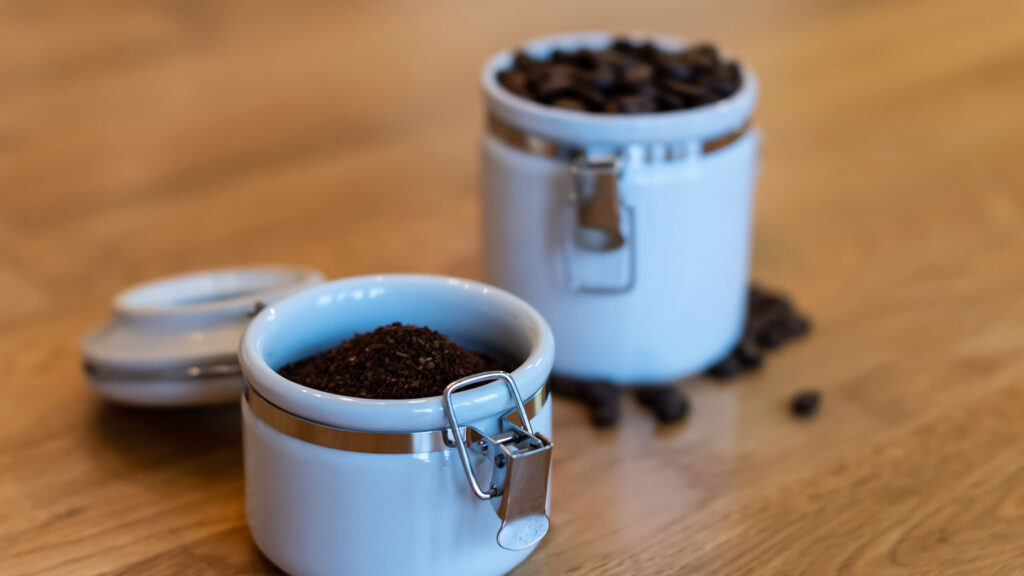
- Material: Opt for opaque, food-grade materials like ceramic, stainless steel, or dark glass. These materials block light effectively. Avoid clear glass or plastic unless it's stored inside a dark pantry.
- Seal: The container must have an airtight seal to prevent oxygen and moisture from entering. Look for containers with silicone gaskets or vacuum seals. Jar lids with rubber seals are excellent choices.
- Size: Choose a container size that is appropriate for the amount of ground coffee you typically use. A container that is too large will have excess air space, increasing oxidation.
- Personal Insight: Early in my coffee journey, I used to just roll up the bag and clip it. The difference after switching to a proper airtight container was astounding. My coffee stayed fresh for much longer, and the flavor depth was consistently superior. This is a crucial step for anyone serious about how to store ground coffee properly.
-
The Ideal Location:
- Cool: A temperature range between 50-70°F (10-21°C) is ideal. This usually means a pantry or cabinet.
- Dark: Away from direct sunlight or bright artificial lights. An opaque container in a dark cabinet works perfectly.
- Dry: Avoid areas with high humidity, such as above a dishwasher or near a sink.
- Odor-Free: Keep your ground coffee away from strong-smelling foods, spices, and cleaning products.
-
Should you freeze ground coffee? This is a common question, and the answer is nuanced. Freezing can extend the shelf life of ground coffee, but it comes with caveats.
- When to Consider Freezing: If you buy in bulk or want to preserve coffee for an extended period (weeks to months), freezing can be beneficial.
- How to Freeze Properly:
- Portion the ground coffee into small, airtight, freezer-safe bags or containers. This prevents repeated thawing and refreezing, which introduces moisture.
- Squeeze out as much air as possible before sealing.
- Place these portions in a larger freezer bag or container for an extra layer of protection against freezer burn and odor absorption.
- Thawing and Usage: When you need coffee, take out only the amount you plan to use for a few days. Do not thaw and refreeze repeatedly, as this exposes the coffee to temperature fluctuations and moisture condensation. Brew the coffee directly from frozen if possible, or allow it to come to room temperature in its sealed container before opening to prevent condensation from forming on the coffee grounds themselves.
Freezing is a tool, not a universal solution for how to store ground coffee properly. For daily use, the pantry remains supreme.
Practical Tips for Maximizing Ground Coffee Freshness
Beyond the container and location, several practical habits can significantly enhance your ground coffee storage efforts and extend its flavorful life. These are the small adjustments that make a big difference in your daily coffee ritual.
- Buy Smaller Batches: The best way to keep ground coffee fresh is to buy smaller quantities more frequently. Aim to purchase only what you can consume within 1-2 weeks. This minimizes the time it spends degrading after being opened. My personal rule of thumb is to never have more than two weeks' worth of ground coffee open at any given time.
- Avoid the Refrigerator: While it might seem intuitive to put coffee in the fridge, it's generally a bad idea for ground coffee. Refrigerators are humid environments and full of strong odors, both of which coffee readily absorbs, leading to stale and off-flavored grounds. It doesn't actually help how to store ground coffee properly.
- Keep it in its Original Bag (If Suitable): If the original coffee bag is resealable and designed with a one-way valve (degassing valve), it can be a good short-term solution for storing ground coffee. However, for longer-term storage, transferring to a truly airtight, opaque container is still preferable once opened.
- Minimize Air Exposure During Use: Each time you open your coffee container, you introduce fresh oxygen. Try to be quick when scooping out your coffee and reseal the container immediately and tightly. This simple act contributes greatly to keeping your ground coffee fresh.
- Grind Just Before Brewing: This is the ultimate secret to freshness, though not always practical for ground coffee users. If you have the option, buying whole beans and grinding them right before brewing provides the freshest possible cup because the volatile compounds are preserved until the last moment. However, for those who primarily use pre-ground coffee, implementing the best storage practices becomes even more critical.
Remember, the goal is always to create a barrier between your ground coffee and its "enemies." By adopting these habits, you'll ensure that the care taken by the roaster and grinder translates into a delicious cup every time.
Decoding Shelf Life and When to Discard
Even with the best storage practices for how to store ground coffee properly, ground coffee has a limited shelf life before its quality significantly deteriorates. Understanding these timelines and recognizing signs of spoilage is crucial for enjoying optimal flavor and avoiding disappointment.
-
Typical Shelf Life:
- Unopened, in original packaging: Ground coffee can typically last 3-5 months if properly sealed and stored in a cool, dark place.
- Opened, in an airtight container: Once opened, ground coffee starts to degrade rapidly. Its peak freshness usually lasts only 1-2 weeks. After this, the flavor and aroma will noticeably diminish, though it might still be safe to consume for a few more weeks.
- Frozen: Properly frozen ground coffee can maintain decent quality for up to 3-6 months, sometimes even longer, though a slight decline in nuances might be expected over time.
-
How to tell if ground coffee has gone bad? While ground coffee doesn't "spoil" in the same way dairy or meat does (i.e., it won't necessarily make you sick if it's just stale), its quality definitely degrades.
- Aroma Test: Fresh coffee has a rich, strong aroma. If your ground coffee smells flat, weak, or has an unpleasant, rancid, or musty odor, it's past its prime. This is the most reliable indicator.
- Visual Inspection: Look for any signs of mold growth, which would appear as fuzzy white, green, or black spots. This is rare if stored dry but indicates severe moisture contamination.
- Taste Test: The ultimate test. If your brewed coffee tastes unusually sour, bland, bitter, or "off," it's likely stale. While it won't harm you, it certainly won't provide an enjoyable experience.
It’s important to distinguish between "stale" and "spoiled." Stale coffee is safe to drink but lacks flavor. Spoiled coffee (with mold) should always be discarded. Prioritizing proper ground coffee storage will significantly push back that inevitable decline in quality, ensuring a more consistent and enjoyable brewing experience.
:max_bytes(150000):strip_icc()/sea-coffee-canisters-lead-afton-cyrus-01-8f20d82f70ef40a1b79e6aa9ee25f627.jpeg)
Frequently Asked Questions about Storing Ground Coffee
Can I store ground coffee in the refrigerator?
No, it is generally not recommended to store ground coffee in the refrigerator. Refrigerators are humid environments and contain many strong odors, both of which ground coffee readily absorbs, leading to a stale and unpleasant taste.
How long does ground coffee stay fresh once opened?
Once opened, ground coffee maintains its peak freshness for about 1 to 2 weeks when stored properly in an airtight, opaque container in a cool, dark place. After this period, its aroma and flavor will begin to diminish significantly.
What is the best type of container for ground coffee?
The best type of container for ground coffee is an opaque, airtight one made of ceramic, stainless steel, or dark glass. It should have a silicone gasket or vacuum seal to prevent oxygen and moisture exposure.
Is it better to buy whole bean or ground coffee for freshness?
For maximum freshness, it is always better to buy whole bean coffee and grind it just before brewing. This preserves the volatile aromatic compounds longer, as grinding significantly increases the surface area exposed to oxygen.
How does freezing affect ground coffee?
Freezing can extend the shelf life of ground coffee for several months, especially if bought in bulk. However, it's crucial to portion it into airtight, freezer-safe containers and minimize thawing and refreezing to prevent moisture condensation and freezer burn.
What are the main enemies of ground coffee freshness?
The main enemies of ground coffee freshness are oxygen, moisture, light, heat, and strong odors. Each of these factors accelerates the degradation of coffee's delicate flavors and aromas, leading to staleness.
Conclusion
Ensuring your ground coffee retains its exquisite flavor and aroma is a straightforward endeavor once you understand the simple principles of proper storage. From selecting the right airtight, opaque container to finding that cool, dark, and dry spot in your pantry, every step contributes to preserving the quality of your daily brew. Avoiding common pitfalls like refrigerator storage and minimizing air exposure during use will transform your coffee experience, ensuring each cup is as rich and satisfying as the roaster intended.
Take these insights and apply them to your coffee routine today. You’ll undoubtedly notice a remarkable difference in the vibrancy and depth of your morning cup. Share your ground coffee storage tips or favorite containers in the comments below, or explore our other articles on brewing techniques to further elevate your coffee journey!

- Are Pod Coffee Machines Healthy? The Unfiltered Truth About Your Daily Cup - September 27, 2026
- Does Gatorade Have Caffeine? Here’s What’s in Each Type - September 26, 2026
- Does Powerade Have Caffeine, or Is That a Myth? - September 26, 2026