
To taste coffee like a professional, focus on systematically evaluating its aroma, body, acidity, flavor, and finish using a standardized cupping process.
Embarking on the journey to taste coffee like a professional isn't just about sipping; it's about unlocking a complex world of sensory experiences, transforming a daily ritual into an art form. This comprehensive guide will demystify the professional coffee tasting process, equipping you with the knowledge and techniques used by experts to discern the nuanced characteristics that define a truly exceptional brew. Whether you're an aspiring barista, a home brewing enthusiast, or simply someone keen to deepen their appreciation for coffee, understanding the methodologies behind professional tasting will profoundly enhance your coffee journey. We will explore the fundamental principles, the systematic approach, and the essential sensory attributes that elevate your ability to taste coffee like a professional.
Understanding the Fundamentals of Coffee Tasting
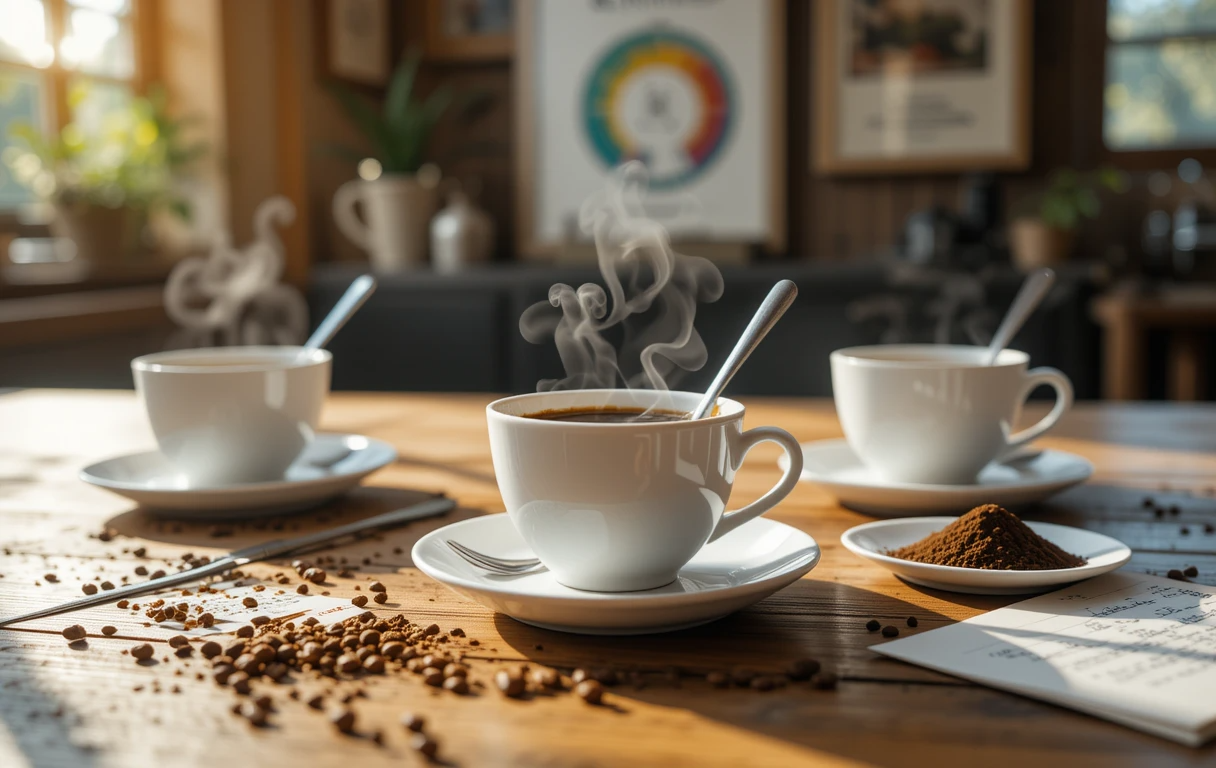
Professional coffee tasting, often referred to as "cupping," is a standardized method used globally to evaluate coffee quality. It's far more rigorous than simply drinking a cup; it's a systematic sensory analysis designed to identify and appreciate the coffee's inherent characteristics and potential flaws. The primary goal is to assess a batch of coffee beans for its overall quality, allowing roasters, buyers, and producers to make informed decisions about purchasing, blending, and processing. In my years working with various coffee origins, I've seen firsthand how a meticulous cupping session can reveal the story behind a bean, from its cultivation practices to its processing methods.
This structured approach ensures consistency and allows for objective comparison between different coffees. Without such a framework, subjective preferences would dominate, making it impossible to establish universal quality standards. Learning how to taste coffee like a professional means adopting this systematic approach, focusing on specific sensory attributes rather than just personal enjoyment. It’s about breaking down the complex flavors and textures into identifiable components, much like a sommelier would analyze wine. This foundational understanding is crucial before delving into the practical steps of a cupping session, as it sets the stage for a truly insightful evaluation of how to taste coffee like a professional.
The Professional Coffee Tasting Process: A Step-by-Step Guide
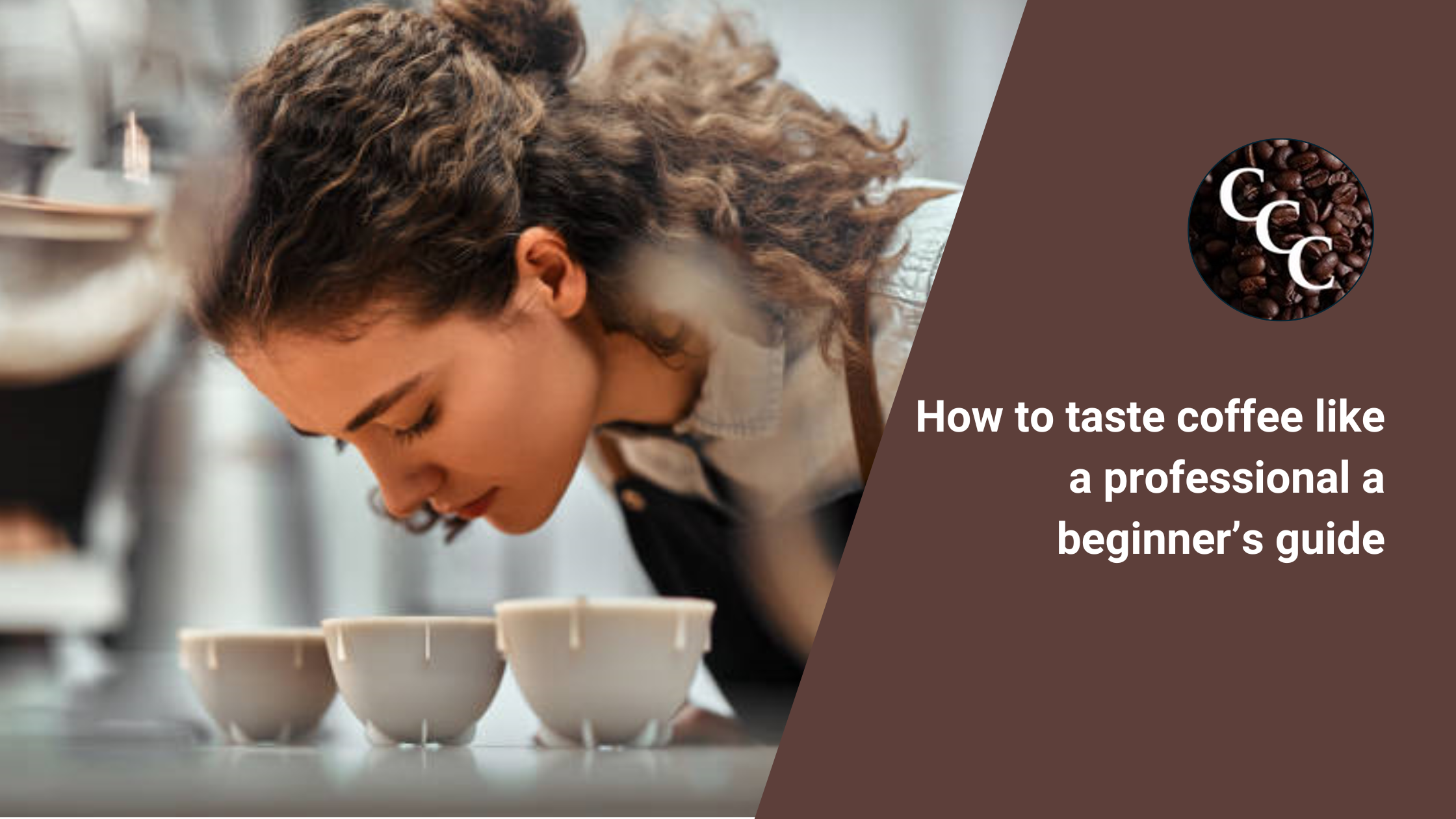
Learning to taste coffee like a professional involves following a structured process, ensuring that each coffee is evaluated consistently. This method, rooted in the global cupping standards, allows for a comprehensive assessment of a coffee's intrinsic qualities. From my own experience, adhering strictly to these steps provides a clear roadmap to understanding a coffee's potential.
- Preparation: Begin by grinding coffee beans to a coarse, even consistency, similar to sea salt. Weigh 8.25 grams of coffee for every 150 ml of water, placing it in a clean cupping bowl. Ensure the water is filtered and heated to around 200°F (93°C).
- Dry Fragrance: Before adding water, lean close to the dry grounds and inhale deeply. This "dry fragrance" reveals volatile aromatics that can hint at the coffee's origin and processing. Note down your initial impressions, looking for terms like floral, nutty, chocolaty, or earthy.
- Adding Water (The Pour): Gently pour the hot water over the grounds, ensuring all grounds are saturated. Start a timer as soon as the water hits the coffee. Let the coffee steep undisturbed for exactly four minutes, allowing the flavors and aromas to fully develop.
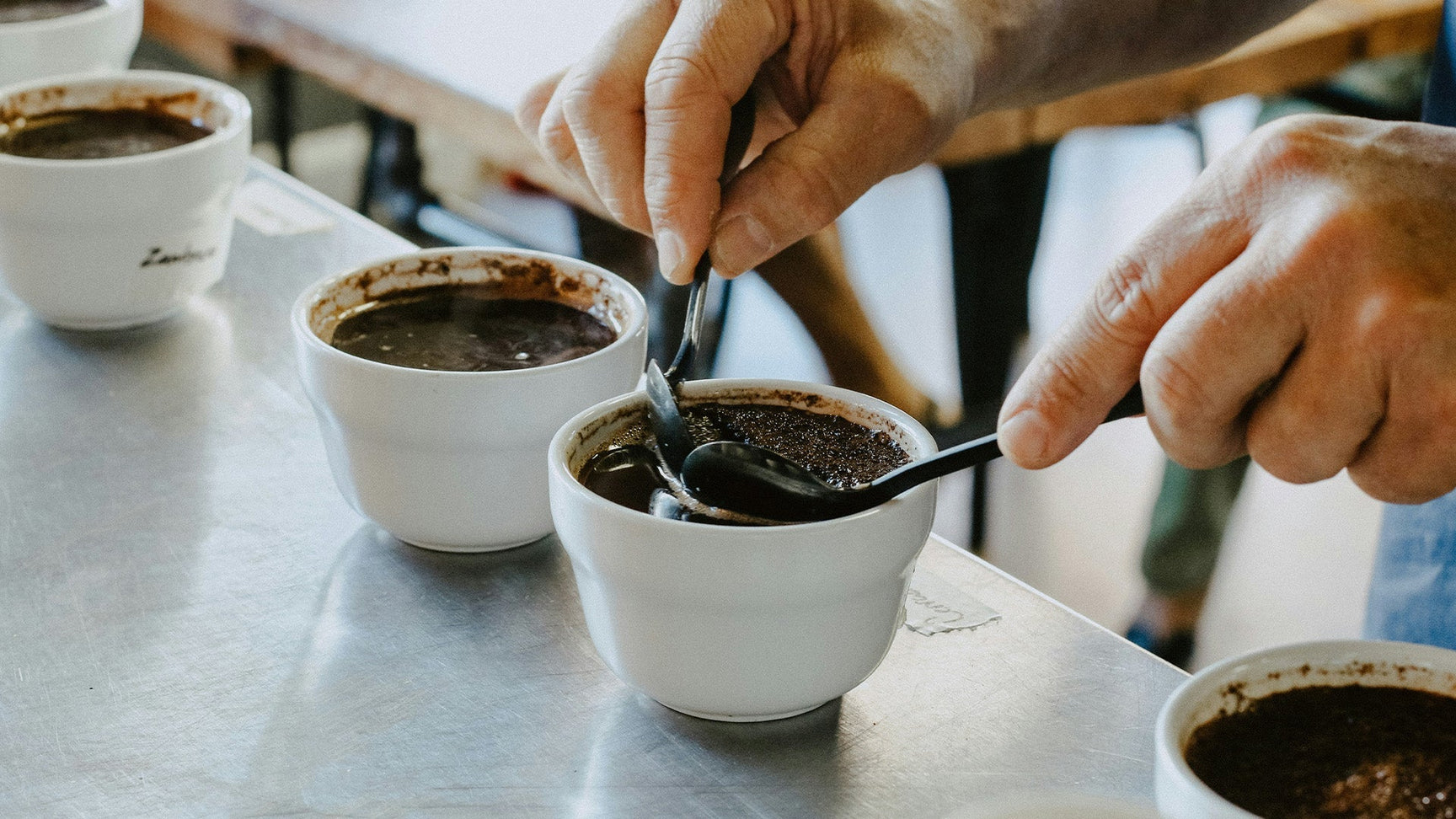
- Breaking the Crust: After four minutes, use a cupping spoon to gently break the crust of grounds that has formed on the surface. As you break it, push the spoon through the crust and bring it to your nose, taking another deep sniff. This "wet aroma" often presents a more intense and complex aromatic profile than the dry fragrance.
- Skimming: Use two cupping spoons to carefully skim off any remaining foam and floating grounds from the surface of the coffee. This prepares the cup for tasting and ensures you don't ingest any unwanted particles.
- Tasting (Slurping): Once the coffee has cooled slightly (around 140-160°F or 60-70°C, about 8-10 minutes after pouring), begin tasting. Take a spoonful of coffee and slurp it loudly and quickly. The slurping action atomizes the coffee, distributing it across your entire palate and allowing volatile aromatics to reach your olfactory receptors at the back of your nose. This is a critical step to taste coffee like a professional.
- Evaluation: As you taste, systematically evaluate key attributes:
- Fragrance/Aroma: The scents perceived both dry and wet.
- Flavor: The primary taste sensations, often described with specific notes (e.g., berry, citrus, caramel).
- Acidity: Not sourness, but a pleasant brightness, liveliness, or tartness.
- Body: The mouthfeel or texture of the coffee (e.g., light, creamy, heavy).
- Sweetness: The perceived sweetness, separate from any added sugar.
- Balance: How well all the attributes harmonize.
- Finish/Aftertaste: The lingering flavors and sensations after swallowing.
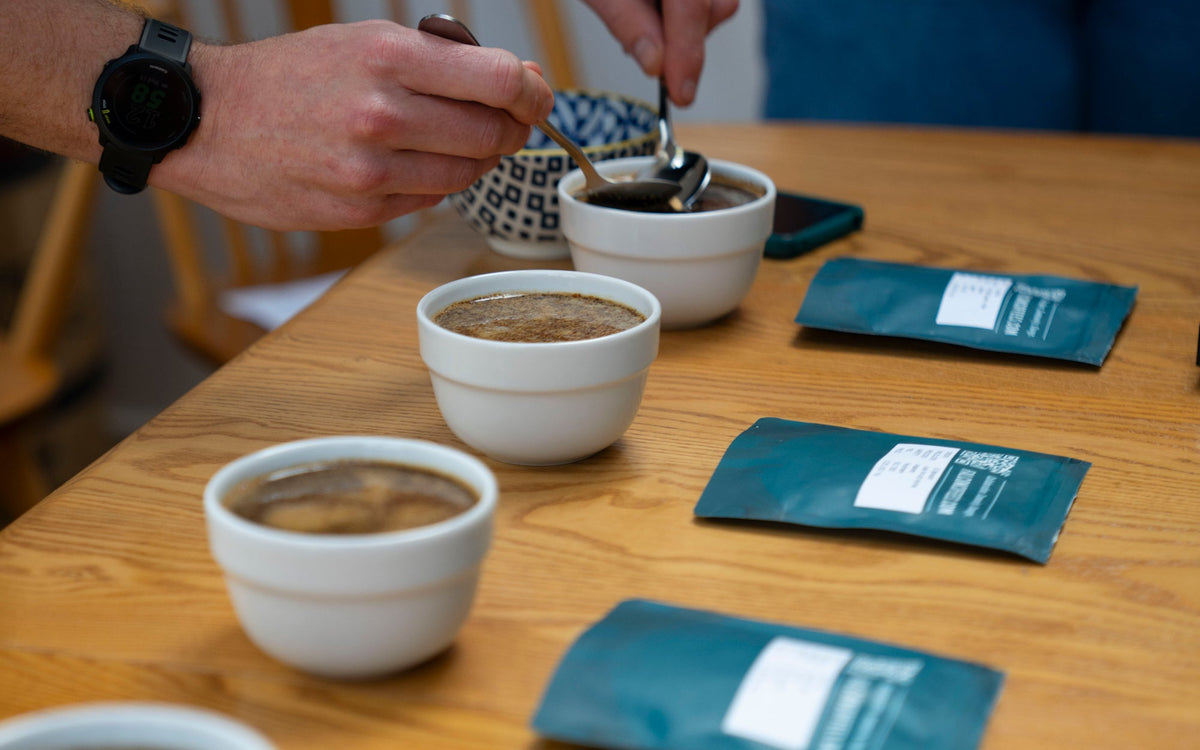
- Repeat and Compare: Taste the coffee multiple times as it cools, noting how the flavors evolve. Compare different cups side-by-side, if you are cupping multiple samples. This comparative analysis is essential for a professional assessment.
Following these steps meticulously allows you to dissect the intricate layers of a coffee's profile, training your palate to identify specific attributes and understand its overall quality. This systematic approach is the cornerstone of how to taste coffee like a professional.
Key Sensory Attributes to Evaluate
When you taste coffee like a professional, your focus shifts from a general "good or bad" impression to a detailed analysis of specific sensory attributes. Each element contributes to the coffee's unique identity and quality. Understanding these attributes is foundational for anyone aiming to truly discern the nuances in their cup.
- Aroma: This is the scent of the brewed coffee, often more complex than the dry fragrance. It encompasses everything you smell. Professionals look for descriptors like floral (jasmine, rose), fruity (berry, citrus), nutty (almond, hazelnut), chocolaty (dark chocolate, cocoa), spicy (cinnamon, clove), or earthy notes. A clean, distinct aroma often indicates a higher quality coffee.
- Acidity: This isn't about sourness, but rather a desirable brightness and liveliness on the palate. Think of the refreshing tartness in a green apple or a lemon. High-quality acidity can be crisp, sparkling, citric (lemon, orange), malic (apple), or tartaric (grape). Low acidity might make a coffee taste flat, while excessive acidity can be unpleasant.
- Body: Also known as mouthfeel, body refers to the tactile sensation or weight of the coffee in your mouth. Is it light and tea-like, or rich and creamy? Common descriptors include thin, watery, medium, syrupy, heavy, or buttery. This attribute is largely influenced by the insoluble solids and oils present in the brew.
- Flavor: This is the overall taste experience, combining aroma, taste, and mouthfeel into a cohesive perception. When you taste coffee like a professional, you aim to identify specific flavor notes. These can range from dark chocolate and caramel to specific fruits like blueberry or peach, or even savory notes like toasted nuts. The flavor should be clean and clearly defined, without any off-notes.
- Sweetness: This refers to the perceived pleasantness or sugary taste inherent in the coffee, even without adding actual sugar. It's a fundamental positive attribute, often described as brown sugar, honey, molasses, or caramel. A well-processed, high-quality coffee will often have a notable natural sweetness.
- Balance: Balance describes how well all the sensory attributes integrate and harmonize with each other. A balanced coffee means no single attribute dominates or overwhelms the others. All elements – aroma, acidity, body, and flavor – should complement each other to create a unified and pleasing experience. A coffee can have great individual attributes but still lack balance if they clash.
- Finish/Aftertaste: This is the lingering sensation and flavor left in your mouth after you've swallowed the coffee. A good finish should be pleasant, clean, and often echo some of the primary flavors. It can be short or long, sweet or bitter, clean or gritty. A clean, lingering sweet or chocolaty finish is highly desirable, while a sour or acrid aftertaste is typically a flaw.
By meticulously evaluating each of these attributes, you begin to build a comprehensive profile of the coffee, allowing you to not just enjoy it, but truly understand and appreciate its intricacies, making you able to taste coffee like a professional.
Developing Your Palate: Tips and Exercises
Cultivating a refined palate is the cornerstone of learning how to taste coffee like a professional. It's a skill that develops over time with conscious effort and consistent practice. In my journey, I found that intentionality was key; simply drinking coffee wasn't enough, I had to actively engage my senses.
- Start Simple, Then Diversify: Begin by focusing on one or two distinct attributes in each cup. Perhaps today it's just acidity and body. As your recognition grows, introduce new attributes. Then, actively seek out coffees from different origins (e.g., Ethiopian, Colombian, Brazilian) and processing methods (washed, natural, honey). Each offers a unique set of characteristics that will broaden your sensory library.
- Use a Coffee Flavor Wheel: This tool, often used by professionals, is invaluable. It provides a common language for describing coffee flavors and aromas. Start with the broad categories (e.g., fruity, nutty, spicy) and then work your way to more specific descriptors (e.g., cherry, almond, cinnamon). I often kept one near my cupping station in the early days.
- Blind Tasting Exercises: This is one of the most effective ways to remove bias. Have a friend brew a few different coffees without telling you what they are. Evaluate each cup independently and then compare your notes. You'll be surprised how much clearer your perceptions become without preconceived notions.
- Practice Mindful Consumption: Don't just gulp your coffee. Take small sips, let it linger on your tongue, and pay attention to where on your palate you perceive certain flavors (e.g., sweetness at the tip, bitterness at the back). Notice how the flavors evolve as the coffee cools.
- Expand Your Sensory Reference Points: The world of flavors extends beyond coffee. Taste different fruits, spices, nuts, and chocolates individually, actively identifying their unique characteristics. For instance, comparing the acidity of a lemon to an apple helps you understand different types of acidity in coffee. This cross-referencing helps build a robust internal database of sensory experiences.
- Keep a Tasting Journal: Document your observations for each coffee: origin, roast level, brew method, and your notes on aroma, acidity, body, flavor, and finish. Over time, you’ll start to see patterns and recognize your own sensory strengths and weaknesses. This journal becomes a powerful learning tool, allowing you to track your progress and reinforce your understanding of how to taste coffee like a professional.
Developing your palate is an ongoing process, but by consistently applying these tips, you'll significantly enhance your ability to taste coffee like a professional, uncovering the hidden stories within every cup.
Common Mistakes to Avoid When Tasting Coffee
Learning to taste coffee like a professional involves more than just knowing what to do; it also requires understanding what not to do. Over my years of cupping and evaluating countless coffees, I've observed several common pitfalls that can hinder an accurate assessment. Avoiding these mistakes will significantly refine your tasting abilities.
- Rushing the Process: Coffee tasting is not a race. Each step, from dry fragrance to the cooling evaluation, serves a purpose. Rushing can lead to missed aromatic notes or an incomplete assessment of flavor evolution. Allow ample time for the coffee to develop and for your palate to process the sensations.
- Tasting Too Hot: The initial sips when coffee is too hot can dull your taste buds and obscure subtle flavors. While you assess the initial aroma, wait for the coffee to cool to a temperature where you can comfortably slurp it without burning your mouth. The optimal tasting window typically begins around 160°F (70°C) and continues as it cools further.
- Ignoring the Slurp: Many people shy away from the loud slurp, but it's crucial. As mentioned, slurping aerates the coffee, ensuring it hits all parts of your tongue and allowing volatile aromatics to reach your retro-nasal cavity. Without it, you miss out on a significant portion of the flavor experience and won't properly taste coffee like a professional.
- Letting Personal Preference Dictate Evaluation: While everyone has preferences, a professional evaluation demands objectivity. Try to set aside whether you personally "like" a coffee and instead focus on its inherent qualities: its acidity, body, sweetness, and the clarity of its flavors. Is it well-balanced? Does it have any defects? This detachment is vital for accurate assessment.
- Failing to Cleanse Your Palate: Tasting multiple coffees without a palate cleanser can lead to flavor carryover and fatigue. Always have water readily available to rinse your mouth between samples. Some professionals also use plain crackers or bread to reset their taste buds.
- Not Taking Notes: Relying solely on memory, especially when tasting several coffees, is unreliable. Detailed notes are essential for tracking observations, remembering specific attributes, and identifying patterns over time. This documentation is a hallmark of how to taste coffee like a professional.
- Being Afraid to Use Descriptors: In the beginning, it can feel daunting to assign specific flavor notes. Don't be afraid to experiment with descriptors, even if they seem a bit off. The more you try to articulate what you're tasting, the better you'll become at pinpointing accurate notes. There's no single "right" answer, but rather a journey of discovery.
By consciously avoiding these common errors, you'll pave a clearer path to developing a discerning palate and truly learning how to taste coffee like a professional.
Tools and Resources for the Aspiring Coffee Taster
To effectively taste coffee like a professional, having the right tools and knowing where to find reliable resources can significantly accelerate your learning curve. These aids provide consistency, a common language, and opportunities for continuous development.
- Cupping Bowls and Spoons: Essential for standardized tasting. Cupping bowls are typically made of ceramic or glass, holding around 5-7 ounces, ensuring uniform temperature retention. Cupping spoons are deep, broad, and designed for efficient slurping and skimming. These specialized tools are key to maintaining consistency in how to taste coffee like a professional.
- Precision Scale and Grinder: Accurate measurements are crucial for reproducibility. A digital scale ensures precise coffee-to-water ratios, while a high-quality burr grinder provides a consistent grind size, minimizing fines and boulders that can negatively impact extraction and flavor clarity.
- Cupping Forms/Score Sheets: These structured forms guide you through the evaluation process, prompting you to assess each attribute systematically (fragrance, aroma, acidity, body, flavor, aftertaste, balance, overall). Using a standardized form helps ensure a comprehensive and objective assessment, vital for learning how to taste coffee like a professional.
- Coffee Flavor Wheel: Developed by the Specialty Coffee Association (SCA), this wheel is an invaluable visual aid. It organizes coffee flavors and aromas into logical categories, from broad to specific. It provides a common vocabulary for describing what you taste, helping you articulate complex sensory experiences more accurately.
- Reference Flavor Kits: Kits containing vials of common coffee aromas (e.g., roasted almond, caramel, tobacco, garden peas) can help train your olfactory senses. By smelling these concentrated aromas, you build a mental library of reference points, making it easier to identify similar notes in actual coffee.
- Reputable Online Courses and Books: Many professional organizations and experienced tasters offer online courses or publish comprehensive guides on coffee tasting and sensory analysis. These resources often delve into the science behind taste and aroma, providing a deeper understanding.
- Local Roasters and Cafes: Engage with knowledgeable baristas and roasters. Many specialty coffee shops host public cupping events, offering a fantastic opportunity to taste multiple coffees side-by-side in a guided setting. This practical, real-world experience is indispensable for anyone wanting to taste coffee like a professional.
- Sensory Training Apps: A growing number of mobile applications offer exercises and guides to help develop your palate, often incorporating elements of the flavor wheel and blind tasting challenges.
Equipping yourself with these tools and leveraging available resources will empower you to approach coffee tasting with greater confidence and precision, steadily advancing your ability to taste coffee like a professional.
Frequently Asked Questions of how to taste coffee like a professional
What is the most important step in coffee tasting?
The most important step is the "slurp," as it aerates the coffee across your entire palate and allows aromas to reach your olfactory receptors, providing a comprehensive flavor experience. Without a proper slurp, much of the coffee's nuance will be missed.
How do professionals describe coffee flavor?
Professionals use a specific vocabulary, often guided by the Coffee Flavor Wheel, to describe flavors. They categorize tastes into broad groups like "fruity" or "nutty," then drill down to specific notes such as "blueberry" or "hazelnut," along with attributes like acidity, body, and sweetness.
Can anyone learn to taste coffee like a professional?
Absolutely. While some individuals may have a naturally more sensitive palate, professional coffee tasting is a skill developed through consistent practice, systematic evaluation, and conscious sensory training. It requires dedication but is accessible to anyone.
What is "acidity" in coffee and why is it important?
Acidity in coffee refers to a desirable brightness or liveliness on the palate, not sourness. It's important because it adds complexity, zest, and a refreshing quality to the coffee, much like the tartness in fruit, making the coffee vibrant rather than dull.
How often should I practice to improve my coffee tasting skills?
Consistent practice is key. Aim for at least 2-3 dedicated tasting sessions per week, even if it's just mindfully evaluating your daily cup. Regular engagement with different coffees and sensory exercises will gradually sharpen your palate and deepen your understanding.
Conclusion
Mastering how to taste coffee like a professional is a rewarding journey that transforms a simple beverage into a rich sensory experience. By systematically evaluating aroma, body, acidity, flavor, sweetness, balance, and finish, you unlock a deeper understanding of coffee's intricate profile. This disciplined approach, combined with intentional palate development and the right tools, empowers you to move beyond casual enjoyment and truly discern the nuanced craftsmanship behind every cup. Embrace the process, practice consistently, and allow yourself the joy of discovering the vast, complex world of coffee flavors. Take the first step today; grab a fresh bag of beans, set up your cupping station, and begin your own professional tasting adventure. Your palate, and your appreciation for coffee, will thank you.

- How to Fix a Portafilter: Size, Locking Mechanism, and Troubleshooting Guide - October 22, 2026
- 35 Coffee Machine Parts and Functions: Complete Guide With Names and Uses - October 22, 2026
- 25 Espresso Machine Parts Names and Their Functions Explained - October 22, 2026