
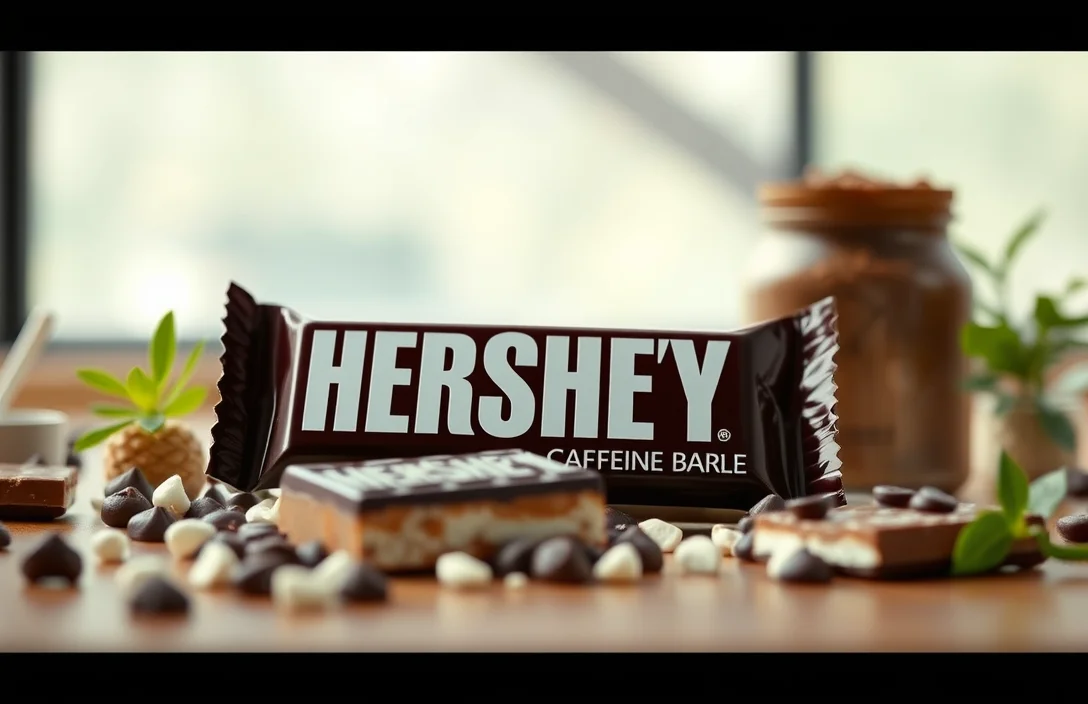
Hershey bars contain approximately 9 milligrams of caffeine per 1.55-ounce serving, significantly less than a typical cup of coffee which has about 95 milligrams. This small amount can still provide a mild boost, making it an interesting choice for chocolate lovers seeking a little energy.
Chocolate contains caffeine, and the Hershey bar’s caffeine level is relatively low. Comparatively, dark chocolate has more caffeine. Enjoying a Hershey bar can offer a subtle energy lift without the jitters associated with coffee.
Caffeine Content in Hershey Bars
Hershey bars contain approximately 9 milligrams of caffeine per 1.55-ounce bar. This amount is relatively low compared to other chocolate products, making it less likely to provide a significant energy boost. For context, standard milk chocolate typically has about 1 to 15 milligrams of caffeine per ounce, so Hershey’s chocolate fits within this range.
Chocolate’s caffeine levels vary based on the cocoa content. Dark chocolate generally contains more caffeine than milk chocolate, meaning Hershey’s special dark variant might have higher levels. Knowing this can help consumers make informed choices based on their caffeine sensitivity.
Individuals seeking a notable caffeine kick might consider other options, such as coffee or energy drinks, which typically contain anywhere from 80 to 200 milligrams of caffeine per serving. Comparing these figures illustrates that while Hershey bars offer a bit of caffeine, they are not a primary source for those needing a quick energy boost.
Comparison with Other Chocolates
Caffeine levels in chocolates vary significantly. Dark chocolate typically contains more caffeine than milk chocolate, making it a better choice for those seeking a stronger energy boost. For instance, a standard dark chocolate bar may have up to 60-70 milligrams of caffeine, while a Hershey bar contains around 9 milligrams. This difference is essential for consumers who monitor their caffeine intake.
Milk chocolate options like Hershey bars usually have lower cocoa content. Cocoa solids contribute to caffeine levels, so brands with higher cocoa percentages will naturally offer more caffeine. Comparatively, gourmet chocolate brands often highlight their cocoa content, appealing to consumers looking for both flavor and a caffeine kick.
Energy-boosting chocolates are designed specifically for high caffeine content. Brands like Bang and Caffeinated Chocolate offer products with caffeine levels comparable to coffee. Those looking for an alternative energy source may want to explore these options instead of traditional candy bars like the Hershey variety.
Ingredient choices also affect caffeine levels. Some chocolates include coffee or tea extracts to enhance flavor and caffeine content. Consumers interested in maximizing their caffeine intake might consider chocolate products that incorporate these ingredients for a more significant energy boost.
Health Effects of Caffeine
Caffeine consumption impacts the body significantly. Regular intake can enhance alertness, improve concentration, and reduce fatigue. For many people, a moderate dose can lead to improved mental performance. However, excessive consumption may lead to negative side effects such as anxiety and insomnia, so moderation is key.
Research indicates caffeine can stimulate metabolism. This effect may aid in weight management, as it encourages the body to burn fat more effectively. Individuals looking for a slight boost during exercise may find caffeine beneficial for enhancing endurance and performance, making it a common ingredient in sports supplements.
Withdrawal symptoms can occur if caffeine intake is suddenly reduced. Headaches, fatigue, and irritability are common complaints during this transition. To minimize discomfort, gradually reducing caffeine consumption is advisable, rather than quitting all at once.
Moderate caffeine consumption generally poses no major health risks. For most adults, consuming up to 400 milligrams per day is considered safe. However, those with certain medical conditions should consult healthcare providers to ensure caffeine intake is appropriate for their individual health needs.
Hershey Chocolate Ingredients
Chocolate production involves various ingredients, each contributing to the final product’s taste and texture. Hershey bars typically contain milk chocolate, sugar, cocoa butter, chocolate, and lecithin. These components create a creamy and sweet flavor profile that many enjoy. Understanding these ingredients helps consumers make informed choices regarding their snacks.
Cocoa solids play a crucial role in determining the chocolate’s flavor. The higher the cocoa content, the more intense the chocolate taste and potential caffeine levels. While Hershey bars are not the highest in cocoa content compared to dark chocolates, they still contain some caffeine due to the cocoa used in production.
Sugar is another significant ingredient that enhances sweetness but does not contribute directly to caffeine. Its presence can mask the bitterness associated with cocoa, making the overall experience more palatable. Balancing sugar with cocoa is essential for achieving that distinctive Hershey flavor.
Lecithin serves as an emulsifier, helping to blend the ingredients smoothly. This ingredient contributes to the bar’s texture, making it enjoyable to eat. While it doesn’t affect caffeine content, it plays a vital role in the overall quality of the chocolate.
Energy Boost from Chocolate
Chocolate can provide a quick energy boost due to its sugar and caffeine content. A standard Hershey bar contains sugar, which rapidly increases blood glucose levels, supplying the body with immediate energy. This effect can be particularly beneficial during moments of fatigue or when needing to enhance focus and alertness.
Caffeine found in chocolate contributes to this energy increase as well. While a Hershey bar contains significantly less caffeine compared to a cup of coffee, it can still stimulate the central nervous system, leading to heightened alertness. This mild caffeine content can enhance mood and improve concentration without overwhelming jitters.
Consider pairing chocolate with a source of protein for a more sustained energy release. Combining a Hershey bar with nuts or yogurt can help balance blood sugar levels, preventing the crash that often follows sugary snacks. Such combinations will maximize the energy benefits while keeping you feeling satisfied longer.
Avoid excessive consumption of chocolate for energy, as it can lead to unwanted side effects. Moderation is key; indulging in one or two pieces can be beneficial, but overindulgence may result in energy spikes followed by crashes. Being mindful of portion sizes will help maintain consistent energy levels.
Caffeine Sensitivity and Chocolate
Caffeine sensitivity varies significantly among individuals. Some people metabolize caffeine quickly, while others experience heightened effects even with small amounts. For those sensitive to caffeine, consuming chocolate, including Hershey bars, may lead to increased heart rate or anxiety. Recognizing your personal tolerance is crucial to enjoying treats without negative side effects.
Moderation plays an essential role. Individuals with caffeine sensitivity should limit their intake of chocolate products. A single Hershey bar contains about 9 milligrams of caffeine, which may not seem significant but can accumulate throughout the day. Monitoring overall caffeine consumption helps prevent adverse reactions.
Symptoms of caffeine sensitivity can include jitters, headaches, or sleep disturbances. If you notice these effects after consuming chocolate, consider reducing your intake or opting for caffeine-free alternatives. Listening to your body is key to maintaining a balanced diet while enjoying your favorite sweets.
Consulting with a healthcare professional can provide personalized advice. If you’re unsure about your caffeine sensitivity, a brief assessment can help determine appropriate limits. This guidance ensures you can enjoy Hershey bars without compromising your well-being.
Alternatives to Hershey Bars
Exploring options beyond Hershey bars can enhance your chocolate experience while managing caffeine intake. Various brands offer alternatives with different levels of caffeine, flavor profiles, and ingredients. Selecting a chocolate that aligns with your preferences can be rewarding and enjoyable.
Consider dark chocolate varieties, which typically contain higher cacao content and may provide a stronger caffeine kick. Brands like Ghirardelli and Lindt offer rich dark chocolates that not only satisfy cravings but also have additional health benefits compared to traditional milk chocolate.
Look into chocolate-covered snacks like espresso beans or coffee-infused chocolates. These options usually deliver a more significant caffeine boost while also offering a delightful taste experience. Popular brands include Café Bustelo and Trader Joe’s, both of which provide delicious choices for caffeine lovers.
Explore organic and artisanal chocolates, many of which prioritize high-quality ingredients and unique flavors. These chocolates often come with varying caffeine levels, making it easier to find a product that suits your needs. Brands such as Alter Eco or Green & Black’s exemplify this movement toward quality and sustainability.
Seek out chocolate bars with added ingredients like matcha or green tea for an alternative caffeine source. Combining these elements can create a unique flavor and provide additional health benefits. Brands focusing on these blends can often be found at specialty stores or online retailers.
Consumer Preferences on Caffeine
Survey insights reveal consumer preferences significantly influence the appeal of chocolate products. Many individuals gravitate toward sweets that provide some level of alertness, even if mild. Understanding these preferences helps manufacturers tailor their offerings, ensuring they meet the desires of health-conscious consumers while still delivering the indulgent experience of chocolate.
Research indicates that flavor profiles and caffeine content play crucial roles in decision-making. Consumers often choose products that balance sweetness with a hint of bitterness from caffeine. This combination can enhance the overall satisfaction derived from eating chocolate, making caffeine a subtle yet pivotal factor in flavor formulation.
Trends show younger audiences increasingly seek energy-boosting snacks. As lifestyles become busier, many consumers prefer treats that offer a dual purpose: enjoyment and a slight pick-me-up. Hershey bars can tap into this trend by highlighting their caffeine content, appealing to the desire for convenience and energy.
Packaging and marketing strategies also influence consumer choices. Clear labeling of caffeine levels on chocolate bars can attract those looking for an energy boost. Transparency builds trust and allows consumers to make informed decisions tailored to their caffeine sensitivity and dietary preferences.
Myths about Chocolate and Caffeine
Many misconceptions exist regarding chocolate and caffeine. A common myth is that all chocolate contains high levels of caffeine. While chocolate does contain some caffeine, particularly dark chocolate, the levels are generally lower than in coffee or energy drinks. For example, a standard Hershey bar contains about 9 milligrams of caffeine, which is significantly less than a typical cup of coffee.
Another prevalent belief is that consuming chocolate will lead to increased energy levels. While the caffeine present can provide a slight boost, the sugar content often results in a quick spike followed by a crash. Therefore, relying on chocolate for sustained energy isn’t effective. Recognizing this can help consumers make better choices when seeking energy sources.
Many assume that the combination of sugar and caffeine in chocolate creates a strong stimulant effect. In reality, the interaction between sugar and caffeine in a Hershey bar is mild. The overall effect varies from person to person, often depending on individual tolerance levels and sensitivity to caffeine.
Understanding the caffeine content in specific chocolate products helps consumers manage their intake. Checking labels provides clarity on how much caffeine is present. By being informed, you can enjoy treats without overestimating their energizing effects.
Quick Summary
- The Hershey Bar contains a small amount of caffeine, approximately 9 mg per 1.55 oz bar.
- Compared to a standard cup of coffee, which can contain 95 mg or more of caffeine, the Hershey Bar has relatively low caffeine content.
- Caffeine in the Hershey Bar primarily comes from the chocolate itself.
- Consumers seeking a caffeine boost may find the Hershey Bar insufficient for their needs.
- The bar can still provide a mild stimulant effect, especially when consumed in larger quantities or alongside other caffeinated products.
- Hershey Bars are widely enjoyed for their taste rather than their caffeine content.
- For those sensitive to caffeine, it is important to be mindful of total intake when consuming chocolate products like Hershey Bars.
Frequently Asked Questions
1. Does a Hershey bar contain caffeine?
Yes, a standard Hershey bar does contain a small amount of caffeine. On average, a regular 1.55 oz (43 g) Hershey bar contains about 9 mg of caffeine.
2. How does the caffeine content in a Hershey bar compare to other chocolate products?
The caffeine content in a Hershey bar is relatively low compared to dark chocolate, which can contain significantly more caffeine. For instance, a typical ounce of dark chocolate can have around 20-30 mg of caffeine.
3. Can I consume a Hershey bar if I am sensitive to caffeine?
If you are sensitive to caffeine, it’s wise to limit your intake of Hershey bars due to their caffeine content. While it’s lower than coffee or energy drinks, even small amounts can affect those who are highly sensitive.
4. What are the effects of consuming caffeine from a Hershey bar?
Consuming caffeine from a Hershey bar can lead to mild stimulation, which may enhance alertness or mood. However, since the caffeine content is low, most people will not experience significant effects unless they consume large quantities.
5. Are there any caffeine-free chocolate options available?
Yes, there are caffeine-free chocolate options available on the market, often made using carob or specially processed cocoa. If you’re looking to avoid caffeine altogether, check product labels for specifics on caffeine content.

- Unlocking the Venti: Discover the Perfect Shot Count for Your Drink - October 13, 2026
- Unpacking the Buzz: Caffeine Levels in Café Bustelo Espresso - October 13, 2026
- How to Fix Bitter Coffee: 10 Expert Ways to Improve the Taste - October 4, 2026