
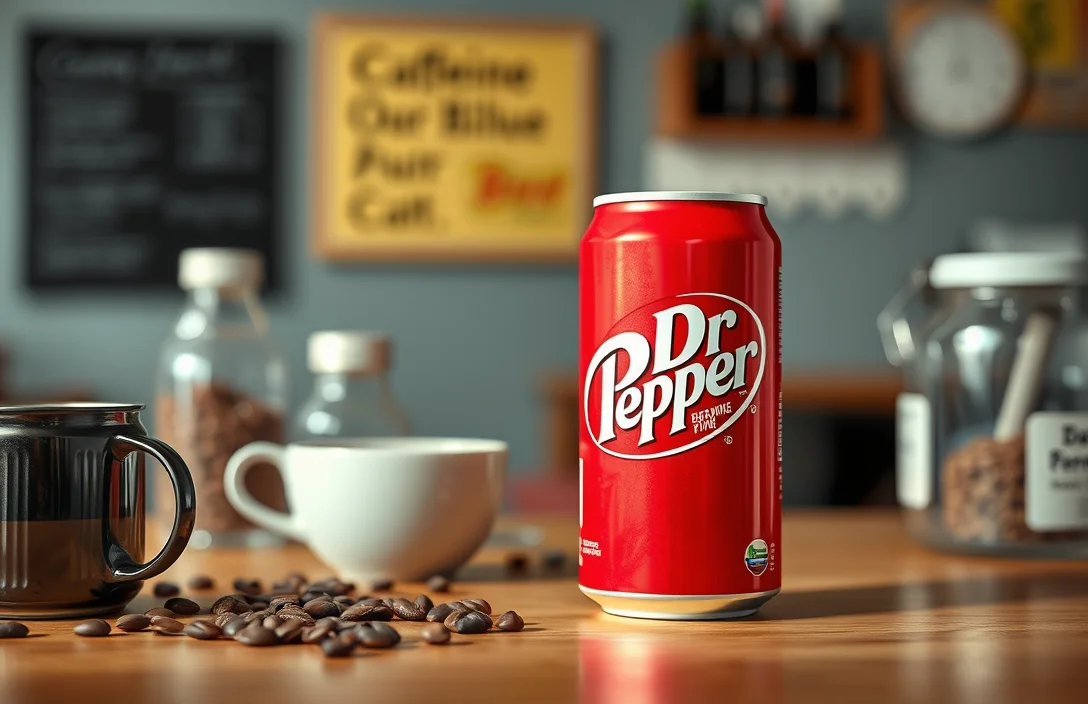
Dr Pepper contains approximately 41 milligrams of caffeine in a 12 oz serving, which is comparable to a cup of green tea. This level of caffeine can affect your alertness and energy levels, making it an interesting choice for soda lovers seeking a caffeine boost.
Key points include: 41 mg of caffeine per 12 oz, similar to green tea, and potential boost in energy. Understanding these factors can help you decide if Dr Pepper fits into your daily caffeine consumption.
Caffeine Content in Dr Pepper
A 12 oz serving of Dr Pepper contains approximately 41 mg of caffeine. This amount positions it as a moderate source of caffeine among soft drinks. Many consumers may not realize how this compares to other beverages on the market.
Caffeine acts as a stimulant, providing a quick energy boost. For those sensitive to caffeine, it’s essential to be aware of how this content might affect their daily consumption. Understanding your limits can help avoid any adverse effects.
Comparatively, this caffeine content is lower than some energy drinks but higher than most caffeine-free sodas. Monitoring intake from various sources can help maintain a balanced caffeine consumption throughout the day.
Daily caffeine recommendations vary, with many health experts suggesting a limit of 400 mg for most adults. Tracking your intake, especially from beverages like Dr Pepper, can contribute to achieving this goal. Keeping a log of what you consume may be beneficial.
Overall, enjoying a 12 oz Dr Pepper can provide a satisfying taste along with a moderate caffeine kick. This makes it a popular choice for those seeking refreshment without excessive stimulation. Balancing enjoyment with awareness can enhance your beverage choices.
Comparative Caffeine Levels in Soft Drinks
Dr Pepper contains 41 mg of caffeine per 12 oz serving. Comparing it with other popular soft drinks reveals interesting differences in caffeine content. For instance, a 12 oz serving of Coca-Cola has about 34 mg, while Pepsi contains approximately 38 mg. These numbers highlight Dr Pepper’s moderate caffeine level in the soft drink category.
Insights from the comparison table illustrate caffeine variations among common beverages:
| Soft Drink | Caffeine (mg per 12 oz) |
| Dr Pepper | 41 |
| Coca-Cola | 34 |
| Pepsi | 38 |
| Mountain Dew | 54 |
Comparatively, energy drinks generally provide much higher caffeine levels. For example, a standard 8 oz energy drink can contain anywhere from 80 to 150 mg of caffeine. This stark difference highlights Dr Pepper’s relatively mild kick when stacked against energy drinks.
Overall, knowing the caffeine content in Dr Pepper and its competitors helps consumers make informed choices about their beverage preferences. Understanding how it fits into the overall landscape of soft drink options can guide decisions based on caffeine tolerance and desired energy levels.
Health Effects of Caffeine Consumption
Caffeine consumption can provide both benefits and risks. Positive effects include increased alertness and enhanced cognitive function. Many individuals experience improved mood and energy levels after consuming caffeine. These benefits can help with productivity in daily tasks, making it a popular choice among many.
Negative impacts can also arise. Excessive intake may lead to anxiety, insomnia, and digestive issues. Some individuals may experience increased heart rate or blood pressure. Understanding these potential side effects is crucial for making informed choices about caffeine consumption.
- Moderation is key for benefits.
- Individual tolerance varies widely.
- Consulting healthcare providers is advisable for specific concerns.
- Avoiding caffeine late in the day can prevent sleep disturbances.
Monitoring your response to caffeine is essential. Keeping a journal of consumption alongside any side effects may help identify personal limits. Adjusting intake based on individual reactions ensures a balanced approach to enjoying beverages like Dr Pepper without negative consequences.
Tolerance and Sensitivity to Caffeine
Caffeine affects individuals differently due to various factors, including genetics, age, and consumption habits. Understanding personal tolerance levels is crucial for managing caffeine intake effectively. Some people may experience heightened sensitivity, leading to adverse effects even at lower doses, while others may consume larger amounts without noticeable issues.
- Monitor personal reactions closely. Notice how your body responds to caffeine-rich beverages like Dr Pepper. Symptoms such as jitters, increased heart rate, or headaches can indicate sensitivity.
- Keep track of consumption patterns. Regular intake may build tolerance over time. People who frequently drink caffeinated drinks might find they need more to achieve the same effects.
- Consider lifestyle factors. Stress levels, sleep quality, and overall health can influence sensitivity. High-stress days may amplify caffeine’s effects, making it necessary to adjust intake accordingly.
- Consult with healthcare professionals. If unsure about caffeine’s impact on your health, discussing concerns with a doctor can provide tailored advice and recommendations.
Adjusting caffeine consumption based on personal tolerance helps maintain a balanced approach. Being mindful of individual reactions ensures that enjoying beverages like Dr Pepper remains a positive experience.
Caffeine Consumption Guidelines
Health experts recommend limiting daily caffeine intake to 400 milligrams for most adults. This amount equates to roughly four 8-ounce cups of brewed coffee or about ten 12-ounce cans of soda. Staying within this guideline helps avoid potential side effects such as jitteriness, insomnia, and increased heart rate.
Individuals with specific health conditions, such as anxiety disorders or heart issues, should consult healthcare professionals for personalized recommendations. Pregnant women, in particular, should aim for a lower limit of 200 milligrams daily to ensure the safety of both mother and baby. Monitoring consumption becomes crucial in these cases.
Children and adolescents require special consideration regarding caffeine intake. Experts suggest that kids limit consumption to no more than 100 milligrams per day. This is about one 12-ounce can of soda. Parents should guide their children in making informed choices about caffeinated beverages to prevent potential health risks.
Tracking caffeine consumption can prove beneficial for those who consume multiple sources throughout the day. Keeping a log of all caffeinated drinks, including sodas and energy drinks, can help maintain awareness. By doing so, individuals can make adjustments as necessary to adhere to recommended daily limits.
Alternatives to Caffeinated Beverages
Seeking non-caffeinated options can enhance your beverage choices. Herbal teas provide a flavorful alternative without caffeine. Varieties like chamomile and peppermint not only hydrate but also offer soothing effects. Opting for these can help maintain your energy levels without the jitters associated with caffeine.
Fruit juices deliver both refreshment and nutrition. Freshly squeezed orange or apple juice can replace sugary sodas while providing essential vitamins. These beverages can energize your day without the caffeine found in drinks like Dr Pepper.
Infused water is another excellent choice. Adding fruits, herbs, or vegetables to water creates a refreshing drink that’s both hydrating and flavorful. Popular combinations include cucumber-mint or strawberry-basil, which can satisfy cravings without caffeine’s side effects.
Decaffeinated coffee satisfies coffee lovers while minimizing caffeine intake. Many brands offer rich flavors, making it a suitable substitute for regular coffee. Enjoying decaf can provide the comfort of coffee without the stimulating effects.
Sparkling water offers a fizzy alternative that mimics soda without caffeine. Flavored options can satisfy cravings for sweet, bubbly drinks without added sugars. Brands are increasingly providing various flavors, making it a versatile choice for hydration.
Quick Summary
- A 12 oz serving of Dr Pepper contains approximately 41 mg of caffeine.
- This caffeine content is lower than that of a standard cup of coffee, which typically contains around 95 mg per 8 oz.
- Dr Pepper is a carbonated soft drink, offering a unique blend of flavors.
- The caffeine in Dr Pepper can provide a mild energy boost and improve alertness.
- Moderate consumption of caffeine is generally considered safe for most adults.
- Individuals sensitive to caffeine should monitor their intake to avoid potential side effects.
- Dr Pepper also contains sugar, which can contribute to overall calorie intake.
Frequently Asked Questions
How much caffeine is in a 12 oz Dr Pepper?
A 12 oz can of Dr Pepper contains approximately 41 mg of caffeine. This amount is relatively moderate compared to other caffeinated beverages.
How does the caffeine content of Dr Pepper compare to other sodas?
Dr Pepper’s caffeine content is similar to that of other colas, like Coca-Cola and Pepsi, which typically range from 30 to 40 mg per 12 oz serving. However, energy drinks and some brands of Mountain Dew contain significantly higher levels of caffeine.
Is the caffeine in Dr Pepper bad for you?
In moderation, caffeine is generally safe for most people and can even provide benefits such as increased alertness. However, excessive consumption can lead to negative side effects like anxiety, insomnia, and increased heart rate.
Can I find caffeine-free versions of Dr Pepper?
Yes, there is a caffeine-free version of Dr Pepper available for those who wish to avoid caffeine. It offers the same unique flavor without the stimulating effects of caffeine.
How does caffeine affect my body?
Caffeine is a stimulant that can enhance alertness and energy levels. It works by blocking the action of adenosine, a neurotransmitter that promotes sleep, leading to increased wakefulness and concentration.

- Are Pod Coffee Machines Healthy? The Unfiltered Truth About Your Daily Cup - September 27, 2026
- Does Gatorade Have Caffeine? Here’s What’s in Each Type - September 26, 2026
- Does Powerade Have Caffeine, or Is That a Myth? - September 26, 2026