
The particle size of coffee grounds directly impacts extraction rate, profoundly changing bitterness, acidity, and body in your cup.
Understanding how grind size changes coffee taste is perhaps one of the most transformative insights any coffee enthusiast can gain, moving beyond simply brewing coffee to crafting an exceptional daily ritual. Far from a trivial detail, the consistency and fineness of your coffee grounds are fundamental to unlocking the full spectrum of flavors hidden within each bean, dictating everything from a vibrant acidity to a rich, chocolatey body. This article delves deep into the intricate relationship between grind size and your coffee's flavor profile, providing you with the expertise to consistently brew a delicious cup tailored to your preferences.
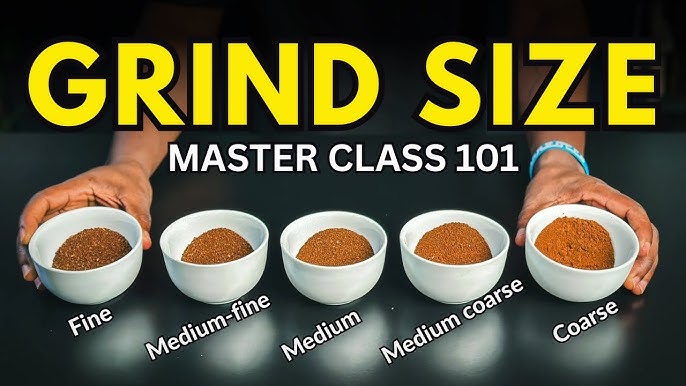
The Science Behind Coffee Extraction and Grind Size
At its core, the flavor of your coffee is a result of extraction – the process by which hot water dissolves soluble compounds from the coffee grounds. Think of it like a delicate dance where water pulls out all the good stuff: acids, sugars, fats, and various aromatic compounds. How effectively these compounds are extracted is largely determined by the grind size, making it a critical factor in how grind size changes coffee taste.
What is Extraction?
Extraction isn't just one thing; it's a progression. Initially, desirable acids and fruity notes are released. As extraction continues, sweet caramel and chocolate notes emerge. Go too far, and bitter, astringent compounds begin to dominate, masking the nuanced flavors you desire. The goal is to hit that sweet spot, the "golden ratio," where all the best flavors are in harmony.
The Role of Surface Area and Contact Time
Imagine you have a sugar cube versus granulated sugar. Which dissolves faster in water? The granulated sugar, of course, because it has a much larger surface area exposed to the water. Coffee works the same way.
- Finer grinds mean more surface area is exposed. This allows water to extract soluble compounds much quicker. If the contact time with water is too long for a fine grind, you risk over-extraction, leading to bitter flavors. This is why how grind size changes coffee taste so dramatically; a finer grind for espresso needs swift contact.
- Coarser grinds have less surface area. This slows down the extraction process, requiring more contact time with water to dissolve enough flavor. If you use a coarse grind with too little contact time, you'll end up with under-extracted coffee that tastes sour or weak.
Adjusting the grind size is your primary tool for controlling the rate of extraction, thereby directly influencing how grind size changes coffee taste and allowing you to fine-tune your brew for optimal flavor.

Matching Grind Size to Your Brewing Method
One of the most common mistakes I see people make, and certainly one I made early in my coffee journey, is using a one-size-fits-all grind. But just like a chef wouldn't use the same cut of vegetable for every dish, different brewing methods demand specific grind sizes. This understanding is key to truly appreciating how grind size changes coffee taste.
Coarse Grind: French Press & Cold Brew
A coarse grind feels like coarse sea salt or breadcrumbs. The particles are distinct and uneven.
- French Press: This immersion method requires the coffee to steep in water for several minutes. A coarse grind prevents over-extraction during this extended contact time and also ensures that the plunger can effectively filter the grounds, leaving you with a full-bodied, rich cup.
- Cold Brew: Cold water extracts flavors much slower than hot water. To compensate for the 12-24 hour steep time, an extra coarse grind is used. This prevents bitterness and allows for a smooth, less acidic concentrate.
Medium Grind: Drip & Pour Over
A medium grind resembles regular sand, neither too fine nor too coarse.
- Drip Coffee Makers: Most automatic drip machines use a medium grind. This provides a balanced extraction over the typical brewing cycle, which involves water passing through the grounds for a few minutes.
- Pour Over: Methods like the Hario V60 or Chemex often use a medium-fine to medium grind. The goal is a steady flow rate, allowing sufficient contact time without clogging the filter or allowing water to pass too quickly, which would result in under-extraction. Getting this right is crucial for a clean, nuanced cup.
Fine Grind: Espresso & Moka Pot
A fine grind has the consistency of table salt or granulated sugar.
- Espresso: This method involves high pressure and very short contact time (around 25-30 seconds). A fine grind is essential to create enough resistance for the water to extract quickly and produce that characteristic rich, concentrated shot with crema. An espresso machine truly highlights how grind size changes coffee taste dramatically.
- Moka Pot: While not as fine as espresso, Moka pots benefit from a fine grind to build pressure and extract a strong, concentrated brew over a stovetop. Too coarse, and the water passes through too fast, producing a weak brew.
Super Fine Grind: Turkish Coffee
This grind is like flour or powdered sugar.
- Turkish Coffee: This unique method involves boiling super-fine grounds directly in water. The extremely fine grind is necessary because the grounds are consumed with the coffee, contributing to its thick, rich texture. Any other grind size would result in an unpalatable, gritty experience.

Source: youtube.com
The Taste Spectrum: Under-extraction vs. Over-extraction
Understanding how grind size influences the balance between under-extraction and over-extraction is paramount to consistently brewing great coffee. It's the difference between a disappointing cup and one that sings with flavor. My own trial and error with various grinds taught me these lessons firsthand, often resulting in cups I’d rather forget!
Signs of Under-extraction
Under-extraction occurs when not enough soluble compounds have been dissolved from the coffee grounds. This often happens with a grind that is too coarse for the brewing method or if the brewing time is too short.
- Taste Profile: Sour, thin, watery, weak, grassy, tart, lacking depth. It might remind you of unripe fruit.
- Appearance: Sometimes pale in color, lacks richness.
- Experience: It feels like something is missing, the coffee just doesn't "pop."
Signs of Over-extraction
Over-extraction happens when too many soluble compounds, including undesirable bitter ones, have been dissolved. This typically occurs with a grind that is too fine for the brewing method or if the brewing time is too long.
- Taste Profile: Bitter, astringent, hollow, burnt, dry finish (like licking a blackboard), often described as rubbery or medicinal.
- Appearance: Often very dark, sometimes oily.
- Experience: It leaves an unpleasant aftertaste, drying out your mouth.
Achieving the Golden Cup
The "golden cup" refers to a perfectly balanced extraction where sweetness, acidity, and body are harmonious. This is where how grind size changes coffee taste becomes your personal art form. If your coffee tastes sour, consider a finer grind or longer contact time. If it tastes bitter, try a coarser grind or shorter contact time. Small adjustments can make a world of difference. It’s all about finding that ideal point for your specific beans and brewing method.

My Journey to Grind Perfection: Personal Insights
When I first started brewing coffee at home, I thought a grinder was just a grinder. I had a cheap blade grinder, and while it ground coffee, it didn't prepare it. My coffee was always inconsistent – sometimes sour, sometimes aggressively bitter, rarely truly enjoyable. I'd try different beans, thinking that was the problem. It wasn't until a friend, a seasoned barista, pointed out the wildly uneven particles from my blade grinder that I understood the crucial role of grind consistency.
Investing in a burr grinder was a game-changer. Suddenly, I could actually experiment with how grind size changes coffee taste in a meaningful way. I remember my first pour-over with a properly dialed-in medium-fine grind; the coffee tasted vibrant, sweet, and clean – a revelation! Before, it was either muddy or watery. I learned to make tiny adjustments. A slight tweak coarser when a batch tasted a little too bitter, or a touch finer when it felt watery and sour. This process of experimentation is where the real joy of home brewing lies, transforming you from a coffee drinker into a coffee maker.

Choosing the Right Grinder: A Crucial Investment
Understanding how grind size changes coffee taste highlights the importance of your grinder. It's often said that a good grinder is more important than a good coffee machine, and I wholeheartedly agree. Without precise control over grind size and consistency, even the most expensive beans and brewers will fall short.
There are two main types of coffee grinders:
- Blade Grinders: These operate like a blender, chopping coffee beans with spinning blades. They produce an inconsistent grind with a lot of "fines" (very tiny particles) and "boulders" (larger chunks). This inconsistency leads to uneven extraction, where some particles over-extract and others under-extract, resulting in a muddled flavor. Avoid these if you're serious about your coffee.
- Burr Grinders: These grinders crush coffee beans between two abrasive surfaces (burrs). They produce a far more consistent and uniform grind, allowing for predictable extraction.
- Conical burr grinders are generally quieter and create less static.
- Flat burr grinders are known for their precision and ability to produce very uniform particles.
Investing in a quality burr grinder, whether manual or electric, is the single best way to elevate your home brewing experience and truly unlock the potential of how grind size changes coffee taste. It gives you the control you need to consistently achieve that delicious, balanced cup.

Troubleshooting Your Brew: Common Grind Size Mistakes
Even with a good grinder, mastering grind size takes practice. Many issues with your coffee's taste can often be traced back to an incorrect grind size. Here are some common mistakes and how to fix them, leveraging your knowledge of how grind size changes coffee taste:
- My coffee tastes weak and sour: This is a classic sign of under-extraction. The water passed through the grounds too quickly, or the grounds were too coarse, preventing full flavor development.
- Solution: Try grinding a bit finer. This will increase the surface area and resistance, allowing for more thorough extraction.
- My coffee tastes bitter and astringent: This indicates over-extraction. The water spent too long with the grounds, or the grind was too fine, dissolving too many bitter compounds.
- Solution: Grind a bit coarser. This reduces the surface area and allows water to flow more freely, preventing excessive extraction.
- My espresso shot runs too fast (or too slow): Espresso is incredibly sensitive to grind size. A fast shot means too little resistance. A slow, dripping shot means too much resistance.
- Solution: If too fast, grind finer. If too slow, grind coarser. Even tiny adjustments can make a huge difference here.
- My French Press has too much sludge: While some sediment is normal, excessive sludge can mean your grind is too fine, allowing particles to slip through the filter.
- Solution: Use a coarser grind, ensuring the particles are large enough for the mesh filter to capture effectively.
Remember, every coffee bean is different, and even environmental factors like humidity can affect how your grinder performs. Don't be afraid to experiment and make small adjustments. That experimentation is how you learn and truly master how grind size changes coffee taste.

Frequently Asked Questions
How does grind size affect the bitterness of coffee?
A grind that is too fine for a given brew method can lead to over-extraction, pulling out bitter compounds and making the coffee taste harsh and unpleasant. Conversely, a grind that is too coarse might lead to under-extraction, resulting in a sour rather than bitter cup.
Can I use the same grind size for all brewing methods?
No, using the same grind size for all brewing methods is a common mistake that will result in sub-optimal coffee. Each brewing method requires a specific grind size to achieve proper extraction, from the very fine grind for espresso to the very coarse grind for French press.
Why does my coffee taste sour even with good beans?
A sour taste in coffee is typically a sign of under-extraction, meaning not enough desirable compounds have been dissolved from the grounds. This often occurs when the grind is too coarse for the brewing method, or the brewing time is too short.
What is the ideal grind size for pour-over coffee?
For pour-over coffee, a medium-fine to medium grind is generally ideal. It should resemble table salt or sand and allow for a steady flow rate and balanced extraction, bringing out the nuanced flavors of the coffee without clogging the filter.
How do I know if my grinder is good enough?
A good grinder produces a consistent and uniform grind without excessive fines or boulders. If your coffee's taste is wildly inconsistent despite using the same beans and brewing method, your grinder might be the culprit. A quality burr grinder is always recommended over a blade grinder.
Conclusion
The profound impact of how grind size changes coffee taste cannot be overstated. From the robust intensity of an espresso shot to the delicate clarity of a pour-over, the humble coffee ground's particle size dictates much of the sensory experience in your cup. Mastering this single variable empowers you to move beyond simply brewing coffee to truly understanding and controlling its flavor profile. By matching your grind to your brewing method and making thoughtful adjustments based on taste, you gain the ability to consistently unlock the full potential of every coffee bean.
Embark on your own journey of experimentation; try adjusting your grind by small increments and notice the subtle shifts in flavor. Your palate will thank you. For more insights into crafting the perfect cup, explore our other guides on brewing techniques and bean origins. Share your grind size discoveries in the comments below!

- How to Fix a Portafilter: Size, Locking Mechanism, and Troubleshooting Guide - October 22, 2026
- 35 Coffee Machine Parts and Functions: Complete Guide With Names and Uses - October 22, 2026
- 25 Espresso Machine Parts Names and Their Functions Explained - October 22, 2026