
**For the best coffee beans for Chemex, look for freshly roasted light to medium roast single-origin beans.
Brewing with a Chemex is an art form, a ritual that promises an exceptionally clean, vibrant, and aromatic cup of coffee. As an experienced content writer and a dedicated coffee enthusiast who has meticulously explored the nuances of various brewing methods, I understand that the foundation of an exquisite Chemex brew lies squarely with the quality and characteristics of the coffee beans you choose. This detailed guide will delve into precisely what makes certain beans ideal for your Chemex, helping you unlock its full potential and consistently achieve that perfect, nuanced cup.

What Makes the Chemex Unique?
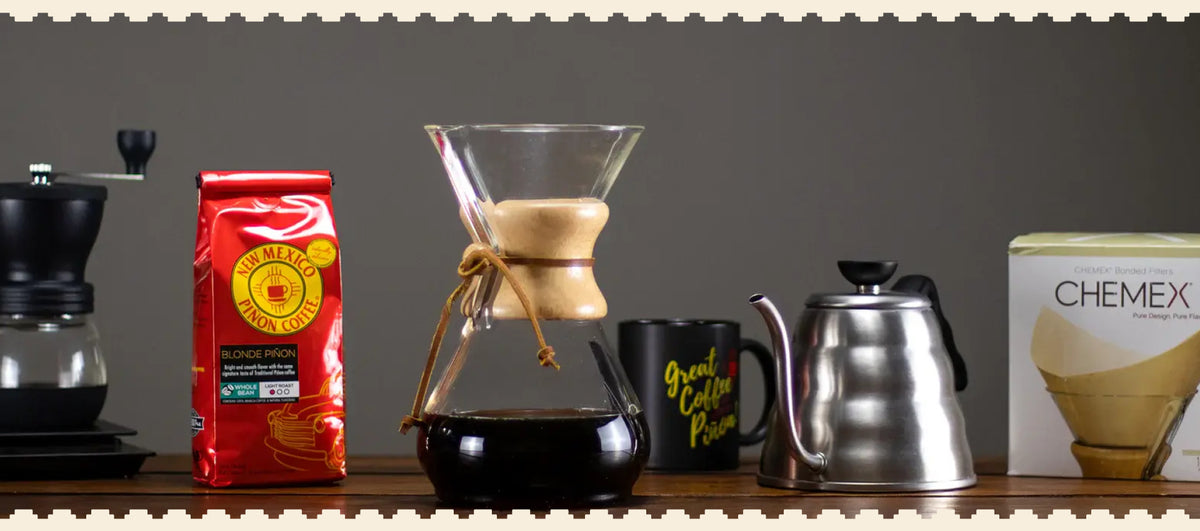
The Chemex coffee maker stands apart in the world of pour-over brewing, primarily due to its distinctive design and specialized filters. Its elegant, hourglass shape is not merely aesthetic; it's engineered for optimal extraction. The thicker, bonded Chemex filters are crucial here, as they are 20-30% heavier than standard filters. This enhanced density effectively removes more sediment, oils, and undesirable bitter compounds, resulting in a remarkably clean, bright, and sediment-free cup of coffee. The absence of these elements allows the delicate and complex flavor notes of the best coffee beans for Chemex to truly shine through, providing an unparalleled clarity in taste that is often sought after by connoisseurs.

Key Characteristics of Best Coffee Beans for Chemex
Selecting the best coffee beans for Chemex involves understanding how various bean characteristics interact with this unique brewing method. From roast level to origin and processing, each element plays a vital role in the final cup.
Roast Level: Light to Medium Roasts Shine
The roast level is perhaps the most critical factor when choosing coffee beans for Chemex. Light to medium roasts are overwhelmingly preferred for Chemex brewing, and for good reason. Darker roasts tend to develop oils on the bean surface and introduce more pronounced bitter notes, which the Chemex's highly efficient filtration can exacerbate or fail to mitigate effectively, leading to an over-extracted taste.
Conversely, light to medium roasted coffee beans for Chemex are roasted just enough to develop their intrinsic flavors without overpowering them. These roasts highlight the coffee's natural acidity, aromatic complexity, and delicate fruit or floral notes. My personal experience has shown that a medium roast Chemex coffee often offers the best balance, providing sweetness and body alongside clarity, while a lighter roast maximizes acidity and brightness.
Origin: Exploring Varietal Nuances
The geographical origin of coffee beans significantly influences their flavor profile, making certain regions particularly well-suited for Chemex brewing.
- African Beans (Ethiopia, Kenya, Rwanda): These origins are renowned for their bright acidity, floral aromas, and distinct fruit notes (berries, citrus). Ethiopian Yirgacheffe, for instance, offers delicate tea-like qualities and lemon-blossom notes that truly sing in a Chemex. Kenyan beans often present a sparkling acidity reminiscent of blackcurrant. These characteristics are perfectly preserved and amplified by the Chemex's clean extraction.
- Central and South American Beans (Colombia, Guatemala, Costa Rica): These regions typically produce beans with a more balanced profile, often featuring notes of chocolate, nuts, caramel, and stone fruit. Guatemalan Antigua coffee beans, for example, can offer a delightful spice and cocoa undertone that, when brewed in a Chemex, maintains its richness without becoming heavy. Colombian coffees provide a consistent, pleasant sweetness and medium body. These are excellent choices for those seeking a more traditional yet refined cup from their Chemex.
- Asian Beans (Indonesia, Vietnam): While delicious in other brewing methods, these beans, often characterized by earthy, full-bodied, and sometimes spicy notes, are less commonly chosen for Chemex as their heavier body and lower acidity might not showcase the Chemex's signature clarity as effectively. However, a lighter roasted, high-quality Sumatran can still be an interesting experiment.
Processing Method: Washed vs. Natural
The way coffee cherries are processed after harvest also impacts the final flavor.
- Washed (Wet-Processed) Beans: This method involves removing the fruit pulp before drying the beans. Washed coffee beans are celebrated for their clean, bright, and articulate flavors, allowing the inherent characteristics of the bean to shine without much interference from the fruit. This makes them an ideal choice for the Chemex, as their clarity perfectly complements the brewer's ability to produce a clean cup.
- Natural (Dry-Processed) Beans: In this method, the coffee cherries are dried with the fruit intact around the bean. This often imparts more pronounced fruity, sweet, and sometimes wine-like notes, alongside a heavier body. While delicious, natural processed beans can sometimes introduce more fine particles during grinding or brewing, which might slightly challenge the Chemex's pursuit of ultimate clarity. However, a well-processed natural can still produce an incredibly complex and rewarding Chemex brew.
Freshness: The Paramount Factor
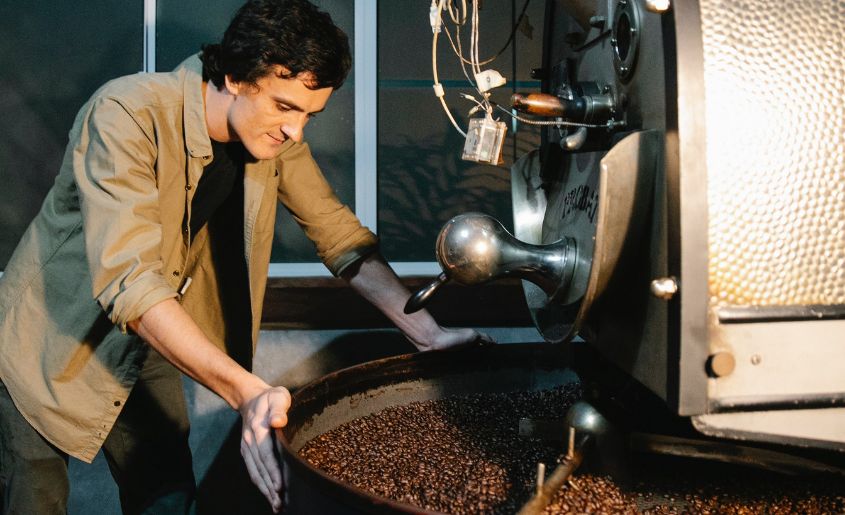
Regardless of roast level, origin, or processing, the single most critical factor for the best coffee beans for Chemex is freshness. Coffee beans are at their peak flavor within 1-4 weeks of their roast date. As coffee ages, it undergoes degassing, releasing CO2, and its delicate aromatic compounds degrade, leading to a flat, stale taste. Always purchase whole bean coffee and grind it just before brewing for your Chemex to capture its full aroma and flavor potential. My journey through coffee has taught me that even the most expensive, highly-rated beans fall short if they aren't fresh.

Recommended Coffee Bean Origins for Chemex Brewing
When seeking the best coffee beans for Chemex, certain origins consistently deliver an exceptional experience. Here are some top recommendations that I've found to consistently perform well.
- Ethiopian Yirgacheffe: Known for its vibrant acidity, delicate floral notes (like jasmine), and often bright citrus or berry undertones. A light roast Yirgacheffe in a Chemex offers a truly ethereal and aromatic cup, showcasing the delicate complexities that make coffee so fascinating.
- Kenyan AA: These beans are famous for their bold, complex, and wine-like acidity, often described with notes of blackcurrant, tomato, and a syrupy body. A Chemex brew of Kenyan AA brings out its signature bright, juicy flavors with remarkable clarity.
- Colombian Supremo/Excelso: For a more universally appealing yet refined cup, Colombian beans are a fantastic choice. They typically offer a balanced profile with pleasant acidity, notes of caramel, chocolate, and stone fruit. My personal Chemex experiments with Colombian beans have always yielded a smooth, sweet, and comforting brew that is incredibly approachable.
- Guatemalan Antigua: These beans often feature a complex flavor profile with nuances of dark chocolate, spice, and a rich, velvety body. When brewed in a Chemex, Guatemalan Antigua provides a deep, satisfying cup that retains its clarity without losing its comforting richness.
- Honduran SHG (Strictly High Grown): Offering sweet, nutty, and sometimes tropical fruit notes with mild acidity, Honduran beans brewed in a Chemex provide a clean, approachable, and delightful experience. They are an excellent option for those seeking a slightly less acidic profile.
Grind Size and Other Brewing Considerations
Beyond selecting the best coffee beans for Chemex, mastering the brewing process is essential to unlock their full potential. The interplay of grind size, water quality, and temperature can significantly impact your final cup.
Grind Size Matters
For Chemex, the optimal grind size is coarser than for most other pour-over methods, roughly resembling coarse sea salt or breadcrumbs. A grind that is too fine will lead to over-extraction, resulting in a bitter, astringent taste, and a slow, choked brew. Conversely, a grind that is too coarse will result in under-extraction, producing a weak, sour, and watery cup because the water flows through too quickly without sufficient contact time. Achieving the correct grind for your best coffee beans for Chemex ensures an even extraction and a beautifully balanced cup. Through years of brewing with my Chemex, I've learned that investing in a quality burr grinder is non-negotiable for consistent results.
Water Quality
Coffee is over 98% water, so the quality of your water directly impacts the taste. Filtered water is crucial; avoid tap water that might contain chlorine, excessive minerals, or other impurities that can negatively affect the flavor of your carefully chosen best coffee beans for Chemex. Softened or distilled water also isn't ideal, as coffee needs some minerals to properly extract its flavors.
Water Temperature
The ideal water temperature for brewing coffee in a Chemex is typically between 195°F and 205°F (90°C and 96°C). Water that is too hot can burn the coffee, leading to bitterness, while water that is too cool will result in under-extraction and a weak, sour brew.
Brew Ratio
A common starting point for the coffee-to-water ratio in a Chemex is 1:15 to 1:17. This means for every 1 gram of coffee, you use 15 to 17 grams of water. For example, if you're using 30 grams of coffee, you would aim for 450-510 grams of water. Experimenting within this range allows you to fine-tune the strength to your personal preference.
Bloom Phase
The "bloom" is a vital first step in Chemex brewing. After placing your ground coffee in the filter, pour just enough hot water (about twice the weight of the coffee) to saturate the grounds. Let it sit for 30-45 seconds. This allows trapped carbon dioxide to escape from the coffee grounds (degassing), which helps prevent sour notes and ensures more even extraction for the remaining brew. It’s a simple step that significantly enhances the flavor of your best coffee beans for Chemex.
Addressing Common Challenges and Mistakes
Even with the best coffee beans for Chemex, brewing can present challenges. Understanding common mistakes helps in consistently producing an excellent cup.
Over-extraction
This is a frequent issue, characterized by a bitter, hollow, or overly strong taste. Over-extraction usually occurs when the coffee grounds are exposed to water for too long, the water is too hot, or the grind is too fine. Early in my Chemex journey, I definitely made the mistake of grinding too fine, which caused the water to drain agonizingly slowly, leading to a very unpleasant, bitter brew. To fix this, coarsen your grind slightly, ensure your water temperature is correct, and adjust your pouring technique to maintain an appropriate brew time.
Under-extraction
Conversely, under-extraction results in a sour, weak, watery, or thin-bodied cup. This happens when the water doesn't extract enough flavor compounds from the coffee. Common causes include a grind that is too coarse, water that is too cool, or insufficient contact time between the water and coffee grounds. If your Chemex brew tastes sour, try making your grind a bit finer, increasing your water temperature, or adjusting your pour to ensure all grounds are saturated evenly.
Choosing the Wrong Roast
As discussed, opting for very dark roasted coffee beans for Chemex can be a mistake. While personal preference plays a role, the Chemex's design excels at showcasing the delicate complexities of lighter and medium roasts. Darker roasts often contain more oils and bitter compounds that the Chemex filter, while effective, might struggle to fully mitigate, potentially leading to a less pleasant experience than anticipated. Stick to light to medium roasts to truly appreciate the clarity and nuanced flavors the Chemex can deliver.
Frequently Asked Questions
What roast level is best for Chemex?
Light to medium roasts are generally considered best for Chemex. They highlight the coffee's natural acidity, sweetness, and delicate flavor notes without introducing the bitterness often found in darker roasts.
Should I use single-origin or blends for Chemex?
Single-origin coffee beans are often preferred for Chemex brewing as they allow the unique characteristics and terroir of a specific region to shine through with exceptional clarity. Blends can also be excellent, especially those designed for pour-over, but single-origins offer a purer expression of flavor.
How fine should the grind be for Chemex?
The ideal grind for Chemex is coarse, similar to sea salt or coarse sand. A coarser grind prevents over-extraction and ensures a proper flow rate through the thick Chemex filter, leading to a clean and balanced cup.
Can I use flavored coffee beans in a Chemex?
While you can technically use flavored coffee beans in a Chemex, it's generally not recommended. The Chemex is designed to highlight the natural, intricate flavors of high-quality coffee, and artificial flavorings can overpower these delicate notes and potentially leave residual oils in your brewer.
Where should I buy my Chemex coffee beans?
For the best coffee beans for Chemex, purchase from specialty coffee roasters who roast fresh and provide roast dates. Local roasters often offer excellent options, or you can explore reputable online retailers known for quality, freshly roasted beans.
Conclusion
The pursuit of the perfect cup of coffee is an ongoing journey, and selecting the best coffee beans for Chemex is undoubtedly one of its most rewarding steps. By focusing on fresh, light to medium roast single-origin beans, particularly those from African or Central and South American regions, you set the stage for an extraordinary brewing experience. Remember that the nuanced interplay of roast, origin, processing, and careful brewing techniques like grind size and water temperature all contribute to unlocking the Chemex's full potential.
I encourage you to experiment, explore different origins, and meticulously observe how each variable influences your brew. Your Chemex is a tool for discovery, capable of revealing the intricate spectrum of flavors hidden within quality coffee beans. Dive into this exploration; you might just find your new favorite daily ritual. Share your favorite Chemex coffee beans or brewing tips in the comments below, or subscribe to our newsletter for more expert insights into the world of specialty coffee.

- Espresso Tastes Watery? 10 Common Causes and How to Fix It - October 23, 2026
- 10 Common Coffee Equipment Cleaning Mistakes and How to Avoid Them - October 23, 2026
- 17 Common Coffee Grinder Problems and How to Fix Them - October 23, 2026