
For optimal flavor and aroma, whole coffee beans generally stay fresh for about two to four weeks after opening.
Understanding precisely how long do coffee beans stay fresh after opening is crucial for any coffee enthusiast aiming to savor the perfect cup. As someone who has spent years navigating the nuances of coffee preservation, I can attest that the difference between a truly fresh brew and a stale one is profound. This article will delve into the science and practicalities of coffee freshness, equipping you with the knowledge to extend the delicious life of your beans and ensure every sip is as vibrant as intended. We’ll explore the factors that impact freshness, optimal storage methods, and unmistakable signs that your beans have passed their prime, providing you with a comprehensive guide to maximize your coffee experience.
Understanding Coffee Bean Freshness
At its core, coffee bean freshness refers to the intensity and vibrancy of its aromatic compounds and flavors. When coffee is freshly roasted, it undergoes a complex chemical process that creates hundreds of volatile compounds responsible for its rich taste and enticing aroma. These compounds, along with the natural oils within the bean, are what we seek in a quality cup. Over time, these delicate elements degrade, leading to a duller, less enjoyable experience. The true mark of fresh coffee lies in its ability to deliver a full-bodied aroma and a complex flavor profile that tantalizes the senses. The challenge, then, becomes preserving these precious qualities for as long as possible after opening.
How Long Do Coffee Beans Stay Fresh After Opening?
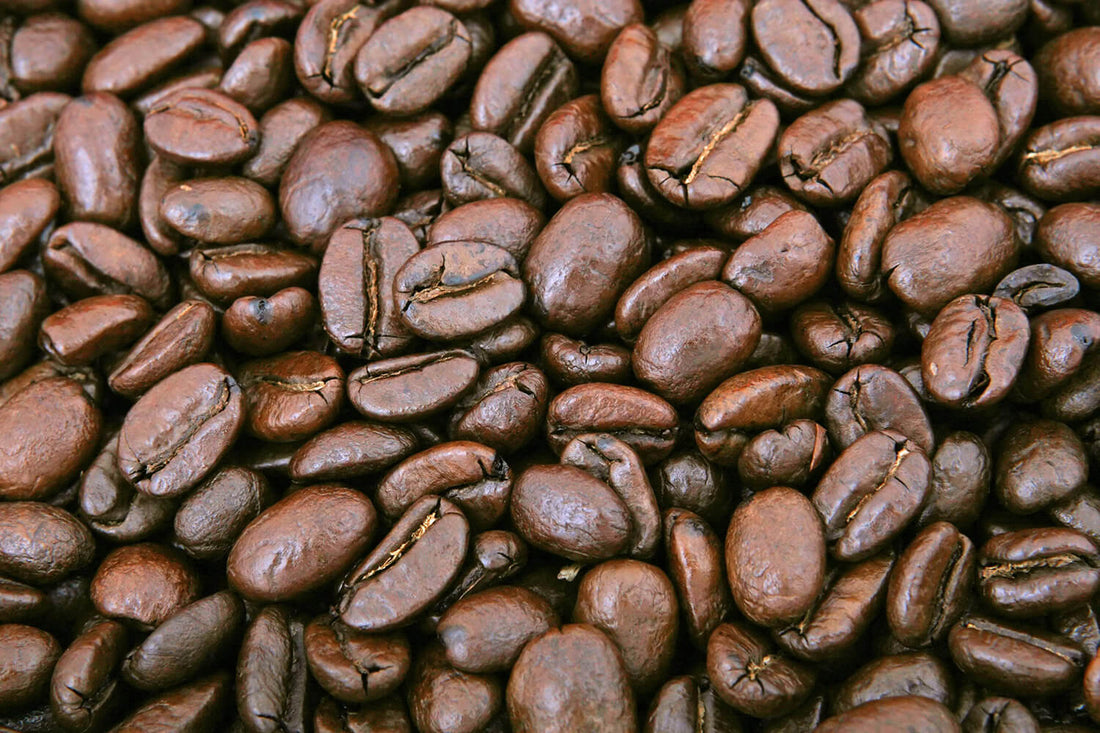
Determining how long do coffee beans stay fresh after opening largely depends on their form and how they are stored. For whole coffee beans, the generally accepted timeframe for peak freshness is between two to four weeks. During this period, the beans retain most of their volatile aromatics and oils, offering the best flavor. Beyond this, while still drinkable, you’ll notice a significant decline in quality.
Ground coffee, on the other hand, has a much shorter lifespan. Once ground, its surface area dramatically increases, exposing more of the bean to oxygen. This accelerates the degradation process, meaning ground coffee is typically only considered fresh for about one to two weeks after opening, though some might argue it's even shorter for optimal taste. I’ve personally experienced the disappointment of brewing a cup from beans ground days earlier; the lack of aroma and the flat taste were unmistakable. The primary enemies of coffee freshness are oxygen, light, heat, and moisture, all of which contribute to the breakdown of those wonderful flavors and aromas. Therefore, understanding how long do coffee beans stay fresh after opening is directly linked to mastering proper storage.

Optimal Storage Practices to Preserve Freshness
The quest for the perfect cup often leads to the critical question: how to store coffee beans effectively to preserve their freshness? Proper storage is paramount, acting as a shield against the elements that cause rapid degradation. My journey into coffee appreciation taught me early on that the right storage can dramatically extend how long do coffee beans stay fresh after opening, transforming a good brew into an exceptional one.
Airtight Containers
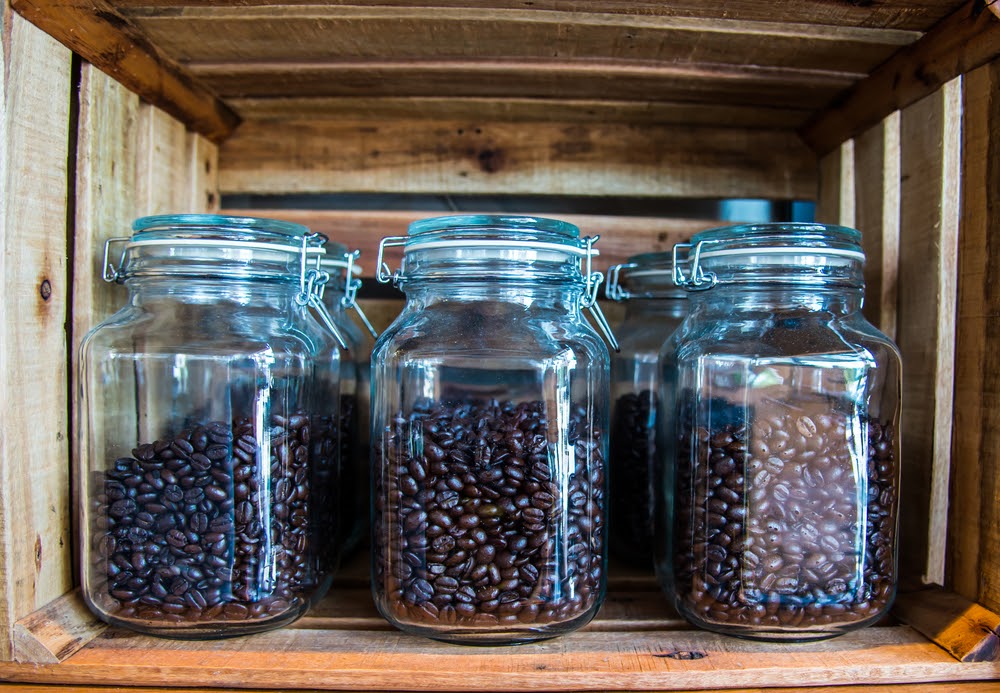
The most significant step you can take is to store your coffee in an airtight container. Oxygen is the primary culprit in coffee staling, causing the oils in the beans to oxidize and turn rancid. An opaque, airtight container, ideally made of ceramic or a dark glass, is excellent. Many specialized coffee containers even feature a one-way valve that allows built-up carbon dioxide to escape without letting oxygen in. This little feature can make a big difference in maintaining the integrity of the beans. My personal go-to is an opaque canister with a vacuum seal, as it truly minimizes air exposure.
Location, Location, Location
Where you place your container is almost as important as the container itself. Coffee beans thrive in a cool, dark, and dry environment. A pantry or a cabinet away from direct sunlight and heat sources like ovens or stovetops is ideal. Fluctuations in temperature can cause condensation, which introduces moisture—another enemy of freshness. Avoid storing coffee beans in a clear container on your kitchen counter, no matter how aesthetically pleasing it might be, as light also contributes to flavor degradation.
To Grind or Not to Grind
This is perhaps the most critical decision for coffee freshness. Whole beans retain their freshness significantly longer than ground coffee. Grinding your beans just before brewing is the gold standard for taste and aroma. Think of it like an apple: once you cut it open, it quickly browns and loses its crispness. Coffee beans behave similarly; grinding them exposes a vast surface area to oxygen, accelerating the staling process exponentially. If you're serious about your coffee, invest in a burr grinder and grind only what you need for each brew. This single habit will dramatically extend how long do coffee beans stay fresh after opening.
Freezing Coffee Beans: A Detailed Look
While some debate its efficacy, freezing can be a viable option for long-term storage, especially if you buy coffee in bulk. However, it comes with specific guidelines. To freeze coffee beans properly, they must be stored in small, airtight portions, ideally vacuum-sealed, and placed in a freezer that maintains a consistent temperature. The goal is to minimize exposure to freezer burn and condensation. Once removed from the freezer, it’s crucial to let the beans come to room temperature completely before opening the container. This prevents moisture from condensing on the cold beans, which can ruin their flavor. My experience has shown that once thawed, these beans should be treated like freshly opened beans and used within two to four weeks, never refrozen. This method is primarily about stopping time, not improving quality, so only freeze fresh beans.
Signs Your Coffee Beans Are No Longer Fresh
Knowing how long do coffee beans stay fresh after opening is one thing, but recognizing the signs of staleness is another crucial skill. Just as a chef can tell when ingredients are past their prime, a discerning coffee drinker develops an instinct for stale beans.
- Lack of Aroma: The most immediate and noticeable sign. Fresh coffee beans have a vibrant, strong aroma, even before grinding. Stale beans will have a very faint or even nonexistent scent. If you open your coffee bag and don’t get that delightful burst of fragrance, your beans are likely past their best.
- Flat, Dull Taste: This is where the rubber meets the road. A cup brewed from stale beans will taste noticeably flat, devoid of the complex notes and brightness you expect. It might even taste papery, woody, or slightly bitter, lacking any vibrant sweetness or acidity.
- Lack of "Bloom" During Brewing: When hot water first hits fresh ground coffee, you'll observe a "bloom"—a bubbling and rising of the coffee bed. This is the carbon dioxide, a byproduct of roasting, escaping. Stale coffee, having lost much of its CO2, will not bloom much, if at all, indicating a significant loss of freshness.
- Dry, Brittle Texture: Fresh roasted beans usually have a slightly oily sheen and a somewhat pliable texture. Stale beans tend to be very dry and brittle, almost crumbly, and may lack any visible oils on their surface.

The Science Behind Coffee Staling
The degradation of coffee freshness is primarily a chemical process driven by four factors: oxidation, the loss of volatile compounds, the escape of carbon dioxide, and moisture absorption. When we consider how long do coffee beans stay fresh after opening, we're essentially tracking the rate at which these processes unfold.
Oxidation is perhaps the biggest culprit. The natural oils and organic compounds in coffee beans react with oxygen in the air, leading to the formation of undesirable flavors and aromas, often described as rancid or cardboard-like. This is why airtight storage is so critical. Simultaneously, the delicate volatile compounds responsible for coffee's complex taste and smell evaporate over time, especially when exposed to air. Think of opening a bottle of fine perfume – the scent is strongest initially and gradually fades.
Furthermore, carbon dioxide plays a vital role in protecting coffee's flavor. During roasting, CO2 forms inside the beans. This gas slowly escapes, especially after grinding, and acts as a barrier, preventing oxygen from reaching the inner compounds. The "bloom" during brewing is evidence of this CO2 escaping. Once the CO2 is largely gone, the beans become much more vulnerable to oxidation. Lastly, coffee beans are hygroscopic, meaning they readily absorb moisture from their surroundings. This moisture can dilute flavors and accelerate chemical reactions that lead to staleness. Understanding these scientific principles solidifies why proper storage is not just a recommendation but a necessity for appreciating how long do coffee beans stay fresh after opening.
Frequently Asked Questions
How does the roast date affect freshness?
The roast date is the most critical indicator of freshness. Coffee is at its peak flavor roughly 3-14 days after roasting, and its quality begins to decline significantly after about four weeks, regardless of how long do coffee beans stay fresh after opening.
Is it okay to store coffee beans in the refrigerator?
No, storing coffee beans in the refrigerator is generally not recommended. The refrigerator is too humid and can expose beans to fluctuating temperatures and absorb odors from other foods, all of which degrade flavor and reduce how long do coffee beans stay fresh after opening.
Can vacuum sealing help extend freshness?
Yes, vacuum sealing is an excellent method for extending the freshness of whole coffee beans, especially for freezing. It removes oxygen, the primary enemy of freshness, significantly increasing how long do coffee beans stay fresh after opening.
What is the ideal temperature for storing coffee beans?
The ideal temperature for storing coffee beans is cool, around room temperature (68-72°F or 20-22°C), and consistent. Avoid extreme heat or cold fluctuations, as these can negatively impact how long do coffee beans stay fresh after opening.
Should I buy whole beans or pre-ground coffee?
Always opt for whole beans if freshness is your priority. Grinding beans just before brewing preserves the volatile aromas and flavors far better than pre-ground coffee, which stales rapidly after opening.
Conclusion
Ultimately, preserving the exquisite flavor of your coffee depends entirely on understanding and implementing proper storage techniques. Knowing precisely how long do coffee beans stay fresh after opening—typically two to four weeks for whole beans—is the first step towards elevating your daily ritual. By keeping your beans in airtight, opaque containers in a cool, dark place, and grinding them only when you're ready to brew, you actively combat the forces of oxidation, light, heat, and moisture that lead to staleness. Embrace these simple habits, and you’ll unlock the full aromatic potential of every bean, transforming each cup into a rich, vibrant experience. Don't settle for anything less than perfection; invest in your coffee's longevity and savor the difference. If you're eager to learn more about optimizing your coffee experience, explore additional brewing guides or share your own storage tips in the comments below!

- Espresso Tastes Watery? 10 Common Causes and How to Fix It - October 23, 2026
- 10 Common Coffee Equipment Cleaning Mistakes and How to Avoid Them - October 23, 2026
- 17 Common Coffee Grinder Problems and How to Fix Them - October 23, 2026