
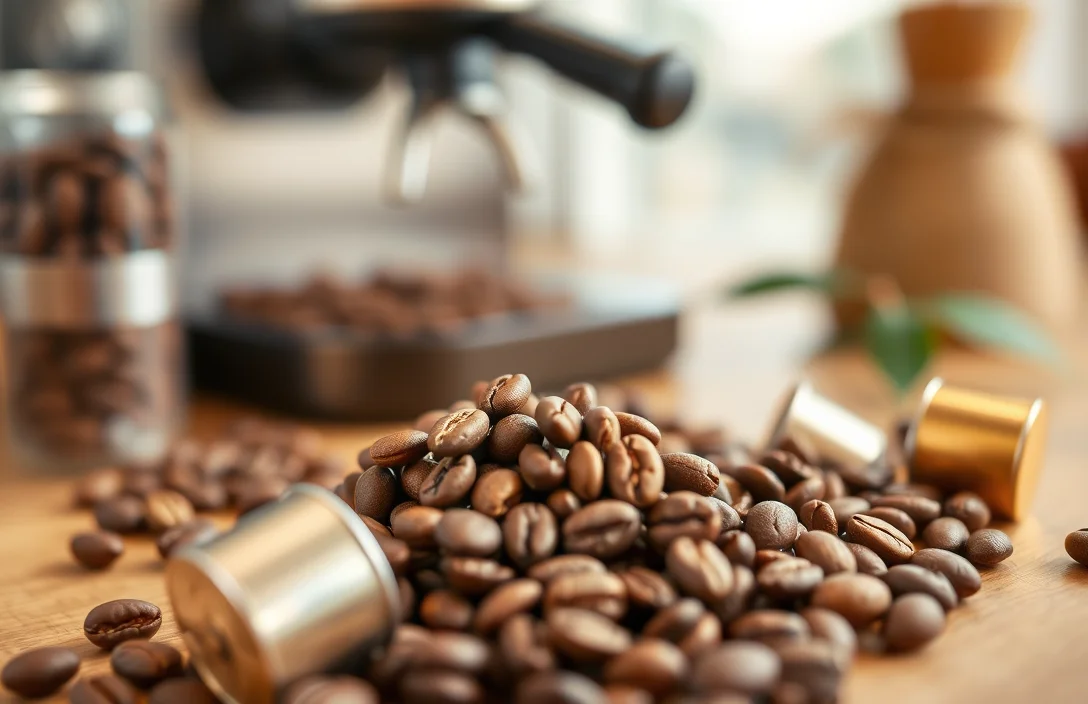
Are Coffee Beans Better Than Capsules is a topic that matters to anyone looking for practical, reliable information. This article breaks down the key points you need to know, with specific details and actionable advice.
Below you’ll find expert-backed insights, step-by-step guidance, and answers to the most common questions about are coffee beans better than capsules.
Flavor Profile of Beans Compared to Capsules
Freshly roasted beans deliver richer aroma and layered acidity compared with capsules because volatile oils stay protected until grinding; grind right before brewing to capture those notes. Buy beans with a roast date, store airtight away from light, and use a burr grinder—espresso fine, pour-over medium-fine, French press coarse. If asking are coffee beans better than capsules, freshness decides.
Cost Comparison of Coffee Beans and Capsules
Calculate cost per cup: beans typically run $8–$16 per 250g bag, yielding about 30 espresso servings or 20 drip cups; that equals roughly $0.27–$0.53 per espresso or $0.40–$0.80 per drip cup. Compare that to capsules at $0.60–$1.20 each. Use these figures to compute your monthly spend based on cups/day and pick the lower-cost option.
Estimate break-even months: if your per-cup saving is $0.45 and you drink two cups daily you save about $328 yearly, so a $150 grinder and $200 extra machine cost get paid back in roughly one year. Calculate your own numbers: (capsule price minus bean price) × cups per day × 365 ÷ extra equipment cost. Ask whether ‘are coffee beans better than capsules’ for your budget given that payback.
Brewing Methods for Optimal Flavor
Manual brewing techniques significantly enhance flavor extraction from coffee beans. Methods like pour-over, French press, and AeroPress allow for precise control over water temperature and brewing time, optimizing taste. Each technique varies in its approach, enabling enthusiasts to tailor the brewing process to their preferences and bean characteristics.
Pour-over brewing involves slowly adding water to coffee grounds, allowing for even saturation and extraction. This method emphasizes clarity and brightness in flavor, making it ideal for lighter roasts. Precision in pouring can highlight different tasting notes, enhancing the overall experience.
French press utilizes immersion brewing, where coffee grounds steep in hot water before pressing down the plunger. This technique creates a fuller-bodied cup with rich flavors and oils retained in the brew. It’s perfect for those who enjoy a robust coffee experience, allowing the natural flavors to shine.
AeroPress combines the best of both immersion and pressure brewing. This method produces a strong, espresso-like coffee in a short time. With its versatility, users can experiment with different grind sizes and brewing times, making it suitable for various taste preferences.
Capsule machines, while convenient, typically offer limited flavors and freshness. The brewing process lacks the same level of customization, leading to a more uniform taste. Exploring manual brewing methods can enhance your coffee experience, highlighting the potential benefits of using high-quality beans over capsules.
Environmental Impact of Coffee Packaging
Packaging choices significantly influence sustainability. Coffee beans typically come in recyclable or biodegradable materials, minimizing waste and environmental harm. In contrast, coffee capsules often consist of mixed materials, complicating recycling processes. This distinction means that opting for whole beans can reduce landfill contributions and promote eco-friendly practices.
Capsule production generates considerable resources. Manufacturing involves aluminum or plastic, which require energy-intensive processes. Furthermore, the single-use nature of capsules contributes to a rising waste problem, with billions ending up in landfills annually. Consumers concerned about their carbon footprint should consider these factors when deciding between coffee types.
Recycling options vary widely by region. Many municipalities do not accept capsules in curbside recycling due to their composite materials. Coffee beans, on the other hand, usually have straightforward recycling routes, depending on the packaging. Always check local guidelines to ensure responsible disposal of any coffee packaging.
Brands are increasingly addressing environmental concerns. Some companies now offer compostable capsules alongside traditional options, aiming to reduce environmental impact. Meanwhile, many coffee bean brands promote sustainable sourcing and eco-friendly packaging, appealing to environmentally conscious consumers looking for better choices.
Convenience Factors in Coffee Preparation
Beans require grinding and tamping, so allocate about two to four minutes to grind, dose, tamp and extract a single espresso, or three to five minutes for a manual pour-over including bloom and slow pour; include one to two extra minutes for cleaning the grinder and portafilter. Expect brief learning time and routine maintenance.
Capsules brew a drink in 15–30 seconds from button press to cup with virtually no setup; empty-pod disposal and periodic descaling add about 30–90 seconds weekly per machine. If speed and consistency are your priority, use capsules; if you value control over grind, dose and extraction, invest extra minutes with whole beans. If you ask are coffee beans better than capsules, the trade-off is time versus control.
Freshness and Shelf Life Analysis
Whole beans retain peak freshness when you store them whole in an opaque, airtight container at room temperature and grind immediately before brewing; this preserves volatile aromatics for up to two to three weeks after roasting. Sealed capsules, by contrast, keep a stable shelf life measured in months to years because oxygen exposure is minimized, but they cannot match the freshly ground aroma.
Compare sealed capsule longevity versus whole-bean freshness using this quick reference; consider how long you store and when you drink. For those asking ‘are coffee beans better than capsules’ the practical answer depends on how quickly you consume beans versus need for long-term sealed convenience.
| Feature | Whole beans | Capsules |
| Shelf life (sealed) | Peak two to three weeks; OK up to three months | Six to twelve months unopened; varies by brand |
| Flavor longevity after opening | Rapid decline after grinding (days) | Stable until capsule breach (weeks) |
| Storage | Opaque airtight tin at room temp; avoid fridge | Keep in original package; cool dry place |
| Practical tip | Buy roast date; grind per brew | Use by manufacturer date; discard opened capsules |
Store beans in airtight opaque containers and consume them within two to three weeks after roast; if you rarely finish coffee quickly, prefer sealed capsules for consistent flavor over six to twelve months unopened and check manufacturer dates.
Health Benefits of Coffee Choices
Caffeine content matters: whole beans generally offer variable caffeine per cup depending on grind and extraction, while capsules standardize dose. If asking are coffee beans better than capsules for health, beans provide fresher antioxidants, more control over strength, and fewer potential packaging-related contaminants. Track your cup size and timing to reduce sleep disruption and excess intake.
Antioxidants are higher in freshly ground beans, especially chlorogenic acids that decline with age and high roast. Capsules can preserve roasted oils but often sacrifice volatile compounds tied to flavor and may use plastics or aluminum liners—choose certified materials. Sensitive stomachs benefit from medium-to-dark roasts or low-acid beans; choose decaffeinated options processed with Swiss Water or CO2 if reducing caffeine matters.
Recommendation: prefer freshly roasted whole beans, grind immediately before brewing, drink no more than two 8-ounce cups daily, skip added sugars; if convenience wins, choose certified recyclable capsules and monitor intake.
Quick Summary
- Coffee beans offer a fresher taste compared to pre-packaged capsules.
- Grinding beans just before brewing maximizes flavor and aroma.
- Coffee beans provide more versatility in brewing methods than capsules.
- Capsules are more convenient and quicker for busy lifestyles.
- Environmental impact is a consideration; coffee beans produce less waste than single-use capsules.
- Cost-wise, buying coffee beans can be more economical over time.
- Capsules can limit the strength and flavor customization compared to whole beans.
Frequently Asked Questions
Are coffee beans healthier than coffee capsules?
Generally, coffee beans are considered healthier because they often contain no additives or preservatives found in some coffee capsules. Freshly brewed coffee from beans also retains more antioxidants and flavor compounds.
Is brewing coffee from beans more environmentally friendly than using capsules?
Yes, brewing coffee from beans tends to be more environmentally friendly. Coffee capsules can contribute to waste due to their packaging, whereas whole beans usually come in recyclable bags, and the brewing process can be less wasteful overall.
Which option offers better flavor, coffee beans or capsules?
Coffee beans typically provide a richer and fresher flavor compared to capsules. Freshly ground beans allow for the release of essential oils and aromatic compounds, enhancing the overall coffee experience.
Are coffee beans more cost-effective than coffee capsules?
In the long run, coffee beans are often more cost-effective. While the initial investment in a grinder and brewing equipment may be higher, purchasing beans usually costs less per cup than buying individual capsules.
How does the convenience of capsules compare to brewing from beans?
Capsules are more convenient and quicker to use, requiring minimal cleanup. However, brewing from beans allows for greater control over the coffee’s strength and flavor, appealing to those who value the brewing process.

- Espresso Tastes Watery? 10 Common Causes and How to Fix It - October 23, 2026
- 10 Common Coffee Equipment Cleaning Mistakes and How to Avoid Them - October 23, 2026
- 17 Common Coffee Grinder Problems and How to Fix Them - October 23, 2026