
For light roast coffee, the pour-over method, particularly with a V60 or Chemex, is generally considered the best for highlighting its delicate nuances. As someone who has spent years meticulously exploring the art and science of coffee brewing, I can attest that unlocking the full potential of light roast coffee requires precision and understanding. This article will delve into why certain brewing methods excel at preserving the bright acidity and complex flavors that make light roasts so captivating, ensuring your next cup is nothing short of exceptional. We'll explore the best brewing method for light roast coffee to elevate your daily ritual.

Understanding Light Roast Coffee: Unveiling Its Delicate Character
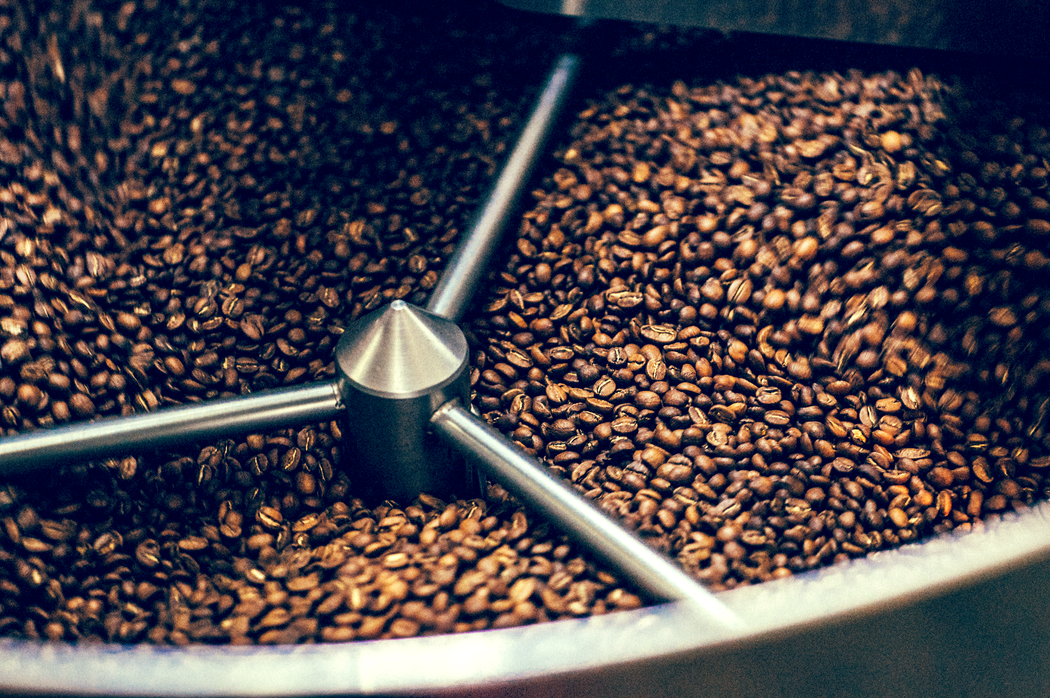
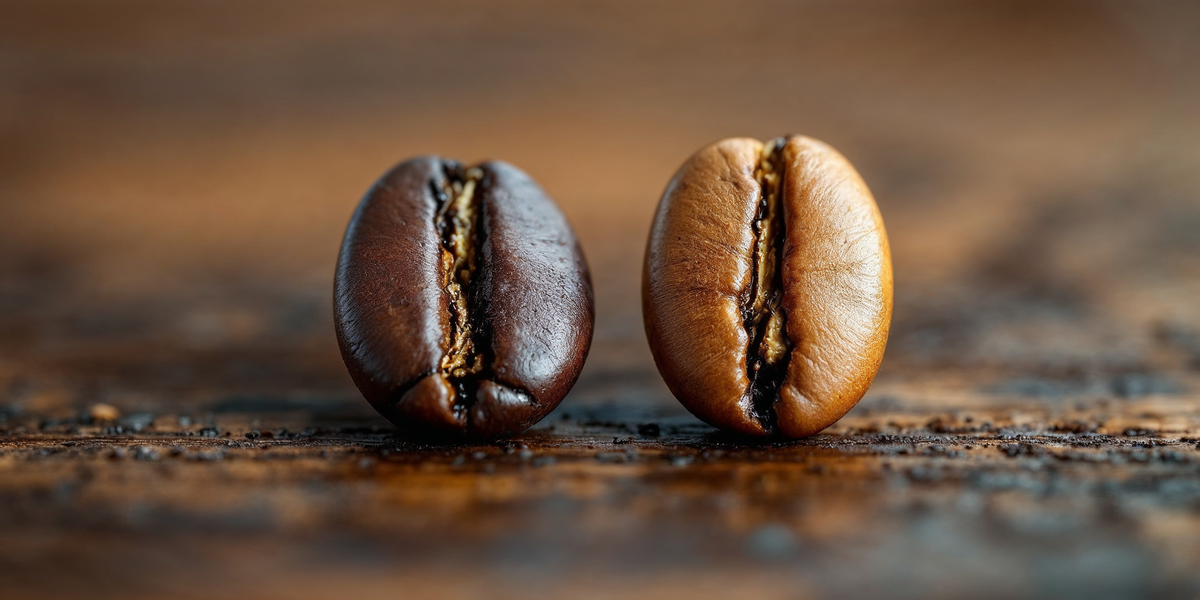
Light roast coffee represents the pinnacle of a coffee bean's intrinsic flavor profile, often characterized by its bright acidity, vibrant fruity, floral, or citrus notes, and a lighter body. Unlike darker roasts that emphasize sweetness and body developed through longer caramelization, light roasts are pulled from the roaster shortly after the "first crack," preserving the delicate oils and volatile compounds that give each bean its unique origin characteristics. This minimal roasting process means the beans retain more of their original flavor complexity, presenting a nuanced and often surprisingly intricate cup.
My own journey into specialty coffee truly began when I discovered the profound difference a light roast could make. I remember my first experience with an Ethiopian Yirgacheffe, lightly roasted, brewed expertly, and tasting distinctly of blueberries and jasmine – flavors I never imagined could come from coffee. It was a revelation, pushing me to understand how to best coax these extraordinary notes from the beans. The goal when brewing light roast coffee is not to mask these delicate flavors but to enhance them, allowing their inherent brilliance to shine through.
Key Principles for Optimal Light Roast Coffee Brewing
Achieving an exceptional cup of light roast coffee hinges on several critical brewing parameters that influence extraction. Understanding these principles is fundamental to selecting the best brewing method for light roast coffee and executing it flawlessly. When we talk about extraction, we're referring to the process of dissolving desirable flavors and aromas from the ground coffee into the hot water. For light roasts, the challenge lies in extracting enough flavor without introducing bitterness or dryness, which can easily happen if the delicate balance is disturbed.
Grind Size: The Foundation of Extraction
The grind size is paramount. Light roast beans are denser and harder than their darker counterparts, requiring a finer grind than you might typically use for a medium or dark roast in the same brewing method. This increased surface area allows water to penetrate more effectively and extract the complex compounds responsible for their unique flavors. An inconsistent grind, often from blade grinders, will lead to uneven extraction, resulting in a muddled or underdeveloped cup. Investing in a quality burr grinder that provides a consistent, uniform grind is perhaps the single most impactful upgrade a home brewer can make for light roasts.
Water Temperature: The Catalyst for Flavor
Water temperature plays a crucial role in dissolving the coffee's soluble compounds. For light roasts, a slightly higher water temperature, typically between 200°F and 205°F (93°C-96°C), is often recommended. This higher temperature helps to overcome the density of the beans and ensures proper extraction, releasing those cherished fruity and floral notes. If the water is too cool, the extraction will be insufficient, leading to a sour, underdeveloped taste. Conversely, excessively hot water can lead to over-extraction and bitterness.
Brew Ratio: Balancing Strength and Flavor
The brew ratio—the proportion of coffee grounds to water—is essential for achieving the desired strength and concentration. A common starting point for most brewing methods is a 1:15 or 1:16 ratio (e.g., 1 gram of coffee to 15-16 grams of water). For light roasts, you might find that a slightly tighter ratio, perhaps 1:14 or 1:15, can help ensure enough flavor extraction without making the coffee too strong or overwhelming its delicate characteristics. Precision is key here, which is why a good coffee scale is an indispensable tool.
Water Quality: The Unsung Hero
Finally, water quality cannot be overstated. Coffee is over 98% water, so the water you use directly impacts the final taste. Filtered water free from impurities, excessive minerals, or chlorine is crucial. Tap water, even if it tastes fine on its own, can introduce off-flavors or hinder proper extraction. I’ve personally experimented with various filtered waters, and the difference a clean, neutral water profile makes for bringing out the intricate notes of a light roast is astonishing. It truly allows the coffee to speak for itself.

The Pour Over Method: The Champion for Light Roasts
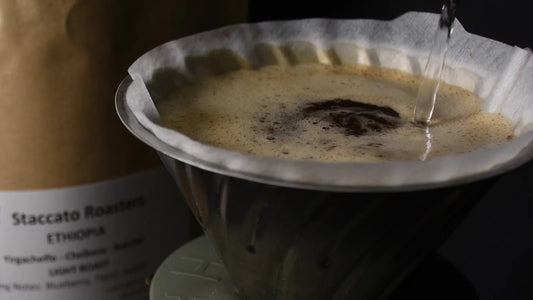
When discussing the best brewing method for light roast coffee, the pour-over consistently rises to the top. This manual brewing technique, exemplified by devices like the Hario V60 or Chemex, allows for exceptional control over every variable, leading to a clean, bright, and incredibly nuanced cup that truly lets the delicate flavors of a light roast shine. The pour-over process facilitates a clean separation of grounds from the brew, resulting in a coffee with minimal sediment and a remarkably clear taste profile.
The beauty of pour-over lies in its ability to highlight clarity and distinguish individual flavor notes. Through precise control over water flow, temperature, and extraction time, I’ve found it possible to amplify specific characteristics of a light roast, whether it's the tartness of a red apple or the subtle sweetness of honeydew melon. It’s a method that rewards meticulous attention to detail and offers a deeply satisfying brewing experience.
The Art of the Pour Over
The pour-over process involves slowly pouring hot water over a bed of coffee grounds in a filter-lined dripper. This steady, controlled infusion extracts the soluble compounds while minimizing turbulence, which can sometimes lead to uneven extraction and bitterness. The key steps typically involve:
- Pre-wetting the filter: Rinsing the paper filter removes any papery taste and preheats the brewing vessel.
- Bloom: Pouring a small amount of water (about twice the weight of the coffee) over the grounds to allow them to degas. This step, crucial for fresh light roasts, allows for even saturation and prepares the coffee for optimal extraction.
- Controlled Pours: Subsequent pours are done slowly and deliberately, often in concentric circles, maintaining a consistent water level and preventing channeling.
This methodical approach ensures that the water interacts evenly with the coffee particles, leading to a balanced and expressive cup.
Chemex for Cleanliness, V60 for Nuance
While both are pour-over devices, the Chemex and Hario V60 offer slightly different experiences when brewing light roasts.
- Chemex: Known for its thicker paper filters, the Chemex produces an exceptionally clean, sediment-free cup with a lighter body and a very bright, articulate flavor profile. Its elegant design and slower drawdown time make it ideal for light roasts where clarity is paramount. I often reach for my Chemex when I want to experience the absolute purest expression of a light roast's acidity and floral notes.
- Hario V60: The V60, with its conical shape and large single hole, allows for a faster flow rate and slightly more body, while still delivering incredible clarity. Its ridges promote airflow, ensuring even extraction. The V60 is fantastic for showcasing the complex nuances and aromatics of a light roast, offering a vibrant and lively cup. For those who want maximum flavor pop and don't mind a slightly more tactile brewing experience, the V60 is often the preferred choice. Both are excellent choices, but personal preference for body and specific flavor emphasis can guide your selection.
Source: georgehowellcoffee.com
Other Excellent Brewing Methods for Light Roasts
While pour-over methods often stand out as the best brewing method for light roast coffee, several other techniques also excel at bringing out their delicate characteristics. Each offers a unique approach to extraction, providing brewers with diverse avenues to explore the nuanced world of light roasts.
AeroPress: Versatility and Control
The AeroPress is a remarkably versatile and forgiving brewing device that can produce excellent light roast coffee. Its unique immersion-pressurized brewing process allows for quick extraction, and its paper filters yield a clean cup, akin to pour-over, but with a slightly fuller body. The ability to control brew time, water temperature, and grind size with precision makes it ideal for experimentation. I've personally used an AeroPress extensively for travel, and with a fine-to-medium grind and a slightly shorter brew time, it consistently produces a bright, sweet, and clean cup from light roast beans, even on the go. Its pressurized extraction can also help in fully saturating the denser light roast grounds.
Siphon: Theatrical Clarity
For those who enjoy a bit of spectacle with their coffee, the Siphon brewer is an exceptional choice for light roasts. This vacuum brewing method uses vapor pressure to draw water up from a lower chamber to an upper chamber containing coffee grounds. After brewing, gravity pulls the coffee back down through a filter, leaving a wonderfully clean and aromatic brew. The Siphon offers remarkable clarity and a very full, yet clean, body, often emphasizing the sweetness and bright acidity of light roasts. It requires a bit more technique and cleaning, but the results for highlighting a complex light roast are often unparalleled. It truly is an experience that transforms brewing into an event.
Full Immersion Methods (French Press, Clever Dripper)
While full immersion methods like the French Press are often associated with darker, more robust roasts, they can certainly be adapted for light roasts, though with specific considerations.
- French Press: The French Press provides excellent body due to its mesh filter, which allows fine particles and oils to pass through. For light roasts, a coarser grind and careful attention to brew time (often shorter than for dark roasts) are necessary to avoid over-extraction and bitterness. I've found that a slightly lower water temperature can sometimes help in taming the intensity of a light roast in a French Press, allowing its inherent sweetness to emerge without overpowering its delicate notes.
- Clever Dripper: Combining the best of immersion and pour-over, the Clever Dripper allows for full immersion during the brew cycle, followed by a filter-based drawdown. This provides the robust flavor of immersion with the clarity of a pour-over. It's a fantastic option for light roasts, offering ease of use and consistent results, making it an excellent bridge between beginners and advanced brewers looking for the best brewing method for light roast coffee that balances body and cleanliness.

Source: co.uk
Common Mistakes to Avoid When Brewing Light Roasts
Even with the best brewing method for light roast coffee, certain pitfalls can prevent you from achieving that perfect cup. Recognizing and avoiding these common mistakes is crucial for unlocking the full potential of your delicate light roast beans. My own early experiments with light roasts were fraught with trials and errors, teaching me invaluable lessons about what not to do.
- Using a Dull Blade Grinder: This is perhaps the most egregious error. Blade grinders "chop" coffee, creating an inconsistent mix of boulders and fine dust. This leads to wildly uneven extraction – the fines over-extract and become bitter, while the boulders under-extract and taste sour. The result is a muddled, unpleasant cup. Always use a quality burr grinder to ensure uniform particle size.
- Insufficiently Hot Water: As mentioned, light roasts are dense. Using water that is too cool (below 200°F or 93°C) will result in under-extraction, leading to a sour, thin, and underdeveloped cup that fails to showcase the coffee's vibrant flavors. Ensure your kettle reaches the optimal temperature.
- Incorrect Grind Size: Grinding too coarse for a light roast will lead to under-extraction and a watery, sour taste. Conversely, grinding too fine can lead to over-extraction, creating a bitter, astringent, and often blocked or slow flow in pour-over methods. Finding that sweet spot, which is typically finer than for darker roasts, is key.
- Ignoring Water Quality: Using unfiltered or hard tap water can impart off-flavors (like chlorine) or hinder proper extraction due to mineral content. This completely masks the delicate nuances of a light roast. Filtered water is non-negotiable for superior results.
- Rushing the Bloom: Forgetting or rushing the bloom phase (the initial wetting of the grounds) means the coffee hasn't properly degassed. This can lead to uneven saturation and channeling, resulting in an inconsistent and less flavorful extraction. Give your light roast beans time to bloom and release their CO2.
Source: kimbocoffee.com
The Importance of Water Quality and Equipment for Light Roasts
To truly master the best brewing method for light roast coffee, the quality of your water and your brewing equipment are as critical as the brewing technique itself. These elements form the foundation upon which exquisite coffee is built, especially when dealing with the subtle complexities of light roasts.
Water Quality: The Essential Ingredient
As mentioned earlier, water makes up over 98% of your coffee. Therefore, its quality profoundly impacts the final taste. Tap water can contain chlorine, chloramines, or an imbalance of minerals that either strip away delicate flavors or introduce undesirable ones. For light roasts, which are prized for their clarity and distinct characteristics, using filtered water is absolutely non-negotiable. I personally use a simple charcoal filter pitcher, and the difference it makes in allowing the true flavors of a light roast to emerge is dramatic. For the truly dedicated, understanding water chemistry (pH, alkalinity, mineral content) can further optimize extraction, but starting with clean, filtered water is a significant step.
Essential Equipment Upgrades
While you can start with basic gear, investing in a few key pieces of equipment will elevate your light roast brewing experience exponentially:
- Quality Burr Grinder: This is arguably the most important investment. A burr grinder (either manual or electric) produces a consistent, uniform grind size, which is vital for even extraction in light roasts. Blade grinders are simply inadequate for the precision required. I've seen firsthand how an upgrade from a cheap grinder to a good burr grinder can transform a mediocre cup into something truly special.
- Digital Coffee Scale: Precision is paramount with light roasts. A digital scale allows you to accurately measure your coffee grounds and water by weight, ensuring consistent brew ratios every time. This eliminates guesswork and helps you replicate your best brews.
- Gooseneck Kettle (for Pour Over): If you're using a pour-over method, a gooseneck kettle provides unparalleled control over your water flow. This slow, steady, and precise pour is essential for achieving even saturation and consistent extraction, especially when trying to coax out the nuanced flavors of light roast coffee. Many also feature temperature control, allowing you to hit that ideal 200-205°F range consistently.
- Thermometer: To ensure you're always hitting that ideal water temperature, a thermometer (or a kettle with an integrated thermometer) is invaluable. Overly hot or cold water can easily ruin the delicate balance of a light roast.
Investing in these tools isn't just about owning fancy gadgets; it's about gaining the control necessary to consistently extract the best from your light roast coffee beans. They empower you to experiment with confidence and continually refine your brewing technique.

Frequently Asked Questions
What makes light roast coffee taste different from dark roast?
Light roast coffee tastes different because it's roasted for a shorter duration, preserving more of the bean's original, delicate flavors, bright acidity, and often fruity or floral notes, in contrast to dark roasts which develop bolder, sweeter, and sometimes smoky flavors from longer roasting.
Why is consistency so important when brewing light roast coffee?
Consistency is paramount when brewing light roast coffee because their delicate flavors are easily masked or destroyed by uneven extraction, requiring precise control over grind size, water temperature, and brew time to highlight their subtle nuances.
Can I use a French Press for light roast coffee?
Yes, you can use a French Press for light roast coffee, but use a coarser grind and a slightly shorter brew time to prevent over-extraction and bitterness, which can easily overshadow the delicate notes of a light roast.
What water temperature is ideal for light roast coffee?
An ideal water temperature for light roast coffee typically ranges between 200°F and 205°F (93°C-96°C) to ensure proper extraction of its dense bean structure and delicate flavor compounds.
What is the purpose of the "bloom" phase in coffee brewing?
The "bloom" phase in coffee brewing allows freshly ground coffee to degas by releasing trapped carbon dioxide, which prevents channeling and ensures even saturation of the grounds, leading to a more consistent and flavorful extraction.
Conclusion
Choosing the best brewing method for light roast coffee is a journey toward unlocking a spectrum of delightful flavors often hidden within these delicate beans. While the pour-over method, particularly with a V60 or Chemex, stands out for its ability to highlight clarity and nuance, methods like the AeroPress and Siphon also offer exceptional results. The key lies in understanding the unique characteristics of light roasts and meticulously controlling variables such as grind size, water temperature, brew ratio, and water quality.
Embrace the precision and patience required, and you will be rewarded with a coffee experience that is bright, complex, and utterly captivating. I encourage you to experiment with these methods, paying close attention to how each adjustment impacts the final taste. Continue your exploration of specialty coffee by trying different light roast origins, or share your own experiences and tips in the comments below!

- How to Fix a Portafilter: Size, Locking Mechanism, and Troubleshooting Guide - October 22, 2026
- 35 Coffee Machine Parts and Functions: Complete Guide With Names and Uses - October 22, 2026
- 25 Espresso Machine Parts Names and Their Functions Explained - October 22, 2026