
For the best brewing method for dark roast coffee, full-immersion techniques like French Press, AeroPress, or a patient cold brew often yield superior results. As a dedicated coffee professional with years of experience navigating the nuanced world of specialty beans, I understand the challenges and immense satisfaction that come with perfecting a dark roast brew. This comprehensive guide is designed to empower you, the coffee enthusiast, with the insights and practical knowledge needed to transform your dark roast beans into an extraordinarily rich and flavorful cup, ensuring you discover your personal best brewing method for dark roast coffee.
Understanding Dark Roast Coffee
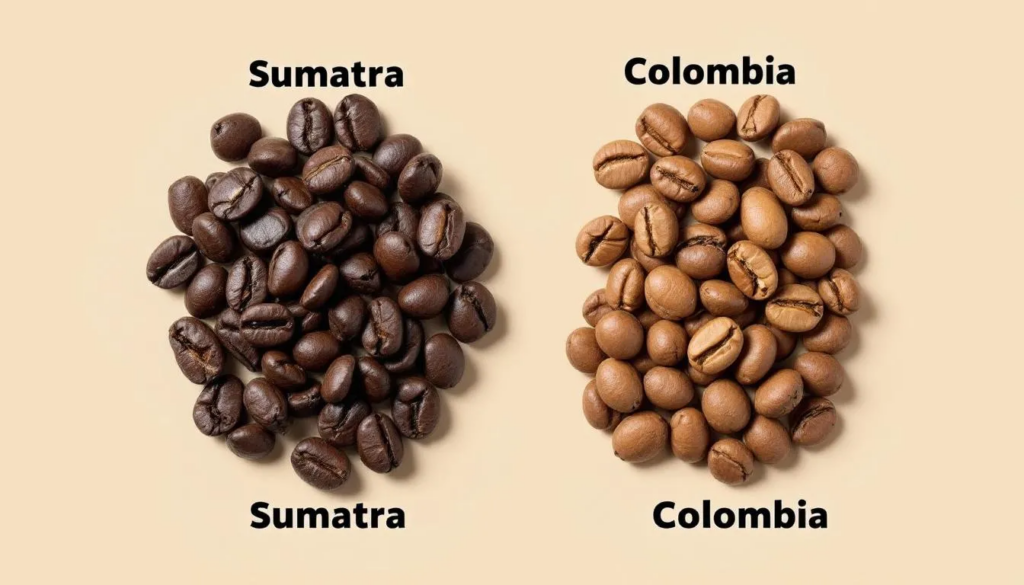
Dark roast coffee is distinctive, characterized by its deep, often uniform color, oily sheen, and a flavor profile that typically emphasizes boldness, low acidity, and notes of chocolate, caramel, or even smokiness, often at the expense of the bean's origin-specific nuances. Unlike lighter roasts, which highlight intricate floral or fruity notes, dark roasts undergo a longer roasting process at higher temperatures. This process caramelizes sugars more intensely, breaks down certain acids, and brings the natural oils to the surface. The result is a more robust, sometimes bittersweet flavor that many find comforting and intense. However, these characteristics also mean that dark roast beans are inherently more delicate and prone to over-extraction, which can lead to an unpleasantly bitter cup. Understanding these inherent qualities is the first step in identifying the best brewing method for dark roast coffee, as it informs every subsequent decision from grind size to water temperature.

Key Considerations for Brewing Dark Roast
Brewing dark roast coffee successfully requires a thoughtful approach, as these beans behave differently from their lighter counterparts. Ignoring these critical factors can easily lead to a bitter, hollow, or otherwise unappealing cup, missing the opportunity to experience the full potential of the best brewing method for dark roast coffee.
- Water Temperature: Dark roast beans are more porous and release their soluble compounds more readily. Brewing with water that's too hot (above 200°F or 93°C) can quickly lead to over-extraction, resulting in a harsh, acrid taste. Aim for a slightly lower temperature range, typically between 195°F and 200°F (90.5°C to 93°C), to gently coax out the flavors without extracting unwanted bitterness.
- Grind Size: A common mistake is using too fine a grind. For dark roasts, particularly with full-immersion methods, a slightly coarser grind than you might use for a medium roast is often beneficial. This reduces the surface area exposed to water, slowing down extraction and mitigating bitterness. A coarse, uniform grind is paramount to achieving a balanced extraction, regardless of the brewing method.
- Brew Time: Shorter brew times are often preferred for dark roasts to prevent over-extraction. For immersion methods, this might mean reducing the typical contact time by 30-60 seconds. For drip or pour-over, careful monitoring and perhaps a faster pour rate can help.
- Coffee-to-Water Ratio: While personal preference plays a role, starting with a slightly lower coffee-to-water ratio than you might use for lighter roasts can also help prevent bitterness. A good starting point is often around 1:16 or 1:17 (e.g., 1 gram of coffee for every 16 or 17 grams of water).
Through my own years of experimenting, I've learned that overlooking any of these variables, especially water temperature and grind size, consistently results in a less-than-ideal cup. I recall one early experience where I stubbornly used the same fine grind for a dark roast as I did for a light roast, leading to an incredibly bitter and unpalatable brew. It was a clear lesson in adapting technique to the specific roast profile to find the best brewing method for dark roast coffee.
The Top Contenders: Best Brewing Methods for Dark Roast Coffee
When it comes to unlocking the full potential of dark roast beans, certain brewing methods stand out for their ability to deliver a rich, full-bodied, and balanced cup without the unwelcome bitterness. Exploring these options will guide you towards discovering the best brewing method for dark roast coffee that suits your palate.
French Press
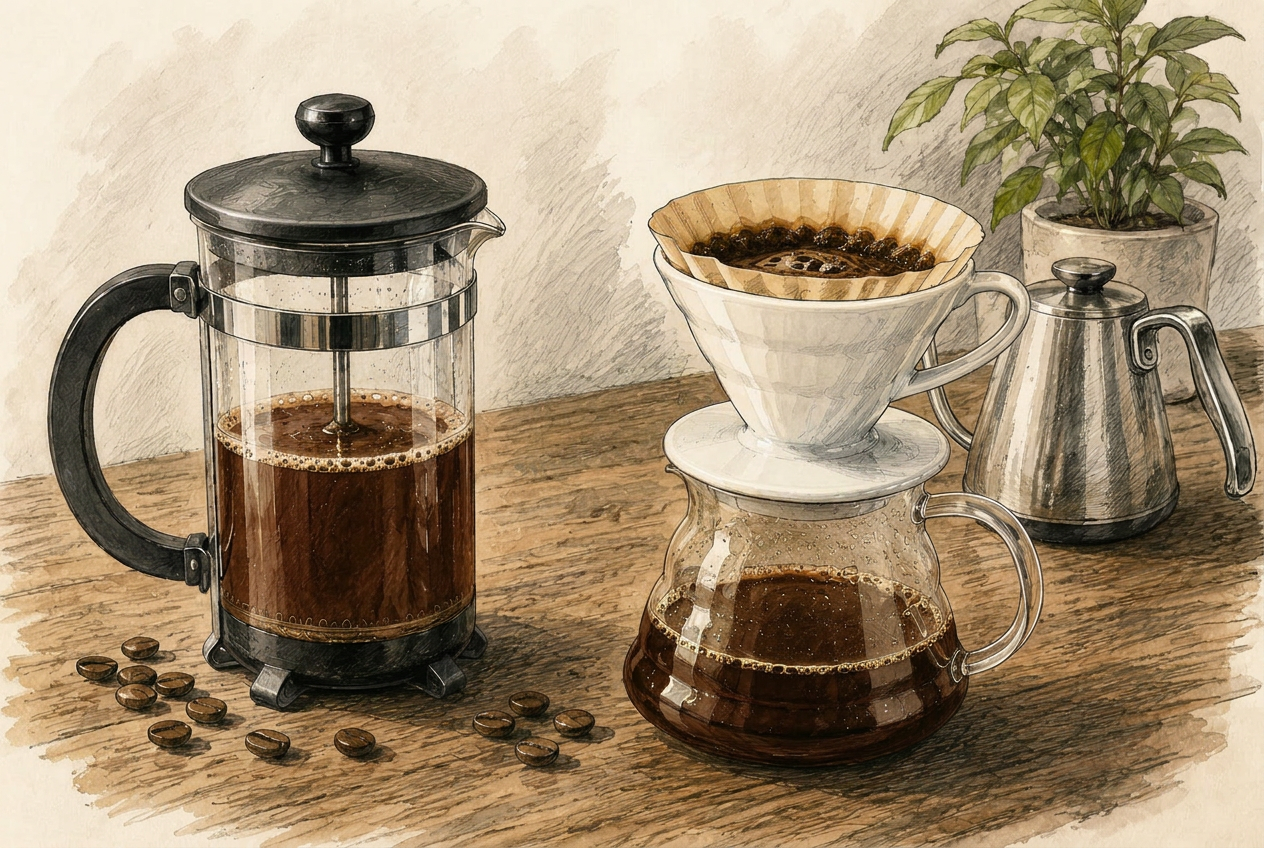
The French Press is often heralded as one of the best brewing methods for dark roast coffee, and for good reason. Its full-immersion brewing style allows the coffee grounds to steep completely in hot water, extracting a broad spectrum of flavors and oils. This method doesn't use paper filters, meaning all the natural oils and fine sediment pass into your cup, contributing to a wonderfully rich body and a smooth, luxurious mouthfeel that perfectly complements the robust character of dark roasts.
To brew: Use a coarse, uniform grind. Heat water to 195-200°F (90.5-93°C). Add coffee grounds to the French Press, pour in water, stir gently, and steep for 3-4 minutes. Slowly press the plunger down, separating the grounds from the brewed coffee. From my own experience, the French Press consistently delivers a satisfyingly bold and full-bodied cup, making it a strong contender for the best brewing method for dark roast coffee.
AeroPress
The AeroPress, a versatile and often underestimated brewer, is another excellent choice for dark roast coffee, particularly for those seeking a cleaner cup with less sediment than a French Press. Its unique design allows for rapid brewing and uses air pressure to extract coffee, which can result in a remarkably smooth and concentrated brew. The shorter contact time and filter system help to minimize bitterness, while the ability to brew a concentrate offers flexibility.
To brew: Many prefer the inverted method. Use a medium-fine to medium grind. Heat water to 195-200°F (90.5-93°C). Add grounds, pour water, stir briefly, and press after 30-60 seconds. The speed and control offered by the AeroPress make it an incredibly forgiving and effective option when searching for the best brewing method for dark roast coffee, allowing for precise adjustments to avoid over-extraction.
Cold Brew
For dark roast aficionados who prefer a remarkably smooth, low-acid, and naturally sweet coffee experience, cold brew is arguably the best brewing method for dark roast coffee. This method involves steeping coarse coffee grounds in cold water for an extended period, typically 12-24 hours. The cold water extracts fewer bitter compounds and acids compared to hot water, resulting in a brew concentrate that is exceptionally mellow and easy on the stomach.
To brew: Use a very coarse grind and a coffee-to-water ratio of around 1:8. Combine coffee and cold, filtered water in a container, stir gently, and let steep in the refrigerator for 12-24 hours. Strain through a fine-mesh sieve and then a cheesecloth or paper filter. The resulting concentrate can be diluted with water or milk and served over ice. I’ve personally found that cold brew truly highlights the rich, chocolatey notes of a dark roast, making it a delightful option, especially during warmer months.
Pour Over
While generally excellent for lighter and medium roasts, using a pour over as the best brewing method for dark roast coffee can be more challenging. The thinner body and faster extraction inherent to pour over can sometimes result in a less robust and potentially more bitter cup with dark roasts, as the delicate balance of extraction is harder to control.
To successfully brew dark roast with a pour over:
- Use a slightly coarser grind than usual.
- Lower your water temperature to around 195°F (90.5°C).
- Focus on a controlled, shorter brew time (aim for under 3 minutes for smaller brews).
- A V60 or Kalita Wave can work, but require precision.
In my own testing, achieving an ideal pour-over with a dark roast demands meticulous attention to detail. It's not impossible, but it definitely presents more hurdles than the immersion methods mentioned above.

Optimizing Your Dark Roast Brewing Experience
Beyond choosing the best brewing method for dark roast coffee, several factors contribute significantly to the quality of your final cup. Mastering these elements will elevate your brewing to an art form, consistently delivering an outstanding dark roast experience.
Grind Freshness and Consistency
The quality of your grind cannot be overstated. Dark roast beans, due to their inherent oiliness, can go stale faster once ground. Always grind your coffee beans right before brewing. A high-quality burr grinder is essential for achieving a consistent grind size, which ensures even extraction. An inconsistent grind—with both fine particles (fines) and coarse particles—will lead to uneven extraction, resulting in both bitterness from the fines and sourness from the coarse particles. Investing in a good grinder is perhaps the single most impactful step in enhancing your best brewing method for dark roast coffee.
Water Quality
Coffee is over 98% water, so its quality directly impacts the taste. Using filtered water free from impurities, excessive minerals, or chlorine is crucial. Tap water can introduce off-flavors that detract from the delicate nuances of even the boldest dark roast. Clean, fresh water allows the true characteristics of the dark roast coffee to shine through, truly enhancing the chosen best brewing method for dark roast coffee.
Temperature Control
As discussed, precise temperature control is vital for dark roasts. An electric kettle with temperature control settings is an invaluable tool. It allows you to hit that sweet spot of 195-200°F (90.5-93°C) every time, preventing over-extraction and ensuring you get the best possible flavor from your chosen best brewing method for dark roast coffee.
Experimentation
Ultimately, the "best" brewing method for dark roast coffee is subjective and depends on your personal taste preferences. Don't be afraid to experiment with different grind sizes, water temperatures, and brew times within the recommended ranges for each method. I've spent countless hours adjusting variables, sometimes failing spectacularly, but each attempt taught me something new. It's this spirit of exploration that truly refines your understanding and helps you dial in the perfect cup for your specific dark roast beans.

Troubleshooting Common Dark Roast Brewing Issues
Even with the best intentions and the best brewing method for dark roast coffee, challenges can arise. Understanding common issues and their solutions can transform a frustrating brew into a delightful one.
If your dark roast coffee tastes bitter, it's almost always a sign of over-extraction. This can be due to several factors:
- Your grind size might be too fine, leading to too much surface area exposed to water.
- Your water temperature could be too high, accelerating the extraction of bitter compounds.
- Your brew time might be too long, especially for full-immersion methods.
- Your coffee-to-water ratio might have too much coffee.
Conversely, if your dark roast coffee tastes weak or sour, it indicates under-extraction. This can happen if:
- Your grind size is too coarse, preventing sufficient extraction.
- Your water temperature is too low, failing to properly dissolve the coffee compounds.
- Your brew time is too short.
- Your coffee-to-water ratio has too little coffee.
Why does my dark roast coffee taste bitter?
Dark roast coffee often tastes bitter due to over-extraction, which typically occurs when the grind is too fine, the water is too hot, or the brew time is excessively long, pulling out undesirable harsh flavors. Adjusting these variables is key to achieving a balanced taste with your chosen best brewing method for dark roast coffee.
Can I use an automatic drip machine for dark roast?
While possible, automatic drip machines often struggle to control the variables—like precise temperature and immersion time—needed for optimal dark roast extraction, potentially leading to bitterness or a thin body. Manual methods like French Press or AeroPress typically offer superior control and are often considered the best brewing method for dark roast coffee.
What grind size is best for dark roast coffee?
Generally, a coarser grind is recommended for dark roast coffee to prevent over-extraction and bitterness, especially with methods like French Press or cold brew. This ensures a smoother, more balanced cup, allowing the full-bodied characteristics of the dark roast to shine.

Frequently Asked Questions
Is French Press truly the best brewing method for dark roast coffee?
The French Press is widely considered one of the best brewing methods for dark roast coffee because its full-immersion style and lack of paper filters allow for maximum oil and flavor extraction, resulting in a rich, full-bodied cup that complements the roast's characteristics. Many coffee lovers find this method provides the ideal balance for their dark roasts.
How can I make dark roast coffee less bitter?
To make dark roast coffee less bitter, try lowering your water temperature slightly (195-200°F), using a coarser grind, and reducing your brew time. Adjusting your coffee-to-water ratio to slightly less coffee can also help mitigate bitterness, enhancing your best brewing method for dark roast coffee.
What's the ideal water temperature for brewing dark roast coffee?
The ideal water temperature for brewing dark roast coffee is typically between 195°F and 200°F (90.5°C to 93°C). This slightly lower range compared to lighter roasts helps prevent over-extraction and the resulting bitterness, allowing you to perfect the best brewing method for dark roast coffee.
Can cold brew truly bring out the best in dark roast coffee?
Yes, cold brew can indeed bring out the best in dark roast coffee by significantly reducing acidity and bitterness. The long, slow extraction process with cold water yields a remarkably smooth, naturally sweet, and incredibly mellow concentrate that highlights the dark roast's inherent chocolate and caramel notes.
Should I use more coffee when brewing dark roast?
You might actually want to use slightly less coffee when brewing dark roast compared to lighter roasts, or stick to a standard ratio (e.g., 1:16 or 1:17). Dark roasts are more porous and extract more easily, so using too much coffee can quickly lead to an over-extracted and bitter brew, detracting from even the best brewing method for dark roast coffee.
Conclusion
Discovering the best brewing method for dark roast coffee is a rewarding journey that transforms a simple daily ritual into an exquisite experience. By understanding the unique properties of dark roast beans and carefully applying methods like the French Press, AeroPress, or cold brew, you can consistently achieve a rich, full-bodied, and beautifully balanced cup. Remember to pay close attention to grind size, water temperature, and brew time, and don't shy away from personal experimentation.
Take these insights into your kitchen and begin refining your dark roast brewing technique today. Experiment with the suggested methods and variables, and share your discoveries with fellow coffee enthusiasts. For more brewing tips and coffee knowledge, explore our other guides and join our community of coffee lovers.

- How to Fix a Portafilter: Size, Locking Mechanism, and Troubleshooting Guide - October 22, 2026
- 35 Coffee Machine Parts and Functions: Complete Guide With Names and Uses - October 22, 2026
- 25 Espresso Machine Parts Names and Their Functions Explained - October 22, 2026