
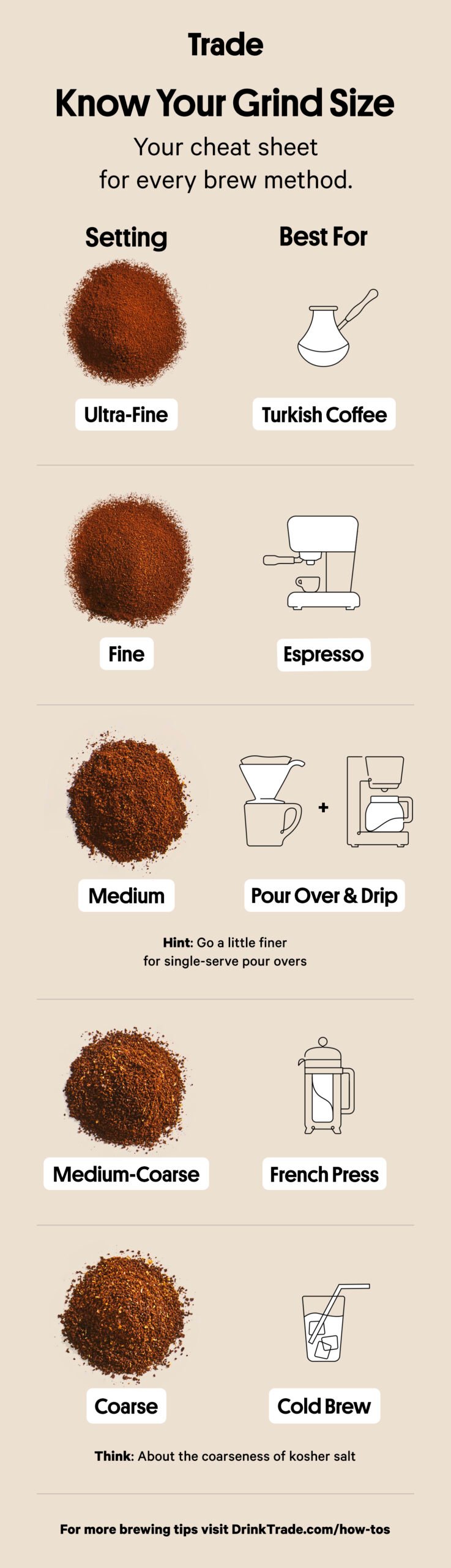
Choosing the right coffee grind size is essential for achieving optimal flavor extraction and a delicious cup of coffee tailored to your brewing method.
Embarking on the journey to brew the perfect cup of coffee is a deeply satisfying experience, and at its heart lies a critical, yet often overlooked, detail: understanding how to choose coffee grind size. As someone who has spent years meticulously experimenting with various beans and brewing techniques, I can attest that the grind size is not merely a preference but a fundamental scientific principle dictating the quality of your brew. This comprehensive guide will demystify the art and science behind coffee grinding, equipping you with the expertise to consistently unlock the full potential of your favorite beans and elevate your daily coffee ritual.

Understanding the Fundamentals of Coffee Grind Size
The grind size of your coffee refers to the coarseness or fineness of the coffee particles after they have been milled. This seemingly simple characteristic profoundly impacts the extraction process, which is how flavor compounds, oils, and acids are dissolved from the coffee grounds into the hot water. Think of it like a delicate dance between water and coffee, where the surface area of the grounds dictates the pace and intensity. A finer grind exposes more surface area, allowing for quicker and more extensive extraction, while a coarser grind reduces this surface area, leading to a slower and gentler extraction.
Choosing the correct grind size is paramount because it directly influences the balance and complexity of your final brew. Too fine for a particular method, and your coffee can become over-extracted, resulting in a bitter, astringent, or harsh taste. Conversely, if the grind is too coarse, the coffee will be under-extracted, tasting sour, weak, or watery. Mastering how to choose coffee grind size is truly the first step toward brewing excellence, ensuring you capture the intended nuances and aromatic profiles of your chosen beans.
Exploring Common Grind Sizes and Their Ideal Brewing Methods
Different brewing methods require specific grind sizes to achieve optimal flavor. Understanding these relationships is key to mastering how to choose coffee grind size for your preferred equipment.
Extra Coarse Grind
An extra coarse grind resembles rock salt or peppercorns. The particles are large, distinct, and irregular. This grind size is perfect for brewing methods that involve long contact times between the coffee and water, preventing over-extraction and ensuring a smooth, mellow flavor.
- French Press: The large particles are ideal for the full immersion method of a French press, where coffee steeps for several minutes. They settle easily at the bottom, making it simpler for the plunger filter to separate the grounds without allowing fine sediment into your cup.
- Cold Brew: Cold brew also benefits from an extra coarse grind. The extended steeping time (12-24 hours) at cold temperatures requires a minimal surface area to prevent bitterness and ensure a naturally sweet, low-acid concentrate.
Coarse Grind
A coarse grind feels similar to sea salt, with visible, chunky particles. This size is still quite large, making it suitable for brewing methods where water flows through the grounds for a moderate duration.
- Percolator: Percolators continuously cycle hot water over the coffee grounds, so a coarse grind prevents the water from becoming over-saturated with solubles too quickly.
- Chemex: While a medium-coarse grind is also often used, a slightly coarser grind can work well for Chemex, especially with longer brew times, to prevent clogging the thick filter and ensure a clean, bright cup.
Medium-Coarse Grind
This grind resembles rough sand, with particles noticeably smaller than coarse but still larger than regular drip coffee grounds. It strikes a balance, offering good extraction without excessive fines.
- Drip Coffee Makers (some models): Many automatic drip coffee makers perform well with a medium-coarse grind, especially those with slower brew cycles or larger brew baskets.
- Pour Over (larger brewers): For larger pour-over devices or recipes with longer overall brew times, a medium-coarse grind can provide a balanced extraction, reducing the risk of bitterness.
Medium Grind
Often considered the default or "all-purpose" grind, a medium grind feels like regular sand. It is neither too fine nor too coarse, making it versatile for several popular brewing methods.
- Drip Coffee Makers (most common): This is the go-to grind size for most automatic drip coffee makers, yielding a well-balanced and robust cup.
- Aeropress (longer immersion): When using the Aeropress for a longer immersion brew (e.g., 2-3 minutes), a medium grind works wonderfully, allowing for thorough extraction without pushing fines through the paper filter.
- Siphon Coffee: The unique vacuum brewing process of a siphon pot benefits from a medium grind, ensuring proper water flow and extraction during the brew cycle.
Medium-Fine Grind
A medium-fine grind has a texture similar to table salt or finer sand. It's noticeably finer than a medium grind but not as powdery as an espresso grind, offering increased surface area for quicker extraction.
- Pour Over (most common): For the majority of pour-over methods, especially smaller devices like the Hario V60 or Kalita Wave, a medium-fine grind allows for excellent extraction rates and a clean, nuanced cup.
- Aeropress (shorter immersion/espresso-style): When aiming for a shorter brew time or a more concentrated Aeropress shot, a medium-fine grind can enhance extraction.
- Moka Pot: Moka pots operate under pressure, and a medium-fine grind is crucial for creating the necessary resistance to build steam pressure and achieve a strong, rich brew.
Fine Grind
A fine grind has a texture like sugar or fine sand, approaching a powdery consistency. This increased surface area is necessary for rapid extraction under high pressure or very short contact times.
- Espresso: This is the quintessential grind size for espresso machines. The high pressure and short brew time (typically 25-30 seconds) demand a very fine grind to extract concentrated flavors and create the signature crema.
- Moka Pot (sometimes): While medium-fine is common, some Moka pot users prefer a slightly finer grind for an even stronger brew, though it risks channeling if too fine.
Extra Fine / Turkish Grind
An extra fine grind is powdery, similar to flour or confectioners' sugar. It's the finest grind possible and is specifically designed for methods where the coffee grounds remain in the cup.
- Turkish Coffee: For Turkish coffee, the grounds are boiled directly with water and sugar in a cezve. The extremely fine grind allows the particles to fully suspend in the water, creating a thick, intense beverage with a characteristic sediment at the bottom of the cup.
Key Factors Influencing Your Grind Choice
While the brewing method is the primary determinant of how to choose coffee grind size, several other factors play a crucial role in dialing in the perfect cup.
Brewing Method
As detailed above, each brewing method is designed to interact with coffee grounds in a specific way, dictating the required surface area for optimal extraction. A French press, with its full immersion and long contact time, needs coarse particles to prevent bitterness. Conversely, an espresso machine, with its high pressure and short contact time, demands very fine grounds to ensure adequate extraction in mere seconds. Attempting to use the wrong grind size for your chosen method is the fastest way to an unsatisfactory brew.
Brew Time
The amount of time hot water is in contact with the coffee grounds is directly proportional to the required grind size. Shorter brew times, like those for espresso, necessitate a finer grind to maximize extraction in a limited window. Longer brew times, such as for cold brew or French press, require a coarser grind to slow down extraction and prevent the coffee from becoming over-extracted and bitter. Understanding this inverse relationship is fundamental to how to choose coffee grind size effectively.
Water Temperature
Water temperature significantly impacts the rate of extraction. Hotter water extracts coffee solubles more quickly. If your brewing method uses very hot water (e.g., 200-205°F for pour over), a slightly coarser grind might be needed compared to a method using cooler water, to prevent over-extraction. Conversely, if your water is a little cooler than ideal, a slightly finer grind can help compensate by increasing surface area for extraction. This subtle interplay highlights the nuanced decisions involved when deciding how to choose coffee grind size.
Desired Flavor Profile
Your personal taste preferences also factor into how to choose coffee grind size. Do you prefer a bright, clean, and acidic cup, or a bold, rich, and full-bodied one?
- Brighter, Cleaner Flavors: Often achieved with methods like pour-over using a medium-fine to medium grind, allowing for clarity and highlighting delicate notes.
- Richer, Fuller Bodied Flavors: Typically result from methods like French press or espresso, which often utilize coarser (French press) or very fine (espresso) grinds to promote a more viscous mouthfeel and intense flavor. Experimenting with small adjustments to your grind can reveal subtle changes in acidity, sweetness, and bitterness, allowing you to fine-tune your ideal cup.
Type of Coffee Beans
Different coffee beans can behave uniquely during the grinding and brewing process.
- Roast Level: Lighter roasts are denser and often harder to grind, sometimes requiring a slightly finer grind setting or more effort from your grinder to achieve the desired extraction. Darker roasts are more brittle and porous, making them easier to grind and sometimes needing a slightly coarser setting to prevent over-extraction due to their inherent bitterness.
- Bean Density: Denser, high-altitude beans might require a finer grind compared to less dense beans to achieve adequate extraction. My personal experience shows that a good quality burr grinder is absolutely essential here to ensure uniform particle size, which is critical for consistent extraction, regardless of the bean type.

The Art of Dialing In: Personal Insights and Practical Tips
Choosing the initial grind size based on your brewing method is a starting point, but the true art of making great coffee lies in "dialing in" your grind. This involves making small adjustments based on sensory feedback from your brew.
Starting Point and Initial Brew
Begin by setting your grinder to the recommended grind size for your specific brewing method. For example, if you’re using a French press, start with an extra coarse grind. Brew your coffee as usual, paying close attention to the aroma, the flow rate (for pour-overs or espresso), and, most importantly, the taste. This initial brew provides the baseline for your adjustments.
Adjusting Based on Taste: Under-extraction vs. Over-extraction
This is where your palate becomes your most valuable tool. The key is to understand the tell-tale signs of under-extraction and over-extraction.
- Under-extracted Coffee (Grind too Coarse): If your coffee tastes sour, weak, watery, or lacks body, it’s likely under-extracted. The water passed through the grounds too quickly, or the surface area wasn't sufficient to dissolve enough flavor compounds. The solution? Grind finer. By reducing the particle size, you increase the surface area, allowing more flavor to be extracted in the same amount of time. I recall a time I was brewing a new single-origin Ethiopian coffee with my V60, and it consistently tasted thin and acidic. After a few minor adjustments to a finer grind, the vibrant berry notes finally blossomed, transforming the cup completely.
- Over-extracted Coffee (Grind too Fine): If your coffee tastes bitter, astringent, hollow, or harsh, it’s likely over-extracted. Too many undesirable compounds have been dissolved from the grounds, often due to too much surface area or excessive contact time. The solution? Grind coarser. Increasing the particle size will slow down the extraction, preventing those bitter notes from dominating your cup. I've certainly had my share of burnt-tasting espresso shots in my early days, only to discover that a minuscule adjustment to a coarser grind made all the difference, yielding a perfectly balanced shot with rich crema.
Visual Inspection of Grounds
Beyond taste, visually inspecting your grounds can offer valuable clues. After brewing a pour-over or espresso, observe the coffee bed. If the bed looks uneven, with channels or dry spots, it might indicate an inconsistent grind or poor pouring technique, which can also affect extraction. For espresso, a "puck" that is muddy or soupy after brewing could suggest a grind that's too fine, hindering proper water flow.
Listening to Your Grinder
An often-overlooked aspect of how to choose coffee grind size involves your senses even before brewing. As you grind, listen to your grinder. A consistent, steady hum usually indicates an even grind. If you hear the motor straining or the sound changes erratically, it might suggest issues with the beans, the grinder, or an attempt to grind too fine for the grinder's capability. This auditory feedback can be a subtle but helpful indicator of your grind quality.

The Impact of Grinder Type
The type of grinder you use is just as important as how to choose coffee grind size, directly affecting the consistency and quality of your grind.
Blade Grinders
Blade grinders operate much like blenders, chopping coffee beans with a spinning blade. While inexpensive and readily available, they produce an inconsistent grind with a mix of very fine particles (fines) and larger chunks. This unevenness leads to inconsistent extraction: the fines over-extract and turn bitter, while the coarser particles under-extract and taste sour. For truly great coffee, I always advise against blade grinders; they introduce too many variables that make it impossible to dial in your coffee accurately.
Burr Grinders
Burr grinders, on the other hand, mill coffee beans between two abrasive surfaces (burrs), either conical or flat. This method produces a much more consistent and uniform particle size, which is critical for even extraction.
- Conical Burr Grinders: These feature two cone-shaped burrs, one stationary and one rotating. They are known for generating less heat during grinding, preserving the coffee's delicate aromas, and are often quieter. They're excellent for a wide range of grind sizes, from espresso to French press.
- Flat Burr Grinders: These have two flat, parallel burrs that grind the coffee as it passes between them. They are often favored by espresso enthusiasts for their ability to produce a very uniform grind, which is crucial for high-pressure extraction. However, they can sometimes generate more heat and be a bit louder.
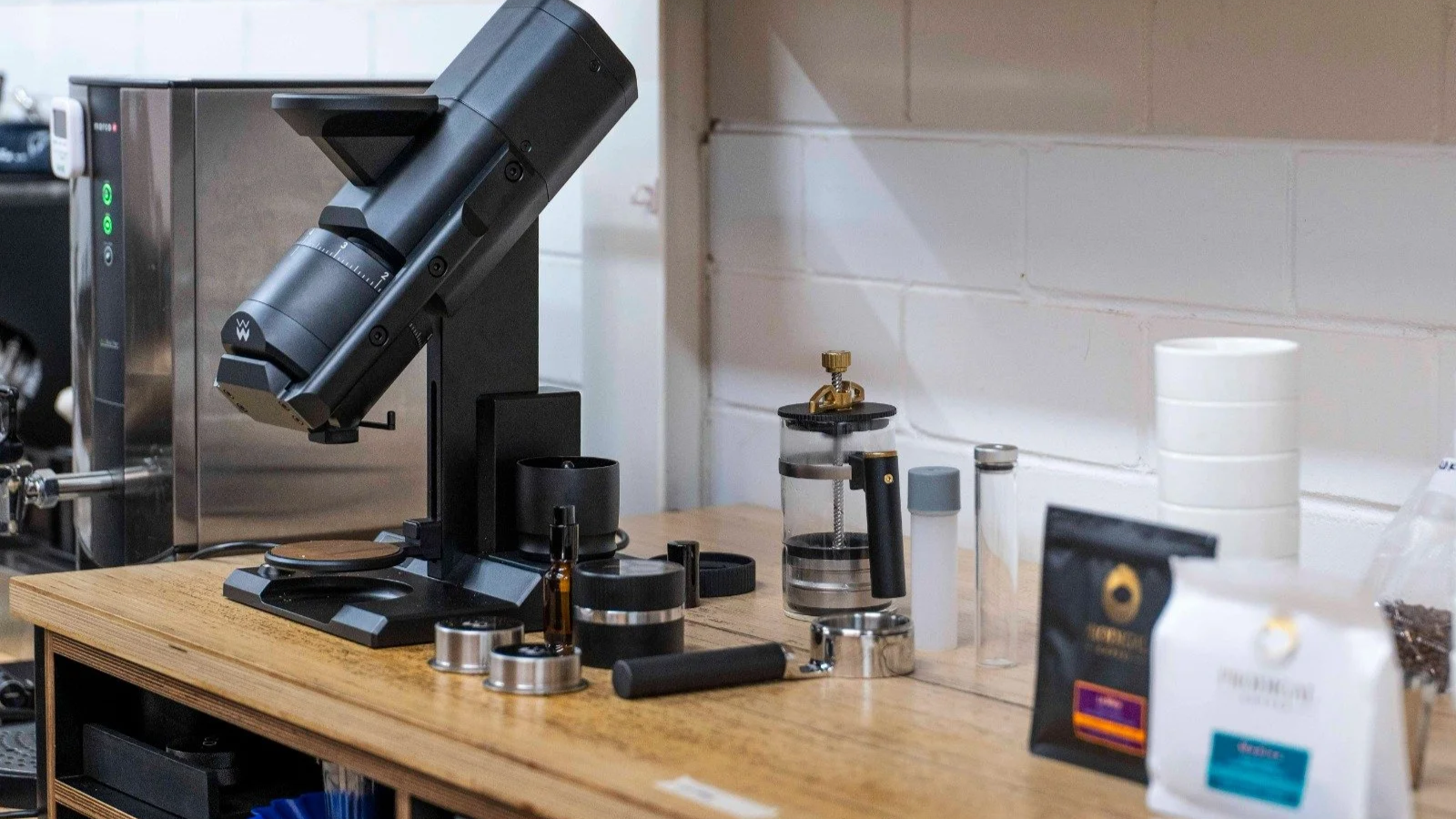
Investing in a quality burr grinder is arguably the single most impactful upgrade you can make to your home coffee setup. It gives you the precision and consistency needed to effectively implement knowledge about how to choose coffee grind size, truly unlocking the potential of your beans.

Common Mistakes to Avoid When Choosing Coffee Grind Size
Even with the best intentions, it's easy to fall into common pitfalls that compromise your brew. Recognizing these will help you refine your understanding of how to choose coffee grind size.
Using Pre-Ground Coffee
One of the biggest limitations to achieving excellent coffee is relying on pre-ground beans. Once coffee is ground, its surface area is exposed to oxygen, leading to rapid oxidation and the staling of delicate flavors and aromas. Within minutes, the quality begins to degrade significantly. While convenient, pre-ground coffee, no matter how good the original beans were, will never match the freshness and vibrancy of coffee ground just before brewing. This is why having your own grinder and learning how to choose coffee grind size immediately before brewing is non-negotiable for serious coffee enthusiasts.
Incorrect Adjustments
A common mistake, especially for beginners, is making drastic adjustments to the grind size. Remember, coffee brewing is a delicate balance. If your coffee is under-extracted, don't jump from coarse to super fine. Instead, make small, incremental adjustments (e.g., one or two clicks on a stepped grinder, or a tiny turn on a stepless one). Brew another cup, taste, and then adjust again if necessary. This methodical approach is key to successfully dialing in your coffee.
Ignoring Water Quality
While not directly about grind size, ignoring water quality can completely derail your efforts, making it harder to discern the effects of your grind adjustments. Water that is too hard, too soft, or contains off-flavors can mask or distort the true taste of your coffee, making it difficult to tell if a bitter note is from over-extraction or poor water. Using filtered water free from chlorine and excessive minerals is crucial for a clean canvas on which your expertly ground coffee can shine.
Forgetting to Calibrate Your Grinder
Even the best burr grinders can have slight variations in their settings over time or between different models. It's a good practice to periodically recalibrate your grinder according to the manufacturer's instructions or at least understand what a specific setting truly means on your machine. A "medium" setting on one grinder might be a "medium-fine" on another. Consistency within your own equipment is key to mastering how to choose coffee grind size.

Frequently Asked Questions
What happens if my coffee grind is too fine?
If your coffee grind is too fine, the water will extract too many compounds too quickly, leading to an over-extracted brew that tastes bitter, harsh, and often astringent, lacking pleasant sweetness.
What happens if my coffee grind is too coarse?
A coffee grind that is too coarse will result in under-extraction, where the water flows through too quickly and doesn't dissolve enough flavor compounds, leaving your coffee tasting sour, watery, and weak.
Can I use the same grind size for all brewing methods?
No, you cannot use the same grind size for all brewing methods. Each method requires a specific grind size to ensure optimal extraction, balancing contact time and surface area for the best flavor.
How do I know if my coffee is perfectly extracted?
Perfectly extracted coffee tastes balanced, sweet, and complex, with a pleasant body and clarity of flavor notes, without any dominant bitterness or sourness.
Is it better to grind coffee at home?
Yes, it is always better to grind coffee at home just before brewing, as pre-ground coffee stales rapidly due to increased surface area exposure to oxygen, losing its fresh aromas and flavors.
Conclusion
Mastering how to choose coffee grind size is truly transformative for any coffee enthusiast. It’s a precise art that marries scientific principles with personal taste, allowing you to unlock the full spectrum of flavors and aromas hidden within each bean. From the bold immersion of a French press to the delicate precision of a pour-over or the intense concentration of an espresso, every brewing method demands a specific grind to achieve its peak potential. Remember to start with the recommended grind for your method, then listen to your senses—taste, sight, and even sound—to dial in those subtle adjustments.
Don't be afraid to experiment; that's where the real magic happens. Invest in a quality burr grinder, pay attention to the nuances of your brew, and embrace the iterative process of fine-tuning. By doing so, you'll not only brew consistently exceptional coffee but also deepen your appreciation for this wonderful beverage. Share your own grind size discoveries in the comments below, or explore our other guides for more tips on elevating your home brewing experience.

- Espresso Tastes Watery? 10 Common Causes and How to Fix It - October 23, 2026
- 10 Common Coffee Equipment Cleaning Mistakes and How to Avoid Them - October 23, 2026
- 17 Common Coffee Grinder Problems and How to Fix Them - October 23, 2026