
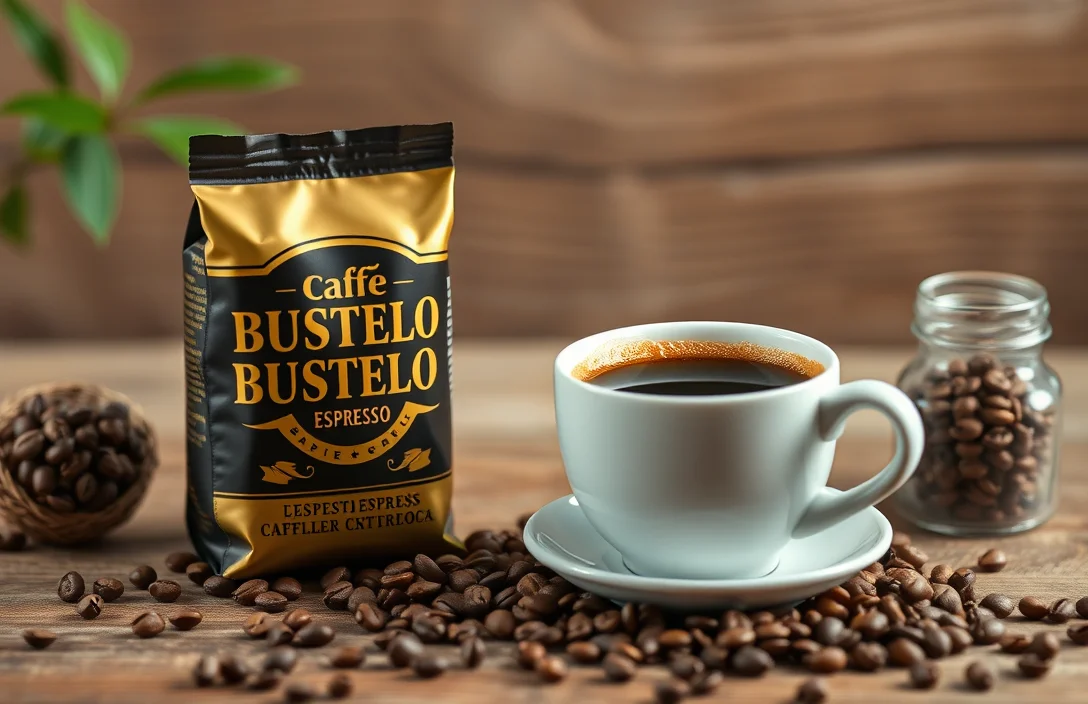
Café Bustelo Espresso Ground Coffee contains approximately 100 mg of caffeine per 6-ounce cup, making it a strong contender in the coffee world. With its rich flavor and bold aroma, it appeals to espresso lovers seeking a powerful caffeine boost for their day.
Curiosity about caffeine content leads many to explore brewing methods and serving sizes. A typical serving delivers a robust caffeine kick, ideal for those needing extra energy. Understanding this can enhance your coffee experience significantly.
Understanding Caffeine Content in Coffee
Caffeine levels vary significantly among different coffee types. Espresso typically contains more caffeine per ounce than brewed coffee. For instance, a standard shot of espresso (1 ounce) generally has around 63 milligrams of caffeine. In contrast, an 8-ounce cup of brewed coffee usually contains between 95 to 200 milligrams. This discrepancy highlights the importance of serving size when comparing caffeine content.
Many factors influence caffeine concentration, including the coffee bean variety and preparation method. Darker roasts, like Cafe Bustelo, often have slightly less caffeine by weight compared to lighter roasts due to the roasting process. Despite this, espresso blends can still pack a punch in terms of caffeine, especially in smaller servings.
Experts suggest checking the brewing method as well. Espresso machines force hot water through finely ground coffee, extracting more caffeine efficiently. Conversely, drip brewing allows caffeine to dissolve more gradually, affecting the overall caffeine yield in your cup. Understanding these differences can help you select the coffee that meets your caffeine needs.
Measuring caffeine content can also aid in your coffee choices. While brands may provide general caffeine estimates, individual preferences and brewing techniques can lead to variations. Therefore, experimenting with different types of coffee can help you discover your ideal caffeine level.
Profile of Cafe Bustelo Espresso
Cafe Bustelo espresso exhibits unique characteristics that influence its caffeine content. Typically, this brand offers a bold and rich flavor profile, appealing to coffee enthusiasts. Ground coffee generally contains varying caffeine levels based on roast type and brewing method. In the case of this espresso, the dark roast contributes significantly to its caffeine concentration.
Caffeine levels in Cafe Bustelo can vary, but it typically contains around 75-100 mg of caffeine per 6 oz serving. Factors such as the grind size, water temperature, and brewing time can impact the final caffeine extraction. Users should adjust these variables to achieve their preferred strength.
Flavor notes play a crucial role in the overall experience. Rich, deep flavors with hints of chocolate and caramel complement the caffeine content. This combination creates a robust cup that satisfies those seeking a kick from their coffee. Experimenting with different brewing methods can enhance these flavors while maintaining the desired caffeine level.
Consistency remains a hallmark of Cafe Bustelo espresso. Regular consumers appreciate its reliable taste, making it a staple in many households. Understanding how to brew it correctly will maximize both flavor and caffeine. For those interested in a balanced coffee experience, mastering the brewing process is essential.
Comparing Ground Coffee to Whole Bean
Caffeine extraction varies significantly between ground coffee and whole beans. Grinding coffee increases the surface area, allowing for more efficient extraction during brewing. This means that ground coffee, like Cafe Bustelo espresso, typically releases caffeine more rapidly than whole beans. The result is a stronger flavor and more pronounced caffeine kick.
Factors affecting extraction include grind size and brewing time. Finer grinds expose more surface area to water, enhancing caffeine release, while coarser grinds may require longer brewing times for similar results. Experimenting with grind sizes can yield varying levels of caffeine, so adjusting the grind can optimize your brew.
Brewing temperature also plays a crucial role. Hotter water extracts caffeine more effectively, which can be beneficial for ground coffee. Ensuring your brewing method maintains the ideal temperature will help maximize caffeine content. Consistency in brewing conditions is key to achieving the desired caffeine level.
Ultimately, the form of coffee significantly impacts caffeine content. Ground coffee offers convenience and immediate flavor, while whole beans require more preparation but can provide a different taste experience. Choosing between the two forms depends on personal preference and brewing methods used.
Brewing Methods Affecting Caffeine Levels
Brewing techniques significantly impact caffeine extraction. Each method influences how much caffeine ends up in your cup, affecting your overall experience with espresso. Understanding these variations is key to optimizing your enjoyment of Cafe Bustelo espresso ground coffee.
- Espresso machines produce concentrated caffeine. Using high pressure, these machines extract oils and flavors quickly, resulting in a rich shot with high caffeine levels. This is ideal for those seeking an intense coffee experience.
- French press allows for maximal extraction. Immersing coffee grounds in hot water for several minutes gives this method a robust flavor and a higher caffeine content compared to drip methods. The longer brewing time increases the caffeine yield.
- Pour-over methods control water flow. This technique allows for precise control over the brewing time and water temperature, resulting in a clean cup with moderate caffeine levels. Adjusting these variables can optimize caffeine extraction based on preference.
- Cold brew offers smooth, caffeine-rich coffee. Steeping coffee grounds in cold water for an extended period yields a higher caffeine concentration. This method results in a less acidic flavor, making it popular among various coffee drinkers.
Serving Size and Its Caffeine Implications
Serving sizes significantly influence caffeine intake. For Cafe Bustelo espresso, measuring the amount of coffee grounds you use can determine how much caffeine you consume per cup. A standard serving typically consists of about two tablespoons of ground coffee, which yields a robust flavor and a higher caffeine content compared to lighter brews.
- Cups vary in size; adjust accordingly. Standard espresso servings range from 1 to 2 ounces. Increasing the amount of coffee grounds while maintaining the same water volume intensifies caffeine levels.
- Espresso shots pack more caffeine. A single shot contains roughly 63 milligrams of caffeine. Knowing this helps gauge how many shots to include in your drink for desired energy levels.
- Portioning affects brewing methods. Different methods extract caffeine differently. For instance, using a French press with larger grounds can yield a different caffeine concentration than traditional espresso brewing.
- Personal tolerance matters. Gauge your own caffeine sensitivity. Some may prefer a stronger brew, while others might need to limit their intake to avoid jitters.
- Adjusting water quantity changes caffeine extraction. More water can dilute caffeine concentration, while less water increases it. Experiment with ratios to find the perfect balance for your taste.
Caffeine Comparison with Other Coffees
Cafe Bustelo espresso ground coffee caffeine content typically ranges between 60-100 mg per shot, depending on preparation. Comparing this to other popular coffee brands provides insight into its strength and caffeine kick. For example, Starbucks espresso contains about 75 mg per shot, while Lavazza espresso offers around 85 mg.
Notably, some brands have varying caffeine levels based on their blend and roasting methods. For instance, Peet’s espresso boasts approximately 80 mg of caffeine per shot. To give a clearer picture, here’s a quick comparison:
| Brand | Caffeine per Shot (mg) |
|---|---|
| Cafe Bustelo | 60-100 |
| Starbucks | 75 |
| Lavazza | 85 |
| Peet’s | 80 |
Comparisons reveal that Cafe Bustelo espresso often contains a competitive level of caffeine, especially appealing to those seeking a stronger brew. Its unique blend and preparation methods contribute to a robust flavor profile while maintaining substantial caffeine content.
Flavor Notes and Caffeine Interaction
Flavor profiles significantly influence the perception of caffeine content. Darker roasts, like Cafe Bustelo, often present bolder flavors, which may create an impression of higher caffeine levels. Conversely, lighter roasts can taste milder, potentially masking their actual caffeine content. Understanding this relationship helps in selecting the right coffee based on both flavor preference and desired energy boost.
- Assess roast level: Dark roasts typically have richer flavors and can lead to a perception of higher caffeine. Cafe Bustelo’s deep flavor profile may suggest a stronger kick.
- Consider brewing method: Different methods extract caffeine differently. Espresso brewing, for example, emphasizes the robust flavors and caffeine content, particularly for ground coffee like this brand.
- Analyze tasting notes: Identify specific flavor notes such as chocolate or caramel, which can enhance the drinking experience while still delivering the caffeine punch that espresso is known for.
- Monitor serving size: Adjusting the amount consumed impacts caffeine intake. A single shot may feel intense, but larger servings of espresso can provide sustained energy.
- Experiment with blends: Trying different blends or ratios can help balance flavor and caffeine levels, allowing for a more tailored coffee experience.
Quick Summary
- Cafe Bustelo is an espresso-style, regular (not decaf) ground coffee; its caffeine content is similar to other standard roasted coffees.
- A single espresso shot made from Cafe Bustelo typically contains roughly 60–75 mg of caffeine; a double shot about 120–150 mg (values vary by shot size and extraction).
- An 8‑oz (240 mL) cup brewed with Cafe Bustelo (drip or French press) generally ranges from about 70–140 mg of caffeine, with ~95 mg often used as a practical average.
- Main factors that change caffeine per serving are serving size, brewing method (espresso vs. drip), coffee-to-water ratio, grind size and brew time—stronger recipes extract more caffeine.
- Roast level has only a small effect: darker roasts can be slightly lower in caffeine by bean volume but are similar by weight, so measure by grams for consistency.
- For lower caffeine intake, use smaller servings, fewer grounds, shorter brew times, or choose a decaffeinated alternative; Cafe Bustelo packaging does not list exact caffeine amounts, so use the above estimates as a guide.
Frequently Asked Questions
What is the caffeine content in Café Bustelo espresso ground coffee?
Café Bustelo espresso ground coffee typically contains about 100-200 mg of caffeine per 8-ounce cup, depending on the brewing method and the amount of coffee used. This makes it a strong option for those seeking an energizing boost.
How does Café Bustelo compare to other coffee brands in terms of caffeine?
Café Bustelo is known for its rich flavor and higher caffeine content compared to many standard drip coffees. While regular coffee generally has around 95 mg of caffeine per 8-ounce cup, espresso blends like Café Bustelo can be more concentrated.
Is the caffeine content affected by the brewing method?
Yes, the brewing method can significantly affect the caffeine content. Espresso brewing methods yield a more concentrated cup, while drip brewing might result in a milder drink, even with the same amount of coffee used.
Can I reduce the caffeine content when using Café Bustelo?
Yes, you can reduce the caffeine content by using less coffee grounds when brewing or opting for a smaller serving size. Additionally, you could mix it with decaffeinated coffee for a milder caffeine experience.
Does Café Bustelo offer a decaffeinated option?
Yes, Café Bustelo does provide a decaffeinated option for those who want to enjoy the flavor without the caffeine. This allows coffee lovers to savor their favorite brew at any time of the day without the jitters.

- Unlocking the Venti: Discover the Perfect Shot Count for Your Drink - October 13, 2026
- Unpacking the Buzz: Caffeine Levels in Café Bustelo Espresso - October 13, 2026
- How to Fix Bitter Coffee: 10 Expert Ways to Improve the Taste - October 4, 2026