
Fresh-roasted coffee releases carbon dioxide (CO2) for days after roasting, and that gas can interfere with extraction. Brew too soon and the cup may taste sour, uneven, or strangely flat. Coffee degassing is simply the process of letting CO2 escape so the brew tastes closer to what the roaster intended.
Degassing means carbon dioxide leaving the coffee bean after roasting. Beans can vent a large amount of CO2 during the first 24 to 72 hours, and extraction often becomes more consistent as the gas level falls. Espresso and other fine-grind methods may benefit from waiting up to about a week, which can reduce channeling and over-agitation.
Key Takeaways
- Fresh beans vent CO2. Roasting creates trapped gas, and grinding exposes more of it.
- Brewing too early can taste sour. High CO2 can push acidity forward and reduce clarity.
- Rest time depends on the method. Espresso and fine grinds usually need more time than batch brew.
- Roast level changes the timing. Lighter roasts often retain gas longer and may need more rest.
- Airflow affects degassing. Heat, airflow, and time release CO2 faster than sealed storage alone.
- Consistency beats guesswork. Pick a rest window, such as a few days, and brew the same way each time.
What Happens After Roasting?
Coffee degassing is the release of carbon dioxide trapped inside roasted beans. Roasting changes the bean’s chemical structures and creates CO2, which remains inside the cellular structure as the beans cool. Freshly roasted beans can release a large amount of gas, and that gas affects how water enters the coffee and extracts its soluble compounds.
Grinding exposes fresh interior surfaces, so CO2 escapes much faster. During brewing, the remaining gas forms bubbles that can disrupt water flow through an espresso puck or coffee bed. The result may be channeling, uneven wetting, or an extraction that tastes different from one made with a more rested bean.
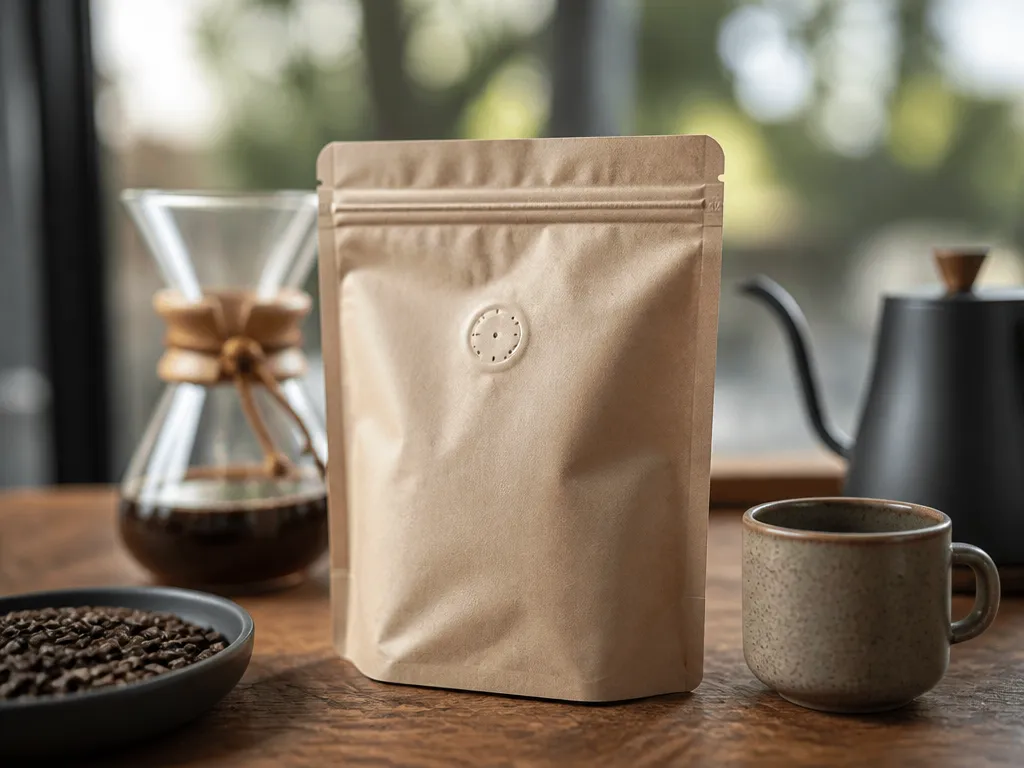
Packaging changes how degassing happens. A valve bag lets CO2 escape while limiting oxygen and moisture exposure. A bag without a valve can build internal pressure and may vent more unpredictably once opened. Either way, the beans still need time for CO2 levels to fall enough for brewing to become consistent.
For a typical US home brewer using a drip machine or pour-over cone, very fresh coffee may taste odd for a day or two. Espresso exposes the problem sooner because fine grinds and pressure make the puck especially sensitive to trapped gas. Batch brew can taste good immediately, but a short rest may still improve clarity.
Degassing is different from staleness prevention. Once CO2 levels fall, oxygen becomes the bigger threat. Rest the beans long enough for extraction to stabilize, then store them in a way that slows oxidation.
How Long Should Coffee Degas?
Let coffee rest for at least 48 hours after roasting, then brew it during the window when your method produces the most stable flavor. Many people find that coffee tastes best between day 3 and day 7. A useful rule is simple: fresh enough to taste lively, rested enough to brew consistently.
Brewing style has a major effect on timing. Espresso usually needs more rest than drip or immersion. If an espresso tastes sharp or sour, sprays unpredictably, or flows too quickly, CO2 may be disrupting the puck. Those problems often ease after a few days. Pour-over and drip are more forgiving, but a short rest can still bring out more sweetness and reduce harshness.
Roast level also changes the schedule. Lighter roasts tend to release gas more slowly and may need more time before they brew cleanly. Dark roasts often show less dramatic CO2-related behavior, though they can still taste better after resting as the bean equilibrates during cooling and early storage.
Grind size affects the experience as well. Fine grinds expose more surface area and release more trapped gas, which is why espresso and moka pot coffee often benefit from extra rest. Coarser grinds still degas, but the brewing process is less sensitive to bubbles moving through the coffee bed.
A short tasting schedule removes much of the guesswork. Brew the same recipe – including dose, grind setting, ratio, and water temperature – on day 1, day 3, day 5, and day 7. Keep everything else steady so rest time remains the only variable.
My practical decision rules are:
- If the coffee tastes sour or uneven, wait longer.
- If it tastes flat or muted, you may be waiting too long or storing it poorly.
- If it tastes consistently good, keep that rest window for future bags.
What Changes in Flavor?
Degassing affects how coffee extracts in the present. Staling describes the gradual flavor loss caused by oxygen, moisture, and time. The two processes overlap, but they move the cup in different directions.
When CO2 levels are high, extraction can taste harsh or unbalanced. You may notice more acidity, less sweetness, or a thin mouthfeel because gas bubbles interfere with wetting and water flow through the coffee. The cup may still be enjoyable, but it is often less predictable from one brew to the next.
As the coffee degasses, it often tastes cleaner, sweeter, and rounder. Many people describe the change as less bite and more clarity. The important difference is improved brewing behavior: as gas levels fall, water moves through the grounds more evenly.
Staling usually appears later as a dull or papery flavor. Oxidation reduces volatile aromas and changes the balance between bitterness and sweetness. The coffee still tastes like coffee, but its brighter aromas fade and the cup loses definition even when the extraction itself is correct.
Longer rest does not always improve flavor. Once the coffee passes its best window, you trade aroma for stability. Degassing can make extraction more even, while staling removes some of the flavor compounds available to extract.
The coffee’s behavior can help you tell the difference. If changing the rest time by a couple days noticeably improves the cup, CO2 was probably the main issue. If the coffee remains muted regardless of rest time, staleness or poor storage is more likely.
Storage determines how quickly staling takes over. Keep beans sealed, cool, and dry in a container that limits oxygen exposure. Avoid opening the bag repeatedly. In the US, humidity and temperature swings can damage coffee faster than expected, especially when an opened bag sits on the counter.
How Roast Date Affects Extraction
The roast date gives you a timeline for both degassing and peak flavor. Immediately after roasting, high CO2 levels can make extraction inconsistent. With more rest, extraction stabilizes. Eventually, aroma fades faster than any remaining degassing benefit can improve the brew.
On the first day, many beans are still releasing gas rapidly. Espresso brewed this early may channel, flow quickly, or taste sour and aggressively bright. Pour-over usually shows subtler changes, such as reduced sweetness and a less cohesive cup.
By about day 3 to day 5, many coffees reach a more stable extraction zone. A home brewer can often settle on a recipe more easily during this window. If your grinder and water are already dialed in, this rest period can separate an off cup from the flavor you intended.
After a week or so, the coffee may still taste excellent, but staling becomes the greater risk. Some specialty coffees stay fresh longer than expected, especially when they are well roasted and stored in a sealed bag with minimal oxygen exposure. Even so, volatile aromas generally fade over time, and the cup can lose its roasted-yesterday character.
Matching roast age to brew method helps because espresso is highly sensitive to puck conditions. Drip and immersion methods are more forgiving, so roast date still affects them, but the change may appear later or less dramatically.
If a bag seems too fresh, change one variable at a time. Keep the recipe the same and alter only the rest time before adjusting grind or ratio. Otherwise, you will end up changing several variables at once and lose track of what fixed the cup.
Best Brewing Methods for Freshly Roasted Coffee
Immersion methods and coarser-grind brews usually handle higher CO2 levels better because they do not depend on tightly controlled, high-pressure water flow through a compacted puck.
Pour-over can work with very fresh beans if you control agitation. Excessive stirring may pull too much from the coffee while it is still releasing gas. If the cup tastes lively but slightly harsh, reducing agitation and keeping the bloom consistent may help more than replacing the entire recipe.
A moka pot can be difficult with very fresh coffee. Its pressure and fine grind can amplify CO2-related irregularities. Try a slightly coarser grind and keep the fill and heat level consistent. The goal is adequate extraction without excessive agitation.
Espresso is the least forgiving method during the early degassing period. Very fresh beans can produce fast flow, uneven extraction, and shots that taste unlike your usual recipe. Resting espresso beans for several days is usually easier than constantly changing grind and dose to compensate for unstable puck behavior.
Cold brew also works well with fresh coffee. Lower temperatures and a longer extraction time make the early gas disruption less noticeable. The flavor can still shift after roasting, but cold brew is generally easier to make pleasant quickly than hot, high-pressure methods. Resting for a day or two may improve clarity.
For a newly roasted bag, the methods rank roughly like this:
- Most forgiving: immersion, such as French press, and cold brew.
- Moderately sensitive: drip and pour-over with controlled agitation.
- Most sensitive: espresso and moka pot, especially with fine grinds.
Matching roast age to the method works better than trying to overpower CO2 with aggressive dialing. Degassing sets the brewing conditions; your recipe should fine-tune extraction rather than fight unstable gas levels.
Do You Need a Degassing Valve or Venting Profile?
You do not need a degassing valve to brew good coffee at home. The valve lets CO2 escape from the package while limiting oxygen entry, but the beans degas whether the bag has a valve or not. Brewing time still needs to account for the beans’ age.
A valve mainly improves storage. A valve-equipped bag can release CO2 while keeping oxygen exposure lower than a non-valve bag that repeatedly leaks or collapses. That may help the coffee stay fresher, but it does not remove CO2 immediately. The beans may still need to rest after opening, especially if you open the bag soon after roasting.
Roasters and packaging designers use a venting profile to manage pressure and freshness. For consumers, the practical point is simpler: coffee will continue to degas during the first few days, and very fresh beans may not brew consistently depending on the method.
If a roaster uses valve bags or one-way valves, keep the bag sealed as much as possible. Do not leave it open on the counter. After opening, transfer the beans to an airtight container if possible, because oxygen can begin changing the flavor immediately.
Home-roasted coffee follows the same basic rule. You cannot stop CO2 release during cooling and early storage. Let the beans rest for a short period, then store them sealed to slow oxidation.
Valves are a packaging convenience, not a brewing requirement. They help protect freshness, but they do not replace the need to rest coffee until extraction stabilizes.
How to Schedule Degassing for Consistent Taste
A consistent rest schedule removes degassing as a moving target. Choose a window for each brewing method, keep it consistent, and change it only when the cup gives you a reason.
Start with the methods you actually use. Espresso generally needs a longer rest period. Pour-over and drip can use a shorter one. Track time from the roast date, because CO2 release depends on how long ago the beans were roasted.
Use this starting schedule:
- Espresso: Brew on day 3, then day 5, then day 7 until you find the best day.
- Pour-over and drip: Try day 2 or day 3, then day 4 or day 5, and compare sweetness and clarity.
- Immersion and cold brew: Day 1 can work, but day 2 or day 3 often produces a more settled cup.
Keep the rest of the process fixed while you compare dates. Use the same water temperature, ratio, and grind method. Changing the grind every time you open a bag hides the effect of rest time.
For example, if espresso tastes sour on day 2 but balanced on day 5, day 5 is the effective schedule for that coffee. When you buy similar beans, aiming for around that date should reduce trial and error.
Storage is part of the schedule. Beans release CO2 during the first days, while oxygen starts affecting flavor immediately. Keep the bag sealed and store it away from heat and sunlight. Coffee stored near a stove or window can oxidize faster; a cool pantry is a better choice.
Once CO2 is no longer causing instability, adjust normal extraction variables such as grind size and brew time.
FAQ
How long should I wait after roasting before brewing?
For most brewing methods, start around 48 hours after roasting if the coffee is very fresh. Espresso often becomes more consistent after a few days. If the cup tastes sour, sharp, or uneven, wait longer while CO2 levels continue to fall.
Does degassing make coffee taste sweeter?
Degassing often improves perceived sweetness and balance because extraction becomes more even as CO2 decreases. High gas levels can disrupt wetting and water flow, amplifying acidity or harshness. After a short rest, many coffees taste cleaner and more cohesive.
Can I speed up degassing at home?
There is no safe shortcut that forces degassing without risking freshness. Extra heat and prolonged exposure to open air can accelerate oxidation and damage aroma. The better approach is time combined with proper storage: keep the beans sealed and let them rest.
What is the biggest mistake people make with fresh coffee?
Many people brew espresso or another fine-grind method immediately, then keep changing the grind and ratio whenever the cup tastes wrong. That mixes two variables – CO2 release and extraction settings. Let the coffee reach a stable age before adjusting the grind and ratio.
Is cold brew immune to degassing issues?
Cold brew is generally more forgiving with very fresh coffee because it extracts slowly at a lower temperature. You are less likely to get the sharp, gas-disrupted behavior common with hot, high-pressure methods, but the flavor can still change after roasting. Resting the beans for a day or two may improve clarity.

- How to Fix a Portafilter: Size, Locking Mechanism, and Troubleshooting Guide - October 22, 2026
- 35 Coffee Machine Parts and Functions: Complete Guide With Names and Uses - October 22, 2026
- 25 Espresso Machine Parts Names and Their Functions Explained - October 22, 2026