
Coffee beans stale because oxygen reacts with their oils and aromatic compounds after roasting. Heat and moisture accelerate those reactions, while grinding exposes more surface area to air. The result is less fragrance and a flatter cup, often with stale, papery, or cardboard-like notes.
Keep beans sealed, cool, and dry to slow oxidation. Minimize the time the package stays open, and grind only what you need. A day or two of repeated air exposure can affect flavor more than most people expect, especially after grinding.
Key Takeaways
- Oxidation changes aroma. Oxygen reacts with coffee oils, dulling fragrance and creating flat or stale notes.
- Roasting unlocks fats. High-heat roasting makes oils more reactive and increases oxidation sensitivity.
- Air exposure matters most. Resealing the package and minimizing open time help more than fancy storage gadgets.
- Moisture speeds decline. Humidity increases staling by driving chemical changes and can worsen roast quality.
- Whole beans last longer. Grinding exposes more surface area, so oxidation progresses faster.
- Packaging is the lever. Valve bags and airtight containers reduce oxygen contact after roasting.
The Chemistry Behind Coffee Staling
Oxidation is the chemical reason a coffee that tasted bright on day one can turn dull weeks later. After roasting, coffee contains volatile aromatics and reactive oils. Oxygen interacts with them and shifts the flavor from pleasant and recognizable to weaker, muted, or stale-smelling.
Staling usually involves several processes, but oxidation is often the main driver of flavor loss during normal storage. Heat and light can accelerate the reactions, while moisture and stale air place additional stress on flavor compounds. The roast profile does not change, but its aroma signal fades and the cup loses complexity.
A simple comparison is toasted nuts. They also oxidize and lose their top notes when exposed to air. Coffee behaves similarly, although its aromatic chemistry is more fragile and complex.
How Cultivation and Production Affect Oxidation
Oxidation after roasting drives most staling, but cultivation and production can affect how beans tolerate aging. Beans grown under different conditions develop different lipid profiles and precursor compounds, which may influence how quickly aroma compounds degrade after roasting. Two bags can be equally fresh yet follow different aging curves.
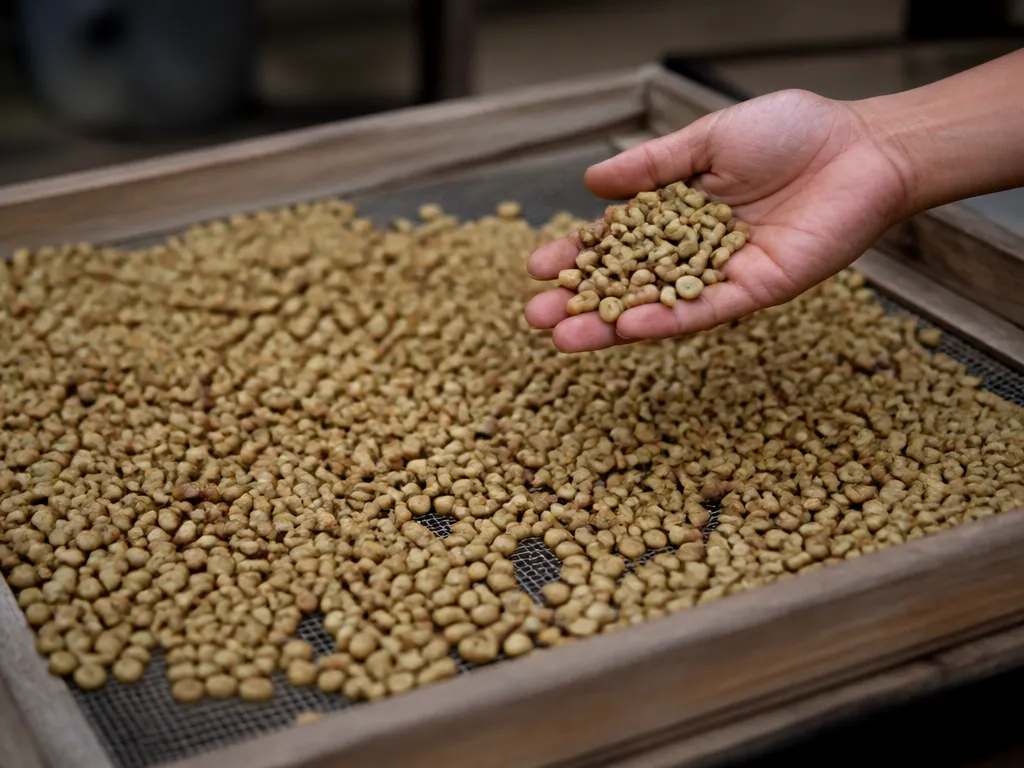
Processing and drying methods also affect bean density and roast development. If beans retain higher moisture at the wrong stage, they may roast unevenly. Uneven roasting can create off-flavors early, leaving fewer desirable aromas to balance the effects of later oxidation.
Roast level forms another link between production and oxidation. Darker roasts reach their internal chemistry faster and often retain different amounts of volatile compounds than lighter roasts. A dark roast may seem stable at first because some delicate aromatics have already been lost, but it can still oxidize and develop harsh or papery flavors over time.
Buy according to how quickly you drink coffee, not only whether you prefer light or dark roast. If you brew daily and finish a bag quickly, roast-level differences matter less than oxygen exposure. If you stock up and use a bag over several weeks, choose the freshest roast date you can reasonably manage.
Storage Steps That Reduce Oxidation
Control oxygen, moisture, and temperature from roast day onward. The daily details matter: how often you open the bag, how much air remains in the container, and whether you store the beans near a heat source.
A well-sealed container is better than leaving beans in a vented bag after opening it. Avoid moisture swings as well. Do not store beans in the fridge or freezer unless your routine prevents repeated thawing, condensation, and resealing problems.
- Buy smaller bags so you finish the beans before oxidation becomes noticeable.
- Store whole beans sealed in a cool, dry cabinet away from the stove.
- Keep air exposure short whenever you open the package.
- Pour beans out and reseal quickly. Do not leave scoops sitting on the counter.
- Grind only what you need because grinding increases the surface area exposed to oxygen.
- Keep brew water fresh and avoid stale water sources that add off-flavors on top of oxidation.
Oxidation control continues into brewing. If a bag is no longer perfectly fresh, brewing slightly hotter within the manufacturer’s guidance and keeping the dose and grind size consistent can help you extract the remaining desirable aromatics before they fade further.
Arabica, Robusta, and Oxidation
Coffee is not a single plant. The two most commonly grown coffee types are C. arabica and C. robusta, and they can age differently in the cup. Their chemical differences create different aromatic profiles, which can change how oxidation is perceived.
Arabica often has more perceived sweetness and complex aromatics, so losing its top notes can feel like a larger drop in quality. Robusta is typically higher in components associated with stronger, more bitter, and sometimes earthier flavors. Oxidation may therefore appear as a different shift, such as a move toward harsher notes.
Neither species is immune to staling. If one origin or blend stays enjoyable longer than another, species and processing may play a role, but oxygen exposure remains the dominant storage factor after roasting.
How Poor Storage Adds to Flavor Degradation
Pests and poor storage hygiene can damage flavor in more ways than contamination. They can damage bean structure or introduce musty compounds that combine with oxidized flavors, making stale coffee taste harsher.
At home, the greater risk is often inconsistent sealing after purchase. Beans stored in a pantry without a reliable seal can absorb surrounding odors. Those odors are not the same as oxidation, but they layer onto it and can create the single impression that the coffee has gone bad.
During production and distribution, heat, moisture, and dirty handling can also reduce stability. These conditions may allow oxidation and other flavor changes to begin earlier than expected. A bag can therefore decline faster even when its roast date looks acceptable.
Store beans in a clean, sealed container, and avoid coffee that ships in a way that leaves it exposed to long warm periods. If beans smell dull as soon as you open the bag, storage or handling problems may have started before purchase.
Oxidation Compounds, Aroma, and Waste
Oxidation changes more than the flavor in your cup. As roasted coffee reacts with oxygen, it forms different volatile compounds and odors. In larger settings such as workplaces and transport environments, those volatile chemicals can also affect surrounding air quality.
For home drinkers, the clearest sign is an off aroma. Oxygen-driven changes can produce stale, cardboard-like, or flat notes. Those same chemical shifts reduce the flavor and fragrance you notice when brewing.
The environmental effect of discarded coffee depends more on how the grounds are handled than on oxidation itself. Grounds can still be composted in many systems, but mixing them with large amounts of milk, sugar, or flavored syrups changes how they behave in compost.
Coffee Oxidation Myths and Misunderstandings
Myth: “Fridge storage always preserves coffee.” The fridge can harm beans through humidity and temperature cycling. Coffee readily absorbs moisture and odors, and refrigerators contain both. If you refrigerate coffee, minimize opening, condensation, and handling, then reseal it quickly.
Myth: “Freezing ruins flavor forever.” Freezing can preserve coffee when the beans stay dry and sealed and you avoid repeated thawing and refreezing. The main failure occurs when moisture enters the package and condenses as the beans warm. A careless routine can backfire, while a careful one can reduce oxygen contact and slow oxidation.
Myth: “Date labels are enough.” The roast date is a useful starting point, but oxygen exposure after opening matters just as much. A coffee roasted two weeks ago and kept in a sealed valve bag can outlast an older bag that has been opened repeatedly and stored poorly.
Myth: “Grinding is the main reason coffee stales.” Grinding greatly accelerates oxidation because it increases surface area, but storage conditions still matter. Freshly ground coffee brewed immediately has less time to lose aroma. Beans already oxidizing in storage will decline even faster once ground.
FAQ
How long do coffee beans last before oxidation makes them taste stale?
Most people notice a clear drop in aroma after a bag has been opened and exposed to air for days to weeks, depending on storage. Whole beans usually hold up longer than ground coffee because oxidation reaches less surface area.
Should I store coffee beans in the fridge or freezer to prevent oxidation?
Fridge or freezer storage can slow oxidation if the beans stay sealed and dry. The risk comes from moisture, odor absorption, and frequent temperature cycling. If you cannot reseal the package quickly and handle it minimally, keep the beans in a cool, dry pantry instead.
Does grinding coffee increase oxidation faster?
Yes. Grinding exposes more bean surface to oxygen, which speeds oxidation. Grind immediately before brewing and use the grounds quickly to limit the time oxidation has to change the aroma compounds.
What is the best way to store opened coffee to slow oxidation?
Use an airtight container and limit the time the beans sit exposed during transfers. Reseal the container immediately after pouring, keep it away from heat and sunlight, and store it in a cool, dry cabinet.
Why does my coffee taste stale even when it is within the roast date?
The roast date does not control oxidation after you open the bag. Heat, humidity, and repeated air exposure can degrade flavor faster, while poor storage can add off-odors that blend with oxidized notes. Check how often you open the bag, how quickly you reseal it, and where you store it.

- How to Fix a Portafilter: Size, Locking Mechanism, and Troubleshooting Guide - October 22, 2026
- 35 Coffee Machine Parts and Functions: Complete Guide With Names and Uses - October 22, 2026
- 25 Espresso Machine Parts Names and Their Functions Explained - October 22, 2026