
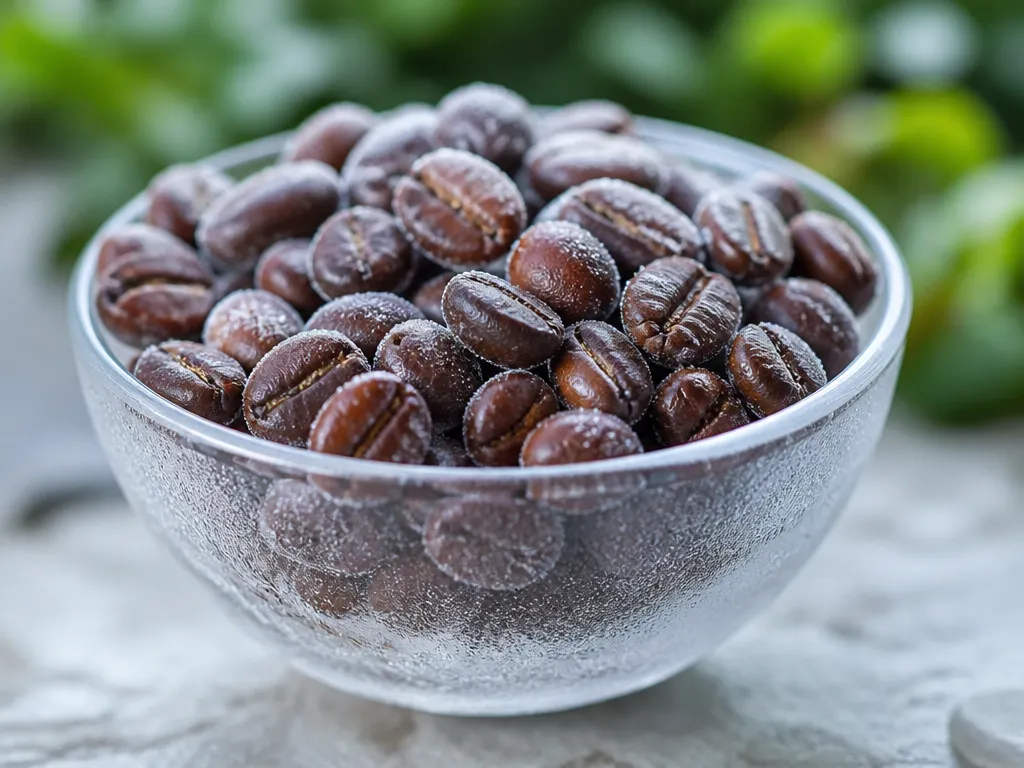
Freezing coffee beans can extend their fresh flavor from days to weeks, but only if you protect them from moisture, air, and repeated thawing. Freezing itself does not ruin coffee. The real damage comes from opening and warming the same bag over and over, which encourages condensation and speeds up staling.
Cold temperatures slow the chemical reactions that make coffee stale, while airtight packaging blocks moisture and freezer odors. Portion the beans before freezing so you thaw only what you will use within days. Keep each portion sealed as it warms to room temperature, then open and grind it.
Key Takeaways
- Yes, freezing works. Cold temperatures slow staling reactions and help preserve flavor longer.
- Moisture is the enemy. Air and humidity cause flavor loss and freezer burn faster than cold temperatures do.
- Portion first. Smaller batches prevent repeated freeze-thaw cycles.
- Keep beans airtight. A tight seal blocks moisture transfer and odor absorption.
- Thaw sealed, then grind. Let beans warm inside the package to reduce condensation.
- Expect a time limit. Frozen beans are best within a few weeks, then gradually lose quality.
Can You Freeze Coffee Beans Without Flavor Loss?
Coffee is porous enough to absorb freezer odors, while water vapor can dull its aroma. Treat freezing as long-term storage rather than a way to repeatedly sample the same bag. Each time you open and warm the beans, the risk of condensation increases, and flavor loss can accelerate. If you drink coffee daily, freeze enough beans for a week or two at a time so you rarely open the freezer bag.
How Freezing Coffee Beans Affects Freshness
Freezing slows the reactions that create stale flavors, so coffee stays usable much longer than it does on the counter. Roast freshness declines mainly through oxidation and natural aroma changes, and lower temperatures slow both processes. A properly frozen bag therefore stays closer to its fresh-roast flavor than a bag left at room temperature.
The trade-off is that frozen beans become more dependent on good packaging and careful handling. If you freeze one large bag and keep dipping into it, air and moisture move in and out whenever the bag warms and cools. Over time, the coffee may develop a flatter aroma, weaker chocolatey or fruity notes, or a papery stale taste.
Freezing helps most when the roast date is recent and you need to hold the beans beyond your usual brewing window. If you buy a small bag and finish it within a week or two, freezing adds little value. If the bag would sit for a month, freezing can make the difference between coffee that still tastes good and coffee that tastes dull.
Best Way to Freeze Coffee Beans for Later
The most reliable method is to portion the beans into single-use amounts, seal them airtight, and thaw each portion while it remains sealed. The weekly grind approach works well because it matches how people brew and limits exposure to air and temperature swings.
- Portion the beans into amounts you will use within about 1-2 weeks.
- Seal each portion airtight in a freezer bag with as much air removed as possible, or use a proper freezer container.
- Freeze the portions immediately, ideally away from foods that release strong odors.
- When you need a portion, keep it sealed while it warms for several hours.
- Open the package only after the beans have fully warmed, then grind them right away.
Label each portion with the roast date or at least the freeze date so you can use the oldest portion first. Do not quick-thaw coffee by opening the bag in a warm kitchen. Condensation is one of the main reasons frozen coffee starts tasting stale or muted.
Whole Bean Versus Ground Coffee Freezing
Whole beans freeze better than ground coffee because they expose less surface area to air. Grinding allows aroma to escape faster and gives oxidation more opportunity to dull the flavor. Ground coffee therefore starts losing freshness quickly, even in cold storage.
When buying coffee for later, choose whole beans and freeze them unground. That timing helps preserve aroma and flavor clarity.
You can still freeze ground coffee if you already have it. Use airtight packaging and divide it into small portions, but expect more quality loss than you would with whole beans. Use each portion soon after thawing rather than leaving it open on the counter.
What Storage Container Prevents Freezer Burn?
A tightly sealed freezer bag works, but a well-sealed rigid container offers extra protection from moisture and odors. Freezer burn occurs when air reaches the coffee, causing dehydration and oxidation that can taste harsh or papery. Reducing air exchange and blocking moisture are the practical fixes.
Choose bags or containers made for freezer use with strong seals. If you use freezer bags, press out as much air as possible before sealing. If you use a rigid container, check that the lid locks securely and the seal is intact, with no wobble or gaps.
Store coffee in the back of the freezer rather than in the door. The back usually has steadier temperatures, while the door experiences more temperature changes each time it opens. Stable storage reduces the chance of condensation during handling.
| Storage Option | Key Spec to Aim For | Best For | Main Risk if You Don’t Seal Well |
|---|---|---|---|
| Airtight freezer bags | Air removed + freezer-rated seal | Portion freezing | Moisture and odor pickup |
| Sealed rigid container | Tight lid with gasket | Longer holding, repeated use | Slow dehydration, stale taste |
| Unsealed or loosely sealed bags | None (avoid) | Do not use | Fast freezer burn and aroma loss |
How Long Can You Keep Frozen Coffee Beans?
Frozen beans keep their quality longer than beans stored on the counter, but they do not retain peak flavor forever. Even in good packaging, aromas gradually migrate and oxidation continues slowly at cold temperatures. Roast level, packaging quality, and how often you open the freezer all affect the rate of decline.
A practical rule is to buy or roast with a finish date in mind, then freeze the beans to cover the gap. Many people notice the largest quality drop after the first several weeks, followed by a gradual loss of flavor. Rotate your frozen portions and use the oldest first.
Why Frozen Beans Taste Off
An off taste usually comes from a packaging leak, condensation during thawing, or storing the beans unfrozen for too long after thawing. Smell and timing can help identify the cause. A stale or papery smell soon after grinding points to moisture exposure or freezer burn. A muted flavor without harshness may indicate odor absorption or long storage.
If a batch already tastes bad, use it where stronger flavors are less noticeable rather than expecting premium results. Milk-based espresso drinks or cold brew can soften the effect of stale notes through extraction and dilution. To test your method, brew a fresh portion from the next frozen bag immediately after thawing and compare the cups side by side. The difference will show whether the problem came from the freezing process or from that particular batch.
FAQ
Can I freeze coffee beans without ruining the flavor?
Yes. Freezing preserves flavor best when the beans are protected from repeated thawing and humidity exposure.
How long can frozen coffee beans stay good?
Frozen beans keep longer than beans stored at room temperature, but their flavor gradually declines. With airtight packaging and portion control, aim to use frozen portions within a few weeks for the best experience. After that, expect increasing staleness, especially if the packaging is not truly airtight.
Is it better to freeze whole beans or ground coffee?
Whole beans are better because they expose less surface area to air and moisture. Ground coffee loses aroma faster, even when stored cold, so freezing it usually produces a more noticeable decline in quality.
What’s the best container to prevent freezer burn?
Use freezer-rated airtight bags or a rigid container with a tight lid. The goal is to keep air from contacting the beans, since freezer burn results from dehydration caused by air exposure. Store the coffee in the back of the freezer, where temperatures are more stable.
Why do my frozen beans taste off, and what can I do?
Condensation from thawing an unsealed package and air leaks from weak seals are the most common causes. If the flavor is only slightly muted, use the coffee in milk-based drinks or cold brew while you improve the packaging and portioning.

- How to Fix a Portafilter: Size, Locking Mechanism, and Troubleshooting Guide - October 22, 2026
- 35 Coffee Machine Parts and Functions: Complete Guide With Names and Uses - October 22, 2026
- 25 Espresso Machine Parts Names and Their Functions Explained - October 22, 2026