
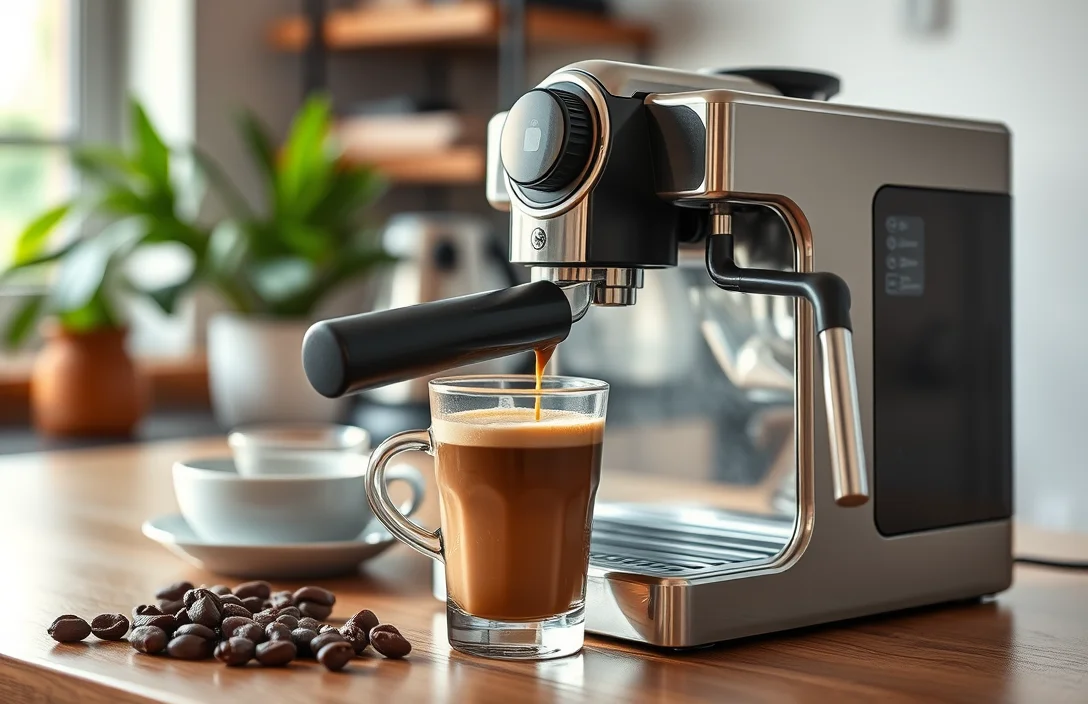
Espresso made with a coffee maker can deliver quality comparable to a café, with over 60% of espresso drinkers preferring it over brewed coffee. Understanding the nuances of this brewing method can elevate your coffee experience at home.
Mastering espresso with a coffee maker involves choosing the right machine, using fresh coffee beans, and adjusting grind size for optimal extraction. With these elements, you can create rich, flavorful espresso effortlessly.
Understanding Types of Coffee Makers
Espresso-capable machines produce high-pressure extraction. Focus on three practical categories: pump-driven espresso machines (best for crema and shot control), stovetop moka pots (concentrated, not true espresso but bold), and pod/capsule espresso systems (consistent, limited control). Avoid steam-only coffee makers for real espresso. Pick pump-driven for crema, moka for bold concentrate, or capsules for convenience.
Pump-driven units require 9-bar minimum pressure and a stable temperature control (PID preferred) for true espresso extraction. Aim for a machine with a 58mm or commercial-style portafilter, pressure gauge, and either a heat-exchange or dual boiler if you want milk steaming alongside shots. Match the machine to a quality burr grinder; even the best machine underperforms with poor grind consistency. Budget models work, but for barista-quality shots allocate at least $300–$700.
Differentiating Espresso from Coffee
Espresso differs significantly from regular coffee in its brewing method. While traditional coffee uses gravity to extract flavors, espresso relies on high pressure. This technique forces hot water through finely-ground coffee beans, resulting in a concentrated shot with rich flavors and a creamy texture. Understanding this fundamental difference sets the stage for brewing espresso at home.
Flavor intensity varies greatly between these two beverages. Espresso delivers a robust taste, often described as bold and complex, while regular coffee tends to be milder and more diluted. This concentrated brew showcases the unique characteristics of the coffee beans used, making each shot distinct and flavorful.
Brewing time plays a crucial role in their distinction. Espresso typically brews in 25-30 seconds, while regular coffee can take several minutes to brew. This rapid extraction process contributes to espresso’s unique taste and texture, emphasizing the importance of timing when making this drink.
Texture also sets espresso apart. The high-pressure brewing creates a thick crema, a golden frothy layer on top of the shot, which enhances the overall experience. Regular coffee lacks this creamy layer, resulting in a different mouthfeel and presentation.
Grind size is another critical factor. Espresso requires a finer grind compared to the coarser grind used for regular coffee. This fine grind allows for the optimal extraction of flavors under pressure, making it essential for achieving barista-quality shots at home.
Steps to Brew Espresso at Home
Machine: heat to 195–205°F before brewing and run a 20–40 ml flush to stabilize brew temperature and clear stale water. Allow at least 10–20 minutes for full warm-up on home espresso-capable machines, longer for larger boilers; reserve the last flush to prime stable hot water through the group head and shower screen.
Portafilter must be hot and dry before dosing because cold metal chills the puck and weakens crema; warm it by locking in place during preheat. For espresso with coffee maker configurations, wait 5–10 seconds after the flush before starting your shot to ensure temperature stability and consistent extraction pressure.
Grinding Coffee Beans for Espresso
Grind size significantly impacts espresso quality. For optimal extraction, aim for a fine grind. This consistency allows water to flow through the coffee evenly, producing rich flavors and a creamy texture. Adjusting the grind can also help balance acidity and bitterness, tailoring the espresso to your taste preference.
Specialized grinders provide the best results. Burr grinders are preferred over blade grinders because they create uniform particles. Uniformity ensures that each coffee particle extracts evenly during brewing, enhancing the overall flavor profile. Investing in a good grinder is crucial for achieving barista-quality espresso at home.
Testing various grind settings is essential. Start with a medium-fine grind and adjust based on taste. If the espresso tastes bitter, try coarsening the grind slightly. Conversely, if it’s sour, a finer grind may be necessary. Experimentation helps you find the perfect balance for your preferred flavor.
Timing plays a key role in grinding. Grind coffee beans just before brewing to preserve freshness and flavor. Exposure to air causes coffee to lose its aromatic compounds quickly, diminishing the espresso’s quality. Freshly ground coffee yields the best results, so make it a habit before each brewing session.
Maintaining Ideal Water Temperature and Quality
Optimal water temperature significantly influences espresso extraction. Aim for a range between 195°F and 205°F (90°C to 96°C) for best results. Water outside this range can lead to under-extraction or over-extraction, impacting flavor and crema quality. Invest in a thermometer if your coffee maker lacks temperature control features.
Quality water enhances the taste of espresso. Using filtered water removes impurities and unwanted minerals that can alter flavor profiles. Avoid distilled or softened water, as they can strip essential minerals. Aim for water that has a balanced mineral content for optimal brewing.
Regularly clean your coffee maker to maintain water quality. Mineral buildup can affect both temperature consistency and taste. Follow the manufacturer’s instructions for descaling, using a solution appropriate for your model. Cleaning every few months will ensure your espresso remains flavorful and consistent.
Techniques for Frothing Milk
Frothing milk enhances espresso drinks, creating a creamy texture and rich flavor. Start by pouring cold milk into a frothing pitcher, filling it no more than halfway. Using whole milk generally yields the best results due to its fat content, which creates a velvety microfoam.
Apply steam wands directly into the milk, ensuring the tip is just below the surface. Turn on the steam, allowing air to incorporate into the milk, creating bubbles. Adjust the angle of the pitcher to create a whirlpool effect, promoting even frothing.
Monitor temperature closely, stopping when the milk reaches about 150°F. Overheating can scorch the milk, resulting in off-flavors. After steaming, gently tap the pitcher on a counter to break any larger bubbles and swirl the milk for a uniform texture.
Pour the frothed milk over your espresso, letting it cascade to create latte art if desired. Mastering this technique takes practice; experiment with different milk types and steaming methods to find what works best for your tastes.
Cleaning and Maintaining Your Coffee Maker
Regular cleaning ensures optimal espresso flavor. Start by emptying the coffee grounds and rinsing the brew basket. Accumulated oils and residues can affect taste, so a thorough rinse is crucial after each use. Also, consider running a water-only cycle occasionally to clean internal components without any coffee grounds.
White vinegar serves as an effective natural cleaner. Mix a solution of equal parts water and vinegar, and run it through the coffee maker. This solution helps dissolve mineral buildup, enhancing performance. After the cycle, run two or three cycles with fresh water to remove any vinegar residue.
Routine descaling prevents mineral buildup from hard water. Descale your machine every three months or as recommended by the manufacturer. Using descaling solutions specifically designed for coffee makers can prolong the life of your equipment and maintain the quality of your beverages.
Inspect seals and gaskets regularly for wear. Damaged seals can lead to leaks or improper brewing temperatures, affecting the espresso quality. Replace any damaged parts promptly to maintain the efficiency of your coffee maker.
Cleaning the exterior also matters. Wipe down surfaces with a damp cloth to keep your coffee maker looking new and prevent any buildup of grime. Regular maintenance not only extends the lifespan of your equipment but also enhances your brewing experience.
Avoiding Common Brewing Mistakes
Timing plays a crucial role during espresso preparation. Over-extraction occurs when the brew time exceeds 30 seconds, resulting in bitterness. Aim for a precise extraction window of 25 to 30 seconds to achieve optimal flavor. Using a timer can help ensure consistency with each shot.
Grind size significantly impacts espresso quality. Too coarse can lead to under-extraction, while too fine can cause over-extraction. For best results, experiment with a medium-fine grind that allows water to flow evenly through the coffee grounds. Adjusting grind size based on taste can enhance your brewing experience.
Water temperature affects extraction efficiency. Brewing with water that is too hot can scorch the coffee, while too cool water fails to extract the full flavor. Aim for a temperature range of 195°F to 205°F for ideal brewing conditions. Investing in a thermometer ensures consistent results.
Freshness is vital for great espresso. Older beans lose essential oils and flavor compounds, resulting in a stale taste. Purchase whole beans and grind them just before brewing to preserve freshness. Store beans in an airtight container away from light and heat to maintain their quality.
Pressure consistency ensures a balanced extraction. Inconsistent pressure can lead to uneven flavor profiles. Ensure your coffee maker maintains a steady 9 bars of pressure, which is the standard for espresso brewing. Regular maintenance of your machine can help achieve this necessary consistency.
Quick Summary
- Espresso can be made at home using a coffee maker designed for espresso.
- Many coffee makers offer a built-in steam wand for frothing milk, essential for lattes and cappuccinos.
- Understanding grind size and coffee-to-water ratio is crucial for making quality espresso.
- Regular maintenance of the coffee maker ensures optimal performance and flavor.
- Experimenting with different coffee beans can enhance the espresso experience.
- Investing in a quality coffee maker can improve your home coffee experience significantly.
- Knowledge of brewing time and pressure helps achieve the perfect espresso shot.
Frequently Asked Questions
Can I make espresso with a regular coffee maker?
No, a regular coffee maker is not designed to brew espresso. Espresso requires high pressure to extract flavors from finely ground coffee, which standard drip coffee makers cannot achieve.
What type of coffee should I use for making espresso?
For espresso, it is best to use a fine grind coffee that is specifically labeled for espresso. Look for beans that have a rich flavor profile, as they will yield a better extraction and crema.
How much coffee do I need for one shot of espresso?
A standard shot of espresso typically requires about 7-9 grams of ground coffee. Adjustments can be made based on personal taste and the strength desired.
Do I need any special equipment to brew espresso?
Yes, to brew authentic espresso, you will need an espresso machine or a stovetop espresso maker (Moka pot). These devices are designed to create the pressure needed for espresso extraction.
What is the ideal water temperature for brewing espresso?
The ideal water temperature for brewing espresso is between 190°F to 205°F (88°C to 96°C). This temperature range ensures optimal extraction without scorching the coffee grounds.

- How to Fix a Portafilter: Size, Locking Mechanism, and Troubleshooting Guide - October 22, 2026
- 35 Coffee Machine Parts and Functions: Complete Guide With Names and Uses - October 22, 2026
- 25 Espresso Machine Parts Names and Their Functions Explained - October 22, 2026