
Mastering coffee brewing step by step for beginners involves grinding fresh beans, using quality water, and choosing a simple brew method.
Embarking on the journey of crafting the perfect cup of coffee at home might seem daunting, but with a clear, structured guide, anyone can achieve barista-level results. As someone who has spent years exploring the nuances of coffee, from bean origin to ideal water temperature, I understand the desire to move beyond instant coffee and truly savor the ritual. This comprehensive article is designed to demystify the coffee brewing step by step for beginners, providing you with the essential knowledge, practical techniques, and personal insights needed to consistently brew delicious coffee. We’ll break down each critical stage, ensuring you gain the confidence and expertise to transform your daily coffee experience into a delightful one.

Source: showcaseidx.com
The Foundation of Flavor: Understanding Your Coffee Basics
Before diving into the mechanics of coffee brewing step by step for beginners, it’s crucial to grasp the fundamental components that dictate your final cup’s taste. The quality of your ingredients and how they are handled profoundly impacts the flavor profile. Think of it like baking: you wouldn’t expect a gourmet cake from poor ingredients.
- Coffee Beans: The journey starts here. Freshly roasted, high-quality beans are paramount. Whether you prefer light, medium, or dark roasts, ensure they are whole bean and recently roasted (ideally within a few weeks). Whole beans preserve their volatile aromatics and flavors far better than pre-ground coffee. I once made the mistake of buying a large bag of pre-ground coffee only to find its vibrancy faded quickly; now, I always advocate for whole beans.
- Grind Size: This is perhaps the most critical yet often overlooked aspect for beginners. The grind size determines how much surface area of the coffee comes into contact with water, directly affecting extraction. Too fine, and your coffee will be over-extracted and bitter; too coarse, and it will be under-extracted and weak. For most beginner-friendly methods, a medium-coarse to medium grind is a good starting point for coffee brewing step by step for beginners.
- Water Quality: Coffee is over 98% water, so its quality cannot be overstated. Tap water often contains chlorine or mineral impurities that can negatively affect flavor. Filtered water, free from strong odors or tastes, is ideal. Avoid distilled water, as it lacks the minerals necessary for proper extraction.
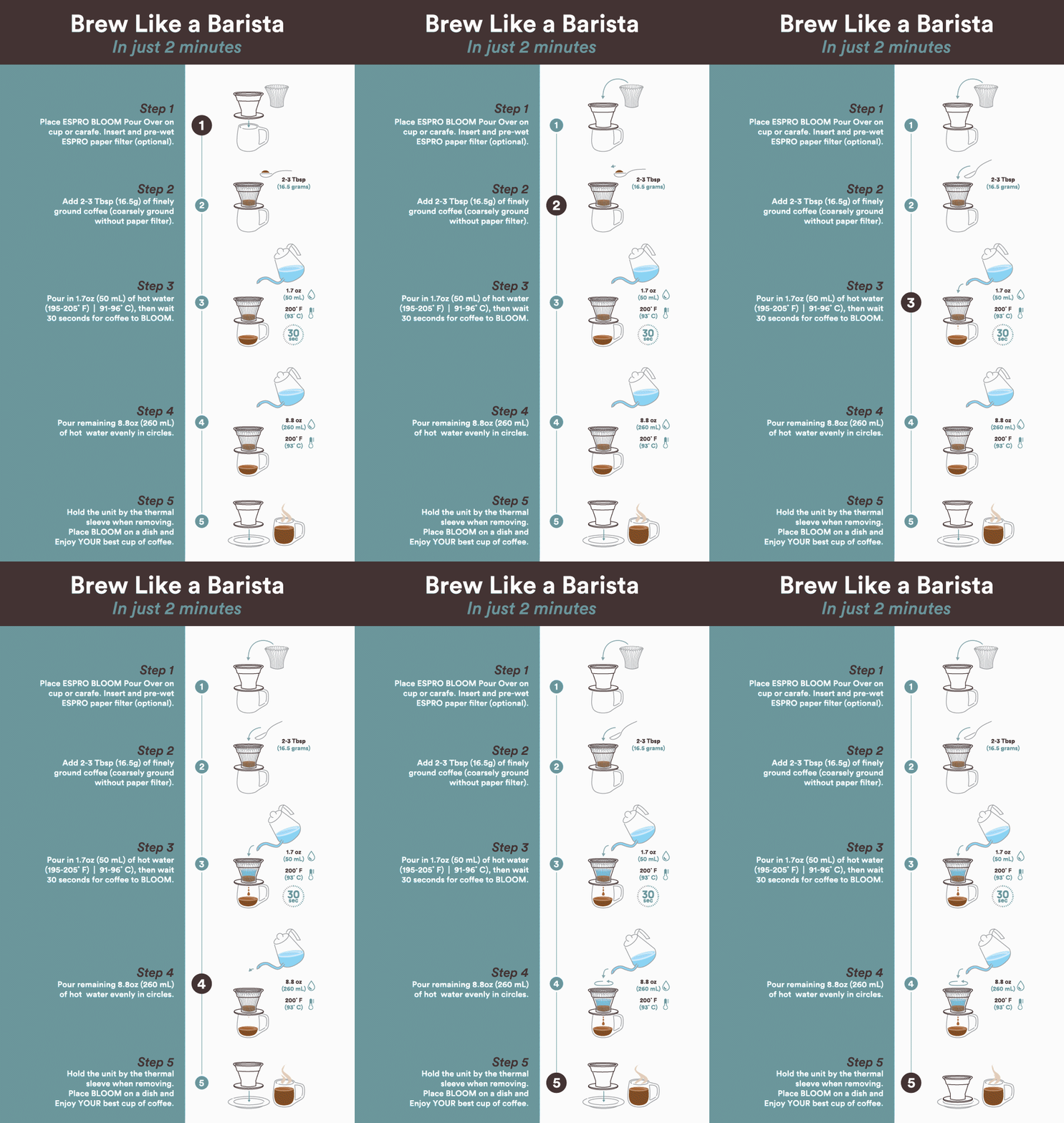
- Water Temperature: The sweet spot for brewing is typically between 195°F and 205°F (90°C and 96°C). Water that’s too hot can scorch the coffee, leading to bitterness, while water that’s too cold results in under-extraction and a flat taste. A simple kettle with temperature control can be a game-changer for consistency when following the coffee brewing step by step for beginners.
Source: espro.com
Essential Gear for Your Beginner Coffee Brewing Setup
Equipping yourself with the right tools doesn’t mean breaking the bank; it means investing wisely in items that will elevate your coffee brewing step by step for beginners. You don’t need every gadget on the market, but a few key pieces are indispensable.
- Coffee Grinder: A good grinder is non-negotiable for anyone serious about quality coffee. A burr grinder (either manual or electric) is superior to a blade grinder because it grinds coffee uniformly, which is crucial for even extraction. Blade grinders chop beans inconsistently, leading to both over-extracted and under-extracted particles. My first burr grinder, though simple, dramatically improved my coffee, making me wonder how I ever lived without it.
- Weighing Scale: Precision is key in coffee brewing. Using a kitchen scale to measure both coffee beans and water by weight (grams are preferred) ensures consistency. Volume measurements (like scoops) can be inaccurate due to varying bean densities.
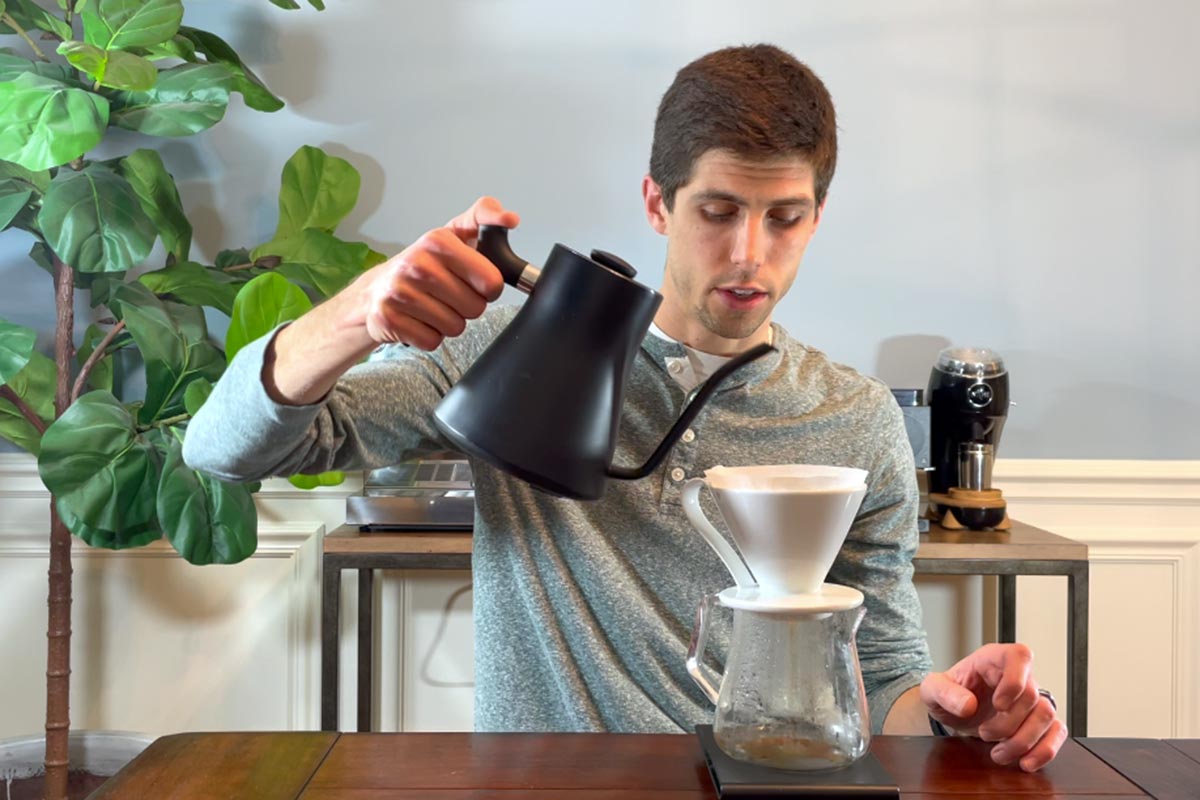
- Kettle: For methods like pour-over, a gooseneck kettle offers precise control over water flow, which is vital for even saturation. For drip machines or French press, a standard electric kettle is perfectly fine, ideally one with temperature settings.
- Brewing Device: There are many options, but for beginners, simplicity and consistency are key.
- French Press: Known for its full-bodied, rich coffee. It’s forgiving and requires minimal technique.
- Drip Coffee Maker: Convenient and consistent, perfect for those who want a simple, hands-off approach. Look for models with a showerhead-style water dispenser for better saturation.
- Pour Over (e.g., Hario V60, Chemex): Offers a clean, nuanced cup but has a slightly steeper learning curve regarding technique. It’s incredibly rewarding once mastered.

Source: captainandstoker.com
Mastering the Coffee Brewing Step by Step for Beginners: A Universal Guide
While specific brewing methods have their nuances, the core principles of coffee brewing step by step for beginners remain consistent. This sequence forms the backbone of any successful brew.
- Measure Your Ingredients Accurately: This is where your scale comes in. A common starting ratio is 1:15 or 1:16 (coffee to water). For example, if you’re using 20 grams of coffee, you’ll need 300-320 grams of water. This precision is fundamental for replicating great results.
- Grind Your Beans Freshly: Grind just before brewing to preserve flavor. Adjust your grinder to the appropriate size for your chosen brewing method. A medium grind works well for drip machines and pour-overs, while a coarser grind is best for French press.
- Heat Your Water to the Optimal Temperature: Aim for 195°F to 205°F (90°C to 96°C). If you don’t have a temperature-controlled kettle, boil water and then let it sit for about 30-60 seconds off the boil to reach the ideal range.
- Prepare Your Brewing Device: If using a paper filter, rinse it thoroughly with hot water. This removes any papery taste and preheats your brewing vessel, preventing the coffee from cooling down too quickly. This small step makes a significant difference in the final taste of your coffee.
- Add Ground Coffee to the Brewer: Place your freshly ground coffee into the filter or brewing chamber. Give it a gentle shake to level the bed of coffee.
- Begin the “Bloom” Phase (Crucial for Pour Over/French Press): If your method allows, pour a small amount of hot water (about twice the weight of your coffee) evenly over the grounds, just enough to saturate them. Let it sit for 30-45 seconds. This allows the coffee to “bloom” or degas, releasing trapped carbon dioxide and preparing the grounds for optimal extraction. Skipping the bloom can lead to uneven extraction and a less flavorful cup.
- Execute the Main Pour/Steep:
- For Pour Over: Slowly and steadily pour the remaining hot water in concentric circles, ensuring all grounds are evenly saturated. Maintain a consistent flow rate.
- For French Press: Pour the remaining water over the bloomed grounds, stir gently, and then let steep for 4-5 minutes.
- For Drip Machines: The machine handles this automatically.
- Serve and Enjoy: Once brewing is complete, remove the filter or press the plunger (for French Press). Pour your freshly brewed coffee into a preheated mug and savor the fruits of your labor.
Source: pullandpourcoffee.com
Troubleshooting Common Beginner Brewing Issues
Even with the best intentions and adherence to the coffee brewing step by step for beginners, you might encounter some common challenges. Understanding these issues and their solutions is part of the learning curve.
- “My coffee tastes too bitter.”
- Cause: Often, bitterness indicates over-extraction. This can happen if your grind is too fine, your water is too hot, or the brewing time is too long.
- Solution: Try making your grind slightly coarser, lowering your water temperature slightly, or reducing your brew time. For French press, reduce steeping time.
- “My coffee tastes weak or sour.”
- Cause: This usually points to under-extraction. The coffee hasn’t had enough contact with water, or the contact wasn’t effective. This could be due to a grind that’s too coarse, water that’s too cool, or insufficient brewing time.
- Solution: Try making your grind slightly finer, increasing your water temperature, or extending the brew time. Ensure all grounds are saturated during the bloom and main pour.
- “My coffee has a muddy or gritty texture.”
- Cause: Primarily an issue with French Press. Your grind might be too fine, allowing small particles to pass through the filter, or your filter itself might be faulty.
- Solution: Use a coarser grind for French Press. Ensure the plunger screen is clean and properly seated.
- “My pour over drips too slowly/quickly.”
- Cause: Flow rate is heavily influenced by grind size. Too slow indicates a grind that’s too fine, causing water to get trapped. Too fast indicates a grind that’s too coarse, allowing water to pass through too quickly.
- Solution: Adjust your grind size accordingly. Finer for too fast, coarser for too slow.
Embrace these troubleshooting steps as part of your journey in mastering coffee brewing step by step for beginners. Each “mistake” is an opportunity to learn and refine your technique.

Source: oxo.com
Elevating Your Brew: Advanced Tips for Better Coffee
Once you’ve nailed the basics of coffee brewing step by step for beginners, you might find yourself wanting to refine your craft further. These tips can help you push the boundaries of your home brewing.
- Experiment with Coffee-to-Water Ratios: While 1:15 or 1:16 is a great starting point, different beans and personal preferences might call for variations. A ratio of 1:14 will yield a stronger cup, while 1:17 will be lighter. Don’t be afraid to adjust slightly to find your perfect balance.
- Explore Single Origin Beans: As you gain confidence, venture into the world of single-origin coffees. These beans, sourced from a specific region or farm, often boast distinct flavor notes (fruity, floral, chocolatey) that can be incredibly rewarding to discover.
- Consider Water Filtration: While tap water filtered through a basic pitcher is a good start, specialized water filters designed for coffee brewing can further optimize your water chemistry, enhancing clarity and flavor. Some seasoned brewers even customize their water with mineral additives.
- Regularly Clean Your Equipment: Coffee oils can build up over time, leading to rancidity and off-flavors. Disassemble and clean your grinder, brewing device, and kettle regularly according to manufacturer instructions. A clean setup is essential for consistently delicious coffee.
- Store Beans Properly: Keep your whole coffee beans in an airtight container, away from light, heat, and moisture. Avoid storing them in the refrigerator or freezer for daily use, as temperature fluctuations can introduce moisture and degrade flavor. A cool, dark pantry is ideal.

Source: ratiocoffee.com
Frequently Asked Questions of coffee brewing step by step for beginners
What is the ideal coffee-to-water ratio for beginners?
A great starting point for beginners is a 1:15 or 1:16 ratio, meaning 1 gram of coffee for every 15 or 16 grams of water. This balance often yields a pleasant and well-extracted cup.
How important is fresh coffee for brewing?
Freshness is paramount. Using freshly roasted and freshly ground whole beans ensures maximum flavor and aroma, as pre-ground coffee rapidly loses its volatile compounds and goes stale quickly.
What’s the best brewing method for someone just starting?
The French press or a simple automatic drip coffee maker are excellent choices for beginners. They are forgiving, relatively easy to use, and consistently produce a satisfying cup of coffee.
Should I rinse my paper filter before brewing?
Yes, always rinse your paper filter with hot water before adding coffee grounds. This removes any papery taste that could taint your coffee and also preheats your brewing vessel for better temperature stability.
How do I know if my coffee grind is correct?
If your coffee tastes bitter or brews too slowly, your grind is likely too fine. If it tastes weak, sour, or brews too quickly, your grind is probably too coarse. Adjust your grinder in small increments and taste the difference.
Conclusion
Embarking on the journey of home coffee brewing can transform your morning routine and elevate your appreciation for this beloved beverage. By understanding the critical role of quality beans, precise grinding, optimal water temperature, and mastering the coffee brewing step by step for beginners, you are well on your way to crafting consistently exceptional cups. Remember, each brew is an opportunity to learn and refine your technique, moving from a simple process to a delightful ritual. Don’t hesitate to experiment with different ratios, explore new bean origins, and embrace the subtle art of coffee making. For those eager to deepen their knowledge, continue researching different brewing methods or even consider joining a local coffee tasting workshop. The world of coffee is vast and rewarding, waiting for you to explore its depths, one perfectly brewed cup at a time.

- How to Fix a Portafilter: Size, Locking Mechanism, and Troubleshooting Guide - October 22, 2026
- 35 Coffee Machine Parts and Functions: Complete Guide With Names and Uses - October 22, 2026
- 25 Espresso Machine Parts Names and Their Functions Explained - October 22, 2026