
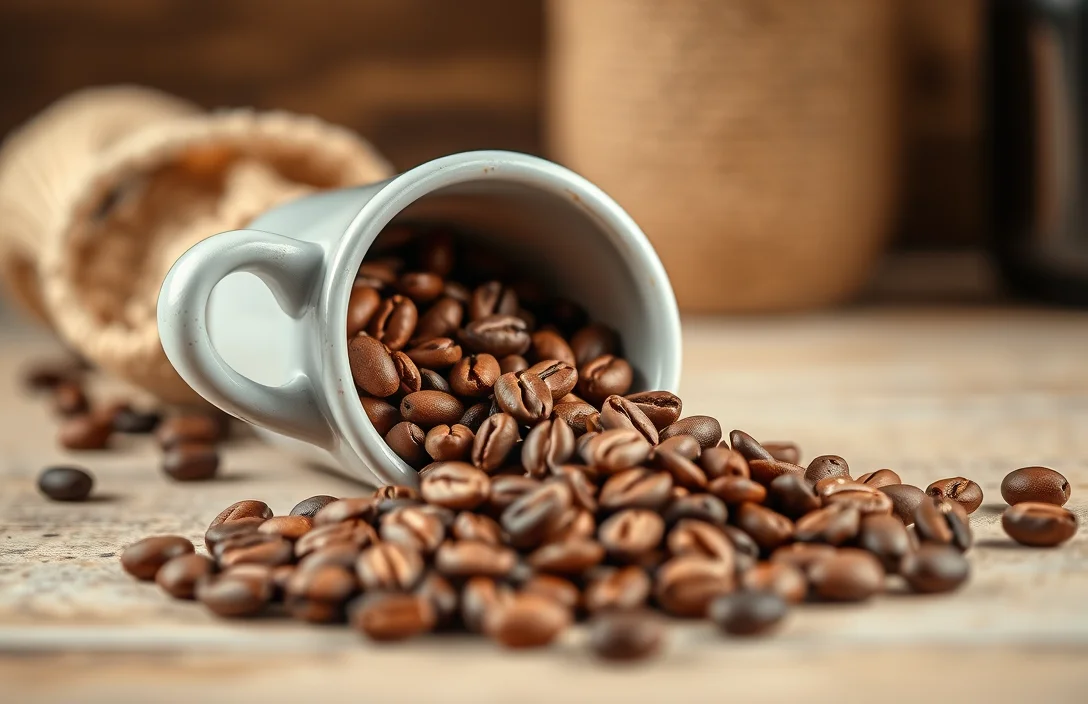
Freshly roasted beans can contain up to 2,000 different flavor compounds, while stale beans may lose as much as 50% of their aroma and taste within weeks. The difference in quality can significantly enhance your coffee experience.
Fresh roasted beans offer superior flavor, enhanced aroma, and better acidity, making them the preferred choice for coffee enthusiasts. Enjoying them within days of roasting maximizes these benefits.
Flavor Differences in Fresh Roasted Beans
Fresh roasted beans significantly enhance coffee flavor and complexity. As coffee ages, essential oils and aromatic compounds diminish, resulting in a flat taste. Understanding how freshness impacts your cup can elevate your brewing experience immensely.
- Flavor profiles are richer immediately after roasting. Beans develop a range of tasting notes, influenced by origin, processing methods, and roast levels. For instance, fruity or floral notes can be more pronounced in a freshly roasted Ethiopian coffee compared to older beans.
- Complexity increases within the first few days post-roast. As gases escape, flavors harmonize, offering a fuller taste. Experimenting with different roast dates can reveal the optimal time for your preferred flavor profile.
- Freshness enhances aroma, which is crucial for overall coffee enjoyment. Aromatic compounds play a significant role in taste perception. Focusing on fresh beans allows you to experience the true essence of the coffee.
- Storage practices also matter. Properly sealing fresh beans in an airtight container minimizes oxidation and preserves their unique characteristics. Investing in good storage will maintain flavor longevity.
Aroma and Freshness Connection
Roasting time significantly impacts aromatic qualities. Freshly roasted beans release a plethora of volatile compounds that contribute to their fragrance. As coffee roasts, chemical changes occur, enhancing the complexity and richness of the aroma. Each roast level brings out distinct notes, making timing crucial for achieving desired flavor profiles.
Beans roasted for a longer duration develop deeper, smokier scents, while shorter roasts maintain brighter, fruitier aromas. Optimal freshness occurs within days of roasting, as volatile compounds begin to dissipate. This means that the window for enjoying the full aromatic potential is limited, emphasizing the need for timely consumption.
Experts recommend consuming coffee within two weeks of roasting to experience the peak of freshness. After this period, the loss of aromatic compounds can lead to a duller flavor experience. Storing beans in an airtight container away from light and heat can help maintain their aromatic qualities longer. Prioritize freshness for a truly enriching coffee experience.
Health Benefits of Freshly Roasted Beans
Fresh coffee beans provide significant nutritional advantages. Roasting coffee enhances its antioxidant levels, which can help combat oxidative stress in the body. The freshness of roasted beans also means higher concentrations of beneficial compounds that contribute to overall health.
Caffeine levels in fresh beans can boost metabolism and improve mental alertness. Consuming fresh coffee may lead to better mood regulation and reduced risk of certain diseases. Key health benefits include:
- Enhanced metabolic rate due to caffeine.
- Rich in antioxidants that protect cells.
- Potential reduction in the risk of type 2 diabetes.
- Improved liver health with moderate consumption.
- Lowered risk of neurodegenerative diseases like Alzheimer’s.
Fresh roasted beans deliver not only superior flavor but also essential health benefits. Opting for freshly roasted can significantly impact your coffee experience and well-being, making them a better choice for health-conscious coffee lovers.
Optimal Storage for Fresh Roasted Beans
Fresh roasted beans require proper storage to maintain their unique flavors. Exposure to air, light, moisture, and heat can rapidly diminish taste and aroma. To ensure your beans stay fresh longer, follow these essential storage tips.
- Use airtight containers to minimize exposure to oxygen. Glass jars with rubber seals or specialized coffee canisters are excellent choices.
- Store in a cool, dark place away from direct sunlight. A pantry or cabinet works well; avoid keeping beans near heat sources like ovens.
- Keep beans whole until you’re ready to brew. Grinding increases surface area, leading to faster staling, so save that step for just before brewing.
- Avoid refrigerator storage, as moisture can compromise the beans. Instead, if you must store for longer than two weeks, consider freezing in small batches.
- Label the containers with roast dates. Knowing when your beans were roasted helps you prioritize freshness and ensures optimal flavor.
Maintaining the right environment for your fresh roasted beans directly impacts the quality of your coffee. Implementing these storage strategies will significantly enhance your brewing experience.
Brewing Methods for Maximizing Freshness
Maximizing the flavor of fresh roasted beans requires specific brewing techniques. Each method can enhance the unique characteristics of the beans. Experimenting with these techniques allows you to appreciate the full spectrum of flavors and aromas present in freshly roasted coffee.
- French press brewing extracts oils effectively. Coarse grounds steep in hot water, allowing maximum flavor extraction. Aim for a steep time of four minutes before pressing down the plunger to separate the grounds.
- Pour-over methods promote control over brewing variables. You can adjust water temperature, grind size, and pouring technique to highlight specific notes. Use a gooseneck kettle for precision in pouring.
- Aeropress offers versatility and consistency. By altering brew time and pressure, you can create different styles, from espresso-like shots to smooth cups. Experiment with various grind sizes for unique results.
- Cold brew captures subtle sweetness. Soak coarsely ground beans in cold water for 12 to 24 hours. This method reduces acidity while accentuating sweetness, resulting in a refreshing beverage.
- Espresso machines extract concentrated flavors quickly. Freshly ground beans yield a rich crema and intense taste. Ensure your machine is properly calibrated for optimal extraction.
Caffeine Levels in Fresh Roasted Coffee
Caffeine concentration in coffee is influenced by the roasting process. Lighter roasts generally retain more caffeine compared to darker roasts. As beans roast, chemical changes occur that can lead to a slight reduction in caffeine content. Understanding these differences can help you choose beans that meet your desired caffeine preferences.
- Lighter roasts contain more caffeine. These beans undergo less thermal degradation, preserving a higher caffeine level. If you want a stronger kick, opt for a light roast variety.
- Darker roasts have lower caffeine. As roasting time increases, caffeine degrades, resulting in slightly less caffeine in dark roasts. Keep this in mind if you prefer bold flavors over caffeine content.
- Roast time affects caffeine levels. Longer roasting times not only change flavor but also decrease caffeine concentration. Experiment with different roast levels to find your ideal balance.
- Brewing methods influence caffeine extraction. Techniques such as espresso or French press can yield varying caffeine levels even from the same beans. Adjust your brewing method to align with your caffeine needs.
- Freshness impacts flavor and caffeine. Freshly roasted beans provide optimal flavor and caffeine experience. Always prioritize purchasing beans that have been recently roasted.
Single Origin versus Blends Explained
Single origin coffees showcase specific regional flavors, allowing drinkers to appreciate unique characteristics from each coffee-growing area. Freshly roasted beans from a single source often deliver vibrant notes that reflect the soil, climate, and processing methods used in cultivation. This distinctiveness enhances the overall tasting experience, making it an appealing choice for coffee enthusiasts.
Blends combine beans from multiple origins, creating a balanced flavor profile. Roasters carefully select and blend different varieties to achieve consistency and complexity, smoothening out any harsh notes. Freshly roasted blends can offer a harmonious taste, ideal for those who enjoy a well-rounded cup without the pronounced traits of a single origin.
| Type | Flavor Profile | Freshness Impact |
|---|---|---|
| Single Origin | Unique, vibrant, specific | Highly impactful, showcases terroir |
| Blends | Balanced, smooth, consistent | Moderately impactful, achieves harmony |
Choosing between single origin and blends ultimately depends on personal preference. Coffee lovers seeking adventure may favor single origins for their bold taste. Conversely, those who appreciate consistency might lean towards blends for their reliable flavor. Freshly roasted beans enhance both types, making your coffee experience richer and more enjoyable.
Quick Summary
- Freshly roasted beans retain more flavor and aroma compared to pre-packaged options.
- Roasting affects the bean’s chemical composition, enhancing its taste profile.
- Fresh beans have a shorter shelf life, typically best consumed within 2-4 weeks of roasting.
- Buying from local roasters often ensures a fresher product and supports small businesses.
- Freshly roasted beans can provide a more complex and enjoyable coffee experience.
- Storage conditions play a crucial role in maintaining the freshness of roasted beans.
- Personal preference varies; some may prefer the taste of older, aged beans for specific flavor notes.
Frequently Asked Questions
Are fresh roasted beans really better than pre-packaged ones?
Yes, fresh roasted beans offer superior flavor and aroma compared to pre-packaged coffee. The freshness helps preserve the natural oils and compounds that contribute to a rich and vibrant taste, which can diminish over time in older beans.
How long do fresh roasted beans stay fresh?
Fresh roasted beans are best consumed within 2 to 4 weeks after roasting. After this period, they start to lose their flavor and aroma due to oxidation, so it’s important to store them properly in an airtight container away from light and heat.
What is the best way to store fresh roasted beans?
To maintain the freshness of your roasted beans, store them in a cool, dark place in an airtight container. Avoid using clear glass containers, as light can degrade the quality of the beans over time.
How does the roasting process affect the flavor of coffee?
The roasting process brings out the unique flavors inherent in the coffee beans, with different roasting levels highlighting various taste profiles. Light roasts tend to have more acidity and fruity notes, while dark roasts are often richer and bolder with chocolate or smoky flavors.
Can I roast my own beans at home?
Absolutely! Roasting your own beans can be a fun and rewarding way to explore coffee flavors. There are various methods to roast beans at home, from using a popcorn maker to a dedicated home coffee roaster, allowing you to customize your roast to your taste preference.

- How to Fix a Portafilter: Size, Locking Mechanism, and Troubleshooting Guide - October 22, 2026
- 35 Coffee Machine Parts and Functions: Complete Guide With Names and Uses - October 22, 2026
- 25 Espresso Machine Parts Names and Their Functions Explained - October 22, 2026