
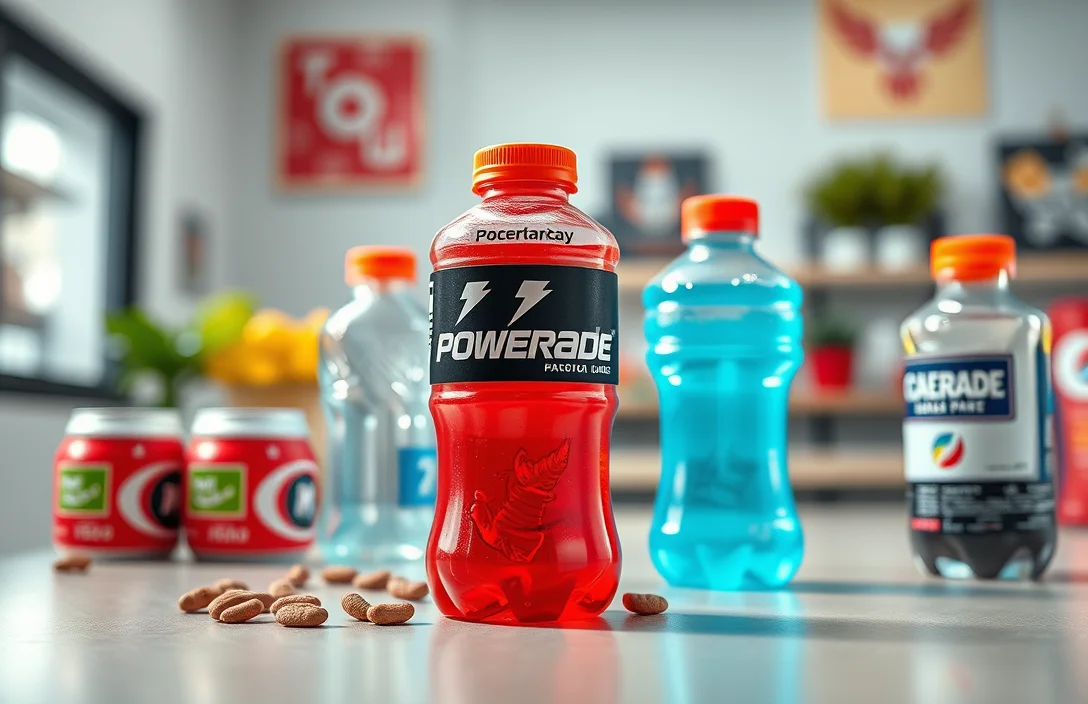
Powerade does not contain caffeine, making it a popular choice for hydration without the stimulating effects associated with caffeinated beverages. Many athletes and fitness enthusiasts prefer it for replenishing electrolytes without the added jitters or crashes that caffeine can cause during intense workouts.
Consumers should note that Powerade is caffeine-free, designed for hydration, and focuses on electrolytes like sodium and potassium. This makes it suitable for anyone looking to stay hydrated without the added stimulant effects of caffeine.
Powerade Ingredients Overview
Powerade contains a variety of ingredients designed to replenish electrolytes and provide hydration. Key components include water, high fructose corn syrup, and citric acid, which together create a refreshing beverage. Sodium and potassium are also included to help maintain electrolyte balance during physical activities.
Electrolytes play a crucial role in hydration. Sodium aids in fluid retention, while potassium helps in muscle function and recovery. These minerals are essential for athletes, especially during intense workouts or competitions. Furthermore, Powerade includes food colorings to enhance its visual appeal and flavoring agents that provide a variety of taste options.
Vitamins found in Powerade, such as B3 (niacin), B6, and B12, contribute to energy metabolism. These vitamins support the body’s ability to convert food into usable energy, making the drink beneficial for active individuals. Antioxidants are also present, which help combat oxidative stress during exercise.
Labeling varies by flavor, but the core ingredients remain consistent across options. Always check the nutritional label for specific ingredient details, especially if there are dietary restrictions or allergies to consider. Understanding the ingredients helps in making informed choices about hydration during sports and workouts.
Caffeine Content in Powerade
Powerade does not contain caffeine. This popular sports drink primarily focuses on hydration and replenishing electrolytes. Athletes typically choose it for its ability to restore lost minerals during intense workouts, not for an energy boost from caffeine.
Ingredients include water, electrolytes, and sugars, all designed to support hydration. While some beverages may enhance performance through caffeine, Powerade’s formulation steers clear of this stimulant altogether. This makes it a suitable option for those sensitive to caffeine or seeking alternatives.
Various flavors of Powerade maintain the same caffeine-free status. Users can enjoy different taste options without worrying about the effects of caffeine. Athletes often appreciate this when selecting their hydration strategies pre- and post-exercise.
Many competitors in the sports drink market include caffeine to enhance performance. However, Powerade distinguishes itself by focusing solely on hydration and recovery. This unique position may appeal to athletes who prefer to avoid stimulants while still effectively rehydrating.
Caffeine Benefits for Athletes
Caffeine enhances athletic performance significantly. Many athletes rely on this stimulant to improve endurance, reaction times, and overall performance. By consuming caffeine before an event, athletes can experience greater energy levels and reduced perception of effort during their training and competitions.
Research indicates several advantages to caffeine consumption for athletes. Key benefits include:
- Increased endurance, allowing athletes to sustain higher levels of activity for longer periods.
- Improved focus and concentration, which aids in executing strategies effectively during competitions.
- Reduced fatigue perception, enabling athletes to push through discomfort and maintain performance.
- Enhanced recovery, as caffeine may help in muscle repair post-exercise.
Incorporating caffeine strategically into training can lead to better results. Athletes should consider their individual tolerance levels and experiment with timing and dosage to maximize benefits without negative side effects.
Hydration Effects of Caffeine
Caffeine can impact hydration levels during sports. While it acts as a mild diuretic, recent studies show that moderate consumption doesn’t significantly lead to dehydration. Athletes should consider their total fluid intake, especially when consuming caffeinated beverages like Powerade, to maintain optimal hydration during activities.
Caffeine consumption may lead to increased urine output, but this effect varies among individuals. Tolerance plays a significant role; regular consumers may not experience the same diuretic effect as those who consume it infrequently. Athletes often benefit from knowing their own body’s response to caffeine, especially when planning hydration strategies.
Electrolytes in drinks like Powerade can counterbalance the potential dehydration effects of caffeine. By providing essential salts lost through sweat, these beverages support fluid retention and overall hydration. Opting for electrolyte-rich drinks can help athletes maintain performance levels, even when caffeine is included in their diet.
Monitoring hydration status is crucial for athletes. Simple methods such as checking urine color or tracking fluid intake can help assess hydration levels effectively. Ensuring adequate hydration not only enhances performance but also aids in recovery, making it essential to prioritize fluid management before, during, and after exercise.
Powerade Flavors and Caffeine Information
Powerade offers a variety of flavors, each with its caffeine status. Typically, Powerade products do not contain caffeine. Most flavors, such as Mountain Berry Blast and Fruit Punch, are formulated to hydrate without the stimulating effects of caffeine. This makes them ideal for athletes seeking hydration without the jitteriness associated with caffeinated beverages.
Flavors like Strawberry Lemonade and Tropical Mango also fall into the caffeine-free category. These options provide essential electrolytes and carbohydrates to replenish energy levels during physical activity. Athletes can enjoy these refreshing drinks without worrying about the side effects of caffeine.
Occasionally, new flavors or limited-edition releases may arise, so checking the label remains essential. Ingredients and nutrition facts provide clarity about caffeine content. Ensuring you select the right flavor for your hydration needs enhances performance and recovery during workouts.
Choosing Powerade for its refreshing taste and hydration benefits can be a smart decision. Being aware of the caffeine-free status of most flavors helps athletes make informed choices. Without caffeine, Powerade serves as a reliable option for hydration during sports and activities.
Alternatives to Powerade with No Caffeine
Sports drinks without caffeine provide hydration without the stimulant effects. Gatorade, for instance, is a popular choice. It offers a variety of flavors and replenishes electrolytes lost during exercise, making it suitable for athletes seeking energy without caffeine.
BodyArmor is another excellent option. This drink is made with coconut water and natural flavors, providing hydration and electrolytes. Its focus on natural ingredients appeals to those looking for a healthier alternative.
Vitaminwater Zero stands out for its low-calorie content. It comes in various flavors, packed with vitamins and electrolytes, making it a refreshing choice for hydration without caffeine.
Nuun Hydration tablets offer a unique approach. Dissolved in water, these effervescent tablets provide electrolytes without sugar or caffeine, ideal for athletes seeking customized hydration solutions.
Lastly, Propel Electrolyte Water is worth considering. This drink is calorie-free, contains electrolytes, and comes in several flavors, ensuring hydration without caffeine’s side effects.
User Experiences with Caffeine Effects
Caffeine impacts performance in various ways. Many athletes report enhanced focus and increased energy levels, especially during intense workouts. Users often mention feeling more alert and less fatigued, which can lead to improved endurance and stamina. Personal experiences highlight that moderate caffeine consumption can help athletes push through challenging exercises.
Some individuals experience side effects. Jitters, increased heart rate, and digestive discomfort are common complaints associated with higher caffeine intake. Users recommend monitoring personal tolerance levels, as reactions can vary significantly. Athletes should consider how caffeine affects them individually, especially in competitive settings.
Research supports anecdotal evidence. Studies indicate that caffeine can improve overall athletic performance, particularly in endurance sports. Athletes who incorporate caffeine strategically into their pre-workout routine often see better results. Timing and dosage play crucial roles in maximizing benefits while minimizing potential downsides.
Exploring alternatives is also beneficial. Many athletes seek non-caffeinated options for hydration without the stimulant effects. Electrolyte drinks without caffeine provide hydration support, ensuring performance isn’t hindered by unwanted side effects. Balancing hydration needs with caffeine consumption is essential for optimal performance.
Quick Summary
- Powerade is primarily known as a sports drink designed for hydration and replenishing electrolytes.
- Most Powerade flavors do not contain caffeine, making it a caffeine-free option for athletes.
- Some specialized versions of Powerade, such as Powerade Ultra, may contain caffeine.
- Caffeine is not a typical ingredient in traditional sports drinks, as it can lead to dehydration.
- Always check the label for specific product information regarding caffeine content.
- Powerade’s main purpose is to provide hydration and energy through carbohydrates and electrolytes rather than stimulants.
Frequently Asked Questions
Does Powerade contain caffeine?
No, Powerade does not contain caffeine. It is primarily formulated as a sports drink to replenish electrolytes and hydration without the stimulant effects of caffeine.
What ingredients are in Powerade?
Powerade typically contains water, high fructose corn syrup, electrolytes (such as sodium and potassium), and natural flavors. Some varieties may also include additional vitamins and colorings.
Are there any Powerade flavors that have caffeine?
As of now, all standard Powerade flavors are caffeine-free. However, it’s always good to check the label, as formulations can change or there may be limited-edition products that differ.
Can I drink Powerade as a source of energy?
Powerade is designed mainly for hydration and electrolyte replenishment, not as a source of energy like caffeinated beverages. It provides carbohydrates for energy but without the stimulating effects of caffeine.
Is Powerade suitable for children?
Yes, Powerade can be suitable for children, especially during or after physical activity to help with hydration. However, it’s important to monitor sugar intake and ensure it fits into a balanced diet.

- How to Fix a Portafilter: Size, Locking Mechanism, and Troubleshooting Guide - October 22, 2026
- 35 Coffee Machine Parts and Functions: Complete Guide With Names and Uses - October 22, 2026
- 25 Espresso Machine Parts Names and Their Functions Explained - October 22, 2026