
To preserve coffee beans best, store them in an airtight, opaque container in a cool, dark place.
Understanding the best way to store coffee beans at home is not just a preference; it is a critical step in preserving the intricate flavors and aromas that make your daily brew a truly exceptional experience. As someone who has spent years chasing the perfect cup, from sourcing the finest beans to mastering brewing techniques, I can attest that proper storage is often the unsung hero in this pursuit. This comprehensive guide will equip you with the expertise to safeguard your coffee's integrity, ensuring every cup delivers the richness and vibrancy it deserves, right from the comfort of your home.
The Core Principles of Coffee Bean Storage
The quest for the perfect cup begins with understanding coffee's greatest adversaries: air, light, moisture, and heat. These elements are relentless in their assault on your precious beans, rapidly diminishing their freshness and transforming vibrant flavors into something dull and lifeless. Recognizing these "enemies" is the first step in mastering the best way to store coffee beans at home.
Air (Oxygen)
Oxygen is perhaps the most significant threat to coffee freshness. When coffee beans are exposed to air, they undergo oxidation, a chemical process that breaks down the delicate oils and compounds responsible for their unique flavor profile. This leads to staleness, a flat taste, and a noticeable lack of aroma. Think of it like a cut apple turning brown; oxidation changes its character.
Light
Both natural sunlight and artificial light can degrade coffee beans. UV rays in particular accelerate the breakdown of coffee's volatile aromatic compounds, causing them to lose their vibrant notes and become muted. This is why you often see coffee packaged in opaque bags; it's a crucial defense against light exposure.
Moisture
Coffee beans are highly porous and will readily absorb moisture and odors from their environment. Excess moisture can lead to mold growth, while fluctuating humidity can cause the beans to swell and shrink, damaging their cellular structure and releasing desirable gases prematurely. A dry environment is paramount for optimal coffee bean storage.
Heat
Heat significantly speeds up the staling process by increasing the rate of oxidation and causing the volatile aromatic compounds to dissipate faster. Storing coffee beans near a stove, oven, or even in direct sunlight on a countertop can quickly compromise their quality. A consistently cool temperature is ideal for maintaining freshness.

Choosing the Right Container: The Foundation of Freshness
Selecting the correct storage vessel is fundamental to implementing the best way to store coffee beans at home. Not all containers are created equal, and the right choice can make a profound difference in preserving the longevity and quality of your beans.
Types of Containers
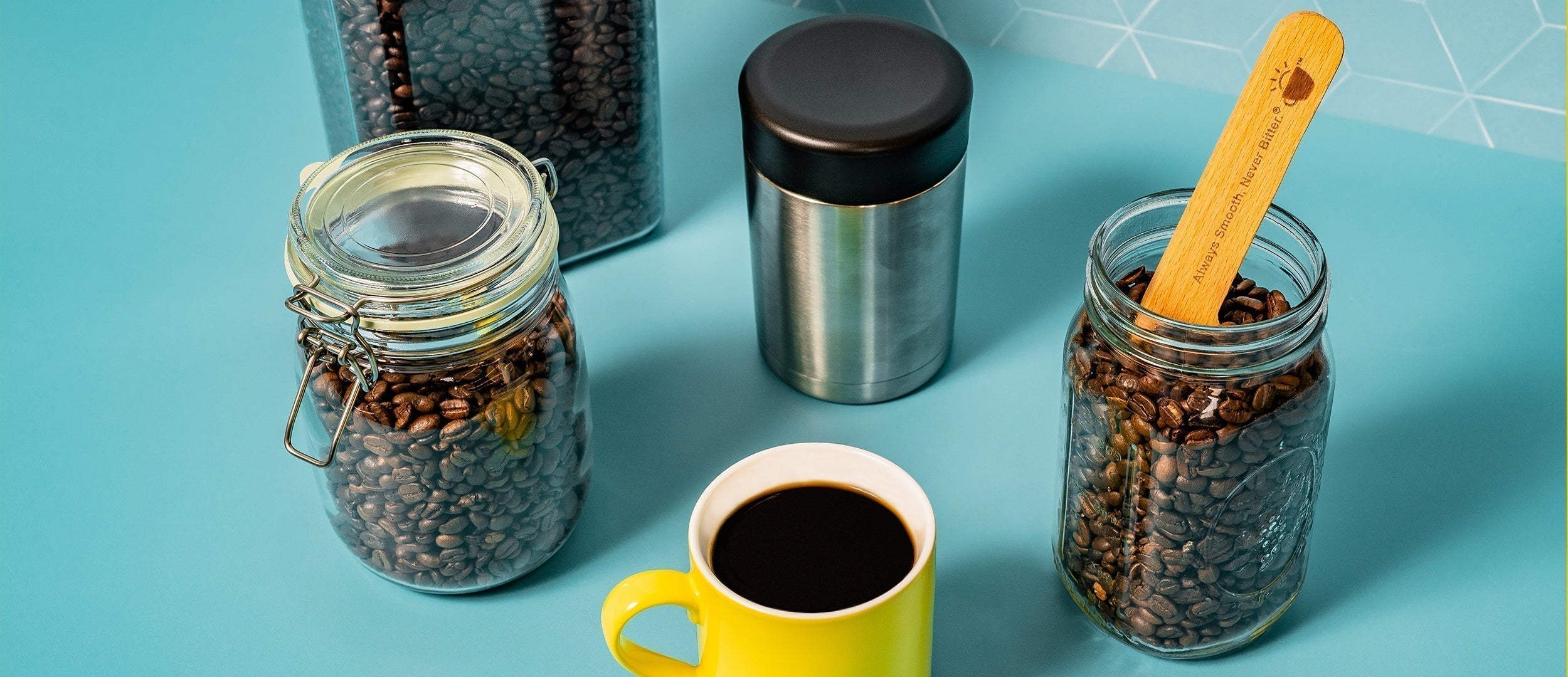
- Airtight Canisters: These are widely considered the gold standard. They feature a seal, often silicone or rubber, that prevents air from entering or escaping. Many high-quality options include a one-way valve to allow naturally occurring CO2 to escape while keeping oxygen out, which is particularly beneficial for freshly roasted beans.
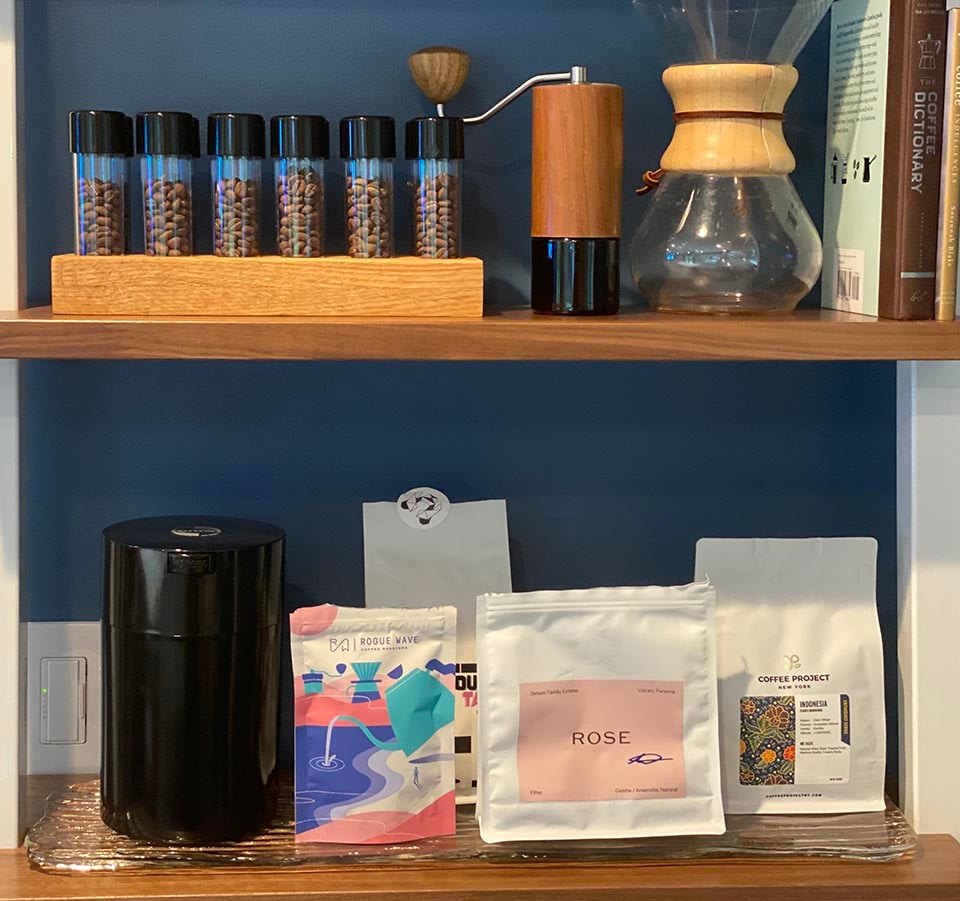
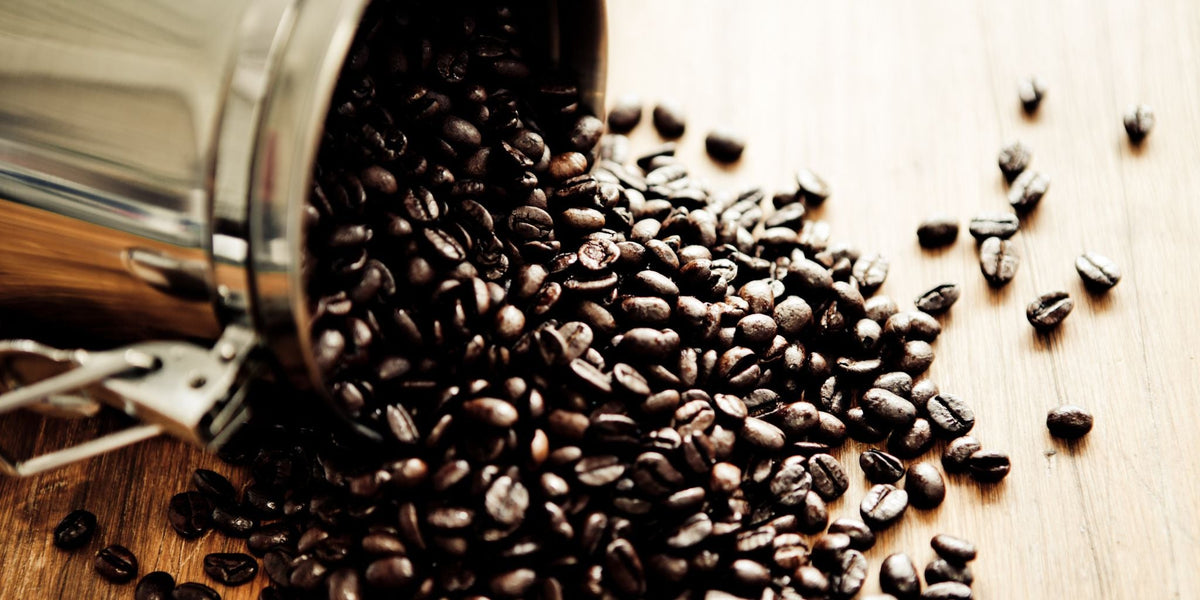
- Ceramic or Stainless Steel Containers: These materials are excellent because they are opaque, blocking light exposure completely. When paired with an airtight lid, they offer robust protection against all of coffee's primary enemies.
- Vacuum-Sealed Containers: Some specialized containers allow you to manually remove the air, creating a near-vacuum environment. This dramatically reduces oxidation and can extend freshness, especially for larger quantities of beans.
- Original Coffee Bags (with one-way valve): If your coffee comes in a high-quality, resealable bag with a one-way degassing valve, it can be an acceptable short-term storage solution. However, once opened, the integrity of the seal might not be as robust as a dedicated airtight canister.
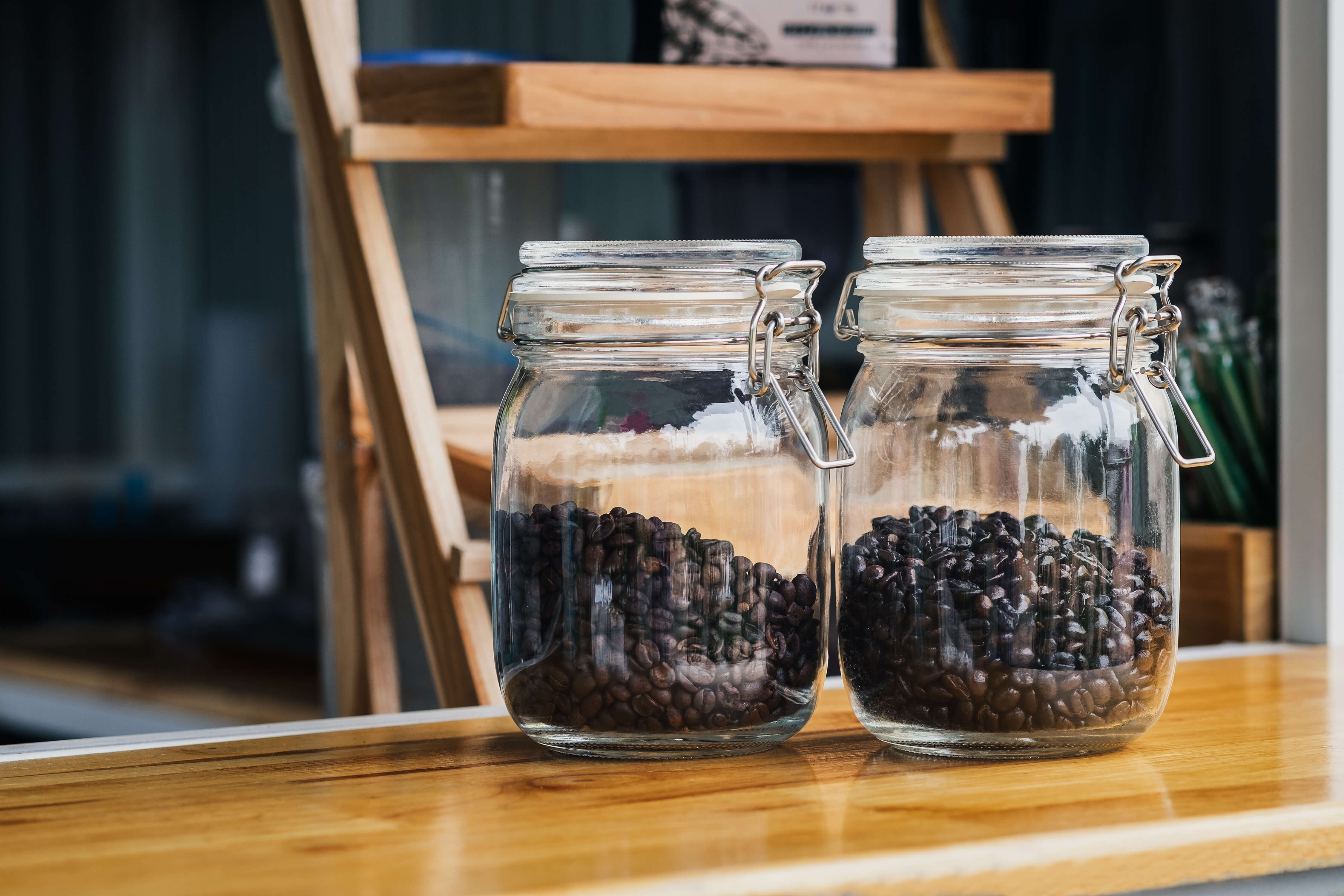
- Avoid Clear Glass or Plastic Jars: While aesthetically pleasing, clear containers offer no protection against light, making them unsuitable for long-term storage of coffee beans. Plastic can also absorb and leach odors, potentially affecting coffee flavor over time.
From my own experience, early in my coffee journey, I used to store beans in a beautiful clear glass jar on my counter. The beans looked fantastic, but I quickly learned that the vibrant flavors faded within days. Switching to an opaque, airtight canister was a game-changer, immediately noticeable in the richness of my morning brew. This personal revelation underscored the importance of the container in the best way to store coffee beans at home.
Where to Store Your Beans: Location, Location, Location
Once you have the perfect container, the next crucial decision is where to place it. The location plays a vital role in keeping your coffee beans away from heat, light, and humidity.
Countertop or Pantry
For everyday use, a cool, dark spot on your kitchen countertop or inside a pantry is generally the best way to store coffee beans at home.
- Pros: Convenient access, stable temperature if away from heat sources.
- Cons: Countertops might be exposed to light; pantries can vary in temperature depending on kitchen activity.
- Recommendation: Choose a spot that remains consistently cool, dry, and dark throughout the day. Avoid areas above or next to ovens, dishwashers, or windows.
Refrigerator
This is a common misconception and generally not recommended for daily coffee storage.
- Pros: Keeps beans cool.
- Cons: Refrigerators are often humid and full of odors, which coffee beans will readily absorb. The constant opening and closing create temperature fluctuations, leading to condensation that can degrade the beans.
- Recommendation: Avoid storing coffee beans in the refrigerator unless they are in a truly vacuum-sealed, unopened package that you plan to keep for an extended period before using.
Freezer
The freezer can be a viable option for long-term storage, but only under specific conditions.
- Pros: Significantly slows down the staling process, preserving freshness for several months. Ideal for buying larger quantities of freshly roasted beans.
- Cons: Improper freezing can lead to freezer burn, moisture absorption, and flavor degradation. The primary risk is condensation when removing beans.
- Recommendation for Freezing:
- Divide fresh, unground beans into single-brew portions in small, airtight freezer-safe bags or containers.
- Ensure as much air as possible is removed from the packaging.
- When ready to use, remove only the amount you need.
- Crucially, let the sealed package come to room temperature before opening it to prevent condensation from forming on the beans. Once thawed, do not refreeze. This controlled thawing is key to making freezing a successful best way to store coffee beans at home for extended periods.
Understanding Coffee Bean Freshness and Shelf Life
The concept of "freshness" in coffee is paramount to its flavor profile. Unlike many other food items, coffee has a relatively short window where its peak flavors are present, and understanding this timeline is essential for anyone interested in the best way to store coffee beans at home.
Defining Coffee Freshness
Coffee beans are at their freshest and most flavorful within a few weeks of their roast date. During roasting, complex chemical reactions occur, creating hundreds of aromatic compounds and releasing carbon dioxide (CO2). This CO2 then slowly degasses from the beans over time. The "sweet spot" for brewing is typically between 3-14 days post-roast, once the initial rapid degassing has slowed. Beyond this, the beans begin to oxidize and lose their volatile compounds.
Optimal Consumption Period
- Whole Beans: When stored properly in an airtight, opaque container in a cool, dark place, whole coffee beans can maintain excellent flavor for 2-4 weeks post-roast. They remain "good" for up to a month or slightly longer, but their peak vibrancy will diminish. For me, I always aim to finish a bag of beans within three weeks to truly appreciate their intended profile.
- Ground Coffee: Once coffee is ground, its surface area is vastly increased, accelerating oxidation significantly. Ground coffee loses much of its flavor within 30 minutes to an hour of grinding. This is why grinding right before brewing is consistently highlighted as a critical step in achieving the best possible taste, reinforcing why whole beans are preferred for storage as part of the best way to store coffee beans at home.
Impact on Flavor
The gradual loss of freshness manifests as:
- Reduced Aroma: The fragrant notes become weaker and less complex.
- Flatness: The coffee loses its bright, acidic, and nuanced flavors, tasting dull or lifeless.
- Bitterness: As beneficial compounds degrade, bitter notes can become more pronounced.
- Staleness: An overall lack of vibrancy and a muted, sometimes cardboard-like, taste.
Practical Tips for Maintaining Peak Flavor
Beyond the core principles, several practical habits can significantly contribute to the best way to store coffee beans at home and ensure every brew is as delicious as possible.
- Buy in Smaller Quantities: Unless you have a specific long-term freezing strategy, it's generally better to buy coffee beans in smaller quantities that you can consume within 2-4 weeks. This ensures you're always brewing with relatively fresh beans.
- Avoid Transparent Containers: Even if they are airtight, clear glass or plastic containers expose your beans to light, accelerating degradation. Always opt for opaque materials like ceramic or stainless steel when considering the best way to store coffee beans at home.
- Don't Grind Until Ready to Brew: This is arguably one of the most impactful tips for maximizing flavor. Grinding coffee right before brewing minimizes the time oxygen has to interact with the increased surface area of the grounds, preserving volatile aromatics.
- Label Your Beans: If you store different types of beans or use the freezer method, labeling containers with the roast date and bean type can help you track freshness and ensure proper rotation.
- Keep the Container Full (When Possible): Less air space in the container means less oxygen interacting with the beans. While not always practical, using a container sized appropriately for your typical coffee purchase can be beneficial.

Common Mistakes to Avoid When Storing Coffee Beans
Even with good intentions, some common pitfalls can inadvertently compromise your coffee's freshness. Being aware of these missteps is just as important as knowing the best way to store coffee beans at home.
- Storing in the Original Bag if it Lacks an Airtight Seal or Valve: Many grocery store coffee bags, even if resealable, are not truly airtight and lack a one-way valve. Once opened, they offer insufficient protection against oxygen. Transferring beans to a dedicated airtight container is almost always a superior option.
- Using the Refrigerator for Daily Storage: As discussed, the fridge is a humid environment prone to absorbing odors, which your porous coffee beans will eagerly soak up, leading to off-flavors and staleness due to condensation.
- Leaving Beans in an Open Container or Bag: This is a direct invitation for air, light, and ambient odors to destroy your coffee's quality rapidly. Always ensure your storage container is securely sealed.
- Placing Coffee Near Heat Sources or in Direct Sunlight: A common mistake is leaving a container of coffee on a sunny windowsill or next to a hot appliance. Heat is a major accelerator of staling, quickly diminishing the delicate flavors.
- Buying Pre-Ground Coffee in Large Quantities: While convenient, pre-ground coffee loses its freshness significantly faster than whole beans. If you must buy pre-ground, purchase only small amounts that you will consume within a few days. For anyone serious about the best way to store coffee beans at home, whole beans are the only real option.
Frequently Asked Questions
Should I store coffee beans in the freezer?
Yes, for long-term storage (over a month), you can freeze coffee beans in small, airtight portions. Crucially, allow the sealed package to reach room temperature before opening to prevent condensation.
How long do coffee beans stay fresh?
Whole coffee beans, when stored correctly, remain at their peak flavor for 2-4 weeks after the roast date. After this, their quality will gradually decline.
Is it better to store whole beans or ground coffee?
Always store whole beans and grind them just before brewing. Ground coffee loses its freshness and flavor much faster due to increased surface area exposed to oxygen.
Can I store coffee beans in a clear glass jar?
No, clear glass jars expose coffee beans to light, which rapidly degrades their flavor and aroma. Always use an opaque, airtight container for optimal storage.
What is the ideal temperature for storing coffee beans?
The ideal temperature is cool and stable, typically room temperature or slightly below, away from any heat sources. Consistency is more important than extreme cold (unless freezing properly).
Conclusion
Mastering the best way to store coffee beans at home is an investment in your daily coffee ritual, ensuring every cup delivers the full spectrum of flavors and aromas intended by the roaster. By embracing the principles of airtight, opaque containers, selecting a cool, dark, and dry location, and grinding your beans just before brewing, you actively protect your coffee from its formidable enemies: air, light, moisture, and heat. This diligent approach not only enhances your enjoyment but also reduces waste by extending the usable life of your beans. Embrace these practices, and you'll consistently unlock the true potential of your coffee. For further insights into elevating your home brewing experience, consider exploring our other guides on optimal grinding techniques and brewing methods.

- Unlocking the Venti: Discover the Perfect Shot Count for Your Drink - October 13, 2026
- Unpacking the Buzz: Caffeine Levels in Café Bustelo Espresso - October 13, 2026
- How to Fix Bitter Coffee: 10 Expert Ways to Improve the Taste - October 4, 2026