
For the ultimate French press experience, a medium-dark to dark roast with a full body and low acidity is consistently the best choice.
Embarking on the journey to brew the perfect cup of French press coffee is a pursuit of sensory pleasure, a ritual that many enthusiasts cherish for its simplicity and the rich, complex flavors it yields. As an experienced coffee connoisseur, I understand the nuanced interplay between bean characteristics and brewing methods. The French press, with its full-immersion technique and lack of paper filters, demands a specific type of bean to truly shine, highlighting attributes that might be muted in other brewing styles. This comprehensive guide will equip you with the expertise to select the best coffee beans for French press, ensuring every brew is a testament to quality and taste.

The Unique Charm of French Press Coffee
The French press is celebrated for its ability to produce a coffee that is exceptionally full-bodied, rich, and aromatic. Unlike drip coffee makers that use paper filters, the French press utilizes a mesh filter, allowing more of the coffee's natural oils and fine sediments to pass into your cup. This results in a brew with a luxurious mouthfeel and a depth of flavor that can feel almost chewy. Understanding this distinct characteristic is fundamental when selecting the best coffee beans for French press, as certain bean profiles are inherently better suited to showcase these qualities.

Understanding Coffee Bean Characteristics for French Press
Choosing the right beans is paramount to unlocking the full potential of your French press. Several key characteristics contribute to a sublime French press experience, each playing a vital role in the final cup.
Roast Level: The Foundation of Flavor
The roast level significantly influences a coffee bean's flavor profile. For French press, darker roasts or medium-dark roasts are often preferred.
- Dark Roasts: These beans undergo a longer roasting process, developing notes of chocolate, caramel, and nuts, often with a smoky finish. Their lower acidity and bolder flavors stand up beautifully to the full-immersion brewing, providing a robust and satisfying cup. Think of a classic French Roast or Espresso Roast; their inherent bitterness and strong body become assets here.
- Medium-Dark Roasts: Offering a balance between the bean's origin characteristics and the roasting process, medium-dark roasts can introduce more complex flavors while retaining a good body. They typically exhibit less acidity than lighter roasts, making them ideal for the prolonged contact time in a French press, which can otherwise exaggerate brightness.
Origin and Flavor Profiles: A World of Taste
The origin of your coffee beans dictates much of their inherent flavor. Certain regions consistently produce beans that are among the best coffee beans for French press.
- Brazil: Known for its low-acidity, nutty, and chocolatey notes, Brazilian beans contribute a smooth, full body that is perfect for French press.
- Sumatra: Hailing from Indonesia, Sumatran beans are famous for their earthy, woody, and sometimes spicy flavors, coupled with a heavy body and very low acidity. These characteristics are amplified in a French press, delivering a truly unique and robust cup.
- Colombia: Colombian Supremo beans, often medium-bodied with a bright acidity and notes of citrus and chocolate, can offer a more balanced yet still flavorful French press. A darker roast of Colombian beans often brings out deeper caramel and fruit notes.
- Ethiopia (Darker Roasts): While typically known for their bright, floral, and fruity characteristics in lighter roasts, some Ethiopian beans, when roasted to a medium-dark level, can still offer interesting complexity with a rounded body for French press, though they might be slightly more acidic than others on this list.
Acidity and Body: The Crucial Duo
For French press, aiming for coffee beans with low acidity and a high body is generally advisable. The full immersion method, combined with the absence of a paper filter, tends to accentuate acidity. Beans with naturally lower acidity prevent the final brew from tasting overly tart or sharp. A high body ensures that the coffee has that desired rich, viscous mouthfeel that distinguishes French press coffee.
Freshness: The Underrated Element
Regardless of roast or origin, the freshness of your coffee beans cannot be overstated. Always opt for whole beans roasted recently, ideally within 1-2 weeks of purchase. Freshly roasted beans retain their essential oils and aromatic compounds, which are crucial for a flavorful French press. Buying whole beans and grinding them just before brewing ensures maximum freshness and flavor extraction.
Our Top Recommendations for the Best Coffee Beans for French Press
Through countless brewing experiments in my own kitchen, I've discovered certain types of beans that consistently deliver outstanding French press results. Here are some top recommendations that exemplify the characteristics we've discussed.
Dark Roast Powerhouses
- Sumatra Mandheling: This single-origin bean is a personal favorite for French press. Its intensely earthy, dark chocolate, and sometimes tobacco notes, coupled with an incredibly heavy body and almost no acidity, make for an unforgettable, deeply satisfying cup. It’s like a warm, comforting hug in a mug.
- French Roast Blends: Many roasters offer proprietary French Roast blends, which typically feature beans roasted to a very dark level. These often have a pronounced smoky flavor, bittersweet chocolate notes, and a bold body, perfectly complementing the French press method.
- Italian Roast: Similar to French Roast but often even darker, Italian roasts provide an intense, syrupy body and strong, often bittersweet, flavors that cut through milk or cream beautifully, if you prefer your coffee with additions.
Balanced Medium-Dark Roasts
- Colombian Supremo (Medium-Dark Roast): When roasted to a medium-dark level, Colombian Supremo beans offer a delightful balance. You get the characteristic sweetness and mild fruit notes, but with a more rounded body and less perceived acidity than a lighter roast. It’s a great choice if you appreciate complexity without overwhelming darkness.
- Brazilian Santos (Medium-Dark Roast): Another excellent choice for a balanced experience, Brazilian Santos beans roasted to a medium-dark profile deliver classic nutty and chocolate flavors with a smooth, medium-to-full body and very low acidity. They are incredibly versatile and consistently make a great French press.
Exploring Single Origin Excellence
While blends are fantastic, exploring single-origin beans can reveal exciting nuances.
- Guatemala Antigua (Darker End of Medium Roast): Known for its bright acidity in lighter roasts, a slightly darker roasted Guatemala Antigua can offer pleasant cocoa, spice, and even some floral notes, with a good body that shines in a French press.
- Mexican Chiapas (Dark Roast): Often organic and fair trade, Mexican Chiapas beans can present a lovely combination of chocolate, nutty, and subtle citrus notes with a clean, medium body, especially when roasted to a darker profile.
My own journey with French press coffee has involved countless mornings trying out different beans. I remember once getting a bag of a very light Ethiopian roast, excited by its bright, citrusy notes. While fantastic as a pour-over, the French press brew turned out surprisingly sour and thin. It taught me firsthand the critical lesson: not all beans are created equal for all brewing methods. That experience solidified my preference for the richer, lower-acidity, full-bodied beans that truly sing in the French press.
Grind Size: The Unsung Hero of French Press Brewing
Choosing the best coffee beans for French press is only half the battle; the other crucial component is the grind size. This is where many novice French press users inadvertently stumble.
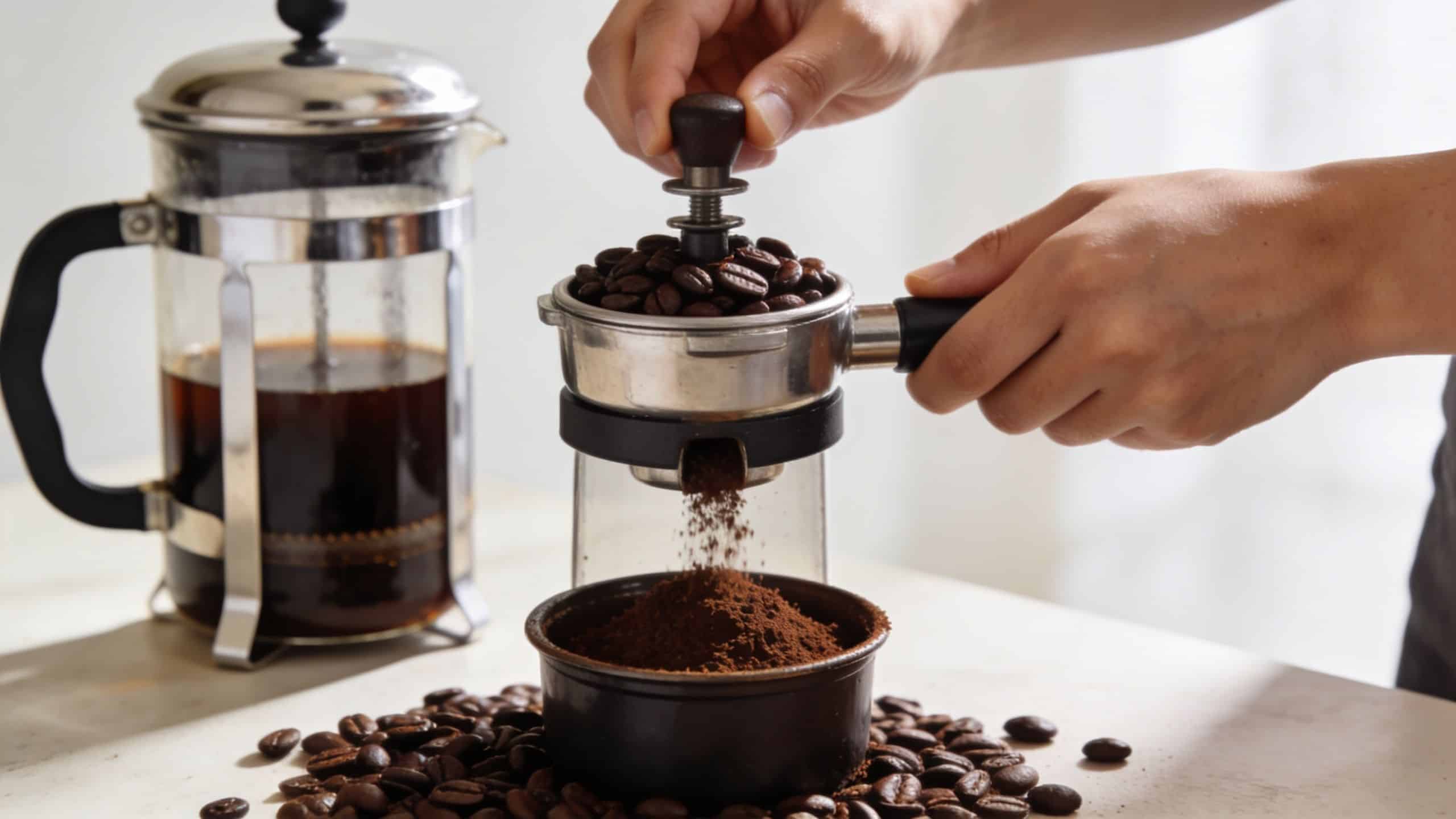
- Why Coarse Grind is Crucial: The French press relies on a coarse, even grind. Imagine sea salt or breadcrumbs – that's the consistency you're aiming for. A coarse grind prevents over-extraction, which leads to bitter, astringent coffee. It also significantly reduces the amount of "sludge" or fine sediment that passes through the mesh filter.
- Impact of Fine vs. Coarse Grind:
- Fine Grind: If your grind is too fine (like table salt or espresso grind), the coffee will over-extract rapidly, resulting in a bitter taste. More importantly, it will clog the filter, making it extremely difficult to plunge and creating a very murky, gritty cup.
- Coarse Grind: A coarse grind allows water to flow evenly around the particles, facilitating a balanced extraction. It also allows the plunger to descend smoothly, leaving most of the grounds at the bottom, contributing to a cleaner, more enjoyable cup.
- Practical Tips for Achieving the Perfect Grind:
- Burr Grinder: Invest in a good quality burr grinder. Blade grinders "chop" beans unevenly, creating a mix of fine and coarse particles, which is detrimental to French press brewing. A burr grinder ensures a consistent, even grind.
- Grind Just Before Brewing: Always grind your beans immediately before brewing to preserve freshness and volatile aromatics.

Brewing Techniques for an Optimal French Press Experience
Even with the best coffee beans for French press and the perfect grind, your technique can make or break the brew. Mastering these elements ensures a consistently excellent cup.
- Water Temperature: The ideal water temperature is between 195°F and 205°F (90°C and 96°C). Water that's too hot can scald the coffee, leading to bitterness, while water that's too cool won't extract enough flavor. Let your kettle sit for about 30-60 seconds after boiling before pouring.
- Coffee-to-Water Ratio: A common starting point is a 1:15 ratio (e.g., 60 grams of coffee for 900 ml of water). However, this is a matter of personal preference. I often lean slightly more towards 1:12 or 1:13 for a stronger, more intense brew that complements the full-bodied nature of French press coffee.
- Brew Time: For French press, a brew time of 4 minutes is generally recommended.
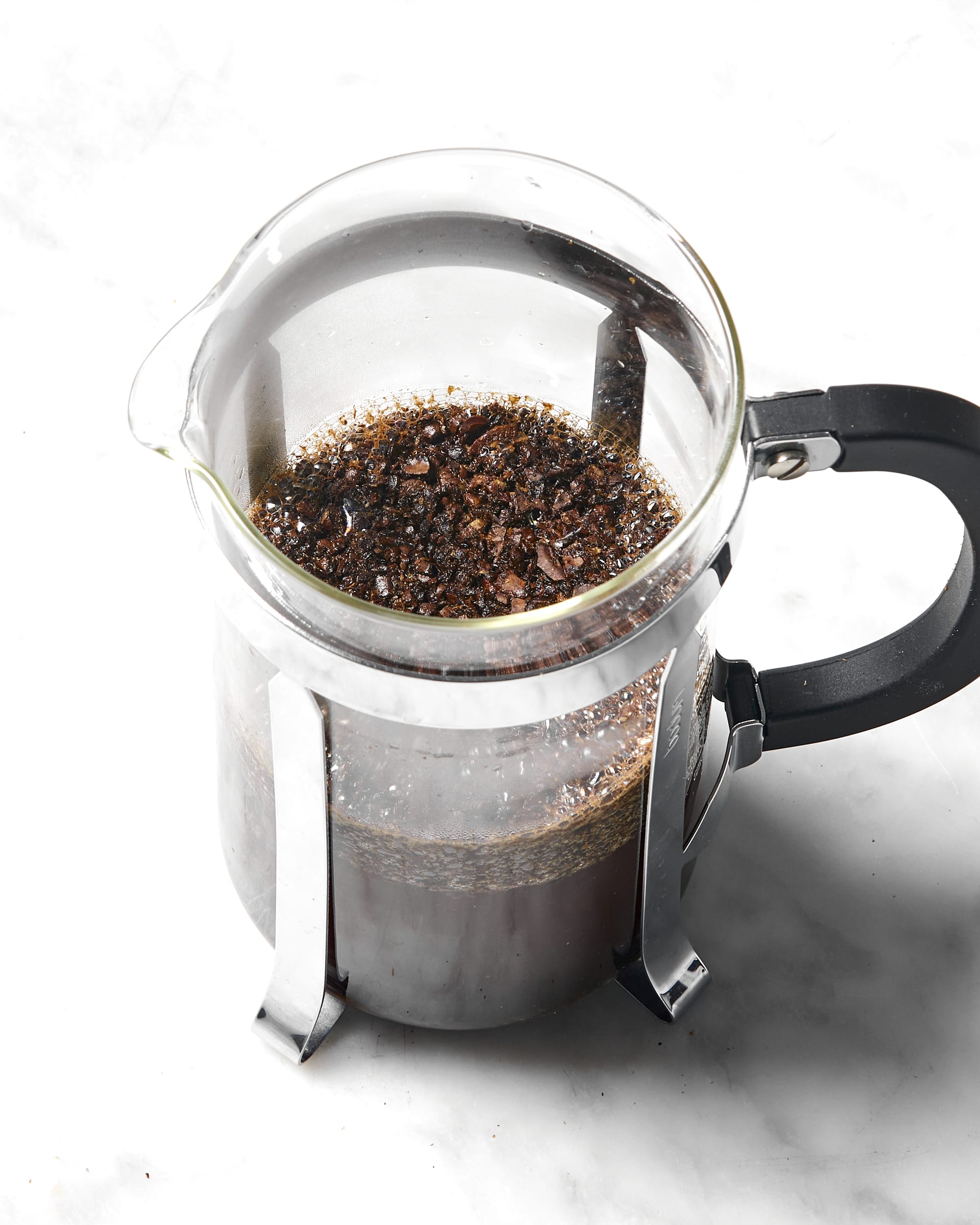
- Add coarsely ground coffee to the French press.
- Pour hot water evenly over the grounds, ensuring they are all saturated.
- Give a gentle stir to ensure all grounds are fully immersed and to release the "bloom" (the initial degassing).
- Place the lid on top, but don't plunge yet.
- After 4 minutes, slowly and steadily press the plunger down, pushing the grounds to the bottom. Avoid pressing too quickly, as this can force fine particles through the filter.
- Troubleshooting Common Issues:
- Bitter Coffee: Usually indicates over-extraction (too fine a grind, too long a brew time, or too hot water).
- Weak/Sour Coffee: Often under-extracted (too coarse a grind, too short a brew time, or not enough coffee).
- Muddy/Gritty Coffee: Almost always due to a grind that is too fine or an inconsistent grind from a blade grinder.
Beyond the Beans: Essential French Press Tips for Enthusiasts
Achieving the perfect French press experience extends beyond just the beans and grind; a few other considerations can elevate your daily ritual.
- Cleaning is Key: Always thoroughly clean your French press after each use. Residual coffee oils can turn rancid and impart off-flavors to your next brew. Disassemble the plunger and scrub the mesh filter to remove all fine particles.
- Proper Storage: Store your whole coffee beans in an airtight container, away from direct sunlight, heat, and moisture. Avoid storing them in the refrigerator or freezer unless you plan to store them for an extended period in truly airtight, vacuum-sealed bags, as humidity and condensation can degrade flavor.
- Water Quality Matters: Your coffee is 98% water, so the quality of your water significantly impacts the taste. Use filtered water that is free from strong odors or tastes. Hard water can inhibit proper extraction, while overly soft water might result in a flat taste.
- Experimentation is Your Friend: While these guidelines provide an excellent starting point, personal preference reigns supreme. Don't be afraid to experiment with different bean origins, roast levels, grind sizes, and brewing times. Keep a small journal to note down your findings – what worked, what didn't, and why. This journey of discovery is part of the joy of coffee.
:max_bytes(150000):strip_icc()/faw-bodum-chambord-french-press-34oz-rkilgore-325-1-13e6b90abce2457c96c707fbd059c289.jpeg)
Frequently Asked Questions
What kind of roast is best for French press?
A medium-dark to dark roast is generally considered best for French press, as these roasts offer a fuller body, lower acidity, and richer flavors like chocolate and nuts that are beautifully amplified by the full-immersion brewing method.
Should I use coarse or fine grind for French press?
You should always use a coarse grind for French press, resembling sea salt or breadcrumbs. A coarse grind prevents over-extraction, reduces sediment, and allows the plunger to operate smoothly, leading to a cleaner, more balanced cup.
How much coffee should I use for a French press?
A common starting point is a 1:15 coffee-to-water ratio (e.g., 60 grams of coffee for 900 ml of water), but you can adjust this based on your preferred strength, typically ranging from 1:12 for stronger coffee to 1:17 for a milder brew.
Can I use flavored coffee beans in a French press?
Yes, you can absolutely use flavored coffee beans in a French press. The full-immersion method can often enhance the aromatic qualities of flavored coffees, delivering a robust and fragrant cup.
Why does my French press coffee taste bitter?
Bitter French press coffee usually indicates over-extraction, which can be caused by using a grind that is too fine, brewing for too long, or using water that is too hot. Adjusting these variables can help achieve a smoother taste.
Conclusion
Selecting the best coffee beans for French press is an art form rooted in understanding the unique characteristics that flourish under this particular brewing method. By prioritizing medium-dark to dark roasts, seeking out beans with a full body and low acidity from regions like Sumatra or Brazil, and committing to a coarse, consistent grind, you set the stage for an unparalleled coffee experience. Remember that the journey of coffee is one of personal discovery, so embrace experimentation with different beans and techniques. Take the insights from this guide and apply them to your next brew, exploring the rich tapestry of flavors the world of coffee has to offer. Feel free to share your favorite French press beans or brewing tips in the comments below, and let's continue to elevate our coffee rituals together.

- Unlocking the Venti: Discover the Perfect Shot Count for Your Drink - October 13, 2026
- Unpacking the Buzz: Caffeine Levels in Café Bustelo Espresso - October 13, 2026
- How to Fix Bitter Coffee: 10 Expert Ways to Improve the Taste - October 4, 2026