
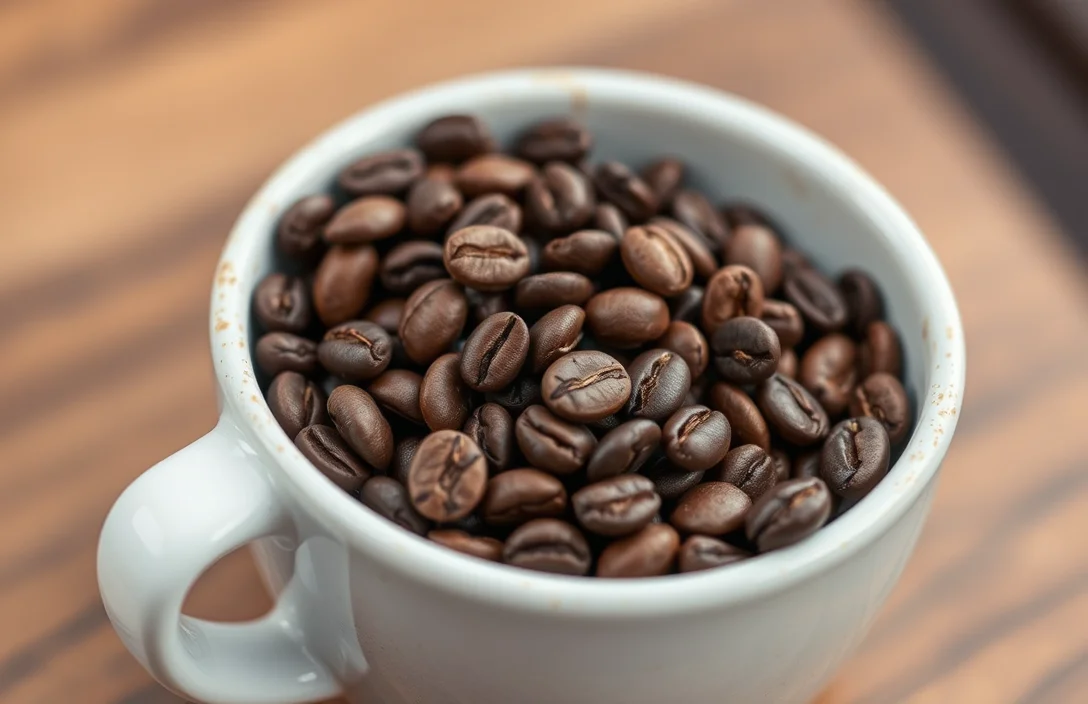
Seventy percent of coffee drinkers report that they can taste the difference between cheap and premium coffee beans. Many are unaware that price often correlates with quality, flavor, and ethical sourcing. Understanding this can change how you perceive your morning cup.
Cheap coffee beans often lack rich flavor and aroma. They may be sourced from lower-quality farms, resulting in ethical concerns and poor processing. Investing in quality beans can enhance your overall coffee experience significantly.
Quality vs Price in Coffee Beans
Price directly influences the quality of coffee beans. Cheaper options often compromise on factors like sourcing, processing, and freshness. Many budget brands source their beans from lower-grade farms, which can lead to inconsistent flavor and aroma. Understanding this trade-off is crucial when selecting your coffee.
Flavor complexity diminishes in lower-priced beans. Higher-quality beans usually undergo meticulous processing, ensuring vibrant taste profiles. In contrast, inexpensive beans may lack the depth and richness that discerning drinkers appreciate. Consumers often find that a slightly higher investment leads to a more satisfying cup.
Freshness plays a critical role in coffee quality. Cheap beans may be older and stale, affecting the overall brewing experience. Freshly roasted premium beans offer an aromatic and flavorful experience that budget options typically fail to provide. Investing in quality beans results in a vastly improved taste.
Ethical sourcing impacts quality significantly. Affordable coffee beans are often produced under questionable labor practices, which can affect their quality. Supporting brands that prioritize ethical sourcing not only ensures better quality but also contributes positively to the farmers and communities involved.
Flavor Profiles of Low-Cost Beans
Low-cost beans often lack complexity, leading to a flat taste experience. Many budget options exhibit muted flavors and may taste overly bitter or sour. This simplicity results from lower quality beans, which are typically harvested from less desirable regions or from lower-grade crops, impacting the overall flavor profile.
Common flavor notes in inexpensive coffee often include astringent or earthy characteristics, overshadowing the more nuanced flavors found in premium beans. While some enjoy the straightforwardness, these beans may not satisfy those looking for a more vibrant cup. Freshness also plays a significant role; cheap beans may be stale, further diminishing their flavor potential.
Roasting techniques can greatly influence taste. Low-cost beans are often roasted darker to mask inherent flaws. Dark roasts can produce a smoky, bitter profile, which may appeal to some but can also obscure the natural sweetness and acidity that higher-quality beans offer. This roasting practice limits the exploration of different flavor notes.
Brewing methods impact flavor extraction. Cheap beans may require specific techniques to enhance their taste. For instance, using a French press or a pour-over method can sometimes bring out hidden notes, making the coffee more enjoyable. Experimenting with grind size and water temperature can also help in improving the overall taste of low-cost coffee.
Health Risks of Low-Quality Coffee
Low-quality coffee often contains higher levels of mycotoxins, harmful compounds produced by mold. These toxins can lead to various health issues, including gastrointestinal problems and weakened immune response. Regular consumption of contaminated beans may increase the risk of serious long-term health effects, making it prudent to consider the quality of your coffee source.
Inadequate processing techniques frequently employed by producers of cheap coffee can result in the presence of pesticides and other harmful chemicals. Consuming these residues poses health risks, such as hormone disruption and increased cancer risk. Opting for high-quality, certified organic options reduces exposure to such contaminants.
Excessive acidity in low-cost coffee can lead to digestive discomfort. Individuals with sensitive stomachs or acid reflux may experience worsened symptoms from cheaper beans. Choosing lower acid varieties or those specifically processed to reduce acidity can help mitigate these issues.
Inconsistent roasting practices often characterize budget coffee, which can affect caffeine content. Unpredictable levels may lead to jitteriness or insomnia in sensitive individuals. Understanding your body’s response to different caffeine levels can help you choose wisely.
Subpar beans may lack essential nutrients, including antioxidants. High-quality coffee is known for its health benefits, such as providing antioxidants that combat oxidative stress. Investing in better beans can enhance the potential health benefits associated with your daily cup.
Ethical Sourcing of Coffee Beans
Provenance records reveal farm conditions; request them before purchase. Ask roasters for lot numbers, harvest dates, and importer details, then use those to verify cooperative transparency, altitude, and processing (washed, natural, honey). Check supplier sites for audited sustainability reports and traceability maps. Prioritize beans with documented direct-trade or third-party certification to protect farmer pay and ensure cleaner cup flavors.
Fairtrade certification guarantees minimum prices. If you ask ‘are cheap coffee beans bad’ for producer welfare, require clearly labeled certifications, export permits, or direct-trade statements before buying. Prefer sellers who publish farm-level premiums and negotiation practices; be willing to pay 10–25% more to ensure documented premiums and reduce hidden social and environmental costs.
Roasting Techniques for Budget Beans
Roasting significantly impacts the flavor profile of inexpensive coffee beans. Proper roasting can enhance their natural flavors, making them more enjoyable to drink. In contrast, poor roasting may lead to a bitter or burnt taste, which is often associated with cheap coffee. To optimize your beans, follow these steps for effective roasting.
- Choose the right temperature. Aim for a medium roast, around 400°F to 450°F, which can balance acidity and sweetness.
- Monitor the roasting time. Typically, 10 to 15 minutes will suffice to develop a rich flavor without producing bitterness.
- Cool the beans promptly. After roasting, quickly transfer the beans to a cooling tray to prevent over-roasting and preserve the desired flavor.
- Store beans properly post-roasting. Use an airtight container in a cool, dark place to maintain freshness and flavor integrity.
- Taste test regularly. Experiment with different roasting times and temperatures to identify preferences and fine-tune your process.
Mastering these roasting techniques can significantly improve the quality of budget beans. By refining your approach, you can create a more satisfying coffee experience without breaking the bank.
Brewing Methods Impact on Cheap Coffee
Brewing techniques significantly alter the flavor profile of coffee, especially budget options. Selecting the right method can enhance taste and minimize bitterness, making inexpensive beans more enjoyable. Focus on the brewing process to elevate your coffee experience without spending much.
- Cold brew extracts smoother flavors. Steeping coarsely ground coffee in cold water for 12-24 hours reduces acidity and bitterness, revealing delightful subtleties in cheap beans.
- French press creates full-bodied richness. Use a coarse grind and steep for 4 minutes. The metal filter allows oils to pass through, adding depth to the brew.
- Pour-over allows for precise control. This method lets you regulate water temperature and flow rate, extracting desirable flavors while minimizing undesirable notes often found in lower-quality beans.
- Aeropress provides consistency and versatility. This compact device can brew various styles, from espresso-like shots to smooth cups, enhancing the flavor potential of budget coffee.
- Drip coffee makers offer convenience. While they might lack the precision of manual methods, using fresh, filtered water and the right grind size can make inexpensive beans taste better than expected.
Consumer Perceptions of Inexpensive Coffee
Brands should set realistic expectations immediately by explaining trade-offs between price and bean quality, origin, and freshness. State roast date, tasting notes, recommended brew methods, and grind size on packaging and product pages. Address the question “are cheap coffee beans bad” by showing what to expect and offering low-risk sampling so perception shifts toward predictable value.
- Label roast date and origin prominently; consumers judge freshness first, so clear labels reduce price-based assumptions and returns.
- Offer small sample packs or grinder-sized trial bags to let taste override bias quickly and lower purchase friction for skeptical buyers.
- Include clear brew instructions, ideal grind size, and recommended ratios so at-home brewing highlights strengths instead of masking flaws.
- Publish sourcing notes, processing details, and concise flavor descriptors so transparency replaces suspicion about quality at low price points.
- Maintain consistent roast profiles and QC checks; reliable cups create repeat customers and change the narrative from “cheap” to “consistent.”
Quick Summary
- Cheap coffee beans are not automatically “bad”—price is only one indicator of quality, and many low-cost beans can brew a perfectly decent cup if fresh and well-prepared.
- Common downsides of very cheap beans include older roast dates, inconsistent grading, more defects, and heavier/darker roasting used to mask flaws in flavor.
- Freshness, roast date, grind size, and brewing technique typically have a bigger impact on taste than price; buying whole beans and grinding just before brewing improves results.
- Lower price can sometimes reflect weaker traceability, less sustainable farming practices, or poorer pay for growers—consider certifications or reputable roasters if ethics matter to you.
- To get good flavor on a budget, look for recently roasted beans, try lighter roasts to reveal origin characteristics, buy small quantities more often, or watch for sale bundles from reputable roasters.
- There’s no clear evidence that cheap beans pose specific health risks; proper storage and avoiding very old or moldy beans are more important for safety and taste.
Frequently Asked Questions
1. Are cheap coffee beans lower in quality?
Cheap coffee beans can often be of lower quality, as they may come from lower-grade beans or less careful processing methods. However, there are affordable options that still offer good flavor, so it’s essential to research brands and origins.
2. What affects the price of coffee beans?
The price of coffee beans can be influenced by factors such as the origin, quality, production methods, and market demand. Specialty beans often cost more due to their unique flavors and the labor-intensive processes involved in their cultivation and harvesting.
3. Can cheap coffee beans still taste good?
Yes, cheap coffee beans can still taste good, especially if they are sourced from reputable suppliers. The key is to look for beans that maintain freshness and have been properly roasted, regardless of their price.
4. How can I identify high-quality cheap coffee beans?
To identify high-quality cheap coffee beans, look for certifications like Fair Trade or organic, read reviews, and check for roast dates. Additionally, pay attention to the flavor notes described by other consumers to gauge their suitability for your taste.
5. Are there health concerns with cheap coffee beans?
There are no specific health concerns tied directly to cheap coffee beans, but lower-quality beans may contain higher levels of defects or impurities. It’s always best to choose beans from reputable sources to ensure quality and safety.

- Espresso Tastes Watery? 10 Common Causes and How to Fix It - October 23, 2026
- 10 Common Coffee Equipment Cleaning Mistakes and How to Avoid Them - October 23, 2026
- 17 Common Coffee Grinder Problems and How to Fix Them - October 23, 2026