
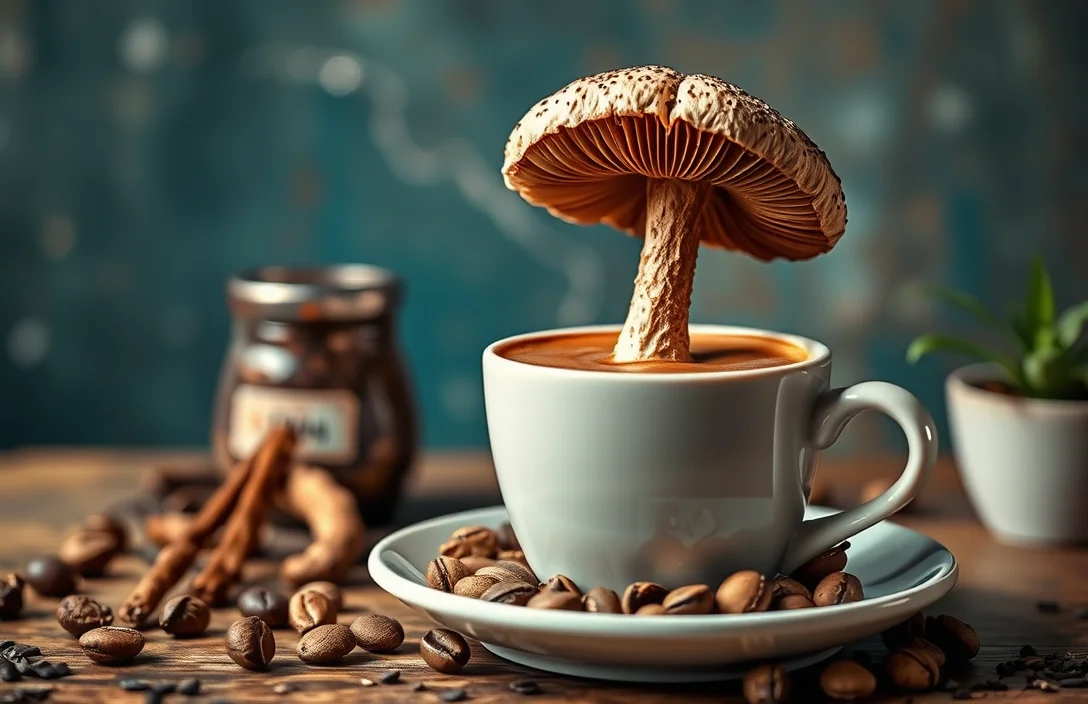
Mushroom coffee’s flavor profile surprises many; it combines earthy, nutty, and slightly sweet notes, often resembling traditional coffee but with unique undertones. This blend, made from ground mushrooms and coffee beans, is increasingly popular for its potential health benefits and distinct taste.
Many report that mushroom coffee tastes rich and smooth, featuring earthy flavors from mushrooms like lion’s mane or chaga, while still maintaining the familiar coffee bitterness. Overall, it provides a unique experience that coffee lovers might appreciate.
Overview of Mushroom Coffee Flavor Profile
Mushroom coffee delivers a unique blend of earthy flavors, often described as rich and robust. This beverage combines the familiar taste of coffee with the distinct notes of various mushrooms. Expect an intriguing mix that balances the bitterness of coffee with subtle umami undertones from the fungi.
Distinctive hints of nuttiness frequently emerge, particularly when using popular varieties like chaga or reishi. These mushrooms contribute their own flavor profiles, enhancing the overall experience. Many drinkers also note a smooth finish, which can feel less acidic than traditional coffee.
Complex layers of flavor often surprise newcomers. The interplay between coffee and mushroom extracts creates a harmonious taste that appeals to both coffee enthusiasts and health-conscious individuals. Overall, tasting mushroom coffee opens up a new dimension for those seeking alternatives to conventional brews.
Mushroom Varieties and Their Flavor Contributions
Various mushroom types contribute distinct flavors to coffee blends. For instance, Lion’s Mane offers a mild, earthy taste with a hint of sweetness, enhancing the overall profile without overpowering. This unique flavor makes it an appealing choice for those new to mushroom coffee.
Shiitake mushrooms introduce a savory, umami flavor that complements the natural bitterness of coffee. Their rich, meaty taste adds depth, transforming the beverage into a more complex experience. Coffee enthusiasts often appreciate this savory touch.
Reishi mushrooms bring a slightly bitter, woody flavor to the mix. Known for their health benefits, they also impart an earthiness that pairs well with traditional coffee notes. This contributes to a well-rounded taste, appealing to those who prefer a more robust flavor.
Chaga mushrooms provide a subtly sweet, vanilla-like flavor that can soften the overall bitterness of coffee. Their unique taste profile enhances the drink’s smoothness, making it a favorite among those seeking a gentler option.
Turkey Tail mushrooms add a hint of floral notes, brightening the flavor profile. Their inclusion can elevate the beverage, offering a refreshing contrast to the darker, richer flavors present in coffee blends.
Brewing Techniques Impacting Taste
Brewing methods directly influence the flavor profile of mushroom coffee. Different techniques extract unique compounds from the mushrooms, leading to variations in taste and aroma. Experimenting with these methods allows users to customize their experience and discover their preferred flavor notes.
- Espresso brewing highlights intensity. This method forces hot water through finely ground coffee at high pressure, creating a concentrated shot. Mushroom coffee brewed this way tends to have a bold flavor, with strong earthy undertones.
- French press enhances body and richness. By steeping coarsely ground coffee in hot water, this method extracts more oils and flavors. The resulting brew is fuller-bodied, showcasing the mushroom’s natural earthiness and complexity.
- Pour-over brings clarity and brightness. This technique allows for precise control over water flow and temperature. The result is a clean cup that highlights the mushroom’s subtle notes, making it a great option for those who enjoy delicate flavors.
- Cold brew offers smoothness and sweetness. Brewing with cold water over an extended period extracts fewer bitter compounds, resulting in a mellow flavor profile. Mushroom coffee prepared this way often has a sweet, creamy taste, making it a refreshing alternative.
- Turkish coffee emphasizes richness and intensity. Finely ground coffee is simmered in water, producing a thick and strong brew. This style enhances the earthy flavors of the mushrooms, creating a robust and flavorful cup.
Texture and Aroma Comparisons
Mouthfeel characteristics significantly differ between mushroom coffee and traditional brews. Mushroom coffee often presents a smoother, creamier texture, attributed to the incorporation of medicinal mushrooms such as lion’s mane or chaga. These fungi contribute to a velvety consistency that contrasts with the more acidic and sometimes bitter mouthfeel of regular coffee.
Aromatic profiles reveal distinct nuances. While traditional coffee exudes robust, rich scents with hints of caramel or chocolate, mushroom coffee introduces earthy, herbal notes. Ingredients like reishi and cordyceps impart a subtle fragrance reminiscent of forest foliage, enhancing the overall sensory experience. The aromatic complexity can elevate a morning ritual beyond mere caffeine consumption.
| Aspect | Mushroom Coffee | Regular Coffee |
|---|---|---|
| Mouthfeel | Smooth, creamy, velvety | Acidic, sometimes bitter |
| Aroma | Earthy, herbal, complex | Robust, rich, caramel-like |
Experiencing the differences firsthand can provide valuable insights. Tasting both varieties side by side offers an opportunity to appreciate the unique qualities each brings to the table. Mushroom coffee not only redefines taste but also transforms the overall drinking experience, making it a compelling alternative to traditional options.
Flavor Impact of Health Benefits
Mushroom coffee offers unique flavors influenced by its health benefits. Consumers often report an enhanced taste experience due to the perceived health improvements. Ingredients like lion’s mane and chaga mushrooms can add earthy, rich notes, positively impacting flavor perception. Understanding these influences can help you appreciate the beverage’s complexity.
- Health benefits boost flavor perception. As consumers associate positive effects with taste, the flavor becomes more enjoyable. Ingredients that support mental clarity or reduce stress contribute to a more satisfying experience.
- Earthy undertones enhance flavor complexity. Varieties like reishi or cordyceps introduce distinct notes that can complement traditional coffee flavors. These unique flavors can transform your perception of the drink, making it more appealing.
- Adaptogens alter flavor experience significantly. The adaptogenic properties of mushrooms can create a sense of balance. This balance enhances the overall taste, making it more enjoyable for many consumers.
- Health-focused blends offer diverse flavors. Different mushroom blends can cater to various health needs, resulting in a range of taste experiences. Experimenting with various types can uncover unique flavor profiles that resonate with individual preferences.
Contrasts with Traditional Coffee Flavor
Mushroom coffee presents distinct taste characteristics compared to traditional coffee. While regular coffee often boasts a robust, bitter flavor, mushroom varieties introduce earthy and umami notes. The inclusion of mushrooms like reishi or lion’s mane adds depth, resulting in a smoother, less acidic experience that many find refreshing.
Flavor profiles can vary significantly. Traditional coffee typically features bright, fruity, or nutty undertones, enhanced by various brewing methods. In contrast, mushroom coffee leans towards a savory spectrum, with subtle sweetness and hints of woodiness. This divergence creates a unique palate that appeals to those seeking something different.
| Flavor Aspect | Traditional Coffee | Mushroom Coffee |
| Bitter | High | Low |
| Earthy Notes | Low | High |
| Umami | Absent | Present |
| Acidity | Medium to High | Low |
Comparative tasting sessions often reveal these differences vividly. Sippers may find mushroom coffee’s texture creamier, enhancing the overall flavor experience. Experimenting with various mushroom blends can further enrich the tasting journey, leading to personalized flavor discoveries.
User Reviews on Flavor Experience
Consumer feedback highlights diverse flavor experiences with mushroom coffee. Many users describe the taste as earthy and nutty, drawing parallels to traditional coffee but with distinct undertones. Some appreciate the subtle sweetness and mild bitterness, while others note a unique umami flavor that sets it apart from regular brews.
Reviewers consistently mention a smoother mouthfeel compared to standard coffee. This characteristic makes it more palatable for those sensitive to acidity. Many find themselves enjoying the drink without the usual cream or sugar, appreciating its natural profile and depth of flavor.
Responses also reveal a preference for specific mushroom blends. Varieties like lion’s mane and chaga often receive praise for enhancing the overall taste. Consumers report that certain brands offer a richer flavor, making it easier for newcomers to transition from traditional coffee.
Overall, enthusiasts express satisfaction with the flavor journey of mushroom coffee. Many report feeling more alert and focused after consumption, attributing this to the blend’s unique properties. Feedback suggests that while the taste may differ from what some expect, it opens up new avenues for coffee lovers seeking alternatives.
Pairing Mushroom Coffee with Foods
Combining mushroom coffee with food enhances its unique flavor profile. This beverage pairs well with various culinary options, providing an optimal taste experience. Consider having it alongside breakfast foods like oatmeal or pancakes, where the earthy notes complement the sweetness of maple syrup or fresh fruits.
Balancing flavors works best with savory dishes. Pair mushroom coffee with avocado toast topped with chili flakes, as the spice contrasts nicely with the drink’s umami essence. Alternatively, enjoy it with a hearty vegetable soup, where the mushrooms in both the soup and the coffee create a harmonious blend.
Satisfying snacks also elevate the coffee experience. Dark chocolate or nuts work particularly well, as the richness of these treats enhances the drink’s depth. Additionally, cheese platters featuring aged varieties can accentuate the coffee’s complexity, making for an enjoyable afternoon treat.
Experimenting with desserts can yield delightful combinations. Consider serving mushroom coffee alongside almond biscotti or carrot cake, where the spices in these sweets harmonize with the earthy flavors. This pairing not only tantalizes the taste buds but also creates a unique tasting adventure.
Quick Summary
- Mushroom coffee typically has a rich, earthy flavor profile.
- The taste can vary depending on the type of mushrooms used, with varieties like reishi and chaga offering unique notes.
- It often has a slightly bitter taste, similar to traditional coffee, but may be less acidic.
- Many people find mushroom coffee to be smoother and creamier than regular coffee.
- Some blends may include additional flavors, such as cocoa or spices, enhancing the overall taste experience.
- Overall, mushroom coffee is often described as an acquired taste that appeals to those seeking a healthier alternative to regular coffee.
- It can be enjoyed black or with added milk, sweeteners, or flavorings based on personal preference.
Frequently Asked Questions
What does mushroom coffee taste like?
Generally it tastes like regular coffee with subtle earthy, nutty, or woody undertones from the mushroom. The mushroom note is usually mild and often results in a smoother, less bitter finish than straight coffee.
How similar is it to regular coffee?
If it’s a blend of coffee and mushroom extract you’ll get a familiar coffee flavor with added earthiness and typically lower bitterness; if it’s a mushroom-only substitute the flavor leans more toward roasted mushrooms or grains with little traditional coffee bitterness. Expect less acidity and often a slightly creamier mouthfeel than a bright, high-acid coffee.
Do different mushrooms change the flavor?
Yes—chaga is often woodsy and mildly smoky, lion’s mane tends to be subtle and slightly creamy, cordyceps and turkey tail are more neutral or mildly earthy, and reishi can be bitter so it’s usually used sparingly. Commercial blends usually balance these profiles so no single mushroom flavor overwhelms the cup.
How should I brew or prepare it to get the best taste?
Brew it the same way you would regular coffee—drip, pour-over, French press, or follow the package instructions for instant or extract versions. Cold brew, slightly cooler water, or adding milk and a touch of sweetener can tame any pronounced earthiness and highlight smoother notes.
Will I notice the mushroom flavor right away and can I customize it?
Some people notice a faint earthy or umami note on the first sip, but many find the mushroom character subtle, especially in coffee-mushroom blends. You can easily customize strength and flavor with different brew ratios, milks, sweeteners, or spices like cinnamon and vanilla to suit your taste.

- Unlocking the Venti: Discover the Perfect Shot Count for Your Drink - October 13, 2026
- Unpacking the Buzz: Caffeine Levels in Café Bustelo Espresso - October 13, 2026
- How to Fix Bitter Coffee: 10 Expert Ways to Improve the Taste - October 4, 2026