
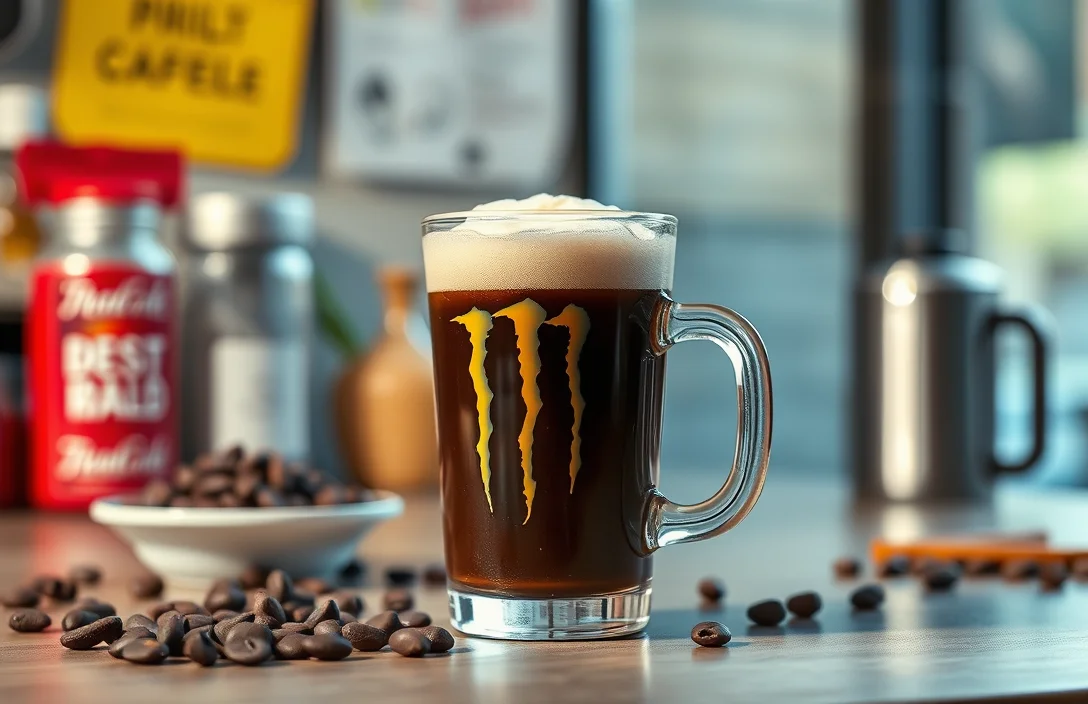
Monster Java contains approximately 188 milligrams of caffeine per 15-ounce can. This amount is significantly higher than a standard cup of coffee, making it a popular choice for those seeking an energy boost. Understanding the caffeine content can help you manage your intake effectively.
Monster Java provides 188 mg of caffeine in a 15-ounce serving. This is more than double the caffeine found in most regular sodas. Knowing this can help you gauge your caffeine consumption accurately.
Caffeine Content in Monster Java
Monster Java products feature varying caffeine levels. Each 15-ounce can typically contains about 200 milligrams of caffeine. This amount is significant and can impact energy levels considerably, especially for those sensitive to stimulants.
Products within the Monster Java line include different flavors, such as Mean Bean and Vanilla Light. All of these flavors maintain a caffeine content close to the 200-milligram mark. Monitoring these levels helps consumers manage their intake effectively.
Effects of this caffeine content can vary among individuals. Factors such as body weight, tolerance, and overall health influence how one reacts to caffeine. Knowing personal limits is essential for safe consumption.
Options for lower caffeine levels exist within other Monster products, but Java varieties consistently deliver a robust caffeine punch. Selecting a flavor that suits taste preferences while being aware of the caffeine content ensures a balanced energy boost.
Overall, evaluating each product’s caffeine level can guide informed choices. Understanding the impact of caffeine on personal energy can enhance daily performance. Keeping track of consumption patterns can lead to better energy management.
Comparison with Other Energy Drinks
Monster Java contains 188 mg of caffeine per 15 oz can, placing it higher than some popular energy drinks. For instance, Red Bull offers only 80 mg in an 8.4 oz can, making Monster Java significantly more potent. This difference highlights how much caffeine is in a monster java compared to others, appealing to those seeking a stronger energy boost.
Rockstar Energy Drink delivers 160 mg of caffeine in a 16 oz can, which is slightly less than Monster Java. While both are effective, the Java variant stands out for its unique blend of coffee and energy drink qualities, targeting consumers who enjoy coffee flavors with their energy boost.
Bang Energy, on the other hand, packs in 300 mg of caffeine in a 16 oz can, leading the market in potency. This comparison shows that while Monster Java is strong, Bang offers even higher levels for those who prefer extreme energy. Considering these differences helps consumers select the right drink for their needs.
Lastly, Celsius provides around 200 mg of caffeine in a 12 oz can, making it another competitive choice. While each drink has its unique flavor profile and formulation, those looking for a balanced energy drink may lean towards Monster Java for its mix of caffeine and coffee flavor.
Effects of Caffeine Consumption
15–45 minutes after consumption caffeine peaks in blood, increasing alertness and reaction time. Expect elevated heart rate and systolic blood pressure for several hours. Caffeine blocks adenosine receptors to reduce fatigue and can trigger anxiety or tremor at higher doses. Plan activity and dosing around these timing effects to avoid impaired sleep or performance drops later.
Adults sensitive to caffeine should monitor total intake and note that how much caffeine is in a monster java varies by flavor, but typically falls around 150–200 mg per can; always read the can’s nutrition facts. Space consumption at least 6 hours before bedtime, avoid combining with other stimulants or prescription stimulants, and consult healthcare providers for heart rhythm or anxiety concerns.
Daily Caffeine Recommendations
Moderation stands as the key principle for caffeine consumption. Health experts generally recommend that adults limit their intake to 400 milligrams per day. This guideline accounts for all sources of caffeine, including beverages like Monster Java. Staying within this limit helps prevent adverse effects such as anxiety, insomnia, and increased heart rate.
- Adults should aim for 400 mg total.
- Pregnant women are advised to limit intake to 200 mg.
- Individuals with specific health concerns should consult a healthcare provider.
- Monitor your body’s response to caffeine consumption.
- Balance caffeinated beverages with plenty of water.
Tracking your daily caffeine intake is crucial. Many people underestimate how much caffeine they consume, especially from energy drinks and coffee. Keeping a journal or using an app can help you stay aware of your limits. Adjust your consumption if you notice negative side effects.
Maintaining a consistent routine aids in managing energy levels. Many people find that spreading out caffeine consumption throughout the day helps avoid crashes. Consider timing your Monster Java intake to maximize its energizing effects without exceeding limits.
Nutrition Facts for Monster Java
Monster Java provides essential nutritional information beyond just caffeine content. Each 15-ounce can generally contains around 188 calories, making it a significant source of energy. Sugar levels can vary, with some variants containing about 20 grams. Understanding these figures helps consumers evaluate their overall dietary intake when choosing this beverage.
Calories contribute notably to the total energy supplied by Monster Java. Alongside caffeine, the calorie count can affect daily energy levels. For those monitoring caloric intake, considering the combined effect of sugar and caffeine is crucial for maintaining a balanced diet.
Sugars in Monster Java primarily come from added sweeteners, which can influence overall health if consumed excessively. Reading labels provides insight into whether the drink aligns with personal health goals. Balancing beverages like this with healthier options ensures a more rounded nutritional profile.
Other nutrients include B vitamins, which support energy metabolism and help convert food into fuel. These vitamins play a role in enhancing the drink’s effect, potentially making it more than just a caffeine source. Consumers should look for these added benefits when selecting their energy drink.
Overall, awareness of the nutritional values enables better decision-making. Monitoring both caffeine and calorie intake helps maintain energy levels without excessive consumption. Knowledge about what’s in Monster Java aids in creating a healthier lifestyle while enjoying this popular beverage.
Health Considerations of Caffeine
Caffeine consumption can lead to various health benefits and risks. Moderate intake may enhance focus, improve mood, and boost physical performance. However, excessive consumption can result in negative effects, which users should monitor closely.
- Increased heart rate may occur, especially in sensitive individuals. Monitoring your body’s reaction is crucial.
- Sleep disturbances can arise from late-day consumption. Limiting intake to morning or early afternoon may help.
- Digestive issues, like upset stomach or acid reflux, can be triggered by high caffeine levels. Adjusting your intake might alleviate discomfort.
- Withdrawal symptoms, including headaches and fatigue, can happen if you suddenly stop caffeine. Gradual reduction is advisable.
- Potential benefits include improved cognitive function and endurance. Staying within recommended limits can maximize these advantages.
Understanding your tolerance and how much caffeine is in a monster java is essential for making informed choices. Always consult healthcare professionals if unsure about your caffeine intake.
Alternatives to Monster Java
Exploring beverages with varying caffeine content provides options for those seeking alternatives. Many people enjoy different drinks that can deliver energy without the specific caffeine levels found in Monster Java. By knowing the caffeine content of these options, consumers can make informed choices about their beverage intake.
Espresso stands out as a powerful alternative. A single shot contains roughly 63 mg of caffeine, making it a concentrated option for quick energy. Combining it with steamed milk creates a delicious latte, offering a different flavor profile while still providing a caffeine boost.
Green tea presents a milder alternative. With approximately 35 mg of caffeine per 8-ounce cup, it delivers a gentler energy lift. Rich in antioxidants, green tea is also known for its health benefits, making it a popular choice among those cautious about caffeine consumption.
Yerba mate is another excellent option. This traditional South American drink contains about 30-50 mg of caffeine per serving, providing sustained energy without the jitters often associated with higher caffeine beverages. Its unique flavor and cultural significance add to its appeal.
Energy drinks vary widely in caffeine content. Many brands offer options that range from 80 mg to over 200 mg per can. Always check the label for specific information, as formulations can differ significantly between products.
Coffee alternatives like cold brew also deserve attention. Cold brew coffee often has around 200 mg of caffeine per 12-ounce serving, significantly higher than many other options. Its smooth taste and lower acidity make it a favorite among coffee enthusiasts.
Quick Summary
- Monster Java drinks contain varying amounts of caffeine based on the flavor.
- On average, a 15 oz can of Monster Java contains approximately 188 mg of caffeine.
- This caffeine content is similar to that found in two cups of brewed coffee.
- Different flavors may have slightly different caffeine levels, so checking the label is advisable.
- Monster Java is designed for energy and focus, making it popular among those needing a quick boost.
- Excessive consumption of caffeine can lead to side effects such as increased heart rate and insomnia.
- Moderation is key when enjoying caffeinated beverages like Monster Java.
Frequently Asked Questions
How much caffeine is in a Monster Java?
A typical 15-ounce can of Monster Java contains about 188 mg of caffeine. This amount can vary slightly depending on the specific flavor, but it generally falls within this range.
How does the caffeine content of Monster Java compare to coffee?
Monster Java typically has a higher caffeine content than an average cup of coffee, which usually contains around 95 mg of caffeine per 8-ounce serving. However, the caffeine concentration in coffee can vary significantly based on the type and brewing method.
Is the caffeine in Monster Java safe to consume?
For most healthy adults, consuming moderate amounts of caffeine, such as that found in Monster Java, is generally considered safe. However, it is important to monitor your total daily caffeine intake and consider personal tolerance levels.
Can I drink Monster Java if I am sensitive to caffeine?
If you are sensitive to caffeine, it is advisable to limit or avoid Monster Java due to its high caffeine content. Consider looking for low-caffeine alternatives or decaffeinated options to prevent unwanted side effects.
Are there any health benefits associated with consuming caffeine?
Moderate caffeine consumption may offer some health benefits, such as improved alertness and cognitive function. However, excessive intake can lead to negative health effects, so it’s important to consume it in moderation.

- Unlocking the Venti: Discover the Perfect Shot Count for Your Drink - October 13, 2026
- Unpacking the Buzz: Caffeine Levels in Café Bustelo Espresso - October 13, 2026
- How to Fix Bitter Coffee: 10 Expert Ways to Improve the Taste - October 4, 2026