
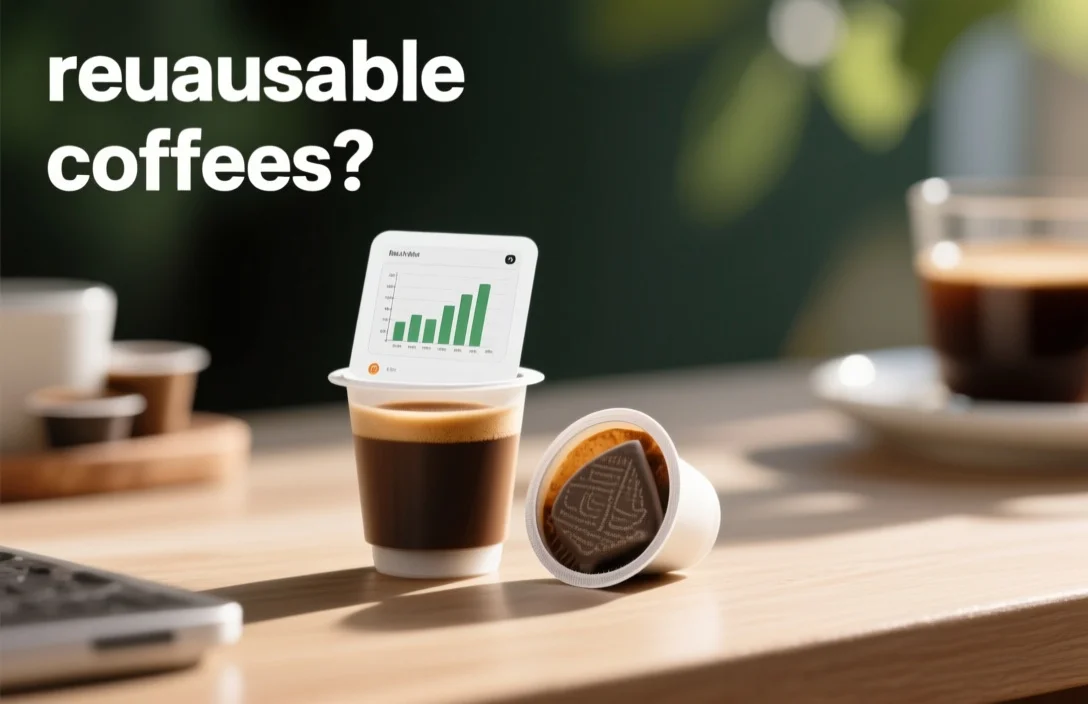
Reusable coffee pods let you use your own ground coffee in single‑serve machines, reducing single‑use waste and recurring capsule purchases. They work either as refillable basket filters for pod-style brewers or as metal capsules that replace disposable espresso pods, and the right choice depends on your machine compatibility, grind preferences, and how much cleaning you want to do.
How reusable coffee pods work
Reusable coffee pods are physical containers that fit into single‑serve brewers so you can brew with loose ground coffee instead of prefilled disposable capsules. Two broad designs dominate the market: a basket‑style reusable filter that sits where a paper or single‑use pod would go, and a sealed metal capsule intended to match the shape and locking mechanism of capsule espresso machines.
Pressure and flow control determine extraction in single‑serve machines; reusable capsules try to mimic the original capsule’s resistance and spray pattern so you get comparable crema and strength. Machines that rely on high pressure for espresso require tighter seals and finer grinds, while machines that brew by forcing water through a larger filter basket are more tolerant of coarser grinds.
Material choice matters for heat transfer and durability. Stainless steel capsules resist deformation and are dishwasher‑safe in many cases, while nylon or silicone basket filters stay flexible and can be cheaper. Manufacturers design some capsules with multiple hole patterns or adjustable lids to tune flow and extraction; expect differences in how they perform with dark roasts, single‑origin beans, or espresso blends.
which machines work and which don’t
Keurig‑style brewers accept refillable K‑Cup baskets that are typically cylindrical and use a coarse mesh; those baskets sit inside the same holder as disposable pods. Capsule espresso systems, including some machines that use proprietary capsules, require capsules shaped to lock and puncture against the machine’s internal needles; not all capsule shapes have a reusable equivalent.
Low‑pressure single‑serve machines tolerate a wide range of grind sizes and pod designs, which means most refillable baskets will work across those models. High‑pressure espresso machines demand a metal capsule engineered for that system and a grind that behaves like espresso – otherwise you’ll get weak or under‑extracted shots.
Always check your machine’s manual for warnings about third‑party or reusable capsules. Manufacturers sometimes void warranties for damage caused by nonstandard pods, and some machines perform internal checks that detect incompatible capsule dimensions or pressure signatures. If warranty concerns matter, prioritize reusable products that explicitly state compatibility with your model.
Choosing the right reusable pod
Stainless steel capsules suit people who want durability and the option to rinse in hot water or a dishwasher without degrading the part. Mesh or nylon basket filters are lighter and cheaper but can stain, trap oils, and need more frequent replacement. Some capsules combine materials – a metal shell with a removable silicone gasket – to balance sealing with serviceability.
Filter fineness controls extraction. A fine‑mesh filter will retain more sediment and produce a cleaner cup, but it increases backpressure and can slow brewing. Coarser mesh drains faster and extracts differently; that often suits drip‑style single‑serve units better than espresso systems. Capsule designs that include multiple tiny holes or a perforated plate distribute water more evenly; expect a more uniform extraction from those designs.
Size and locking mechanism are critical mechanical specs. Capsule espresso machines often rely on a snap or twist to form a seal; a mismatch in diameter or lip shape can cause leaks, poor pressure, or no brew at all. Measure the original pod or the machine’s capsule chamber if the vendor doesn’t state explicit compatibility. Look for BPA‑free gaskets and food‑grade materials if you’re concerned about off‑flavors or chemical exposure.
How to prepare, fill, and brew (step‑by‑step)
- Grind: Use a grind suitable for your machine. For refillable basket filters, target a medium grind. For metal capsules in espresso machines, grind to an espresso‑fine consistency.
- Dose: Measure coffee into the pod. Start with a dose similar to a regular capsule or your usual shot weight and adjust by taste after the first few brews.
- Level and tamp lightly: Level the coffee surface, and press lightly when using espresso‑style capsules. Avoid heavy tamping unless the capsule instructions recommend it.
- Seal or close: Replace the capsule lid or snap the basket into its holder per the product’s design. Ensure gaskets and lids are clean and properly seated.
- Brew: Run the normal extraction cycle. Observe pressure or flow – slow drips or continuous spurting indicate grind or sealing issues; troubleshoot if flow deviates strongly from standard behavior.
Measure and adjust across three to five brews before judging the pod’s performance. Grind size, dose, and tamping interact – tightening one variable will often require changing another. Keep notes of settings that produced the cup you prefer so you can replicate them after cleaning or when switching beans.
Cleaning, maintenance, and expected lifespan
Rinse a reusable pod immediately after use to prevent oils and grounds from drying inside the mesh or gasket – dried coffee solids are harder to remove and can affect flavor. Most stainless steel capsules survive the dishwasher, but gasket materials or fine mesh components may degrade faster if machine‑washed repeatedly. Replace worn gaskets at the first sign of cracks to preserve seal integrity.
Deep cleaning once a week helps prevent build‑up. Soak removable parts in hot water with a mild detergent, use a soft brush to clear mesh, and test flow after reassembly. Vinegar or citric acid descaling can be used sparingly on metal parts, but avoid abrasive cleaners that could distort sealing surfaces or widen mesh holes.
Lifespan varies by material and use pattern. High‑quality metal capsules can last several years with daily use, while nylon baskets often need replacement more frequently. Inspect parts monthly for persistent staining, holes that have enlarged, or deformed rims; any of these signs indicate it’s time to replace the pod. Storing pods dry prevents mold and odors.
Advantages, trade‑offs, and environmental impact
Using refillable pods significantly reduces the volume of single‑use packaging you discard, particularly if you brew frequently and choose beans sold in recyclable or compostable packaging. Refillable systems let you control coffee quality and roast profile, which can improve taste and allow experimentation beyond what brand capsules offer.
Trade‑offs include more hands‑on time for filling and cleaning, and the possibility that the reusable pod won’t perfectly match the performance of manufacturer capsules. Freshness matters – preground coffee loses volatile aromas faster than beans you grind before brewing, so expect a taste difference if you use older grounds in a reusable capsule.
Estimating environmental benefits requires factoring in materials, transport, and how often you replace the reusable pod. A durable stainless steel capsule that you use daily for years has a different lifetime impact than a low‑cost plastic basket replaced every few months. Consider choosing beans with minimal single‑use packaging and composting spent grounds to close the loop on waste.
Cost considerations and where the savings come from
Most refundable savings derive from the difference between one‑time purchases of reusable parts and the recurring expense of single‑use pods. Savings increase the more you brew; daily coffee drinkers will reach payback sooner than occasional users. Initial outlay includes the reusable pod itself and potentially a grinder if you want optimal freshness.
Ongoing costs include replacement gaskets or mesh, occasional new pods if you change machine types, and the coffee itself. Choosing bulk whole beans often reduces per‑cup cost versus prepackaged capsules, but that depends on the beans and how you value convenience and time spent cleaning.
If upfront budget is a priority, a simple nylon basket filter is the cheapest route and still lowers per‑cup waste. If you want long life and compatibility with an espresso machine, expect to invest in a stainless steel capsule designed for your system. Always balance initial cost against expected use frequency and the quantity of disposable pods you currently buy.
Common mistakes and how to troubleshoot them
Using the wrong grind is the most frequent issue. Too coarse a grind in a capsule that expects fine coffee produces weak extraction; too fine a grind in a basket filter causes slow flow and potential overflow. Test grind adjustments in small increments and document which settings work.
Overpacking the pod leads to swollen gaskets and blocked flow. Pack firmly only when the product instructions explicitly recommend tamping; most refillable capsules need light pressing or just leveling. Underfilling causes thin, under‑extracted brews, so maintain consistency in dosing.
Leaks are often gasket‑related or due to incorrect seating. Inspect edges for nicks and ensure the pod seats flush against the machine’s chamber lip. If you see grounds in the brewed cup, switch to a finer mesh or use a paper filter insert designed to fit the reusable pod.
If the machine throws an error or refuses to brew, confirm the capsule dimensions match the machine’s original pods and that any capsule sensors in the brewer aren’t being triggered by an unexpected profile. Avoid forcing a pod into position; doing so risks damaging both parts.
Where to buy and what to check before you buy
Retail marketplaces and kitchen specialty stores supply many reusable pod options. Choose vendors that list explicit machine compatibility and provide clear photos of the lid, gasket, and internal mesh. Check return policies and warranty terms – items that deform on first use should be returnable.
Ask the seller about material grade and whether gaskets are replaceable. Look for food‑grade stainless steel and silicone gaskets labeled for high temperatures, and verify whether the mesh is labeled as fine or coarse. If a product page lacks these specifics, request them from the seller or consider a competitor who publishes explicit specs.
Measure your machine’s pod chamber if you can’t confirm compatibility online. Take note of diameter, height, any sealing lip, and how the machine locks the pod. Buying a pod that lists compatibility with your exact model is safer than trusting generic claims.
| Name | Price / Key Spec | Best For |
|---|---|---|
| Refillable basket filter | One‑time cost; coarse mesh; fits many single‑serve brewers | Casual brewers who want low initial cost |
| Stainless steel capsule | One‑time cost; metal shell with gasket; model‑specific fit | Daily espresso drinkers aiming for longevity |
| Silicone gasket kit (replacement) | Low cost; model‑specific | Maintainers who want to extend capsule life |
| Paper filter inserts (for baskets) | Low recurring cost; disposable | Users wanting easier cleanup and cleaner cups |
Practical examples and recipes to try
Start with a standard dose you usually use for a single serve and adjust by small amounts to match strength. If you brew an espresso‑style shot with a metal capsule, aim for the same dose you use with original capsules and adjust grind if extraction differs. For drip‑style refillable baskets, use a medium grind and experiment with dosing between lighter and bolder to match your taste.
Try a test matrix across three brews: keep dose constant while changing grind, then keep grind constant while changing dose. Record extraction time and taste descriptors like acidity, bitterness, and body. Use those notes to settle on settings that reproduce your preferred cup.
Flavor additives such as flavored syrups or milk do not interact with the pod, but oily beans and flavored compounds can accelerate mesh clogging. If you prefer flavored beans, clean your mesh more often and consider a paper insert for easier maintenance.
Common myths and facts
Myth: Reusable pods always make coffee taste worse.
Fact: Taste depends on roast, grind, and freshness more than the capsule itself. Properly dialed‑in grinds and fresh beans will often improve cup quality compared with mass‑produced sealed pods.
Myth: All reusable pods void machine warranties.
Fact: Warranty language varies by manufacturer; some explicitly warn against third‑party accessories, while others do not. Reading warranty documents and manufacturer guidance is the only reliable way to know.
Myth: Reusable pods are always the greener option.
Fact: Environmental impact depends on materials, lifespan, and disposal of spent grounds; a durable metal capsule used for years avoids more waste than a frequently replaced plastic basket.
FAQ
Are reusable coffee pods compatible with all single‑serve machines?
Compatibility differs by machine and pod type. Refillable basket filters commonly fit many drip‑style single‑serve brewers, while metal capsules must match the espresso machine’s capsule profile and sealing system.
How fine should the grind be for a reusable capsule?
Grind selection depends on pod design. Use a medium grind for refillable baskets and an espresso‑fine grind for metal capsules in espresso machines. Adjust finer or coarser in small steps until flow and taste match expectations.
Can I run reusable pods through the dishwasher?
Some stainless steel capsules are dishwasher‑safe, but gaskets and fine meshes may degrade faster if washed repeatedly in a dishwasher. Follow the manufacturer’s cleaning recommendations and consider hand washing to extend life.
Will using a reusable pod damage my machine?
Damage is unlikely if you use a compatible pod and follow instructions. Incompatible dimensions or forcing a pod into place can cause leaks or mechanical issues; confirm fit and inspect gaskets before use.
How do I prevent mold in reusable pods?
Dry pods thoroughly after cleaning and store them open. Remove gaskets occasionally to dry the sealing area, and perform weekly deep cleans to remove oils that can trap moisture.
Verdict and next
Reusable coffee pods are a practical option for people who want control over bean choice, reduced single‑use waste, and lower long‑term per‑cup cost at the expense of extra cleaning and setup. If you drink single‑serve coffee daily and own a compatible machine, choose a durable stainless steel capsule that explicitly lists compatibility with your model and buy a grinder if you don’t already have one. Test grind and dose across several brews, keep a cleaning routine, and replace gaskets when they show wear to get the best performance.

- How to Fix a Portafilter: Size, Locking Mechanism, and Troubleshooting Guide - October 22, 2026
- 35 Coffee Machine Parts and Functions: Complete Guide With Names and Uses - October 22, 2026
- 25 Espresso Machine Parts Names and Their Functions Explained - October 22, 2026