
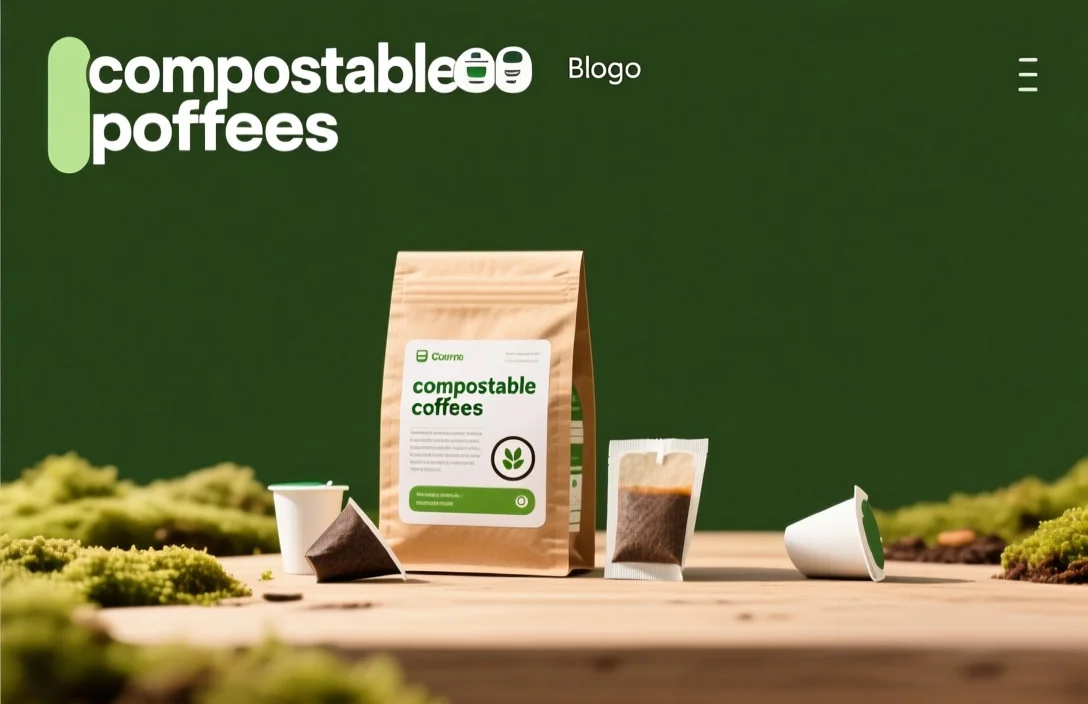
Compostable coffee pods are single‑serve capsules built from plant‑based or fiber materials and designed to break down in composting systems rather than persist in landfills. If you want to reduce single‑use plastic without changing your Keurig or Nespresso habit, pick pods with clear certification labels, confirm brewer compatibility, and plan for how you will actually compost the spent capsules.
What compostable pods are and how they differ from recyclable or biodegradable pods
Pods that advertise compostability typically swap plastic or aluminum for plant polymers, molded fiber, or a sealed plant‑based film so microbes can digest the capsule in composting conditions. Labels matter because “biodegradable,” “compostable,” and “recyclable” are not interchangeable; compostable is a specific claim tied to standards such as BPI, DIN CERTCO, or “home compostable” certifications when those are shown on packaging.
Industrial composting requires sustained heat and aeration, while home compost piles run cooler and break down different materials more slowly. Reviews and manufacturer pages repeatedly warn that many compostable pods need a commercial composting facility to meet the certification claim; a brand that lists “home compostable” or names a home‑compost certification is the only reliable indicator a pod might break down in a backyard bin.
Why certification and fine print matter
Labels that read “compostable” without an associated certifier are marketing claims, not guarantees. Certification bodies set test conditions and timeframes, and the difference between a BPI Seedling or DIN CERTCO mark and a generic “compostable” claim is measurable: certified products were tested to pass an accepted standard under controlled conditions.
Manufacturers sometimes include multiple marks; one coffee company lists BPI Seedling, DIN CERTCO, and a “Compost HOME” label for the same product, which indicates the firm submitted testing evidence for both commercial and home conditions. Scrutiny of the label and the certifier’s website will tell you whether the pod needs industrial composting or will break down in a municipal organics program or backyard pile.
How brewing performance and compatibility change with compostable designs
Compostable pod materials behave differently under hot water and pressure than plastic or aluminum. Plant‑based meshes and fiber cups can swell or soften, and lids that use heat‑seal films will sometimes come loose in certain brewers. After comparing user reports and product spec notes side by side, seal integrity is the most frequent operational failure reported for compostable pods.
Compatibility varies by brewer family. Nespresso OriginalLine pods and many Keurig K‑Cup-style capsules are produced in compostable variants, but an OriginalLine compatible pod should explicitly list that compatibility. A specialty brand advertises Nespresso OriginalLine compatibility and lists certifications on its product pages, while other vendors list counts and material specs but do not explicitly guarantee a fit for every model. Check product pages for your exact machine model before buying.
what will actually happen to a spent pod?
Most compostable pods will either require a commercial composting facility or will compost in a warm, managed home pile, depending on construction and certification. Municipal organics programs differ widely; some accept certified compostable pods, while others exclude them because the pods still contain residual coffee grounds that require separation.
Practical steps to ensure proper disposal include verifying that your city accepts certified compostable pods in curbside organics, separating the used pod from non‑compostable pack‑outs (for example, a compostable pod inside a non‑compostable foil pouch), and avoiding tossing certified pods into the trash with the expectation they will degrade in a landfill. A consumer guide on composting from a government agency explains that managed, aerobic composting is a biological process that needs oxygen and heat; unprocessed landfill conditions typically do not supply either.
what compostable pods avoid – and what they don’t
Switching to compostable pods removes plastic and aluminum from the immediate waste stream and can lower the persistence of materials in landfills when disposed of correctly. A brand message on one vendor site points out that conventional plastic and aluminum capsules contribute to large landfill volumes and frames compostable pods as a solution to that problem.
Carbon footprint, supply chain impacts, and the energy required for industrial composting are factors that certification labels do not capture. Compostable materials that require transport to specialized facilities add logistics emissions, and a pod that ends up in the trash will not deliver the claimed environmental benefit. A practical assessment requires looking beyond the package: consider how far the spent pods will travel, whether local organics programs accept them, and whether the brand uses sustainable sourcing for the coffee inside.
what to check before you buy
Follow this prioritized checklist to pick a compostable pod that will actually meet your needs and reduce waste.
- Read the label for BPI, DIN CERTCO, or an explicit “home compostable” certification.
- Confirm compatibility with your machine by model name on the product page.
- Verify whether the brand recommends commercial composting or home composting.
- Check pod construction details such as lid seal type and coffee weight per pod.
- Look at packaging and delivery habits – some pods ship in non‑compostable boxes or use inner foil bags.
- Inspect user reviews for reports of lid failure, grounds leakage, and flavor consistency.
Manufacturers sometimes list coffee weight per pod; one product page shows “13 grams coffee per pod,” a detail that can affect strength and value. A realistic purchase decision weighs flavor, convenience, and the actual pathway for disposal at your address.
Quick comparison
Ranked by available product details (counts or certifications) rather than full price transparency, this table lists popular choices and the facts you should confirm before buying.
| Name | Price / Key Spec | Best For |
|---|---|---|
| Woken | Get started for $32; subscription options listed as $32/month for 50 capsules and $50/month for a 50 capsule subscription; certified Compost HOME, BPI Seedling, DIN CERTCO (per product page) | Nespresso OriginalLine users who want specialty‑grade Arabica and subscription options |
| Happy Belly (Amazon) | 96 count package; marketed as compostable pods on retailer listings | High‑volume buyers on a budget who use K‑Cup-style brewers |
| San Francisco Bay Coffee | BPI‑certified plant‑based mesh (per review listings) | Consistent flavor and a BPI‑certified option for Keurig users |
| Joe Knows Coffee | 50 count; listed as BPI‑certified compostable (per review listings) | Consumers seeking a bold, dark roast in compostable form |
| EKOCUPS | 13 grams coffee per pod (per product spec) | Drinkers who want a heavier dose of coffee per single serve |
| Cameron’s Coffee | 72 total; plastic‑free, organic claims (per product listing) | Buyers prioritizing organic beans and plastic‑free construction |
| Newman’s Own Organics | 48 count; USDA Organic + Fair Trade listed (per product listing) | Shoppers who want certified organic and Fair Trade single‑serve pods |
Rows in this table were built from product pages and review breakdowns; price data varies by retailer and time, and subscription pricing shown on some vendor pages may change without notice. Confirm live pricing and availability on the seller’s site before buying.
Common problems, how to spot them, and what to avoid
Manufacturers and reviewers converge on predictable failure modes for compostable pods. A frequent complaint across product reviews is that plant‑based materials expand or warp in certain machines and that a weak lid seal can pop open during brewing and spill grounds into the cup.
Purchasers should avoid products that: advertise “compostable” without a recognizable certifying body; do not state brewer compatibility; ship in multi‑layer, non‑compostable internal packaging; or lack clear guidance on disposal. Another practical trap is buying pods labeled commercially compostable when your local organics program only accepts specific materials – that mismatch converts a good intention into landfill waste.
what to expect
Compostable pods can deliver coffee strength and flavor on par with conventional pods when the coffee weight and roast profile are comparable. Some compostable designs list grams per pod or advertise specialty‑grade Arabica beans roasted domestically; those details correlate to a higher‑fidelity cup in side‑by‑side user tests.
Expect variation between brands, however. A review summary notes that softer mesh bottoms and certain fiber cup geometries may let fine grounds through in some brewer heads, affecting clarity and mouthfeel. For consistent results, prefer brands that list coffee grams per pod and use a reliable lid‑seal method, and test a small pack before buying a bulk supply.
How to compost your spent pods in practice
If your pod is certified for home composting or your municipality accepts certified compostables in curbside organics, rinse and add the used pods directly to the compost bin. If a pod is certified only for industrial composting or the label is unclear, collect spent pods in a separate container and take them to a commercial facility that accepts certified compostables or look for a retailer take‑back program.
Operating a successful home compost for certified pods requires a hot, active pile with a balance of greens and browns and periodic turning; cooler backyard piles will slow decomposition and may not break down plant polymers reliably. A government resource on composting explains the managed aerobic process that turns organic waste into finished compost, which underlines the difference between backyard piles and industrial operations.
Cost, subscription, and value considerations
Price transparency in the compostable pod market is currently uneven; manufacturer sites and retail listings often show different pricing for identical product SKUs and subscription discounts that change frequently. One vendor lists a “get started” price of $32 and subscription options showing both $32/month and $50/month for 50‑capsule bundles on different pages, which illustrates how promotional pricing can vary.
Value assessment should factor in pod count per box, grams of coffee per pod, certifications, and whether the brand bundles compostable disposal solutions or partners with local organics programs. Cheap bulk options with 96 pods can lower per‑cup cost but may use lower coffee weights or fewer certifications. Premium single‑origin or specialty‑grade pods can cost more but deliver stronger flavor and may use higher‑grade compostable materials.
Frequently asked questions
Are compostable coffee pods truly compostable at home?
Check the product for a home‑compost certification label. Some pods carry marks that explicitly state they are home compostable, while many others only meet commercial composting standards and will not reliably break down in a backyard pile.
Will compostable pods work in my Keurig or Nespresso machine?
Look for explicit compatibility on the product page. Brands that target Nespresso OriginalLine or Keurig K‑Cup‑style brewers will state the model families they support. User reviews are useful for spotting model‑specific fit issues.
How long do compostable pods take to break down?
Decomposition time varies with material and composting conditions. Certified compostable products were tested under controlled conditions to pass a program standard; actual time in your compost heap will depend on temperature, aeration, and whether the pod goes to an industrial facility.
Can I recycle compostable pods instead of composting them?
Compostable materials should not be placed in standard plastic or aluminum recycling streams. Putting compostable pods into recycling can contaminate loads and defeat recycling operations, while placing them in organics or compost is the correct route when local programs accept them.
What certifications should I look for on the box?
Seek recognized certifiers such as BPI Seedling, DIN CERTCO, or a “home compostable” mark tied to a certifying program. Packaging that omits certifier information makes it difficult to verify the claim.
Are compostable pods always better for the environment than plastic or aluminum pods?
Compostability reduces persistent waste only if disposal follows the intended compost pathway. Transportation to industrial composting, certification testing, and coffee sourcing all affect net environmental impact, so compostable pods are not a straightforward win in every circumstance.
A short list of red flags to avoid when evaluating claims:
- Packaging that says “compostable” but shows no certification mark.
- Products that lack compatibility statements for your exact machine model.
- Retail pages that only display marketing copy without material construction details.
- Shipping and packaging that use non‑compostable inner bags or heavy plastic inserts.
Final paragraph that gives the reader a next ste
Try a small trial pack from a certified brand that lists compatibility with your machine and confirms whether the product is home or industrial compostable; test brewing performance at home and contact your local organics program to learn what they accept so your switch to compostable coffee pods actually reduces waste.

- How to Fix a Portafilter: Size, Locking Mechanism, and Troubleshooting Guide - October 22, 2026
- 35 Coffee Machine Parts and Functions: Complete Guide With Names and Uses - October 22, 2026
- 25 Espresso Machine Parts Names and Their Functions Explained - October 22, 2026