
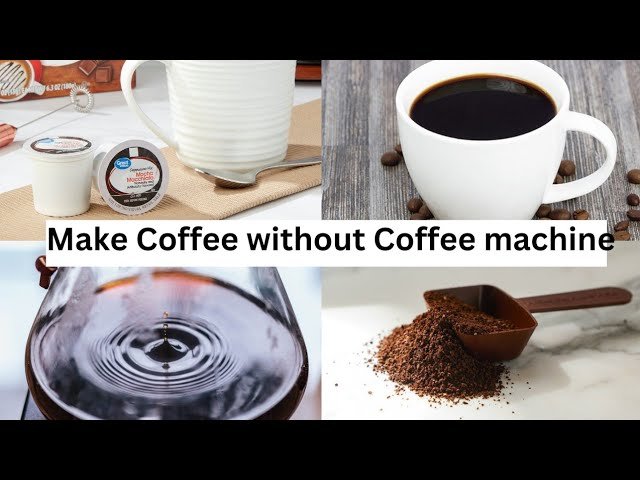
You can brew coffee without a coffee maker using methods like immersion, pour-over with makeshift tools, or even a simple stovetop pot.
The art of coffee brewing extends far beyond the confines of a traditional machine. Perhaps your coffee maker unexpectedly broke, or you're simply exploring minimalist brewing techniques while traveling. Whatever the reason, understanding how to brew coffee without a coffee maker is a valuable skill that opens up a world of rich, aromatic possibilities. This comprehensive guide will equip you with the knowledge and confidence to craft an exceptional cup of coffee using readily available tools, ensuring your daily ritual remains uninterrupted and delightful.

Mastering the Art of Brewing Coffee Without a Coffee Maker
Brewing coffee without a dedicated machine often involves a return to fundamental principles: steeping ground coffee in hot water and then separating the solids. This approach emphasizes the quality of your beans and the precision of your water temperature and steep time. Throughout my own travels and during unexpected power outages, I’ve refined several reliable techniques to brew coffee without a coffee maker, proving that a delicious cup is always within reach. Let’s delve into the most effective methods, ensuring you can enjoy your favorite beverage no matter the circumstances.
The Classic Cowboy Coffee Method
The cowboy coffee method is perhaps the most straightforward way to brew coffee without a coffee maker, requiring only a pot, water, and coffee grounds. This technique produces a robust, full-bodied cup, often with a rustic charm. It’s perfect for camping or when you need a quick solution at home.
- Heat water: Bring your desired amount of water to a boil in a saucepan.
- Add coffee grounds: Once the water reaches a rolling boil, remove it from the heat and let it cool for about 30-60 seconds. Then, add your coarse-ground coffee directly to the hot water. A general ratio is two tablespoons of coffee per six ounces of water, but adjust to your taste.
- Stir and steep: Gently stir the mixture to ensure all grounds are saturated. Allow the coffee to steep for approximately four minutes for a medium strength brew.
- Settle the grounds: To help the grounds sink, pour about a quarter cup of cold water into the pot or gently tap the side of the pot. Wait for another minute or two.
- Pour carefully: Slowly and carefully pour the coffee into your mug, leaving the grounds behind in the pot. It’s natural to have a small amount of sediment at the bottom of your cup with this method.
One common question people ask is, "What grind size is best for brewing without a coffee maker, especially for methods like cowboy coffee?" For cowboy coffee and other immersion methods, a coarse grind is preferable. A coarser grind prevents over-extraction and reduces the amount of fine sediment in your final cup, making the drinking experience much more enjoyable.
The Saucepan Filtration Method
This method builds upon the cowboy coffee technique but introduces a simple filtration step to produce a cleaner cup. It’s an excellent way to brew coffee without a coffee maker while minimizing sediment, offering a smoother texture.
- Prepare the coffee: Follow the first three steps of the cowboy coffee method: heat water, add coarse-ground coffee, and steep for four minutes.
- Prepare your filter: Place a clean cloth, such as a paper towel, cheesecloth, or even a clean sock, over a separate mug or pitcher. Secure it with a rubber band if necessary.
- Strain the coffee: Carefully pour the steeped coffee through the makeshift filter into your mug or pitcher. The filter will catch most of the coffee grounds, resulting in a cleaner brew.
- Serve immediately: Enjoy your filtered coffee. This technique delivers a surprisingly clean and flavorful cup, demonstrating the versatility of brewing coffee without a coffee maker.
The DIY Pour-Over Method
If you enjoy the clean, bright flavors of pour-over coffee, you can replicate a similar experience without specialized equipment. This approach focuses on controlled extraction and proper filtration, making it a sophisticated way to brew coffee without a coffee maker.
- Grind your coffee: Use a medium-fine grind, similar to what you’d use for an automatic drip machine.
- Prepare your makeshift dripper: Find a funnel, a small sieve, or even poke holes in the bottom of a disposable cup. Line it with a paper towel, a coffee filter from an old machine, or a thin, clean cloth. Place this over your mug.
- Heat water: Bring water to just off the boil (around 200°F or 93°C).
- Bloom the coffee: Add your ground coffee to the filter. Gently pour a small amount of hot water over the grounds, just enough to saturate them. Let it "bloom" for 30 seconds; this allows gases to escape and enhances flavor extraction.
- Slowly pour: Continue pouring water slowly and steadily in a circular motion over the grounds, aiming to keep the water level consistent. Avoid pouring directly onto the filter's sides.
- Enjoy: Once all the water has passed through, remove your makeshift dripper and enjoy your handcrafted pour-over. This method truly showcases how adaptable brewing coffee without a coffee maker can be.
Understanding the Essentials for Quality Brewing Beyond the Machine
Achieving excellent coffee consistently, even when you brew coffee without a coffee maker, hinges on a few critical factors. These elements are universally applicable and elevate any brewing method you choose. As someone who has experimented with numerous techniques, I’ve learned that attention to these details makes all the difference, transforming a simple brew into an exceptional one.
The Importance of Coffee Bean Quality and Grind
The foundation of any great cup of coffee begins with the beans. Freshly roasted, high-quality coffee beans are paramount. Buying whole beans and grinding them just before brewing significantly impacts the flavor profile, regardless of whether you brew coffee without a coffee maker. Stale or pre-ground coffee quickly loses its aromatic compounds, resulting in a flat, uninspired taste.
- Freshness: Always opt for freshly roasted beans. Look for roast dates on the packaging, ideally within a few weeks of your purchase.
- Grind Size: Matching the grind size to your chosen brewing method is crucial.
- Coarse grind: Best for immersion methods like cowboy coffee or cold brew, as it prevents over-extraction and minimizes sediment.
- Medium grind: Ideal for saucepan filtration or makeshift pour-over methods, allowing for balanced extraction.
- Fine grind: Generally reserved for espresso or Turkish coffee; avoid for most manual methods unless you have a very robust filter.
I vividly recall a camping trip where I forgot my portable grinder. We had to crush beans between two rocks, which produced a very inconsistent grind. The resulting coffee, while drinkable, was a testament to how proper grind uniformity impacts the taste and sediment level. It truly made me appreciate having a good grinder, even when improvising how to brew coffee without a coffee maker.
Water Quality and Temperature
Water is the main ingredient in coffee, so its quality cannot be overlooked. Filtered water free from impurities or strong mineral tastes will allow the true flavors of your coffee to shine through. Beyond quality, temperature plays a vital role in extraction.
- Filtered Water: Use filtered water whenever possible to avoid imparting undesirable flavors to your brew. Tap water with high chlorine or mineral content can detract significantly from your coffee’s natural taste.
- Optimal Temperature: The ideal brewing temperature is typically between 195°F and 205°F (90°C to 96°C).
- Boiling water (212°F/100°C): Too hot, it can scald the coffee grounds, leading to bitter flavors.
- Too cool water: Results in under-extraction, leading to a weak, sour, or flat taste.
If you don't have a thermometer, simply bring your water to a full boil and then let it sit off the heat for 30-60 seconds before pouring. This brief pause allows the temperature to drop into the optimal range, ensuring a better extraction, which is key when you brew coffee without a coffee maker.
Brew Ratio and Steep Time
Getting the right balance of coffee to water (brew ratio) and allowing adequate time for extraction (steep time) are fundamental. These factors directly influence the strength and flavor profile of your final cup.
- Brew Ratio: A common starting point is a 1:15 to 1:18 coffee-to-water ratio. This means for every gram of coffee, you use 15 to 18 grams of water.
- For example, if you use 20 grams of coffee, you'd aim for 300-360 ml of water.
- Without a scale, a good rule of thumb is two tablespoons of coffee per six ounces of water.
- Steep Time: The duration of contact between coffee and water impacts extraction.
- Too short: Weak, sour, or underdeveloped coffee.
- Too long: Over-extracted coffee, leading to bitterness and astringency.
- For most manual methods, a steep time of 4-5 minutes is a good starting point, adjusting based on grind size and desired strength.
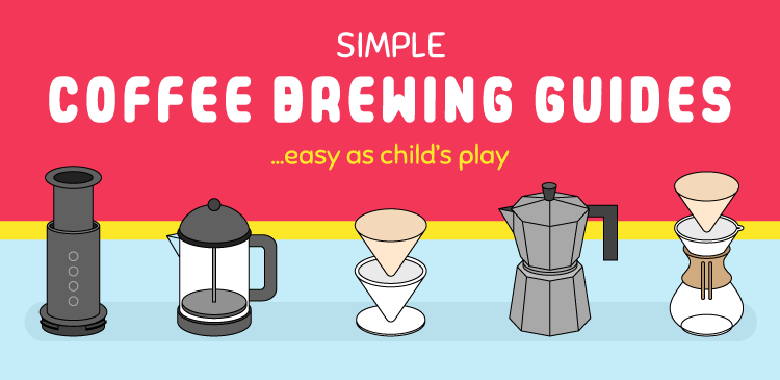
Can I make espresso without a machine? While you cannot achieve true high-pressure espresso without a specialized machine, you can create a very strong, concentrated coffee that can be used similarly. The Moka pot, while a "maker," is an excellent stovetop alternative that produces a potent, espresso-like concentrate. Alternatively, a highly concentrated cold brew or a very strong, short-steeped cowboy coffee can serve as a suitable substitute for milk-based drinks. The goal is to maximize flavor extraction in a small volume when you brew coffee without a coffee maker.

Beyond the Basics: Creative Solutions and Troubleshooting
Even when improvising how to brew coffee without a coffee maker, creativity and problem-solving can lead to surprisingly satisfying results. Understanding common pitfalls and having alternative solutions ready can save your morning ritual. My own journey of mastering coffee preparation without a machine has taught me that resourcefulness is as important as the technique itself.
Emergency Filtration Options
Sometimes, you might find yourself without even a paper towel. In such situations, having a mental toolkit of emergency filtration options is incredibly useful when you need to brew coffee without a coffee maker.
- Reusable Cloth: A clean handkerchief, a piece of a t-shirt, or even a very thin dish towel can serve as a filter. Just ensure it's washed thoroughly and doesn't carry any detergent residue that could affect the taste.
- Fine Mesh Sieve: If you have access to a fine-mesh kitchen sieve, it can remove larger grounds, though some sediment will likely remain.
- Improvised Paper Filters: If you have regular paper, you can carefully tear a piece into a cone shape and poke small holes with a pin. Be cautious, as some paper types might break down or impart a papery taste.
The key is to prioritize cleanliness and ensure the material won't add unwanted flavors or chemicals to your coffee. When trying to brew coffee without a coffee maker, safety and flavor integrity are paramount.
Troubleshooting Common Issues
Even with the best intentions, things can go awry when you brew coffee without a coffee maker. Knowing how to troubleshoot common issues can save your brew.
- Too Bitter: This usually indicates over-extraction. Try reducing the steep time, using slightly cooler water, or a coarser grind.
- Too Sour/Weak: This points to under-extraction. Increase the steep time, use hotter water, or a finer grind. Ensure your water-to-coffee ratio is adequate.
- Too Much Sediment: A common issue with immersion methods. Try a coarser grind, ensure you're letting the grounds settle completely before pouring, and pour very slowly. An additional filtration step, even with a basic cloth, can help immensely.
- Unpleasant Taste: This can often be attributed to water quality or old, stale coffee beans. Always use fresh, good quality filtered water and freshly roasted coffee.
Learning how to brew coffee without a coffee maker has taught me resilience. Once, I had a power outage, and all I had were whole beans and no grinder. I ended up using a mortar and pestle from my kitchen, and while it wasn't perfect, the resulting coffee was a warm, comforting reminder that where there's a will, there's a way. This experience highlighted the value of having diverse methods at your disposal.

Frequently Asked Questions About Brewing Coffee Without a Coffee Maker
How can I make iced coffee without a coffee maker?
You can easily make iced coffee by brewing a stronger batch of hot coffee using any of the methods described (cowboy, saucepan, or pour-over), then letting it cool completely before pouring it over ice. Alternatively, prepare cold brew coffee, which naturally yields a concentrate perfect for iced beverages.
What’s the best way to get hot water for brewing coffee without a coffee maker if I don’t have a kettle?
A regular saucepan on a stovetop is the most common and effective way to heat water. If you’re without a stovetop, you can use a microwave-safe mug or even heat water over a campfire or an electric hot plate.
Can I reuse coffee grounds when brewing without a coffee maker?
No, it is generally not recommended to reuse coffee grounds. Once the flavor compounds have been extracted in the first brew, subsequent brews will be very weak, sour, and lack the rich aroma and taste of fresh coffee.
How do I dispose of coffee grounds when brewing manually?
Coffee grounds are biodegradable and excellent for composting or adding to garden soil. If you don’t have a compost bin, you can simply dispose of them in your regular trash.
What if I don’t have any filters at all?
If you have absolutely no filter material, the cowboy coffee method is your best bet. Allow the grounds to settle fully at the bottom of the pot, then pour very slowly and carefully to minimize sediment in your cup. Embrace the rustic charm of a slightly sedimented brew.
Conclusion
The ability to brew coffee without a coffee maker is a testament to coffee’s enduring appeal and the ingenuity of its enthusiasts. From the rugged simplicity of cowboy coffee to the refined clarity of a DIY pour-over, these methods demonstrate that a delicious, comforting cup is always within reach, regardless of your equipment. By focusing on fundamental principles like bean quality, grind size, water temperature, and brew time, you can consistently craft exceptional coffee. Embrace these techniques, experiment with what you have, and never let the absence of a machine deter you from enjoying your daily ritual. Discover the joy of handcrafted coffee by trying one of these methods today, and perhaps share your own improvised brewing stories in the comments below!

- How to Fix a Portafilter: Size, Locking Mechanism, and Troubleshooting Guide - October 22, 2026
- 35 Coffee Machine Parts and Functions: Complete Guide With Names and Uses - October 22, 2026
- 25 Espresso Machine Parts Names and Their Functions Explained - October 22, 2026