
Achieving better coffee flavor starts with precise grinding, controlling particle size for optimal extraction.
Embarking on the journey to a truly exceptional cup of coffee often leads us back to a fundamental, yet frequently overlooked, step: grinding. Many believe that the secret to a great brew lies solely in the beans or the machine, but as an experienced coffee enthusiast who has spent countless hours perfecting my craft, I can confidently tell you that mastering coffee grinding tips for better flavor is the single most transformative skill you can acquire. This article will delve deep into the nuances of grind size, grinder types, and the crucial techniques that elevate your daily coffee ritual from merely good to absolutely extraordinary, ensuring every sip is rich with the intended aroma and taste.
The Foundation: Why Grind Size Matters
Understanding the relationship between grind size and coffee flavor is paramount for any aspiring home barista. When hot water interacts with ground coffee, it extracts soluble compounds that contribute to taste, aroma, and body. The surface area of the coffee particles dictates how quickly and efficiently these compounds are extracted. Too coarse a grind means less surface area, leading to under-extraction, where the water flows too quickly and leaves behind many desirable flavors, resulting in a weak, sour, or watery cup. Conversely, too fine a grind presents excessive surface area, causing over-extraction, where the water struggles to pass through, pulling out bitter, acrid, and unpleasant notes. My own journey with coffee began with frustration, consistently producing inconsistent brews until I truly grasped how grind size was the fulcrum balancing under- and over-extraction. It’s this delicate balance that unlocks the full potential of your beans.

Choosing Your Grinder: Burr vs. Blade
The quality of your grind starts with your grinder. While many home kitchens feature blade grinders, they are, in essence, blenders that chop coffee beans haphazardly, producing an inconsistent mix of fine dust and coarse chunks. This unevenness inevitably leads to a brew where some particles are over-extracted and others under-extracted, creating a muddled and less flavorful cup. For anyone serious about coffee grinding tips for better flavor, a burr grinder is an indispensable investment. Burr grinders work by crushing beans between two abrasive surfaces (burrs) to create uniform particles. You'll find two main types: conical burrs, which are generally quieter and create a slightly coarser grind, and flat burrs, known for producing very uniform particles across a wide range of settings. Based on years of experimentation, a good quality burr grinder has proven to be the most significant upgrade for consistent flavor and unlocks the ability to truly apply effective coffee grinding tips for better flavor.
Mastering the Grind Settings for Different Brew Methods
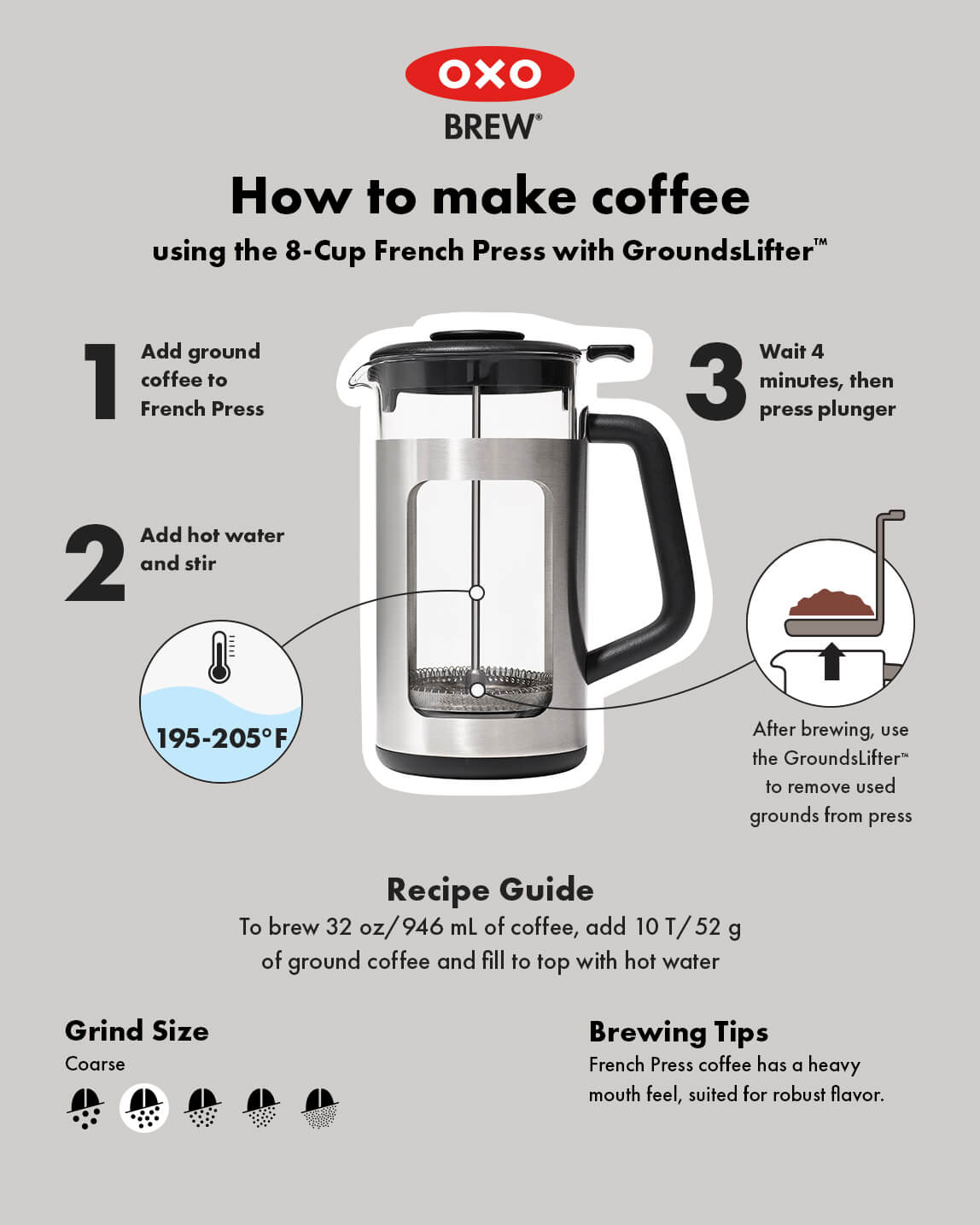
Each coffee brewing method demands a specific grind size to achieve optimal extraction and flavor. This is one of the most practical coffee grinding tips for better flavor. Understanding these nuances allows you to tailor your grind precisely, ensuring your coffee tastes its best.
- Coarse Grind (Sea Salt Consistency): Ideal for immersion brewing methods like the French Press or Cold Brew. The larger particles allow for extended steeping times without over-extracting bitter notes.
- Medium Grind (Regular Sand Consistency): Perfect for drip coffee makers and pour-over methods. This grind allows water to flow through the coffee bed at a moderate pace, ensuring balanced extraction.
- Medium-Fine Grind (Table Salt Consistency): Often preferred for Aeropress (depending on brew time) and some automatic espresso machines that can handle a slightly less demanding grind.
- Fine Grind (Powdered Sugar Consistency): The standard for espresso. The compacted bed of fine particles creates resistance, forcing water through under high pressure to extract a concentrated, flavorful shot.
- Extra-Fine Grind (Flour Consistency): Reserved for traditional Turkish coffee, where the coffee is fully immersed and consumed with the grounds.
My personal experience with espresso has taught me the most about grind adjustments. Even a tiny change in grind fineness can drastically alter the shot time and flavor profile, making it a constant dance of calibration to achieve the perfect balance.

The Art of Freshness: Grinding Just Before Brewing
One of the most impactful coffee grinding tips for better flavor, and arguably the easiest to implement, is to grind your beans immediately before brewing. Coffee beans contain volatile aromatic compounds that are rapidly released once the bean is ground and exposed to oxygen. Pre-ground coffee, even if stored in an airtight container, begins to lose its flavor and aroma within minutes. The larger surface area of ground coffee accelerates oxidation, leading to a stale, flat taste. Think of it like an apple slice – it starts browning almost immediately after being cut. Similarly, ground coffee quickly degrades. By purchasing whole beans and grinding them fresh for each brew, you preserve those delicate flavors and aromas, ensuring the freshest and most vibrant cup possible. I always advise friends, if you're only going to follow one of these coffee grinding tips for better flavor, make it this one.

Consistency is Key: Achieving Uniform Grind Particles
The hallmark of truly excellent coffee grinding tips for better flavor is consistency in particle size. As discussed earlier, a uniform grind ensures that all coffee particles extract at roughly the same rate, preventing the simultaneous occurrence of under-extraction and over-extraction within the same brew. Blade grinders are notorious for their inconsistency, producing a wide range of particle sizes. Even with a burr grinder, maintenance plays a role; dull burrs can lead to less uniform results over time. Aiming for consistent particles means your water can interact evenly with all the coffee, extracting its full spectrum of flavors without bitterness or sourness creeping in. While some highly dedicated enthusiasts might even sift their grounds, for most home brewers, a quality burr grinder maintained properly is your best bet for achieving uniform coffee grinding tips for better flavor.

Troubleshooting Your Grind: A Taste Test Approach
Even with the best equipment and knowledge of coffee grinding tips for better flavor, dialing in your grind is an iterative process that requires tasting and adjustment. Think of your taste buds as your final calibration tool. Here's a simple guide for troubleshooting:
- If your coffee tastes sour, weak, or watery: This is a classic sign of under-extraction. The grind is likely too coarse, and the water is flowing through too quickly.
- Action: Try a finer grind setting.
- If your coffee tastes bitter, astringent, or hollow: This usually indicates over-extraction. The grind is probably too fine, and the water is taking too long to pass through, pulling out unpleasant compounds.
- Action: Try a coarser grind setting.
It's a process of small adjustments. Change one variable (grind size) at a time, taste, and then adjust again. My espresso machine and I have a daily ritual of micro-adjustments based on factors like bean age and humidity. Embracing this experimentation is crucial for consistently applying coffee grinding tips for better flavor and discovering your ideal brew.
Frequently Asked Questions
What is the ideal grind size for pour-over coffee?
The ideal grind size for pour-over coffee is typically a medium grind, resembling regular sand. This allows for a balanced flow rate and optimal extraction of flavors from the coffee grounds.
How does fresh grinding improve coffee flavor?
Grinding coffee just before brewing significantly improves flavor by preserving volatile aromatic compounds that quickly dissipate once beans are ground. This prevents oxidation and ensures a fresher, more vibrant taste in your cup.
Are expensive grinders really worth it for home brewing?
While not strictly necessary for every casual drinker, expensive burr grinders offer superior grind consistency, which is crucial for applying effective coffee grinding tips for better flavor and achieving consistently excellent coffee. For enthusiasts, they are a worthwhile investment.
Can humidity affect my coffee grind?
Yes, humidity can absolutely affect your coffee grind. Higher humidity can cause coffee grounds to clump together, leading to an inconsistent flow during brewing and potentially affecting extraction and flavor.
What are common mistakes when grinding coffee at home?
Common mistakes include using a blade grinder instead of a burr grinder, not cleaning your grinder regularly, and grinding too much coffee at once, which can heat the beans and diminish flavor. Overlooking these simple coffee grinding tips for better flavor can lead to disappointing results.
Conclusion
The pursuit of an exceptional cup of coffee is an immensely rewarding journey, and at its heart lies a deep understanding of coffee grinding tips for better flavor. By choosing the right grinder, consistently adjusting your grind size to match your brewing method, and always prioritizing fresh grinding, you unlock a universe of nuanced flavors and aromas. Remember, the perfect grind is not a fixed point but a dynamic relationship between your beans, your equipment, and your taste preferences. Embrace the experimentation, pay attention to the subtle cues your coffee provides, and let these insights guide you. I encourage you to put these coffee grinding tips for better flavor into practice this week and truly taste the difference. Share your experiences and any unique coffee grinding tips for better flavor you've discovered in the comments below – let's continue to learn and grow our coffee expertise together!

- How to Fix a Portafilter: Size, Locking Mechanism, and Troubleshooting Guide - October 22, 2026
- 35 Coffee Machine Parts and Functions: Complete Guide With Names and Uses - October 22, 2026
- 25 Espresso Machine Parts Names and Their Functions Explained - October 22, 2026