
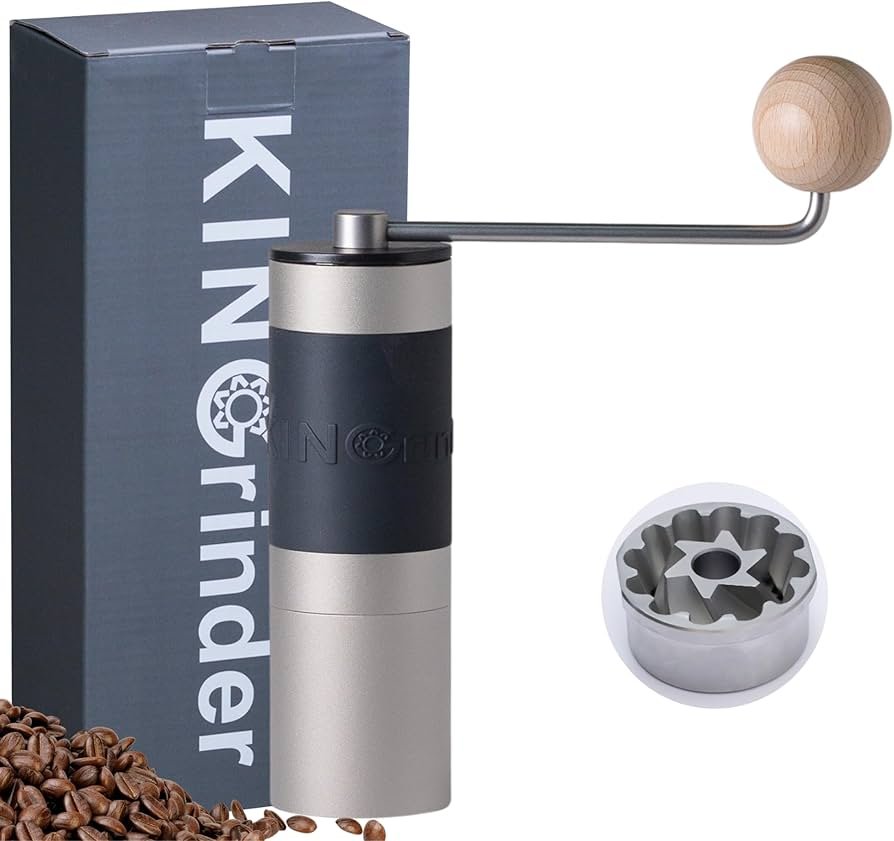
Manual coffee brewing methods offer unparalleled control over the flavor extraction process, allowing enthusiasts to craft highly personalized and nuanced cups of coffee. Navigating the diverse world of manual coffee brewing methods explained can transform your daily coffee ritual from a mere routine into an art form, unveiling the full spectrum of aromas and tastes locked within your coffee beans. This comprehensive guide will establish a deep understanding of these techniques, providing the expertise necessary to elevate your home brewing experience and truly savor every sip.

What Are Manual Coffee Brewing Methods?
Manual coffee brewing methods refer to any technique where the barista, rather than a machine, has direct control over key brewing variables such as water temperature, pour rate, grind size, and extraction time. Unlike automatic drip machines that follow a predetermined cycle, manual methods empower the user to manipulate these elements in real-time, significantly impacting the final cup's characteristics. This hands-on approach offers a level of customization and connection to the brewing process that many coffee lovers find immensely rewarding. The essence of manual coffee brewing methods explained lies in this deliberate engagement, transforming coffee preparation into a meditative and skill-based craft. From my personal journey in coffee, I've consistently found that this direct involvement is what truly unlocks the potential of exceptional beans.

Exploring Popular Manual Brewing Techniques
The landscape of manual coffee brewing methods explained is rich and varied, each offering a distinct pathway to a delicious cup. Understanding the nuances of each technique is crucial for selecting the one that best suits your taste preferences and lifestyle. Let's delve into some of the most popular and revered methods.
Pour Over
The pour over method, exemplified by devices like the Hario V60 or Chemex, involves pouring hot water slowly and precisely over a bed of coffee grounds in a filter. This technique emphasizes clarity and brightness, allowing subtle floral and fruity notes to shine through. The equipment typically includes a pour over dripper, a paper filter, a gooseneck kettle for controlled pouring, and a scale to measure coffee and water accurately.
Brewing with a pour over involves blooming the coffee with a small amount of water, followed by a series of continuous pours in concentric circles, ensuring even saturation and extraction. The resulting cup is known for its clean taste, light body, and intricate aromatics. I recall my first perfectly brewed V60; the clarity of flavor was astounding, a true testament to the precision this manual coffee brewing method demands.
French Press
The French press, or cafetière, is an immersion brewing method where coarse coffee grounds steep directly in hot water before being separated by a plunger with a mesh filter. This technique is celebrated for producing a full-bodied, rich cup with a velvety texture, as the oils and fine particles are largely retained. You only need a French press, hot water, and coarsely ground coffee.
The process is straightforward: add coffee grounds and hot water, stir gently, let steep for about four minutes, then slowly press the plunger down. The longer steep time and the unfiltered nature contribute to its robust flavor profile. While some might find the presence of fine sediment off-putting, many, myself included, appreciate the depth and mouthfeel it imparts. This is one of the foundational manual coffee brewing methods explained to newcomers.
AeroPress
The AeroPress is a versatile and relatively fast brewing device that uses total immersion and then presses coffee through a filter with air pressure. It's renowned for its ability to produce clean, concentrated shots similar to espresso, or longer brew-style coffee, with minimal bitterness and acidity. The essential equipment is just the AeroPress itself, along with a filter.
Brewing can be done in various ways, commonly either standard or inverted, allowing for immense experimentation with grind size, water temperature, and steep time. The resulting coffee is often described as smooth, clean, and highly concentrated, making it excellent for diluting into an Americano or latte. Its portability and ease of cleaning make it a favorite for travel among those who appreciate diverse manual coffee brewing methods explained.
Moka Pot
The Moka pot, often referred to as a "stovetop espresso maker," brews coffee by passing boiling water pressurized by steam through ground coffee. While it doesn't produce true espresso in the technical sense due to lower pressure, it creates a strong, concentrated coffee that is perfect for milk-based drinks or for those who prefer a bold, intense flavor. You simply need the Moka pot and a heat source.
Water is placed in the bottom chamber, coffee in the filter basket, and the pot is heated on a stove. As water boils, steam pressure forces it up through the coffee grounds and into the top chamber. The Moka pot delivers a powerful, slightly bitter, yet deeply satisfying cup that evokes the essence of traditional Italian coffee culture. Mastering this particular manual coffee brewing method takes a bit of practice to avoid burning the coffee.
Siphon/Vacuum Pot
The siphon pot, also known as a vacuum pot, is perhaps the most visually captivating of all manual coffee brewing methods explained, resembling a scientific experiment. It operates on a vacuum principle, where heat creates vapor pressure to push water from a lower chamber to an upper chamber containing coffee grounds. The removal of heat then creates a vacuum, drawing the brewed coffee back down. This method uses a siphon brewer, a heat source (often a butane burner), and filters.
The process is theatrical and precise, yielding a clean, bright, and nuanced cup that is often exceptionally smooth and free of sediment. The complete immersion and consistent temperature during brewing contribute to a complex flavor profile. While it requires more attention and cleanup, the sensory experience alone makes it a worthwhile pursuit for the dedicated coffee connoisseur.
Cold Brew
Cold brew coffee is made by steeping coarse coffee grounds in cold water for an extended period, typically 12 to 24 hours. This slow, low-temperature extraction results in a concentrate that is naturally low in acidity and bitterness, exceptionally smooth, and highly versatile. All that is needed is a large container for steeping and a fine-mesh filter or cheesecloth for straining.
After steeping, the concentrate is filtered and can be stored in the refrigerator for up to two weeks, diluted with water or milk, and served hot or cold. Cold brew is a revelation for many, myself included, especially during warmer months. Its inherent sweetness and lack of harshness make it a fantastic base for various coffee beverages, demonstrating the diversity within manual coffee brewing methods explained.

Key Factors Influencing Manual Brew Quality
Regardless of the specific manual coffee brewing methods explained, several universal factors profoundly impact the quality of your final cup. Mastering these elements is crucial for consistent, delicious results and showcases a true understanding of coffee craftsmanship.
Coffee Bean Quality and Roast Level
The foundation of any great cup is the quality of the coffee beans themselves. Freshly roasted, high-quality beans are paramount, as they retain their volatile aromatic compounds, contributing to complex and vibrant flavors. The roast level also plays a critical role:
- Light roasts often highlight origin characteristics, acidity, and delicate fruit or floral notes.
- Medium roasts offer a balance of acidity, body, and sweetness.
- Dark roasts typically feature bolder, sometimes bitter, notes with a heavier body.
Choosing the right roast for your preferred manual coffee brewing methods explained can dramatically enhance your experience.
Grind Size Consistency
Grind size is perhaps the most critical variable after bean quality. The surface area of the coffee grounds directly affects how quickly water extracts flavors.
- Coarse grinds are ideal for immersion methods like French press and cold brew, requiring longer contact times.
- Medium grinds work well for most drip and pour over methods.
- Fine grinds are necessary for methods where water passes through quickly, like AeroPress (for concentrated brews) or Moka pot.
Inconsistency in grind size leads to uneven extraction, resulting in a cup that can be both sour (underextracted fine particles) and bitter (overextracted coarse particles). Investing in a good burr grinder is one of the best pieces of advice I can offer for anyone exploring manual coffee brewing methods.
Water Temperature and Quality
Water quality is often overlooked but is essential. Filtered water free from impurities and off-flavors allows the true taste of the coffee to shine. Tap water with high mineral content or chlorine can negatively impact the flavor.
Water temperature also dictates the rate of extraction. Generally, a temperature between 195°F and 205°F (90°C to 96°C) is recommended for most manual coffee brewing methods. Water that is too cold will underextract, leading to a sour, weak cup, while water that is too hot can overextract, resulting in bitterness.
Brew Ratio (Coffee to Water)
The coffee-to-water ratio is fundamental for achieving balance in your brew. A common starting point is a 1:15 to 1:18 ratio (e.g., 1 gram of coffee to 15-18 grams of water).
- A lower ratio (more coffee per water) will produce a stronger, more concentrated brew.
- A higher ratio (less coffee per water) will yield a lighter, weaker cup.
Experimenting with this ratio is key to tailoring the strength to your personal preference for any of the manual coffee brewing methods explained.
Brew Time and Agitation
Brew time is the duration water is in contact with the coffee grounds. Each manual coffee brewing method has an optimal brew time range, which is influenced by grind size and temperature.
- Pour over methods typically range from 2.5 to 4 minutes.
- French press often requires 4 to 5 minutes.
- Cold brew extends to 12-24 hours.
Agitation, such as stirring or swirling, can also influence extraction by ensuring all grounds are evenly saturated. However, excessive agitation can lead to overextraction and bitterness. Finding the sweet spot for brew time and gentle agitation is critical for unlocking the best from your coffee.

Advantages and Considerations of Manual Brewing
Embracing manual coffee brewing methods offers a unique blend of benefits and considerations that shape the overall coffee experience. Understanding these aspects helps enthusiasts make informed choices about their brewing journey.
Benefits
Manual brewing offers significant advantages for the discerning coffee drinker. The most prominent benefit is enhanced flavor control, allowing you to precisely tailor variables like grind size, water temperature, and brew time to highlight specific characteristics of the coffee bean. This level of customization is unmatched by automatic machines, making each cup a reflection of your preference. Furthermore, manual brewing fosters an engaging ritual; the hands-on process can be a meditative and enjoyable start to the day, connecting you more deeply with your morning beverage. Many manual methods, such as the AeroPress or smaller pour over drippers, offer excellent portability, making it easy to enjoy high-quality coffee while traveling. Finally, while there's an initial equipment investment, the cost-effectiveness of brewing at home, compared to daily café visits, becomes apparent over time.
Limitations and Considerations
Despite the clear advantages, there are a few factors to consider when diving into manual coffee brewing methods explained. The primary one is time commitment; manual methods generally take longer than simply pressing a button on an automatic machine, which might not suit busy mornings. There's also a learning curve involved in mastering the various techniques and understanding how each variable impacts the final taste. Achieving consistency can be challenging, especially initially, as small deviations in technique can lead to noticeable differences in flavor from one brew to the next. While many manual brewing setups can be affordable, some high-end equipment, like specialized grinders or siphon brewers, can represent a more significant initial equipment cost, though these are often one-time investments.

Frequently Asked Questions
What is the easiest manual coffee brewing method for beginners?
For beginners, the French press is often recommended due to its simple immersion process and forgiving nature with grind size and brew time, consistently producing a satisfying full-bodied cup.
How do I choose the best manual coffee brewing method for me?
Consider your priorities: if you value clarity and bright flavors, pour over is excellent. For convenience and versatility, the AeroPress is hard to beat. If you prefer a full-bodied, rich cup, the French press is ideal.
What equipment do I need to start manual coffee brewing?
Key equipment includes fresh coffee beans, a quality burr grinder, a scale for precise measurements, a kettle (gooseneck for pour over), and your chosen brewing device.
Can manual brewing methods make coffee as good as a coffee shop?
Absolutely. With attention to detail, quality beans, and proper technique, manual coffee brewing methods can produce coffee that rivals or even surpasses what you'd find in many coffee shops, offering a highly personalized experience.
What is the most crucial factor for good manual coffee?
While many factors contribute, fresh, quality beans and a consistent grind size are arguably the most crucial, as they form the fundamental building blocks of flavor extraction across all manual coffee brewing methods.
Conclusion
Exploring the world of manual coffee brewing methods explained offers a profound opportunity to elevate your daily coffee experience from a simple beverage to a cultivated craft. By understanding the distinct characteristics and requirements of techniques like pour over, French press, AeroPress, Moka pot, siphon, and cold brew, you gain the power to consistently brew coffee that perfectly aligns with your personal taste preferences. The deliberate control over variables such as grind size, water temperature, and brew ratio empowers you to unlock intricate flavors and aromas that automatic machines simply cannot replicate.
I encourage you to embrace this journey of discovery. Start with a method that piques your interest, experiment with different beans, and don't be afraid to make mistakes—they are part of the learning process. The satisfaction of crafting your perfect cup using manual coffee brewing methods is immense, and it’s a skill that will continue to reward you. For more in-depth guides and tips on perfecting your home brewing, consider subscribing to our newsletter or exploring our extensive collection of brewing resources.

- How to Fix a Portafilter: Size, Locking Mechanism, and Troubleshooting Guide - October 22, 2026
- 35 Coffee Machine Parts and Functions: Complete Guide With Names and Uses - October 22, 2026
- 25 Espresso Machine Parts Names and Their Functions Explained - October 22, 2026