
The most common coffee brewing mistakes beginners make often involve incorrect grind size, water temperature, and coffee-to-water ratios, leading to unbalanced flavors.
As someone who has navigated the aromatic, yet sometimes perplexing, world of home coffee brewing for years, I understand the initial frustrations. Achieving that perfect cup can feel like a secret art, but the truth is, many of the hurdles beginners face stem from a handful of easily rectifiable errors. If you're wondering why your morning brew isn't quite hitting the mark, or why it tastes consistently weak, bitter, or sour, you've come to the right place. We'll delve deep into the critical coffee brewing mistakes beginners make and equip you with the knowledge to transform your daily ritual into a consistently delightful experience, establishing a foundational understanding that will elevate your coffee journey.
Overlooking Grind Size and Consistency
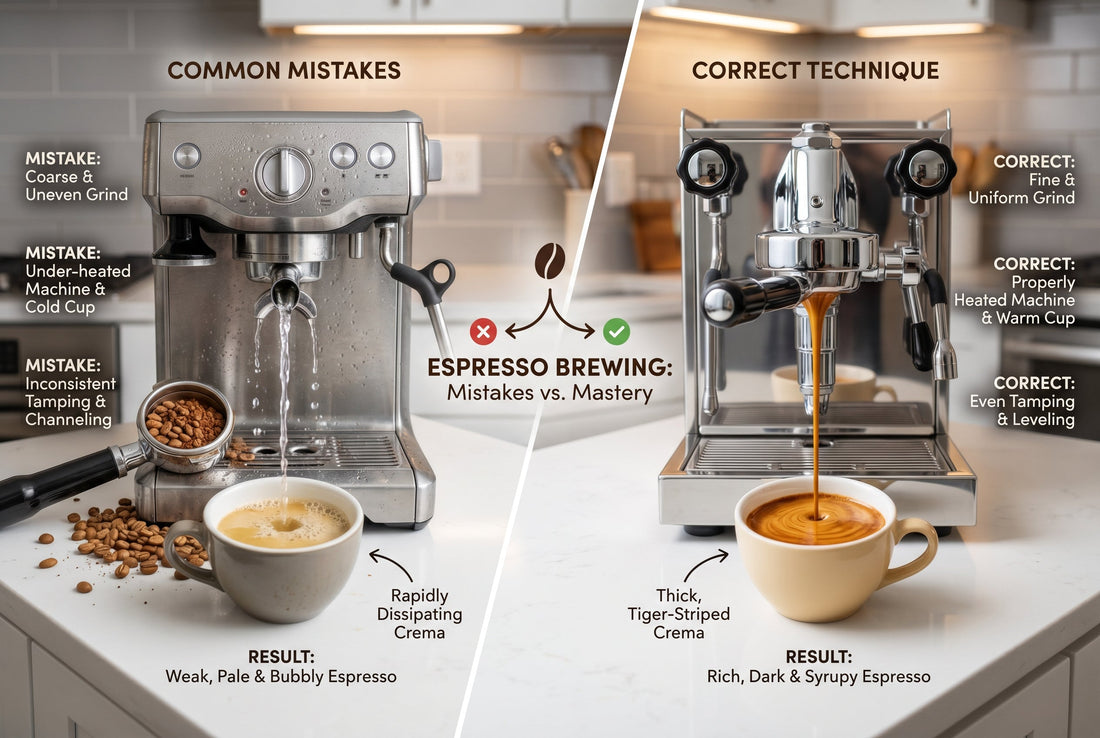
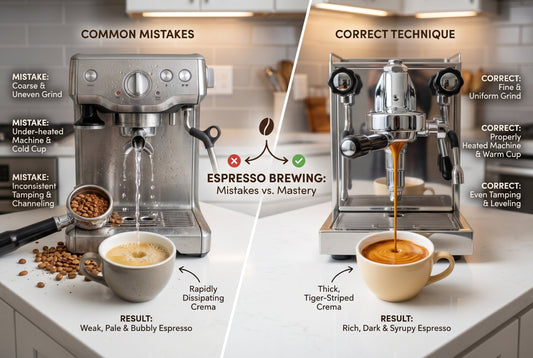
One of the most significant coffee brewing mistakes beginners make, often unknowingly, is neglecting the importance of grind size and consistency. Many new brewers start with pre-ground coffee, or an inexpensive blade grinder, without realizing the profound impact this has on the final taste. The size of your coffee grounds dictates how quickly water extracts flavors from them. Too fine, and you risk over-extraction, leading to bitterness and astringency. Too coarse, and you'll experience under-extraction, resulting in a weak, sour, or watery cup. Think of it like cooking; finely chopped garlic will infuse flavor much faster than whole cloves.
I remember my early days, using a blade grinder that produced an inconsistent mix of dust and boulders. My coffee tasted wildly different each day—sometimes overly bitter, sometimes terribly weak. It was a revelation when I finally invested in a quality burr grinder. This experience taught me that uniformity in grind size is paramount for consistent extraction, allowing water to interact evenly with all coffee particles. Different brewing methods, such as French press, pour-over, or espresso, require specific grind sizes to achieve optimal flavor. For instance, a coarse grind is ideal for French press, while a very fine grind is necessary for espresso. Understanding and controlling your grind is perhaps the single most impactful step in avoiding common coffee brewing mistakes beginners make.
Incorrect Water Temperature
Another prevalent issue among coffee brewing mistakes beginners make is using water that is either too hot or too cold. The ideal water temperature for brewing coffee typically falls between 195°F and 205°F (90°C and 96°C). Water that is too hot can "scorch" the coffee, extracting undesirable bitter compounds and destroying delicate aromas. Conversely, water that is too cold will fail to extract enough flavor compounds, leaving you with a weak, under-extracted, and often sour-tasting brew.
From my own experience, I've learned that precision here makes a world of difference. When I first started, I simply used boiling water directly from the kettle. Often, my coffee tasted harsh and burnt. It wasn't until I began using a thermometer, or waiting about 30-60 seconds after the kettle boiled, that I noticed a dramatic improvement in the sweetness and balance of my cup. Many modern electric kettles offer temperature control, making this step much easier. This attention to detail ensures that the coffee's soluble compounds are extracted efficiently and without compromise, directly addressing a core aspect of coffee brewing mistakes beginners make.
Improper Coffee-to-Water Ratio
The ratio of coffee grounds to water is a fundamental principle in brewing, yet it's frequently one of the coffee brewing mistakes beginners make. An incorrect ratio can lead to a cup that is either too strong or too weak, overwhelming or underwhelming the palate. The Specialty Coffee Association (SCA) recommends a "Golden Ratio" of approximately 1:18, meaning 1 gram of coffee for every 18 grams of water. However, personal preference can certainly lead to variations, often ranging from 1:15 to 1:20.
Initially, I'd eyeball my coffee measurements, pouring grounds directly from the bag and then adding water until it "looked right." The results were, predictably, inconsistent. Some mornings I'd get a mud-like sludge, others a faint coffee-flavored water. Investing in a simple kitchen scale was a game-changer. It allowed me to measure both coffee and water precisely, eliminating guesswork and ensuring repeatable results. This small investment helped me overcome one of the most common coffee brewing mistakes beginners make, leading to a much more enjoyable and reliable brew every time.

Using Stale or Low-Quality Beans
While technique is crucial, the quality and freshness of your raw ingredients are equally important. Using stale or low-quality beans is one of the coffee brewing mistakes beginners make that no amount of perfect brewing technique can fully overcome. Coffee beans are at their peak flavor shortly after roasting. As they age, they degas and oxidize, losing their volatile aromatic compounds and developing a flat, dull taste. Pre-ground coffee, in particular, stales very quickly due to its increased surface area exposed to oxygen.
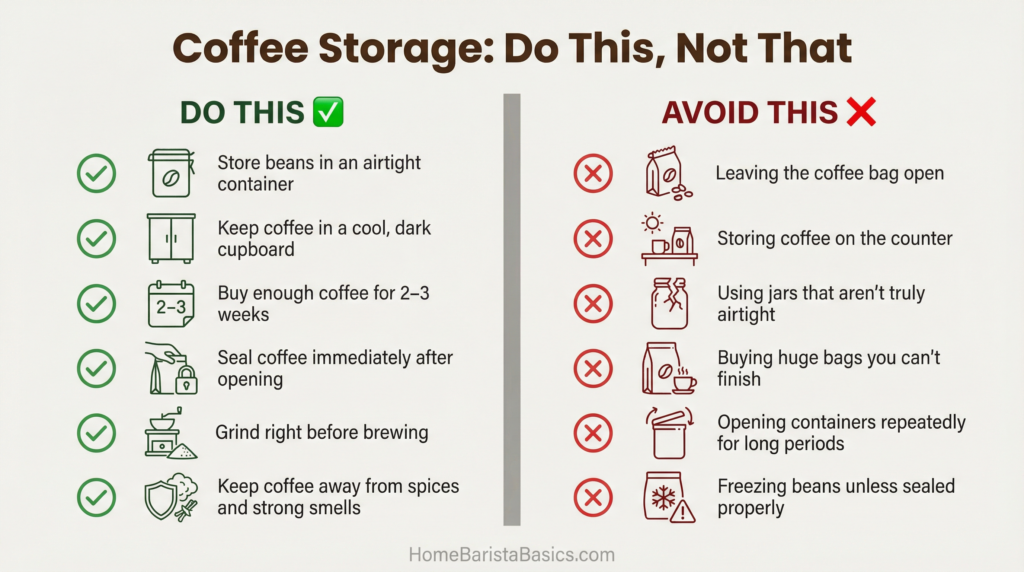
I vividly recall a period when I purchased large bags of discounted coffee beans from a grocery store, thinking I was getting a good deal. The coffee consistently tasted bland, even with my best efforts at brewing. It was a stark contrast when I switched to freshly roasted beans, purchased in smaller quantities from a local roaster. The vibrancy, complexity, and sheer deliciousness were undeniable. Always look for a roast date on the bag, aiming for beans roasted within the last two weeks, and store them in an airtight container away from light, heat, and moisture. This simple switch can dramatically improve your coffee quality and prevent significant coffee brewing mistakes beginners make.
Neglecting Equipment Cleaning and Maintenance
Perhaps less glamorous but no less critical, neglecting to clean your brewing equipment regularly is a common oversight and one of the subtle coffee brewing mistakes beginners make. Over time, coffee oils and mineral deposits can build up in your brewer, French press, pour-over cone, or espresso machine. These residues impart a rancid, bitter, or off-flavor to subsequent brews, masking the true taste of your coffee.
My own coffee journey included a phase where cleaning was an afterthought. My French press, while seemingly rinsed, held onto a thin film of coffee oils. Each new batch would carry a faint, unpleasant undertone, and I couldn't understand why my coffee wasn't tasting as fresh as it should. A thorough scrubbing with soap and water, followed by regular descaling of my electric kettle, completely revitalized my brewing process. Simple daily rinsing and a deeper clean (with appropriate cleaning agents like coffee machine cleaner or descaler) once a month can prevent these issues. Proper hygiene ensures that every cup tastes exactly as it should, preventing a very avoidable category of coffee brewing mistakes beginners make.

Not Preheating Your Brewing Equipment
Another easily corrected but frequently overlooked habit is failing to preheat your brewing equipment. This is a common entry on the list of coffee brewing mistakes beginners make, especially with methods like pour-over or French press. When hot water comes into contact with cold brewing devices, it immediately loses heat. This temperature drop can lead to under-extraction, as the water temperature falls below the optimal range (195-205°F) needed to properly extract flavors from the coffee grounds.
I learned this lesson the hard way. My first few pour-over attempts often yielded lukewarm, underdeveloped coffee. I'd carefully measure my water temperature, but the resulting brew was always underwhelming. It wasn't until a seasoned barista pointed out the importance of preheating my mug and pour-over cone with hot water that the light bulb went off. Now, before every brew, I rinse my filter and warm my equipment, ensuring that the water maintains its optimal brewing temperature throughout the entire extraction process. This simple step guarantees a consistently hot and flavorful cup, effectively counteracting one of the pervasive coffee brewing mistakes beginners make.
Rushing the Process and Ignoring Brew Time
Patience is a virtue, especially in coffee brewing. Rushing the process or failing to pay attention to brew time is another significant item on the list of coffee brewing mistakes beginners make. Just as grind size dictates extraction speed, brew time dictates the extent of extraction. Too short a brew time for a given grind size will result in under-extraction (sour, weak), while too long will lead to over-extraction (bitter, astringent).
In my busy mornings, I sometimes tried to speed up my pour-over or press my French press too quickly. The consequence was always an unbalanced cup. A proper pour-over might take 2-4 minutes, while a French press typically requires 4 minutes of steeping. Using a timer, even the one on your phone, helps immensely. This allows the coffee and water sufficient contact time for the full spectrum of flavors to develop. Embracing the rhythm of brewing, rather than rushing it, is key to avoiding these common coffee brewing mistakes beginners make and unlocking the full potential of your beans.

Frequently Asked Questions
What makes coffee taste bitter?
Coffee often tastes bitter due to over-extraction, which can be caused by using too fine a grind, water that is too hot, too much coffee, or an excessively long brew time. Bitterness can also stem from using stale beans or dirty brewing equipment.
Why does my coffee taste weak or watery?
Weak or watery coffee typically results from under-extraction. Common culprits include using too coarse a grind, water that is too cold, an insufficient amount of coffee grounds, or a brew time that is too short, preventing proper flavor development.
How can I make my coffee less sour?
Sour coffee is a tell-tale sign of under-extraction. To mitigate this, try grinding your coffee finer, using slightly hotter water (within the optimal 195-205°F range), increasing the coffee-to-water ratio, or extending the brew time slightly to allow for more complete flavor extraction.
Is pre-ground coffee bad?
While not inherently "bad," pre-ground coffee rapidly loses its freshness and flavor due to increased surface area exposed to oxygen. For the best taste, it's always recommended to buy whole beans and grind them fresh right before brewing.
What is the ideal coffee-to-water ratio?
The generally accepted "Golden Ratio" for coffee brewing is 1:18, meaning 1 gram of coffee for every 18 grams of water. However, personal preference allows for slight variations, usually between 1:15 for a stronger brew and 1:20 for a lighter one.
Conclusion
Navigating the world of coffee brewing can initially seem daunting, but by understanding and addressing these common coffee brewing mistakes beginners make, you are well on your way to mastering the art of the perfect cup. From the precise grind size and optimal water temperature to the crucial coffee-to-water ratio and the unwavering importance of fresh beans and clean equipment, each element plays a vital role in crafting a delicious brew. Remember my own journey, full of trial and error, which ultimately led to a deeper appreciation for every detail. Embrace these insights, experiment with your technique, and observe the transformative impact on your daily coffee experience. We invite you to share your brewing successes or ask further questions in the comments below, or explore our other guides for more advanced tips and tricks.

- How to Fix a Portafilter: Size, Locking Mechanism, and Troubleshooting Guide - October 22, 2026
- 35 Coffee Machine Parts and Functions: Complete Guide With Names and Uses - October 22, 2026
- 25 Espresso Machine Parts Names and Their Functions Explained - October 22, 2026