
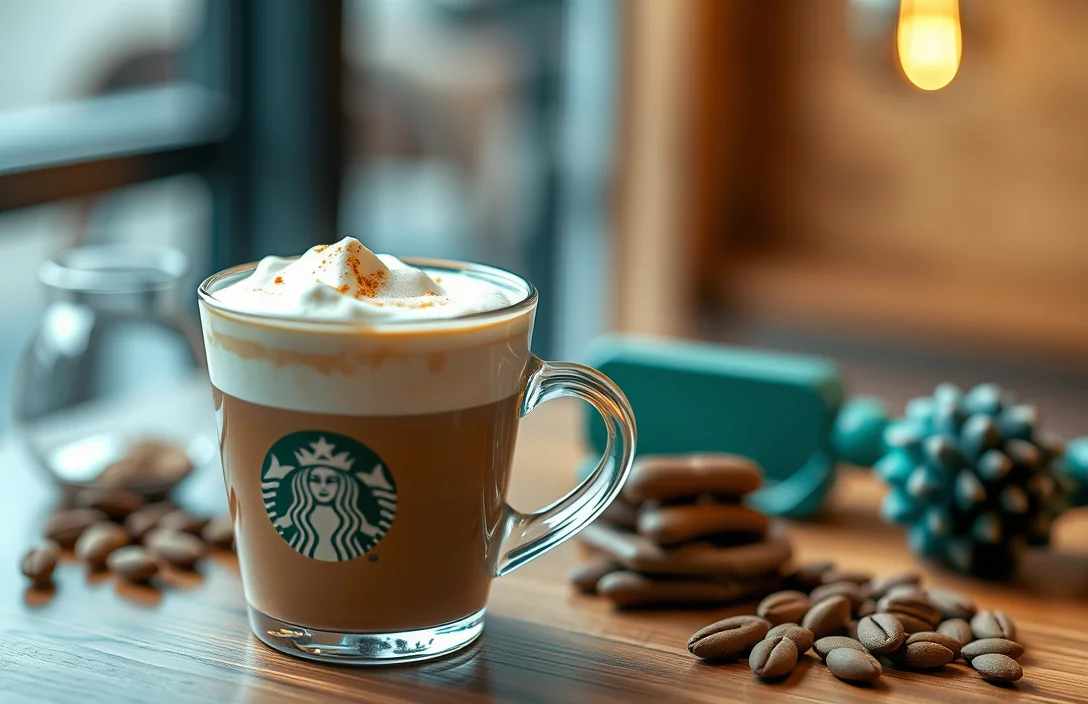
Decaf Starbucks lattes contain about 15 milligrams of caffeine per 8-ounce serving, significantly less than a regular latte. This surprising amount might puzzle those avoiding caffeine while still wanting to enjoy their favorite coffee beverages. Understanding this could help you make informed choices.
Caffeine content varies in decaf options. Typically, decaf lattes have around 15mg, while a regular latte has about 150mg. Factors like brewing method and type of beans impact caffeine levels.
Caffeine Levels in Decaf Starbucks Latte
A decaf Starbucks latte typically contains around 15 to 30 milligrams of caffeine. This amount varies depending on the size and specific blend used. While many expect decaf to have little to no caffeine, it’s essential to recognize that decaffeinated beverages are not completely free of this stimulant.
Approximately 97% of the caffeine is removed during the decaffeination process, but some remnants remain. Depending on the brewing method and the particular coffee bean, this can lead to varying caffeine levels in your cup. Knowing these facts helps you make more informed choices about your beverage, especially if you are sensitive to caffeine.
Measuring caffeine content can be tricky, as different sizes and preparations affect the final amount. For example, a short (8 oz) decaf latte might have less caffeine than a venti (20 oz) version. Always consider the size when evaluating your caffeine intake if you prefer decaf options.
Realizing that even decaf contains some caffeine allows you to balance your consumption accordingly. For those avoiding caffeine entirely, exploring herbal tea or other non-coffee beverages can provide alternatives without the worry of caffeine content.
Comparison of Regular and Decaf Caffeine
Caffeine content varies significantly between regular and decaf options. Regular coffee typically contains about 95 mg of caffeine per 8-ounce cup, while decaf lattes have approximately 15 mg. This stark difference highlights how decaffeination processes reduce caffeine levels, making decaf a popular choice for those sensitive to it.
Decaf Starbucks lattes still offer a small caffeine boost, which can be beneficial for some. Many people enjoy the taste of espresso or coffee without the jitters associated with higher caffeine levels. The presence of caffeine, even in smaller amounts, can enhance flavor profiles and provide a subtle energy lift.
Quantifying caffeine levels in decaf beverages helps consumers make informed choices. Knowing that decaf lattes contain around 15 mg allows individuals to gauge their total caffeine intake throughout the day. For those aiming to limit their caffeine consumption, this information is crucial for maintaining balance.
Balancing enjoyment and health is essential for coffee drinkers. Decaf options provide a satisfying experience while minimizing adverse effects associated with caffeine. By selecting decaf lattes, individuals can enjoy their favorite drinks while adhering to personal health goals without sacrificing taste.
Health Benefits of Decaf Coffee
Opting for decaf coffee provides significant health advantages, particularly for those sensitive to caffeine. By reducing caffeine intake, individuals may experience decreased anxiety and improved sleep quality. This shift can lead to overall better well-being and focus during daily activities.
Boosting antioxidant levels is another benefit. Decaf coffee contains antioxidants, which help combat oxidative stress in the body. These compounds can reduce inflammation and promote heart health, making it a smart choice for health-conscious drinkers.
- Lower risk of heart disease.
- Improved liver health benefits.
- Enhanced metabolic function supports weight management.
- May reduce the risk of type 2 diabetes.
Choosing decaf can also help individuals maintain their coffee-drinking habits without adverse effects. Many people enjoy the taste and ritual associated with coffee, and decaf offers a way to indulge without the jitters. This makes it an excellent alternative for those who love the flavor but want to minimize caffeine exposure.
Processing Methods for Decaffeination
Decaffeination involves multiple processes that remove caffeine while retaining flavor. Various methods exist to achieve this, and each has its own advantages. Understanding these techniques is crucial for those curious about the caffeine content in beverages like a decaf Starbucks latte.
- Solvent extraction is common. This method uses chemical solvents such as methylene chloride or ethyl acetate to selectively remove caffeine. Coffee beans are steamed to open their pores, then soaked in the solvent, which binds with caffeine and is later removed.
- Water processing relies on pure water to extract caffeine. Beans are soaked in hot water, allowing caffeine to dissolve. The water is then filtered through a carbon filter that catches caffeine molecules while leaving flavor compounds behind.
- Carbon dioxide extraction utilizes pressurized carbon dioxide to draw out caffeine. This method is efficient and environmentally friendly, as it leaves most flavor components intact. Beans are soaked in CO2, which acts like a solvent without damaging the bean.
- Swiss water method is a specific water processing technique that uses a multi-step process. Beans are soaked in water to extract caffeine, then the water is filtered to remove caffeine. The remaining solution is used for soaking new beans, ensuring flavor retention.
Exploring these methods reveals how decaf coffee retains its beloved taste while minimizing caffeine content. Each technique affects the final product’s flavor profile, which is significant for coffee enthusiasts.
Caffeine’s Impact on Sleep Quality
Decaffeinated coffee still contains caffeine, which can impact sleep quality. Even small amounts can disrupt your sleep cycle, leading to difficulties falling asleep or staying asleep. Understanding how caffeine affects sleep is crucial for those sensitive to its effects, especially when consuming beverages like a decaf latte from Starbucks.
- Minimize caffeine intake in evening. Reducing consumption after 2 PM can significantly improve your ability to fall asleep at night. Consider alternative drinks that are completely caffeine-free.
- Monitor your body’s response to caffeine. Everyone’s tolerance varies, so pay attention to how your body reacts after consuming decaf beverages. Adjust your consumption accordingly to ensure better sleep.
- Consider caffeine’s half-life duration. Caffeine can linger in your system for several hours, so be mindful of this when enjoying a decaf latte. Planning your consumption can help prevent sleep disturbances.
- Evaluate overall sleep hygiene practices. A consistent sleep schedule and a calming bedtime routine can help counteract any negative effects of caffeine on sleep quality.
Decaf Coffee Options at Starbucks
Starbucks offers a range of decaf options for those who prefer to limit caffeine intake while still enjoying coffee beverages. The most popular choice is the Decaf Pike Place Roast, a smooth and mellow coffee that maintains the rich flavors of regular coffee.
Another excellent selection is the Decaf Espresso, which can be used to create a variety of espresso-based drinks. Customers can order decaf versions of popular drinks like lattes and cappuccinos, ensuring they can savor their favorites without the extra caffeine.
For those who enjoy flavored options, the Vanilla Sweet Cream Cold Brew can be made decaf, allowing for a refreshing iced treat. Additionally, seasonal beverages such as the Pumpkin Spice Latte can also be customized to be decaf, meeting seasonal cravings without the caffeine buzz.
Being aware of these options allows you to enjoy your favorite Starbucks drinks while managing your caffeine consumption effectively. Always ask your barista for the decaf alternatives available during your visit to ensure you get the perfect drink tailored to your preferences.
Quick Summary
- Decaf coffee does contain some caffeine, albeit significantly less than regular coffee.
- A Starbucks decaf latte typically has about 25 mg of caffeine per 16 oz serving.
- This amount is roughly one-quarter of the caffeine found in a standard caffeinated latte.
- Individual caffeine content may vary based on the brewing method and bean type.
- Decaf lattes can still provide a rich coffee flavor without the jitters associated with high caffeine intake.
- People sensitive to caffeine may still want to consider this small amount when choosing decaf options.
- Starbucks offers decaf options for both espresso and brewed coffee, catering to diverse customer preferences.
Frequently Asked Questions
1. How much caffeine is in a decaf Starbucks latte?
A typical decaf Starbucks latte contains about 25 mg of caffeine in a tall (12 oz) size. This is significantly less than a regular latte, which can have around 150 mg of caffeine.
2. Why does decaf coffee still have caffeine?
Decaf coffee is not completely caffeine-free; it usually contains about 1-2% of the original caffeine content. The decaffeination process removes most of the caffeine but can leave some behind.
3. Can I get a decaf latte at Starbucks?
Yes, Starbucks offers decaf espresso options for lattes. You can request a decaf latte when ordering, and they will prepare it with decaffeinated espresso.
4. Is decaf coffee better for me than regular coffee?
Decaf coffee can be a good option for those sensitive to caffeine or looking to reduce their intake. It offers many of the same health benefits as regular coffee without the higher caffeine levels.
5. How does the taste of decaf latte compare to regular latte?
Many people find that decaf lattes taste similar to regular lattes, but some may notice a slight difference in flavor. The quality of the beans and the brewing process can greatly influence the taste of both decaf and regular coffee.

- Breville BES878BSS Barista Pro Espresso Machine Review: Features, Performance, and Buying Guide - October 31, 2026
- Gaggia RI9380/51 Classic Evo Pro Espresso Machine Review: Features, Performance, and What to Know Before Buying - October 31, 2026
- Gaggia RI9380/46 E24 Espresso Machine Review: Is the Brass Boiler Upgrade Worth It? - October 31, 2026