
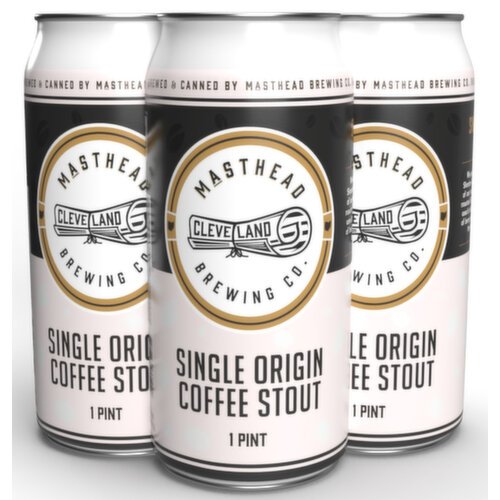
Brewing single origin coffee involves meticulously controlling variables like grind size, water temperature, and brew ratio to unlock its unique, region-specific flavor profile.
Unlocking the full potential of single origin coffee is an art and a science, a journey into understanding the intricate flavors cultivated in specific regions around the world. As someone who has spent countless hours exploring different beans and brewing methods, I can attest that the reward of a perfectly brewed cup is immense. This guide will provide you with the comprehensive knowledge and practical steps needed to transform your brewing routine, ensuring you can consistently highlight the distinct characteristics that make each single origin coffee truly special. By focusing on precision and understanding, you’ll not only learn how to brew single origin coffee but also how to truly appreciate its nuanced complexity.
Understanding Single Origin Coffee
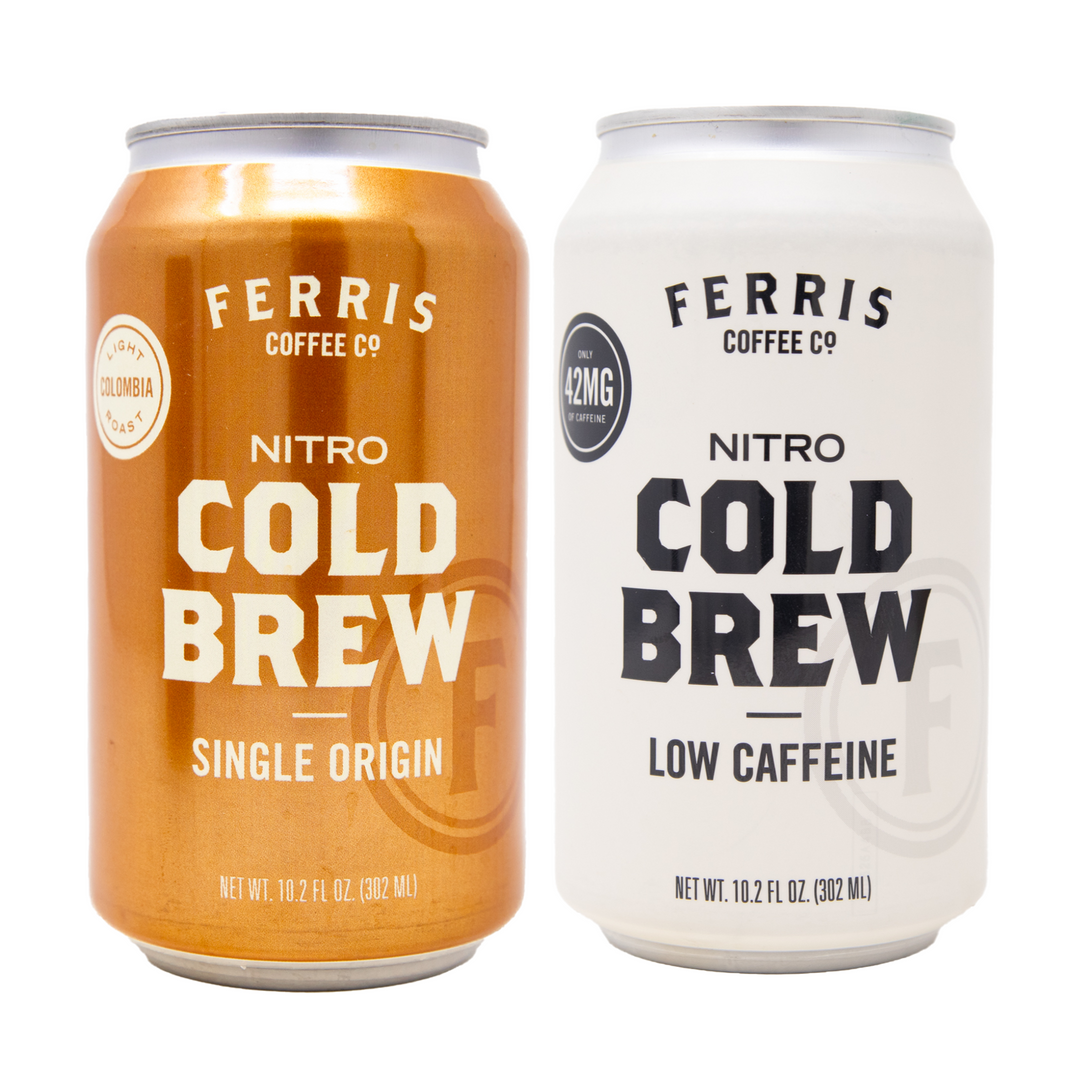
Single origin coffee refers to beans sourced from a specific geographical location, often a single farm, estate, or a particular region within a country. Unlike blends, which combine beans from various places to achieve a consistent taste profile, single origin coffees proudly showcase the unique terroir—the environmental factors including soil, climate, and altitude—that influence their growth. This means that a single origin from Ethiopia might exhibit vibrant floral and citrus notes, while one from Colombia could offer rich chocolate and caramel undertones. Understanding these inherent flavor profiles is the first crucial step in learning how to brew single origin coffee effectively, as it guides your approach to extraction. The goal is always to highlight, not mask, these distinctive characteristics, allowing the coffee's true identity to shine through.

The Science of Extraction: Key Variables for Brewing Excellence
Successful brewing is a delicate balance of science, where several key variables profoundly impact the final cup. Mastering these elements is fundamental to learning how to brew single origin coffee to its peak potential, ensuring you extract the delightful complexities rather than bitterness or sourness.
- Water Temperature: Ideal brewing temperature typically ranges between 195°F and 205°F (90°C to 96°C). Water that's too hot can over-extract, leading to a bitter taste, while water that's too cool results in under-extraction and a sour, weak cup. Precision here is paramount.
- Grind Size: This is perhaps the most critical variable, dictating the surface area of the coffee particles exposed to water. A coarser grind means less surface area and slower extraction, suitable for methods like French press. A finer grind, with more surface area, allows for faster extraction, ideal for espresso. Inconsistent grind sizes lead to uneven extraction, where some particles are over-extracted and others under-extracted simultaneously.
- Brew Ratio: This refers to the proportion of coffee grounds to water. A common starting point is 1:15 or 1:16 (1 gram of coffee to 15-16 grams of water), but this can be adjusted based on the specific coffee and your taste preference. Experimenting with the ratio allows you to dial in the strength and intensity of your brew.
- Contact Time: Also known as brew time, this is how long the water remains in contact with the coffee grounds. Shorter times are generally paired with finer grinds and higher temperatures, while longer times accompany coarser grinds and slightly lower temperatures. Like grind size, contact time directly influences extraction levels.
- Turbulence: The agitation of the coffee grounds during brewing plays a significant role in evenly saturating the coffee and ensuring consistent extraction. Pour-over methods use controlled pouring techniques to manage turbulence, while French presses rely on stirring. Too much or too little turbulence can lead to uneven extraction.
Choosing Your Brewing Method for Single Origin Coffee
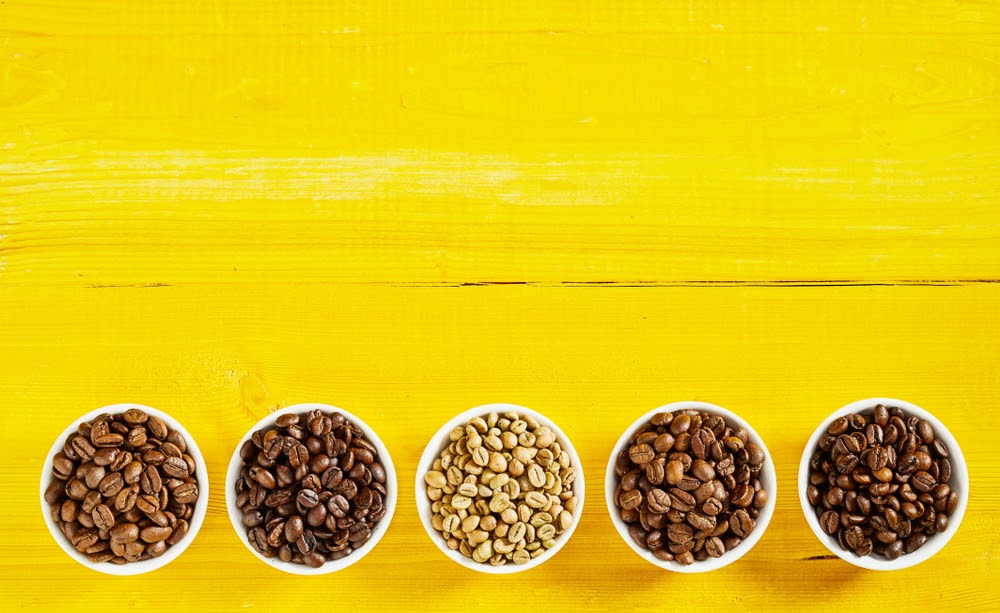
Selecting the right brewing method is crucial when you want to brew single origin coffee, as each method accentuates different aspects of the bean's flavor profile. The best approach often depends on the coffee's roast level and inherent characteristics.
Pour Over
Pour over methods, such as the Hario V60 or Chemex, are widely celebrated for their ability to highlight the delicate nuances and clarity in single origin coffees. They offer exceptional control over extraction variables, allowing the brewer to precisely manage water flow, temperature, and contact time. This results in a clean cup with bright acidity and distinct flavor notes, making it an excellent choice for lighter roasts and coffees with complex floral or fruity characteristics.
French Press
The French press is renowned for producing a full-bodied, rich cup of coffee with a significant mouthfeel. Because it uses a full immersion method and a mesh filter, all the coffee oils and sediment remain in the brew, contributing to its robust character. While it doesn't offer the same clarity as a pour over, it excels at bringing out the deeper, often chocolatey or nutty notes common in medium to dark roast single origins, providing a satisfyingly hearty experience.
Aeropress
The Aeropress is a remarkably versatile brewer, capable of producing a clean cup similar to pour over, a concentrated shot resembling espresso, or something in between. Its total immersion and pressurized brewing process allow for a quick extraction time and a relatively clean cup, thanks to its paper filters. It's fantastic for travel and experimentation, letting you explore various recipes to find the perfect expression of your single origin beans, from bright and zesty to deep and smooth.
Espresso
Brewing single origin coffee as espresso demands significant skill and a fine understanding of extraction. Espresso machines use high pressure to force hot water through finely ground coffee, producing a concentrated shot. This method can amplify certain characteristics, intensifying the acidity and sweetness, but it can also expose flaws if not precisely dialed in. For those who enjoy a bold, intense coffee experience or use their single origin for milk-based drinks, espresso can reveal incredible depth.

Step-by-Step Guide: How to Brew Single Origin Coffee with Precision
Mastering how to brew single origin coffee requires attention to detail at every stage. Let's walk through the essential steps, using a pour over method as our primary example, as it offers excellent control for showcasing distinct flavors.
Preparation
Before you begin, gather all your equipment: your chosen single origin coffee beans, a burr grinder, a precision scale, a kettle with temperature control, a pour-over dripper (like a V60) with filters, and a serving vessel. Crucially, use high-quality, filtered water. Water makes up over 98% of your coffee, so its quality directly impacts the taste. I once tried brewing with tap water at a friend's house, and despite having excellent beans, the chlorine notes overshadowed everything – a lesson learned the hard way!
Grinding
Grind your coffee beans just before brewing to preserve their freshness and aroma. For pour over, aim for a medium-fine grind, resembling table salt. Use a burr grinder for consistency; blade grinders produce an uneven grind, leading to uneven extraction. The consistency of your grind is paramount when you want to brew single origin coffee and truly appreciate its unique profile.
Brewing Process (Pour Over Example)
- Heat Water: Heat your filtered water to between 200°F and 205°F (93°C-96°C).
- Rinse Filter: Place a paper filter in your dripper and rinse it thoroughly with hot water. This removes any papery taste and preheats your brewing equipment. Discard the rinse water.
- Add Coffee: Place your dripper on your scale, add your freshly ground coffee (e.g., 20 grams), and tare the scale to zero.
- The Bloom: Start your timer and pour about twice the weight of your coffee in water (e.g., 40 grams) evenly over the grounds, ensuring all are saturated. This initial pour, known as the bloom, allows the coffee to degas, releasing CO2 and preparing the grounds for optimal extraction. Let it bloom for 30-45 seconds. You'll see the coffee "puff up"—that's a good sign!
- Pulsed Pours: After the bloom, continue pouring water in slow, circular motions, working from the center outwards. Avoid pouring directly onto the filter walls. Aim for small, controlled pulses, allowing the water to drain slightly between pours. For a 20g coffee dose, your total water volume might be 300-320 grams, targeting a total brew time of 2:30 to 3:30 minutes. The pacing of these pours significantly impacts how to brew single origin coffee effectively, influencing flavor development.
- Final Drain: Once you've reached your desired water volume, let the remaining water fully drain through the coffee bed.
Serving and Enjoying
Remove the dripper, give your brewed coffee a gentle swirl, and pour it into your favorite cup. Let it cool for a few minutes; often, the most complex flavors emerge as the coffee temperature drops slightly. Take time to savor the unique aromas and taste notes. Notice the acidity, body, and finish. Reflect on how this particular method helped to brew single origin coffee and brought out its best.
Troubleshooting Common Brewing Issues
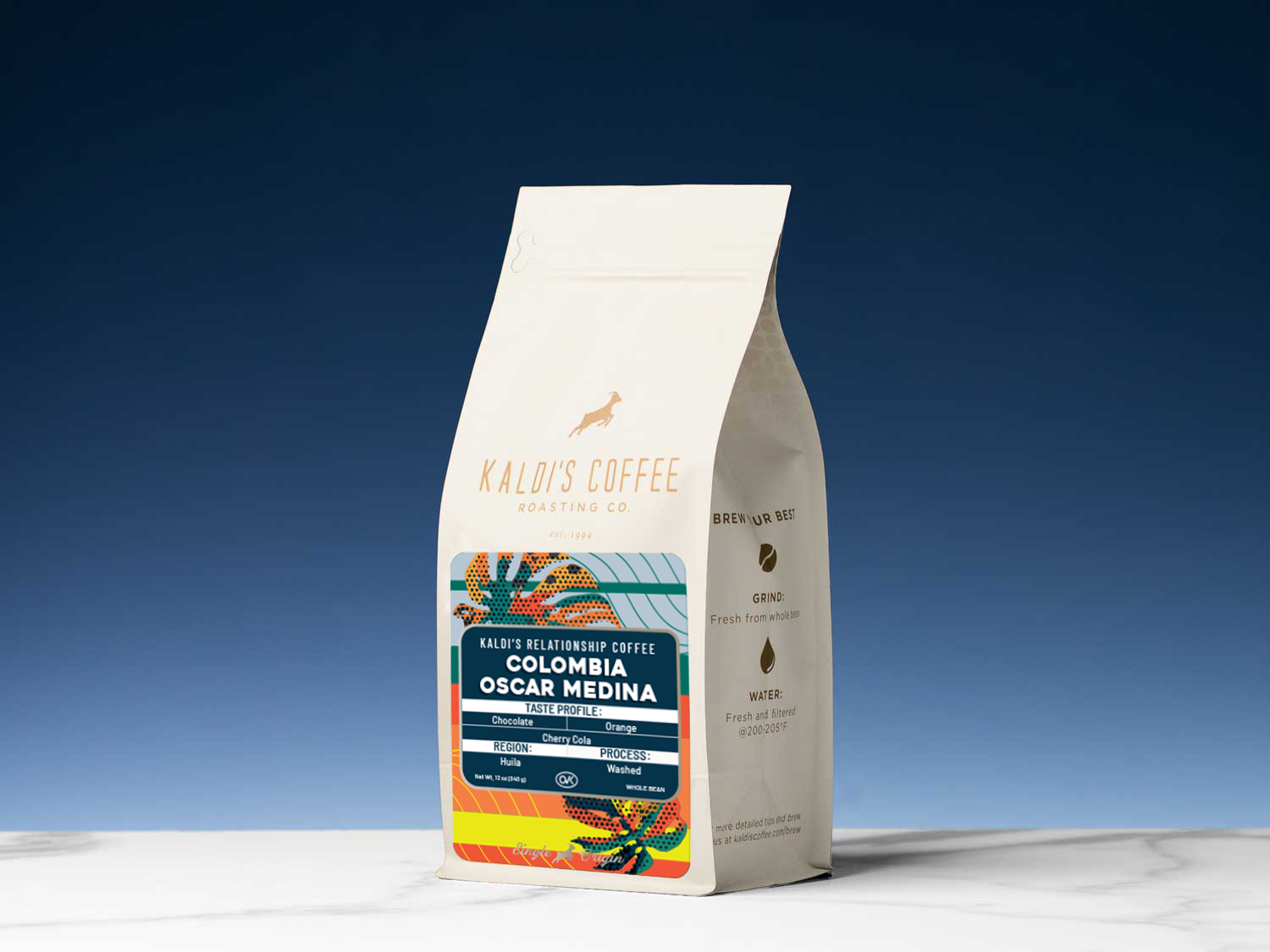
Even with the best single origin beans, brewing can sometimes present challenges. Understanding common issues and their solutions is key to consistently learning how to brew single origin coffee perfectly.
Under-extraction
- Symptoms: Your coffee tastes sour, weak, watery, or has a grassy/hay-like flavor. It might lack sweetness and body.
- Causes: Too coarse a grind, insufficient brew time, water temperature too low, or too little turbulence/agitation.
- Solutions: Try grinding finer, increasing your brew time, ensuring your water is hot enough (195-205°F), or increasing agitation during brewing. For example, if using a pour over, try pouring a bit faster or using a larger bloom.
Over-extraction
- Symptoms: Your coffee tastes bitter, astringent, harsh, hollow, or has a dry finish. It might feel "burnt."
- Causes: Too fine a grind, excessive brew time, water temperature too high, or too much turbulence.
- Solutions: Try grinding coarser, reducing your brew time, lowering your water temperature slightly, or reducing agitation. If you brew single origin coffee and it consistently tastes bitter, a coarser grind is usually the first adjustment to make.
Inconsistent Brews
- Symptoms: Your coffee tastes different each time, even with the same recipe.
- Causes: Inconsistent grind size (cheap grinder), fluctuating water temperature, inaccurate measurements (not using a scale), or inconsistent pouring technique.
- Remedies: Invest in a quality burr grinder, use a kettle with temperature control, always weigh your coffee and water with a precision scale, and practice a consistent pouring technique. Consistency in your process is paramount to consistently learning how to brew single origin coffee to its optimal potential.
Elevating Your Single Origin Coffee Experience
Once you're comfortable with the basics of how to brew single origin coffee, you can begin to explore ways to refine your technique and deepen your appreciation for these unique beans.
Experimentation
The beauty of single origin coffee lies in its diversity, and experimentation is your best tool for unlocking its full potential. Don't be afraid to adjust your grind size, brew ratio, and water temperature slightly. Try a different pouring pattern with your pour over, or vary the immersion time in your French press. Even small tweaks can reveal surprising new notes in a familiar bean. I often keep a small notebook to jot down my recipes and tasting notes; it helps track what works best for each specific coffee. This personalized approach truly enhances how you brew single origin coffee.
Cupping and Tasting
Engaging in cupping—a standardized method for tasting coffee—can significantly develop your palate. It involves slurping the coffee to aerate it, allowing aromatic compounds to reach your olfactory senses. Focus on identifying specific notes like fruit, chocolate, nuts, or floral aromas. Pay attention to the coffee's body (mouthfeel), acidity, and aftertaste. Regularly cupping different single origins will train your senses, making you more adept at identifying what you like and understanding how to brew single origin coffee to accentuate those desired traits.
Storage
Proper storage is critical for preserving the delicate flavors of your single origin coffee. Always store whole beans in an airtight container, away from light, heat, and moisture. Avoid the refrigerator or freezer, as condensation and odors can degrade the quality. Freshness is key; try to purchase smaller quantities more frequently, ideally within a few weeks of the roast date, and consume them within 2-3 weeks of opening the bag. This ensures that every time you brew single origin coffee, you're starting with the freshest possible ingredients.
Frequently Asked Questions
What makes single origin coffee different from blended coffee?
Single origin coffee comes from a specific geographical location, highlighting unique regional flavors influenced by its terroir. Blended coffee, conversely, combines beans from various origins to achieve a consistent, balanced flavor profile.
What is the ideal water temperature for brewing single origin coffee?
The optimal water temperature for brewing single origin coffee is generally between 195°F and 205°F (90°C to 96°C). This range ensures proper extraction without leading to bitterness or sourness.
How important is grind size when brewing single origin coffee?
Grind size is extremely important, as it determines the surface area of the coffee exposed to water, directly impacting extraction rate. An incorrect grind size can lead to under-extraction (sour) or over-extraction (bitter) of your single origin beans.
Can I use any brewing method for single origin coffee?
While you can use almost any method, certain brewing techniques, like pour over or Aeropress, are often preferred for single origin coffees. These methods offer greater control, allowing the unique, delicate flavor notes to shine through with clarity.
How can I tell if my single origin coffee is under-extracted or over-extracted?
Under-extracted coffee tastes sour, weak, or watery with a thin body. Over-extracted coffee tastes bitter, harsh, or astringent, often with a dry finish. Adjusting grind size, water temperature, or brew time can resolve these issues.
Conclusion
Mastering how to brew single origin coffee is a rewarding journey that elevates your daily ritual into an exploration of global flavors. By understanding the unique characteristics of each bean and diligently controlling variables like grind size, water temperature, and contact time, you can consistently unlock a cup that truly reflects its origin. Don't be afraid to experiment with different brewing methods and parameters; each adjustment offers a chance to uncover new dimensions of flavor and aroma. Embrace the process, trust your palate, and continue to refine your technique. Share your experiences and insights in the comments below, or explore our other guides for more tips on enhancing your coffee journey.

- Espresso Tastes Watery? 10 Common Causes and How to Fix It - October 23, 2026
- 10 Common Coffee Equipment Cleaning Mistakes and How to Avoid Them - October 23, 2026
- 17 Common Coffee Grinder Problems and How to Fix Them - October 23, 2026